
In today’s world, we are confronted with critical challenges such as climate change, resource depletion, and pollution. As such, the choices we make in our daily lives can either exacerbate these issues or contribute to their solutions.
That’s where sustainable living comes into play. It is an initiative that revolves around making conscious choices to create harmony between people and the planet.
Here in Singapore, we take sustainability seriously, and our commitment is evident in the numerous initiatives and policies the government has put in place. From our efficient public transportation system to our impressive network of cycling paths, we have been at the forefront of reducing carbon emissions and embracing eco-friendly practices.
In fact, we can proudly say that we went green before it became a trend!
But if you’re new to the game or looking to play your role in helping Singapore become a leading green city, then you’ve come to the right place.
Read on as we guide you through some simple steps that will help you make a positive impact on the environment. From reducing waste, to conserving energy and many more, we’ll show you how to make sustainable living a part of your everyday life.
Let’s get started!
Sustainable Transportation
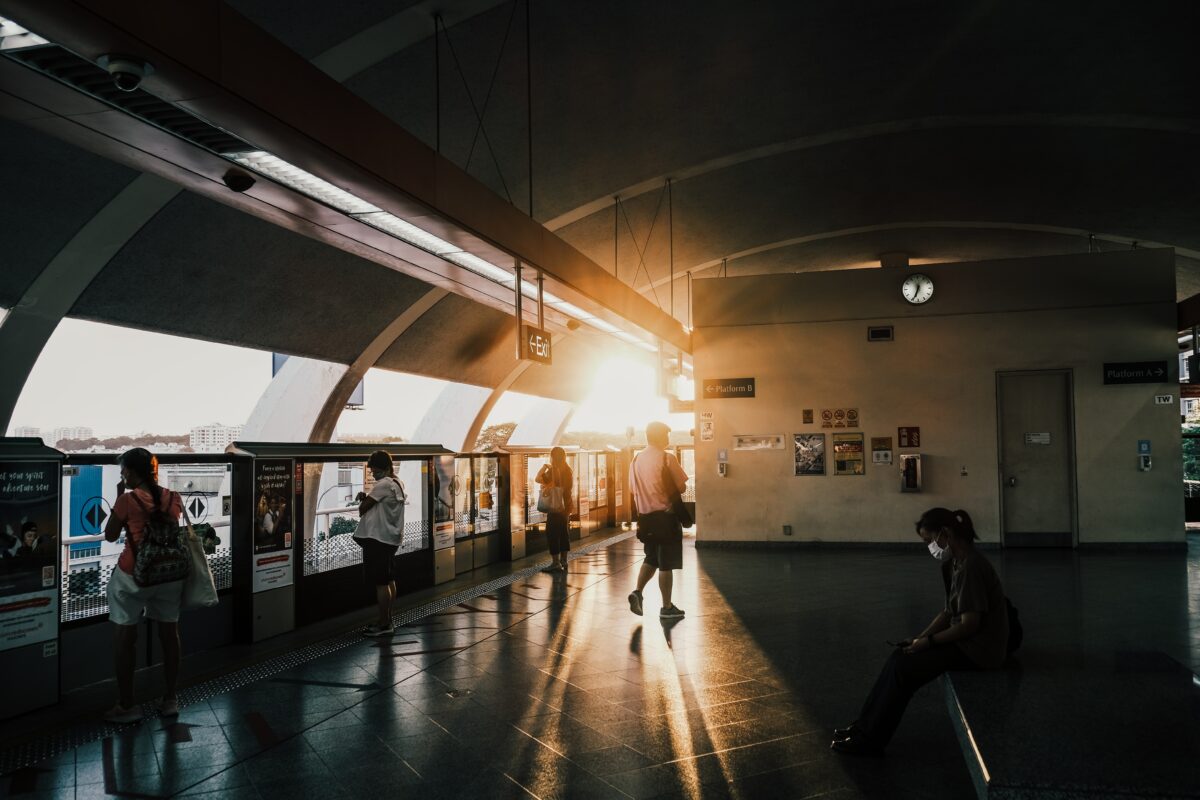
When it comes to sustainable transportation, it goes without saying that we have one of the most advanced and efficient public transportation systems in the world. The extensive network of buses and trains connects every nook and cranny of the city, making it incredibly convenient and eco-friendly to get around.
So, if there’s one thing you take from this article, make it a priority to use public transportation. Not only will you reduce your carbon footprint, but you’ll also enjoy the perks of a reliable, comfortable, and well-connected transportation system!
Besides taking the bus or MRT, here are some other ways to get around:
- Opt for cycling: Explore the city sustainably by cycling. Our extensive network of cycling paths, including the scenic Park Connector Network, provides enjoyable routes. Rent a bike or consider owning one for eco-friendly commuting and leisurely rides.
- Walk more often: Our country’s compact size and pedestrian-friendly infrastructure make walking a viable option for short distances. Enjoy the sights and sounds of the city at a leisurely pace while reducing your carbon footprint.
- Carpool: If you need to drive, consider carpooling with colleagues, friends, or neighbours. This will help reduce the number of vehicles on the road, decrease traffic congestion, and cut down on emissions.
- Get Electric Vehicles (EVs): Thanks to government incentives and the growing charging infrastructure, EVs are becoming increasingly popular in Singapore. Make a greener choice by switching to EVs or hybrid cars to eliminate tailpipe emissions. Plus, they’re also easier on your wallet in the long run!
Waste Reduction and Recycling
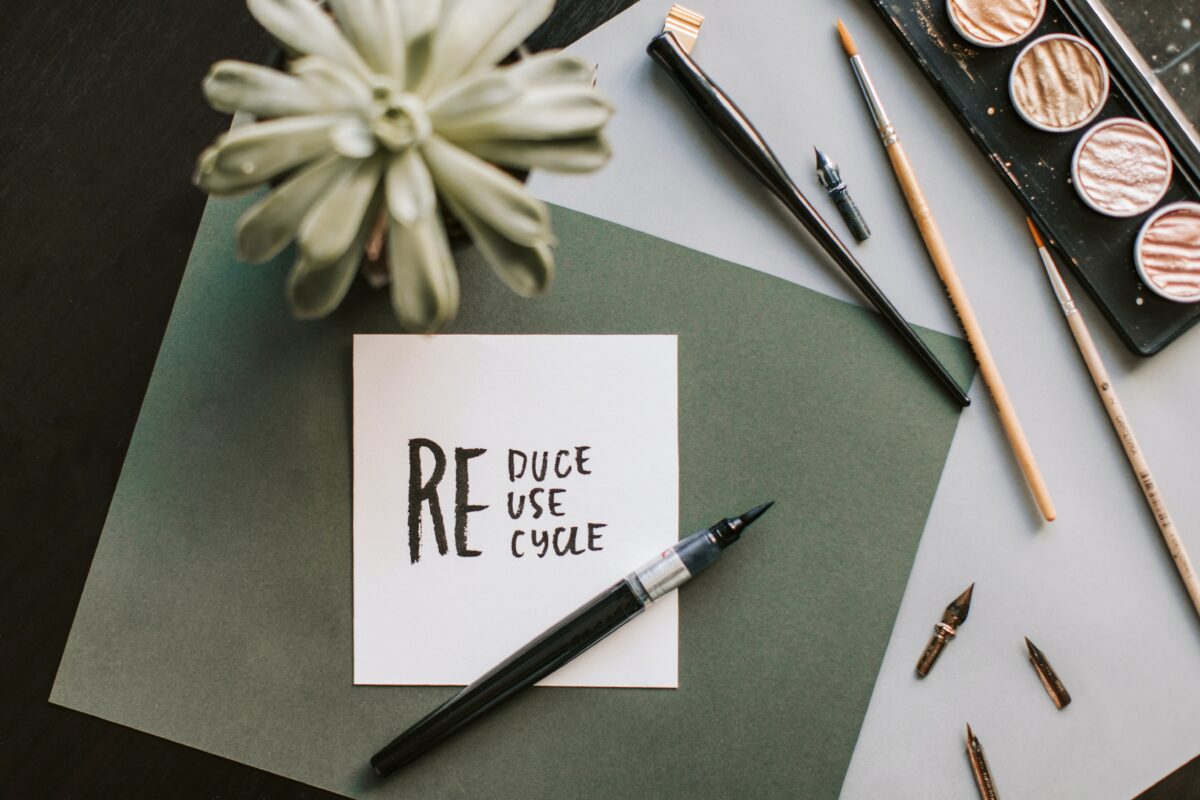
The first step in waste management is to reduce the amount of waste we generate. This can be done by being mindful of our consumption habits and making conscious choices. Avoiding single-use plastics, buying products with minimal packaging, and opting for reusable items are some simple ways to reduce waste.
Singapore has an extensive recycling programme, but there’s no point in it if we’re not recycling effectively. Be sure to sort your recyclables properly, including items like plastic bottles, aluminium cans, and paper. While at it, don’t forget to rinse your recyclables before disposing of them. You don’t want residual food or liquid contaminating the other materials.
On the other hand, if you’re unsure about what to do with your used clothes and household items or need guidance on repairing or disposing of damaged items, check out this comprehensive list of retail and donation centres by the NEA.
Tip: Swap out your single-use plastic bags for reusable bags. Convenient, spacious, and (dare we say it) adorable, recycling bags have come a long way since their big, clunky predecessors. Simply fold one up and tuck it in your handbag for those spontaneous retail therapy days.

Energy efficiency
Sustainable living doesn’t have to be complicated – sometimes, it’s as easy as making simple changes and smart choices.
Here are some tips to help you embrace energy efficiency without leaving your home:
- Invest in energy-efficient appliances with the Energy Label to reduce electricity consumption without compromising on functionality.
- Upgrade to LED lights, which are eco-friendly and longer-lasting than traditional bulbs.
- Our hot and humid climate often leads to excessive air conditioning usage. Optimise your air conditioning by setting it at a comfortable temperature and using fans to circulate cool air.
- Install smart power strips that automatically cut off power to devices in standby mode, eliminating phantom energy drain.
- Get into the habit of turning off lights and appliances when you leave a room. Small actions like these can add up to significant energy savings over time.
Water conservation
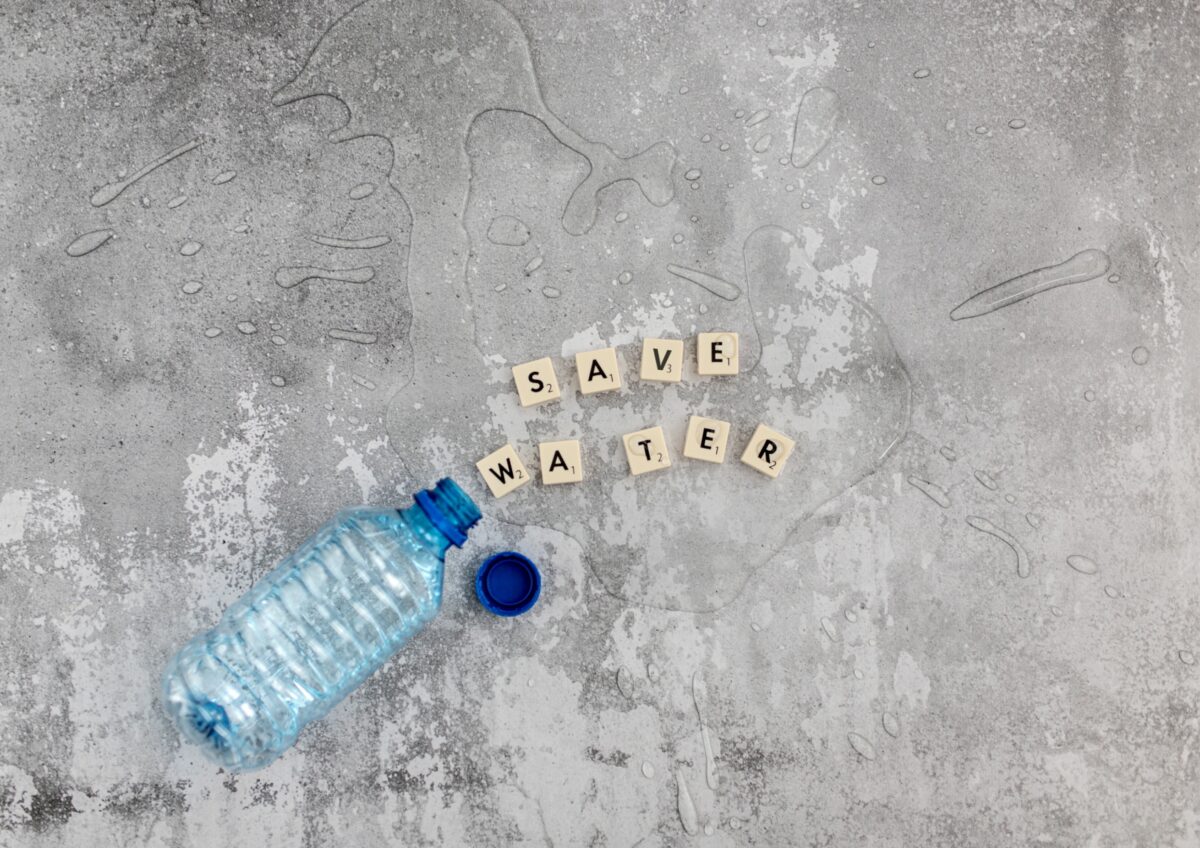
Water is a precious resource, especially in our water-scarce country. Let’s explore some water conservation practices to reduce water wastage and ensure a sustainable water supply for future generations.
Start by being mindful of your water usage. Take shorter showers and turn off the tap while brushing your teeth or soaping up. Make sure to also promptly fix any leaks to prevent water wastage. Every drop saved makes a significant difference.
Consider installing water-efficient appliances, such as low-flow showerheads and dual-flush toilets. These devices help reduce water consumption without compromising your comfort.
Our country is known for its innovative water management initiatives, including the groundbreaking NEWater programme. NEWater treats wastewater to produce high-quality, ultra-clean water suitable for various uses, including industrial and even drinking water. By supporting these initiatives and using water wisely, we can ensure a sustainable water future for our country.
Sustainable eating
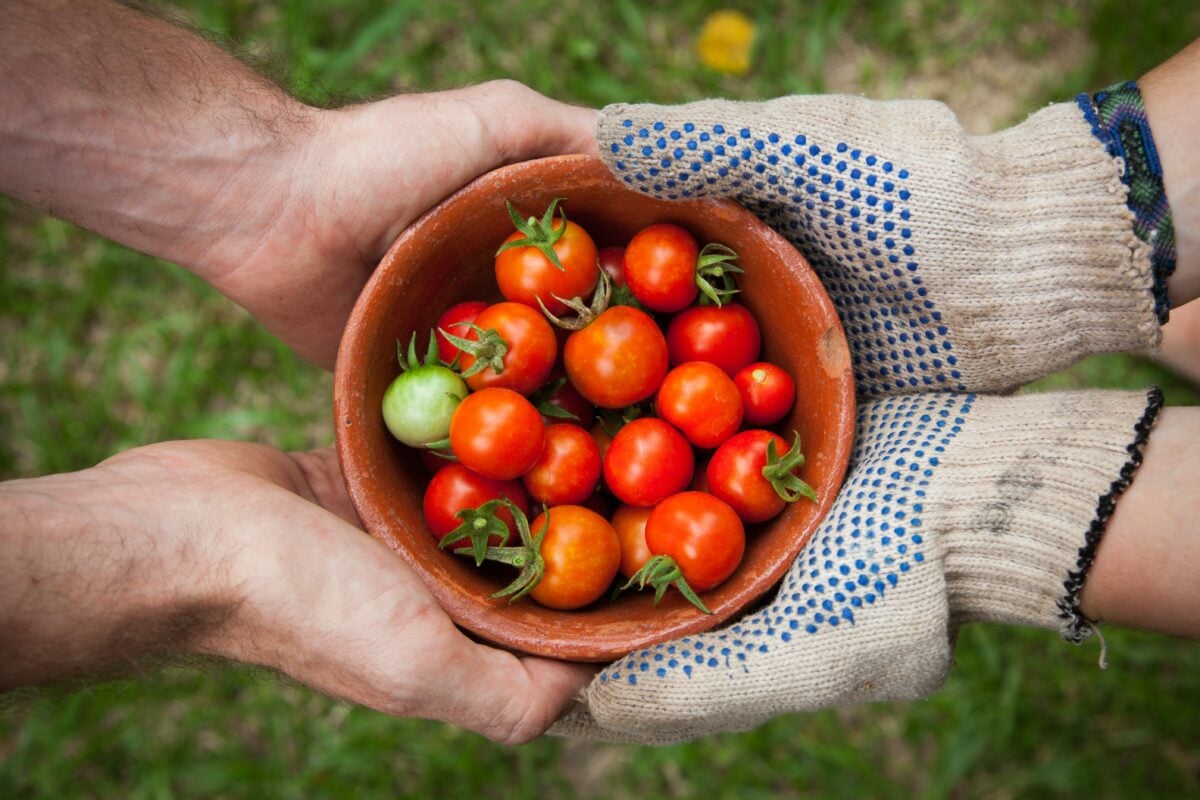
Making sustainable food choices is vital for reducing our environmental impact. Start by addressing food waste – plan your meals, buy only what you need, and store perishable items properly to minimise leftovers. If you have excess food, consider donating to local food banks or composting it instead of letting it go to waste.
Supporting local farmers is another way to reduce the carbon footprint associated with food transportation. Many major supermarkets offer locally produced eggs, vegetables, and fish. Inquire about the availability of locally sourced products at your nearest supermarket or visit this page for convenient references to these retailers and more.
Additionally, take advantage of the SG Farmers’ Market (SGFM), a collaborative initiative by the Singapore Food Agency (SFA) and the Singapore Agro-Food Enterprises Federation Limited (SAFEF). Held at various community spaces and accessible online through Lazada Redmart, the SGFM provides a wonderful opportunity to explore and purchase a diverse selection of locally grown produce.
Wrapping up
And there you go!
By incorporating the tips and practices shared in this article, you can actively contribute to the country’s green initiatives. From embracing eco-friendly transportation options to reducing waste, conserving energy, and making sustainable food choices, these tips align with the direction Singapore is taking to build a more sustainable and livable environment.
Together, we can play our part in creating a greener and brighter future for our country and the world.
About Sophiyanah David

Sophi, a seasoned copywriter specialising in Singaporean real estate and property, is one of the minds behind 99.co's informative articles. Like her colleagues at 99.co, Sophi is dedicated to keeping you informed about the ever-changing world of real estate so you can find your forever home. When off the clock, you can find her giggling and kicking her feet as she reads her romance novels, watching anime - if FMBA is not your fave, she might fight you (but you'll probably win) and looking up latest skincare trends.

Looking to sell your property?
Whether your HDB apartment is reaching the end of its Minimum Occupation Period (MOP) or your condo has crossed its Seller Stamp Duty (SSD) window, it is always good to know how much you can potentially gain if you were to list and sell your property. Not only that, you’ll also need to know whether your gains would allow you to right-size to the dream home in the neighbourhood you and your family have been eyeing.
One easy way is to send us a request for a credible and trusted property consultant to reach out to you.
Alternatively, you can jump onto 99.co’s Property Value Tool to get an estimate for free.
If you’re looking for your dream home, be it as a first-time or seasoned homebuyer or seller – say, to upgrade or right-size – you will find it on Singapore’s fastest-growing property portal 99.co.
Meanwhile, if you have an interesting property-related story to share with us, drop us a message here — and we’ll review it and get back to you.
Join our social media communities!
Facebook | Instagram | TikTok | Telegram | YouTube | Twitter




Leave a comment