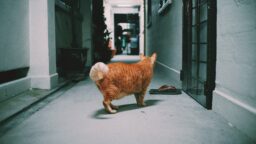
Starting September 1, 2024, cat owners in Singapore living in Housing & Development Board (HDB) flats must licence their feline companions, marking a significant shift in pet ownership regulations. This new requirement, implemented by the Animal & Veterinary Service (AVS) under the National Parks Board (NParks), is part of broader efforts to ensure responsible pet ownership and improve the welfare of cats across the country.
Table of contents
- Why the new licensing requirement?
- What does this mean for cat owners?
- Addressing concerns
- The future of cat ownership in Singapore
Why the new licensing requirement?
The move to mandate cat licensing is a response to growing concerns about pet abandonment, overpopulation, and the need for better management of cats in residential areas. By requiring owners to licence their cats, authorities aim to create a database that can be used to monitor the cat population, encourage sterilisation, and facilitate the return of lost pets to their rightful owners.
Dr. Chang Siow Foong, Group Director of the Professional and Scientific Services Division at NParks, emphasised that licensing is also part of a broader strategy to harmonise the living environment in HDB estates, ensuring that both pet owners and non-pet owners can coexist comfortably.
Also read:Upcoming Changes to Cat Ban in HDB Flats
What does this mean for cat owners?
For cat owners, the process is relatively straightforward. They can register their cats online through the NParks Pet Animal Licensing System (PALS). The transition period, which is free of charge, will last until August 31, 2026. After this period, a nominal fee will be imposed for licensing, similar to the existing system for dogs.
Owners must also ensure that their cats are microchipped before registering them. The microchip will serve as a unique identifier, making it easier for authorities to track and return lost cats. Additionally, sterilisation is encouraged to prevent overpopulation, a common issue that leads to stray cat problems in many neighbourhoods.
Post-transition licence fees for pet cats:
| Category | One-year licence | Two-year licence | Three-year licence | One-time licence |
| Cats below five months of age | S$15 per cat | N/A | N/A | N/A |
| First three cats | Sterilised: S$15 per cat Unsterilised: S$90 per cat | Sterilised: S$25 per cat Unsterilised: S$165 per cat | S$230 per
unsterilised cat | S$35 per
sterilised cat |
| Fourth and subsequent cat (Only applicable to fourth and subsequent cats licensed during the transition period) | S$180 per cat | S$325 per cat | S$460 per
unsterilised cat | S$460 per
sterilised cat |
Addressing concerns
The introduction of cat licensing has been met with mixed reactions.
While many animal welfare groups and responsible pet owners have welcomed the move, some have expressed concerns about enforcement and the potential for increased abandonment. To address these concerns, AVS has assured the public that the licensing system is designed to be minimally invasive and that education will play a key role in ensuring compliance.
AVS is working closely with animal welfare groups to raise awareness about the importance of cat licensing and the benefits it brings to both pets and the community. Educational campaigns will be rolled out to inform cat owners about the new requirements and the long-term advantages of licensing.
The future of cat ownership in Singapore
This new regulation is a step forward in creating a more structured and responsible pet ownership environment in Singapore. With the introduction of cat licensing, we join the ranks of other countries that have implemented similar measures to protect pets and ensure they are well-cared for.
As our country continues to modernise and urbanise, the need for such regulations becomes increasingly apparent. The introduction of mandatory cat licensing is not just about control – it’s about creating a safe, harmonious, and responsible community where pets are valued members of society.
Cat owners are encouraged to take advantage of the free transition period to register their pets, ensuring they comply with the new rules and contribute to the well-being of the feline community in Singapore.

 4
4
 3
3
 3
3
3
3
 3
3
3
3
 1
2
1
2
 4
5
4
5
 3
3
3
3
 3
2
3
2
 4
4
4
4
 5
4
5
4
 3
3
3
3
What do you think about these new cat licensing rules in Singapore? Share your thoughts in the comments section below or on our Facebook page.
About Sophiyanah David

Sophi, a seasoned copywriter specialising in Singaporean real estate and property, is one of the minds behind 99.co's informative articles. Like her colleagues at 99.co, Sophi is dedicated to keeping you informed about the ever-changing world of real estate so you can find your forever home. When off the clock, you can find her giggling and kicking her feet as she reads her romance novels, watching anime - if FMBA is not your fave, she might fight you (but you'll probably win) and looking up latest skincare trends.

Looking to sell your property?
Whether your HDB apartment is reaching the end of its Minimum Occupation Period (MOP) or your condo has crossed its Seller Stamp Duty (SSD) window, it is always good to know how much you can potentially gain if you were to list and sell your property. Not only that, you’ll also need to know whether your gains would allow you to right-size to the dream home in the neighbourhood you and your family have been eyeing.
One easy way is to send us a request for a credible and trusted property consultant to reach out to you.
Alternatively, you can jump onto 99.co’s Property Value Tool to get an estimate for free.
If you’re looking for your dream home, be it as a first-time or seasoned homebuyer or seller – say, to upgrade or right-size – you will find it on Singapore’s fastest-growing property portal 99.co.
Meanwhile, if you have an interesting property-related story to share with us, drop us a message here — and we’ll review it and get back to you.
Join our social media communities!
Facebook | Instagram | TikTok | Telegram | YouTube | Twitter