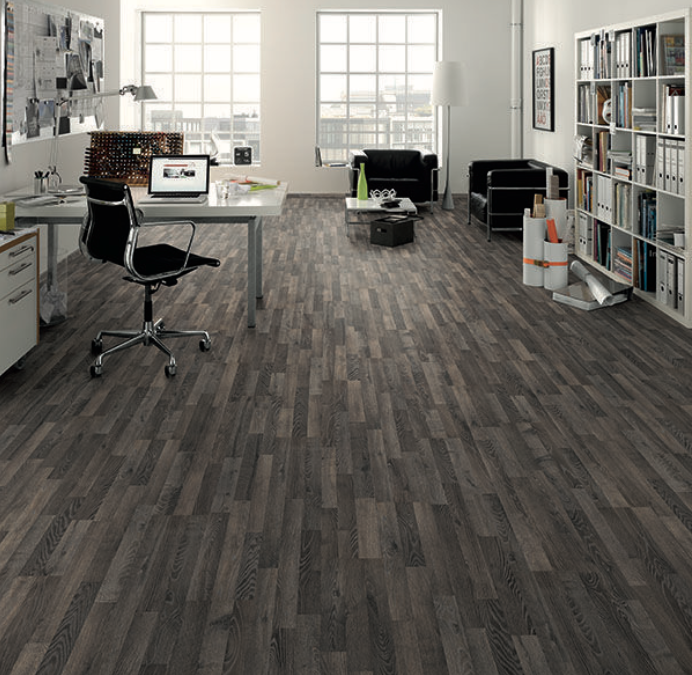
Torn between laminate flooring and homogenous tiles for your floors? Here’s a straightforward overview to help you make the ultimate decision.
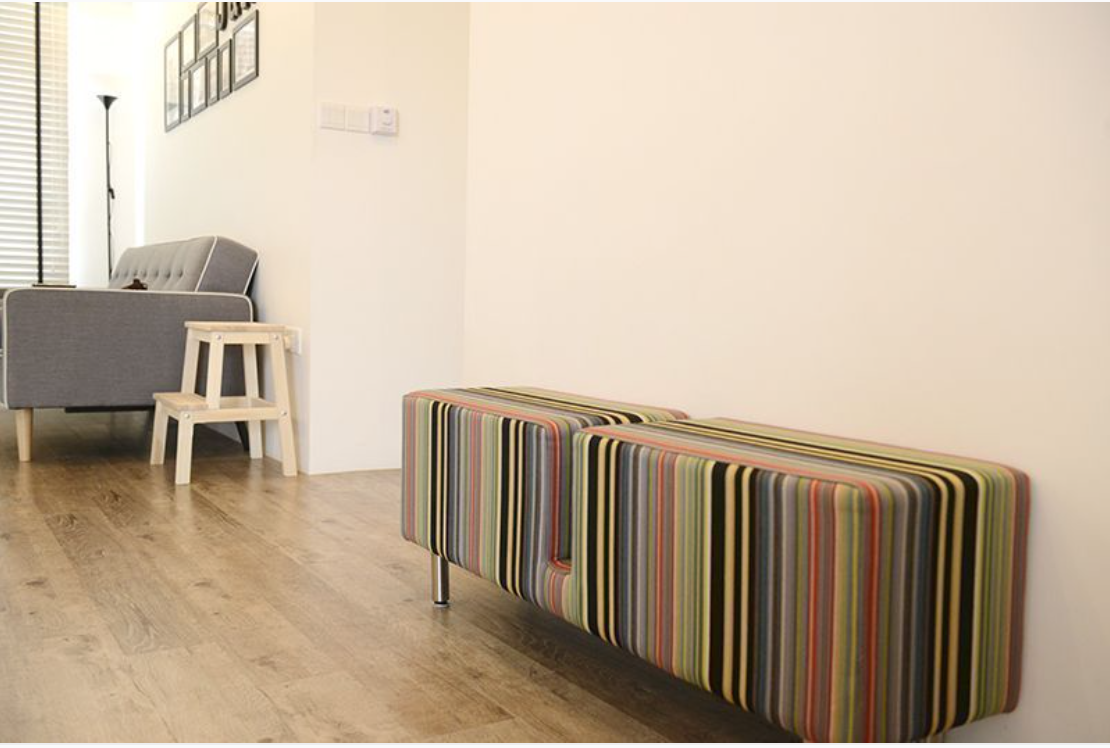
Homogenous tiles
Though referred locally as homogenous, these tiles are usually known as ceramic or porcelain tiles in the broader aspect.
Designs
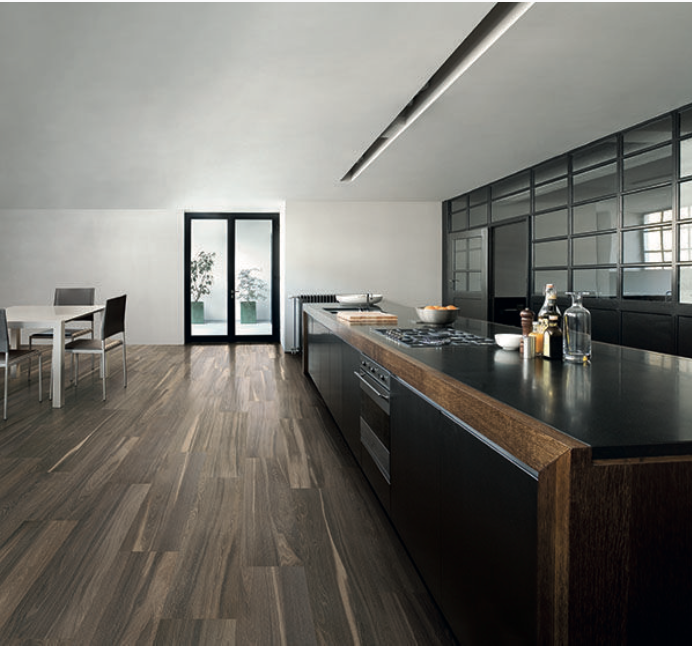
Available in glazed or unglazed versions, the first means it has a shiny finish while the latter simply refers to a matte surface. Beyond this, the design or pattern of a tile is largely varied thanks to the introduction of digital inkjet printing. With that, it can replicate the most realistic imagery such as wood grains, fine stone veins and even leather.
“With the most advanced digital imaging technology and industrial laser jet tile printing techniques… and varied stone images captured from popular and exotic natural stone or wood, technology is almost perfecting natural stone and wood.”
Terry Tan, Director, Rice Fields Pte Ltd
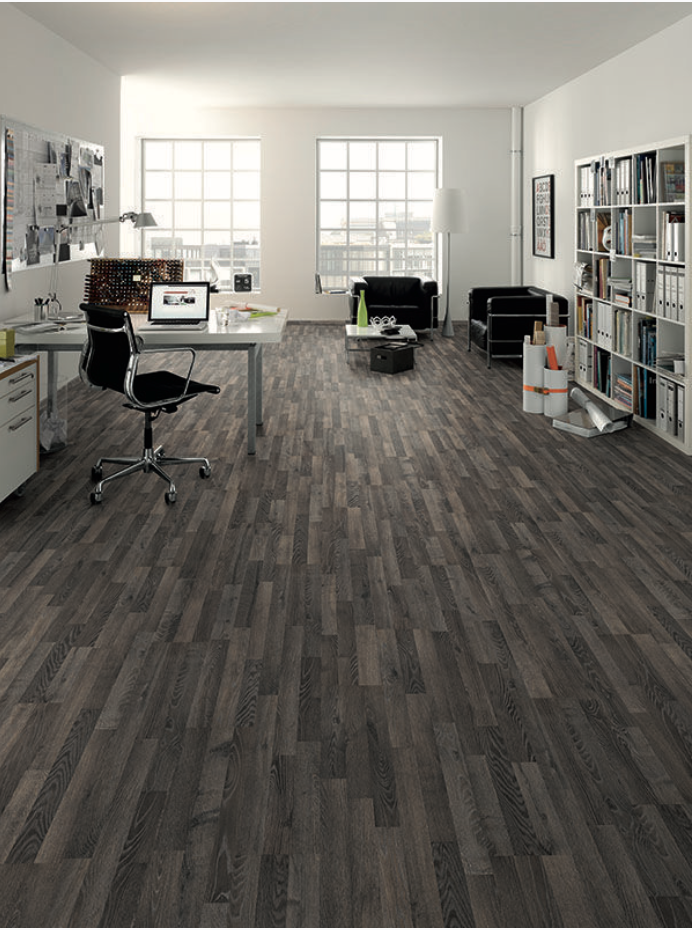
Installation
Says a representative from Soon Bee Huat (SBH), one of the leading local tile suppliers, “Tiles can be installed using either a chemical tile adhesive or thin set mortar, which is more like cement. Thinset mortar is always used on floors due to its ability to withstand high foot traffic, prevents lateral movement and potential fractures that may appear on tiled floors.”
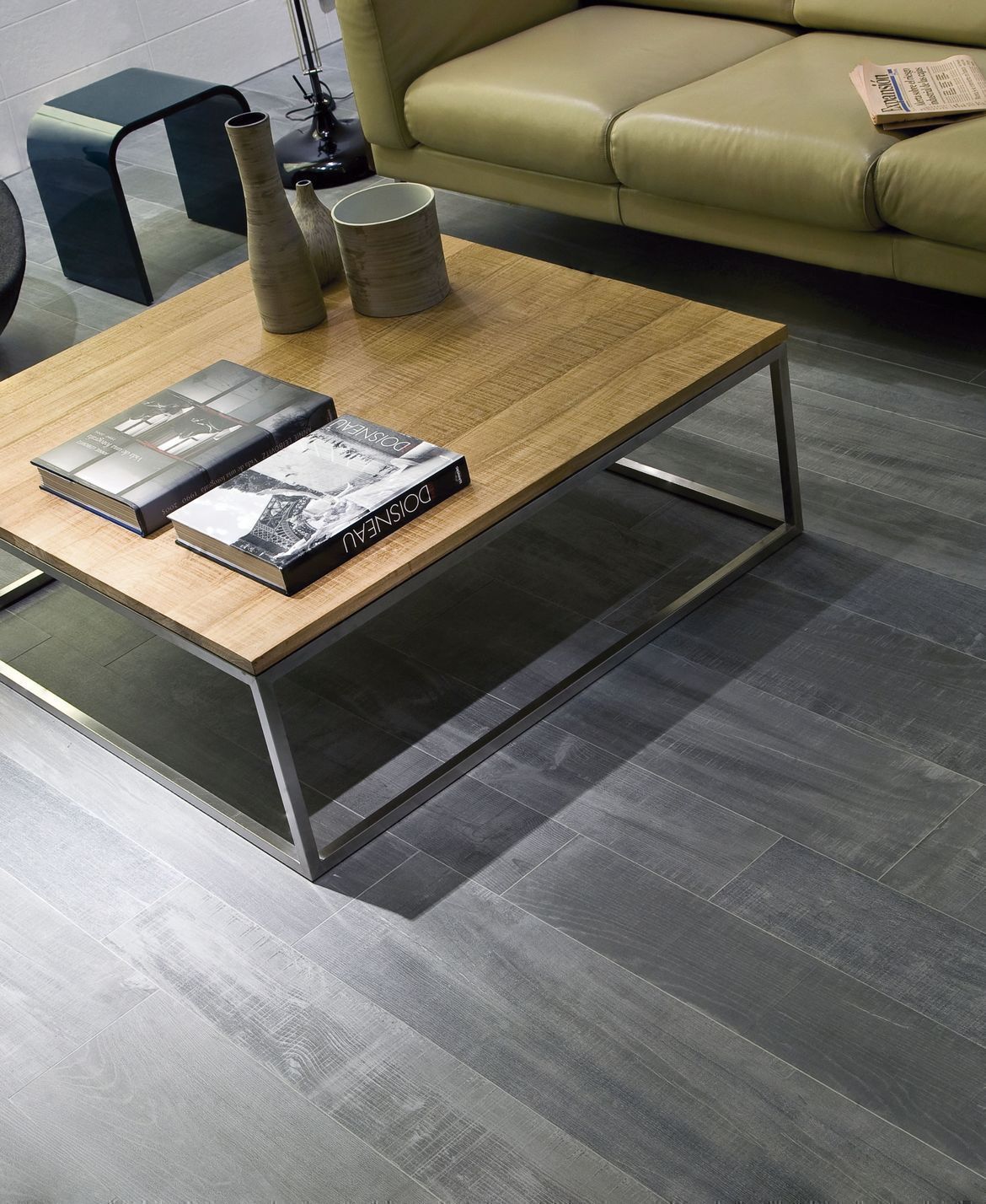
What is a full-body tile?
A full-body tile means that the design or colour you see on the top surface extends through the entire tile. So, even if it does get chipped, the mark will not be so noticeable.
Overlay
It goes without saying that the flatter and more level the sub-flooring is, the better the overlay will turn out to be. There are exceptions though and according to Waley Lim, director from IBP Ceramics & Stones Pte Ltd, he says: “The final height of the floor relative to other fixtures such as door frames may be an area of concern.”
More specifically, as suggested by SBH’s representative, overlay installation should not be done on subfloors that will “flex, expand, contract and warp”. Some examples she has listed out include composite wood, cushioned vinyl and linoleum.
Other than that, a bad overlay job can also result in water seepage. Says Susan Ang, country manager from White Horse Ceramic Singapore: “If the bonding agent does not gel properly with the subfloor and the overlaid tiles, water can seep underneath the surface and you would have to take out the entire flooring.”
Sizes
The industry standard is 30x60cm, 30x60cm and 60x60cm. However, in recent years, tile providers are offering larger sizes that range from 75cmx75cm to 120x120cm. As pointed out by Terry from Rice Fields, “Bigger tile sizes mean that there will be much lesser joints or gaps”.
In terms of slip resistance, bathrooms should be laid with tiles that should fulfill a R10 ramp test rating. This ensures safety in these frequently damp areas.
Susan Ang, Country Manager, White Horse Ceramic
Does a larger-sized tile mean more savings because lesser tiles will be used?
“Prices are usually in dollar per unit area, so it does not matter which size you choose since your required area of coverage will still be the same.
Waley Lim, Director, IBP Ceramics & Stones Pte Ltd
Floor Tile Classification
By using the P.E.I rating, a testing system which classifies the strength of the glaze applied to the tile, here’s how to better determine which tile class goes in which area:
Class 1 Soft soled footwear or bare feet areas such as bathrooms and bedrooms.
Class 2 For areas exposed to very small amounts of scratching dirt and with light traffic that are walked on by soft soled and normal footwear. Not recommended for kitchens, entrance halls and stairs.
Class 3 All residential uses including kitchens, halls, balconies and terraces.
Class 4 For light to medium commercial applications such as offices and sales rooms.
Class 5 For heavy commercial traffic areas such as exterior areas, shopping centres, airports, hotel lobbies and public walkways.
Laminate
The economical version of solid wood flooring, laminate is even more versatile than hardwoods, in terms of its waterproof attributes in recent developments.
Designs
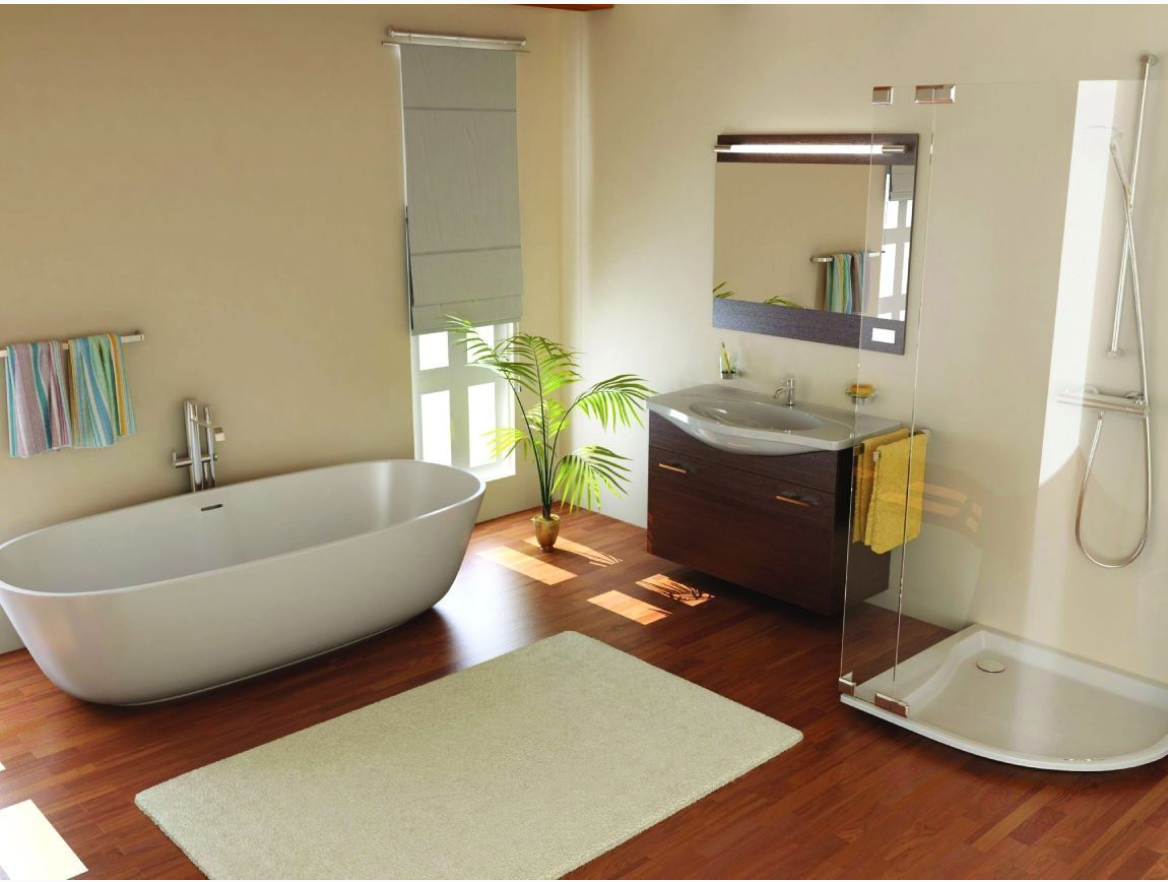
Basically, laminate has four layers. The pattern layer is a photograph which has realistic colours and pearl-sheen ink to give the image depth and a touch of realism. That said, like tiles, it can also replicate the natural beauty of stone, wood and leather.
Our 4th Generation laminate is absolutely waterproof and termite proof. Its wear-resistance top layer ensures it will not swell nor deform upon contact with excessive water and with that, it can even be used in the bathroom.”
Karen Tan, Marketing Manager, Floor Depot International Pte Ltd
Installation
The floating method; where the laminate pieces are interlocked together by a glue-less click system. According to Jimmy Yong, Technical & Development Director from Floorrich Global Pte Ltd, installation can cost around S$1 per square feet or higher.
Overlay
Says Karen Tan, Marketing Manager from Floor Depot International Pte Ltd: “Generally speaking, all subfloor surfaces suitable for the laying of floor coverings are also suitable for the installation of floating laminate floors. These include all types of screed or cast plaster floor, particle board substructures, slab-type constructions, wooden flooring, and existing hard flooring such as tiles and stone slab.”
Since laminate is known to produce a hollow sound underfoot, there have been methods devised to lower this occurrence. For Floor Depot, they have implemented the non-floating installation method which requires additional adhesive and HDPE silicone sealant layers underneath the laminate floorboards.
For Inovar Marketing Pte Ltd, the laminate flooring provider offers a higher density in their core boards. Says its Country Manager Jimmy Leong, “Our product uses 100 percent tropical hardwood as the core material and therefore, we do not have any complaints of such an issue.”
“The weight of the product (which is contributed by the thickness and density of the hardwood fibres) plays an important role in determining the solid feel of the product after being laid down on the floor. In layman’s term, the thicker the product is, the better it is in terms of the solidness feeling.”
Jimmy Leong, Country Manager, Inovar Marketing Pte Ltd
Sizes
According to Jimmy from Floorrich Global Pte Ltd, the normal standard size is 200mm width x 1200mm length x 800mm thickness. Floorrich also offers a narrower size with 140mm width to emulate the look of timber flooring planks. There is also a longer 2000mm length plank for less visible joints on the floor.
The thickness of our plank is 8.3mm thick. As our quality is good, there is no need to use 12mm thick planks because thicker planks mean the doors have to be trimmed more.
Victor Lee, Manager, Vohringer (S) Pte Ltd

Classification
Below is the durability level category of laminate flooring:
AC 1 For moderate traffic areas such as bedrooms and guestrooms.
AC 2 For general traffic areas like living rooms or dining rooms.
AC 3 For commercial areas with moderate traffic like hotel rooms and small offices.
AC 4 For commercial areas with general traffic like offices, boutiques and cafes.
AC 5 For commercial areas with heavy traffic like public buildings and departmental stores.
This article originally appeared on Cromly.
Tell us about your flooring of choice. Email us at hello@cromly.com or discuss on Facebook.
About Cromly

Cromly is an online platform for daily ideas and inspirations on home and living, featuring a wealth of interior design projects, ideas, products and articles. We passionately engage homeowners every day through our sections: Stories, Design, Shop, Catalogue, and Inspiration. Our brand philosophy—Better Homes Every Day—is aimed at the average yet discerning and design-savvy homeowner who is increasingly looking online for affordable solutions and inspirations for their homes.

Looking to sell your property?
Whether your HDB apartment is reaching the end of its Minimum Occupation Period (MOP) or your condo has crossed its Seller Stamp Duty (SSD) window, it is always good to know how much you can potentially gain if you were to list and sell your property. Not only that, you’ll also need to know whether your gains would allow you to right-size to the dream home in the neighbourhood you and your family have been eyeing.
One easy way is to send us a request for a credible and trusted property consultant to reach out to you.
Alternatively, you can jump onto 99.co’s Property Value Tool to get an estimate for free.
If you’re looking for your dream home, be it as a first-time or seasoned homebuyer or seller – say, to upgrade or right-size – you will find it on Singapore’s fastest-growing property portal 99.co.
Meanwhile, if you have an interesting property-related story to share with us, drop us a message here — and we’ll review it and get back to you.
Join our social media communities!
Facebook | Instagram | TikTok | Telegram | YouTube | Twitter



I’ll right away seize your rss as I can’t to find your e-mail subscription hyperlink or e-newsletter service.
Do you’ve any? Please let me recognise so that I may just subscribe.
Thanks.
You can always subscribe to us using the subscriber bar which appears at the bottom of our blog page/ articles 🙂 You just have to enter your email there and click ‘Subscribe’. That’s all. Please let me know if this works! Thanks a lot for your interest in subscribing to our newsletters.