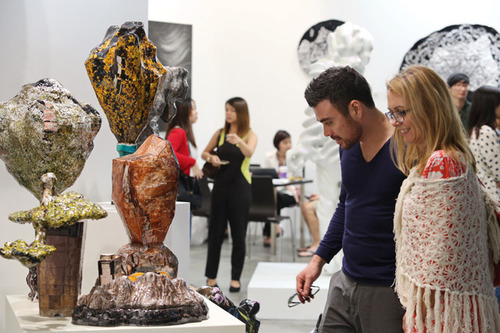
Buying your first piece of art can seem like an intimidating process and the jargon can be very confusing to new buyers. While the unfamiliarity with the art world may put some people off , it is in actual fact a wonderful world to explore and is filled with so many different things to discover.
Although this article promises you 8 quick tips, like anything, art collecting takes time. We are here to help you embark on your journey – whether it is to buy your first major work, or just enhancing your experience at a fair or gallery opening, all it takes is an open mind and some curiosity.
1. Take your time and do your homework
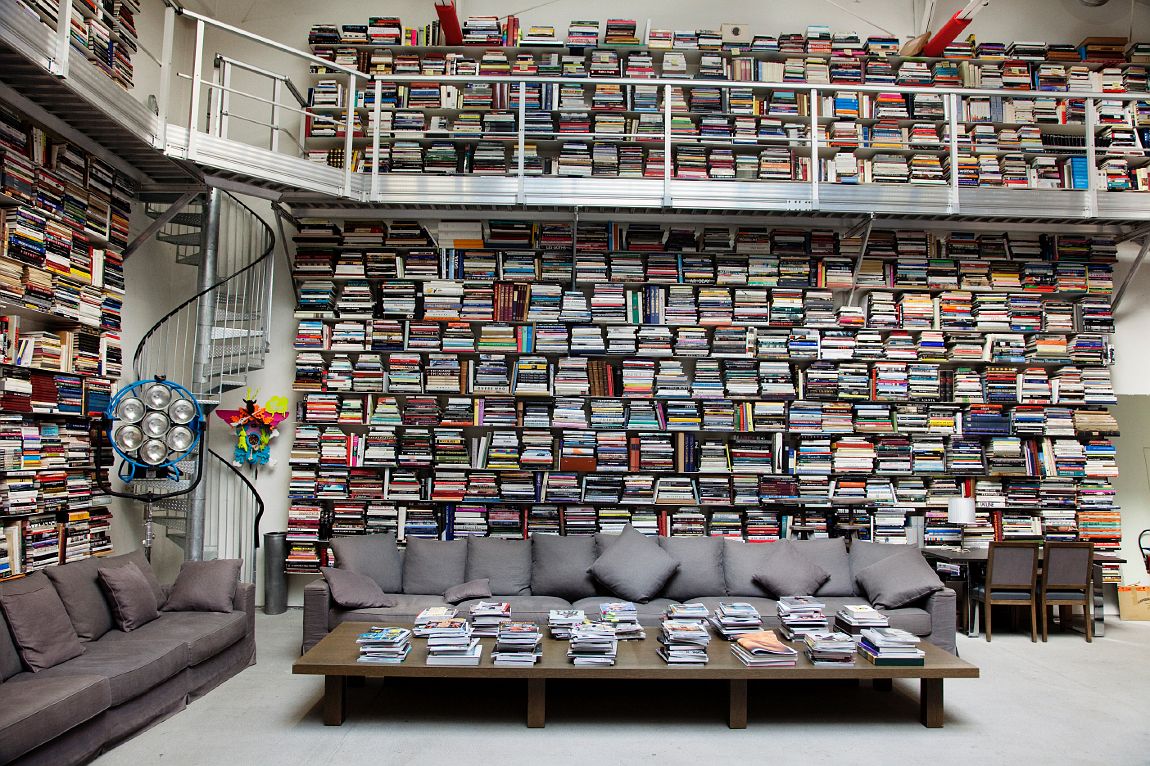
When you see a work you like and are drawn to, do some research online and ask the gallerist as many questions as possible. It will give you a broader idea of the artist’s background history and the representing gallery, and will also help you make a more informed decision on your purchase. Usually galleries will also have brochures or books on hand for you to take away with you for further reading.
Credits: The Selby
2. Buy originals, including Limited Edition Prints
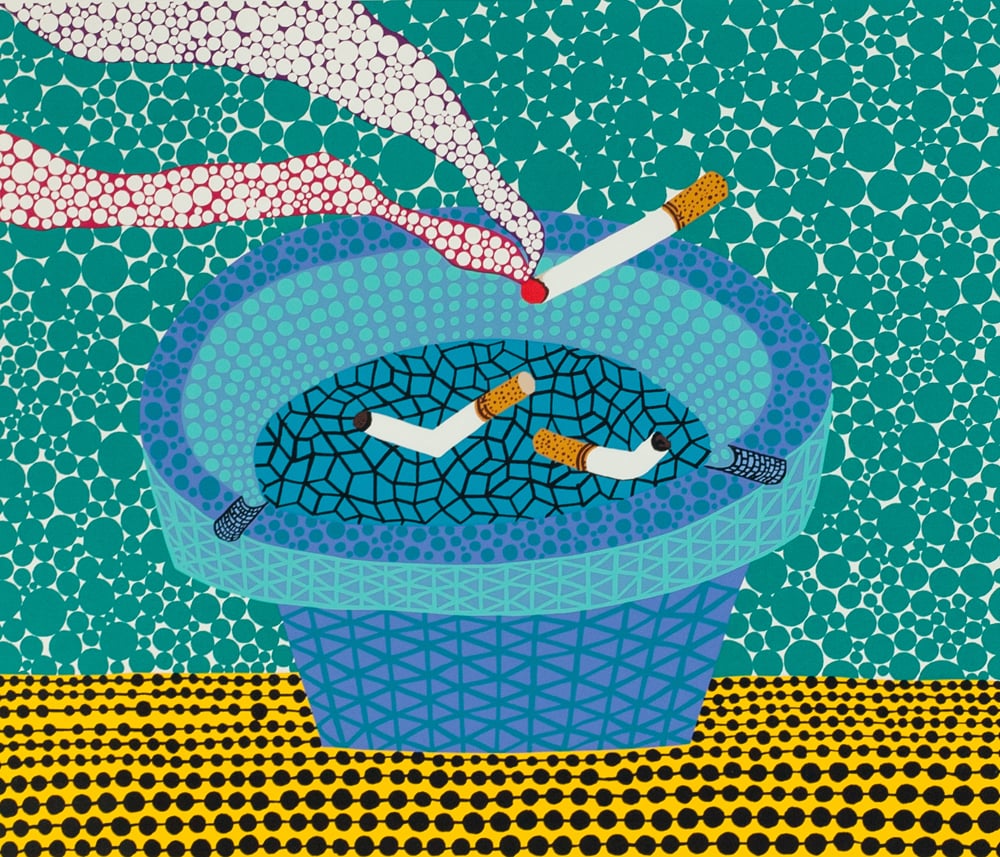
Prints can be a little bit tricky, but they area great and accessible way to start your art collection! If you do choose to buy one, always buy a limited edition print and make sure they are authenticated and signed. Edition numbers can vary from Editions of 5 to Editions of 300.
If you’re interested in finding out more, you can read our guide to buying prints here.
Credits: The Artling
3. Buy what you love, not what you think you’ll get a financial return on!
We always encourage our customers to buy what they love and are personally drawn to. However, depending on how much money you’re looking to spend, higher returns are often tagged to higher risks. You hear of other collectors buying young emerging artists and making a good profit reselling them later – and it’s tempting to follow suit. However, unless you’re an insider or very experienced collector, it’s challenging to be on the upside of the curve. If you’re completely new to the field, it’s recommended to start with your own research and figure out what really resonates with you. Art consultants are also a great way to get an ‘in’ into the art world and can help advise on what works to consider for your given budget.
4. Explore and see as much as you can
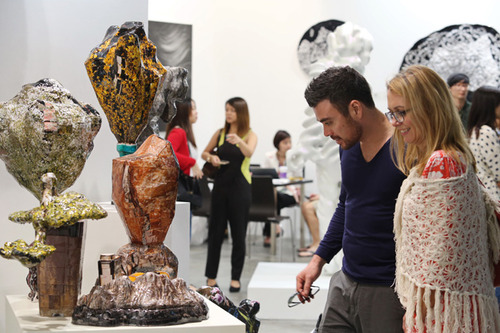
The best thing to do before you dive head first into anything new is to always to do as much research as you can. In this case, it means going to art exhibitions, art fairs and reading art books. Art fairs a great way to get to see what’s available quickly, as most major galleries will have a booth and feature a good selection of the artists they represent. If you feel a bit intimidated by so much art at once, we have a guide to navigating them here; alternatively, you can always sign up for gallery newsletters, which will send information on the latest openings straight to you inbox! Also, follow up on auctions and track the prices and sales of artists that interest you. Museums are an amazing way to discover art as well and there are increasingly more and more shows to catch. It’s also a fantastic way to spend time with your loved ones soaking up some culture!
Credits: Art Stage
5. Ask questions
If you’re going to a gallery opening or an art fair, the best thing is to always ask questions about the artists or the works. Yes, gallerists can seem intimidating, but they’re always looking to expanding their clientele. Basic questions to ask would be things like: how is something made? What is the art about? Is the artist in any other museum or private collection? How is the work maintained? If you find something you love, ask for the price – gallerists will always have a pricelist on hand. If you’re lucky, you may even get offered a small discount!
6. Meet people
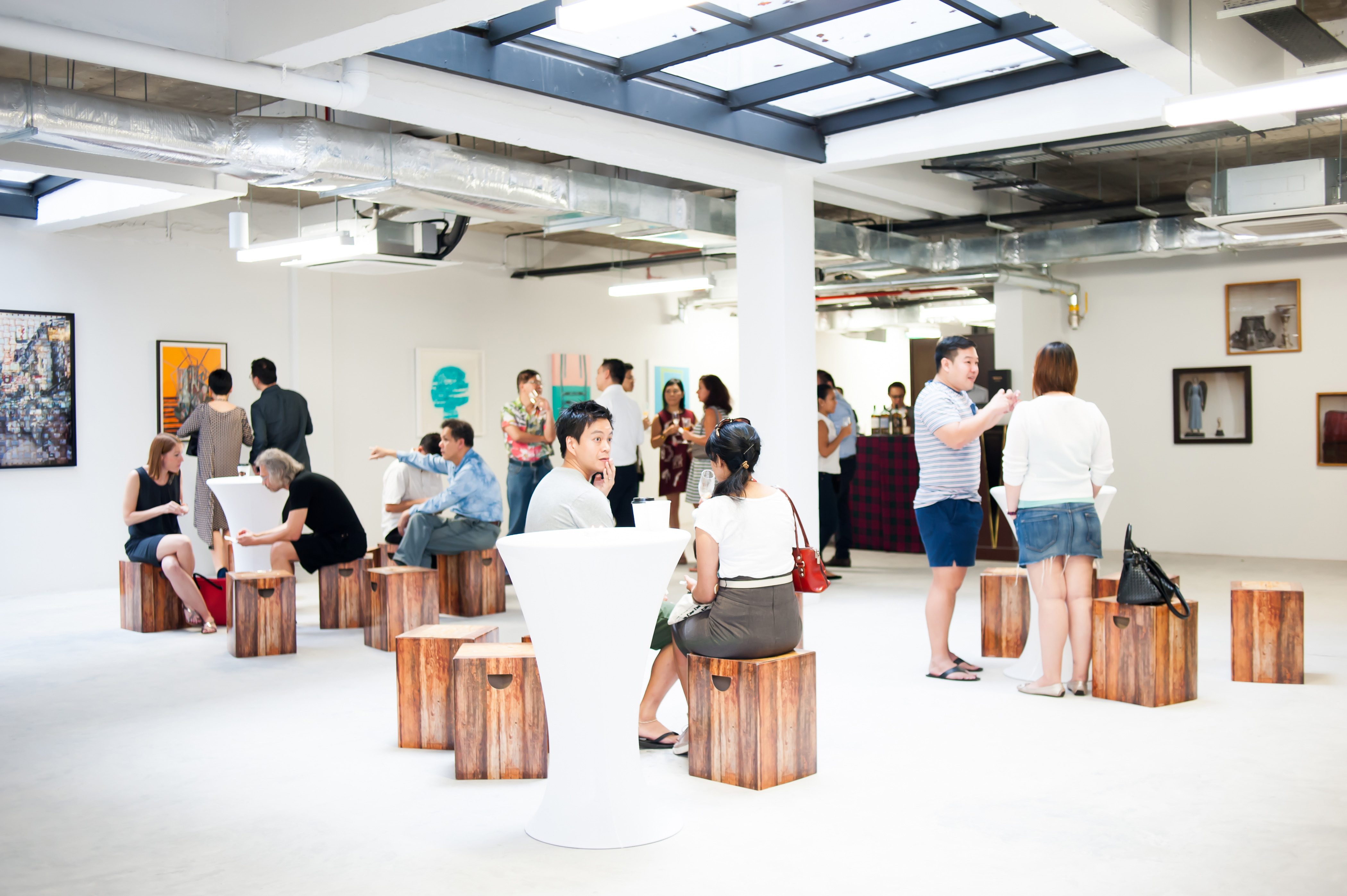
Another great way to start your art collection is to learn from other more experienced collectors.
Find out how they got started collecting, and how they grew their collection. Often, collectors are quite specific in the type of art they collect and it’s always interesting to learn about their journey and how they developed their collection. Many collectors started collecting small and did not have much to spend on their art initially.
Meeting gallerists and other people in the art world such as artists, curators, academics and advisors can also offer all kinds of advice for art collecting and insights into the industry. However, having said this, it is always good to stay true to what you love – never buy something because someone promises you that you can make a profit from flipping it in 3 years.
Credits: The Artling
7. Take care of your art
If you have already started your art collection, or just bought your first work – congratulations!
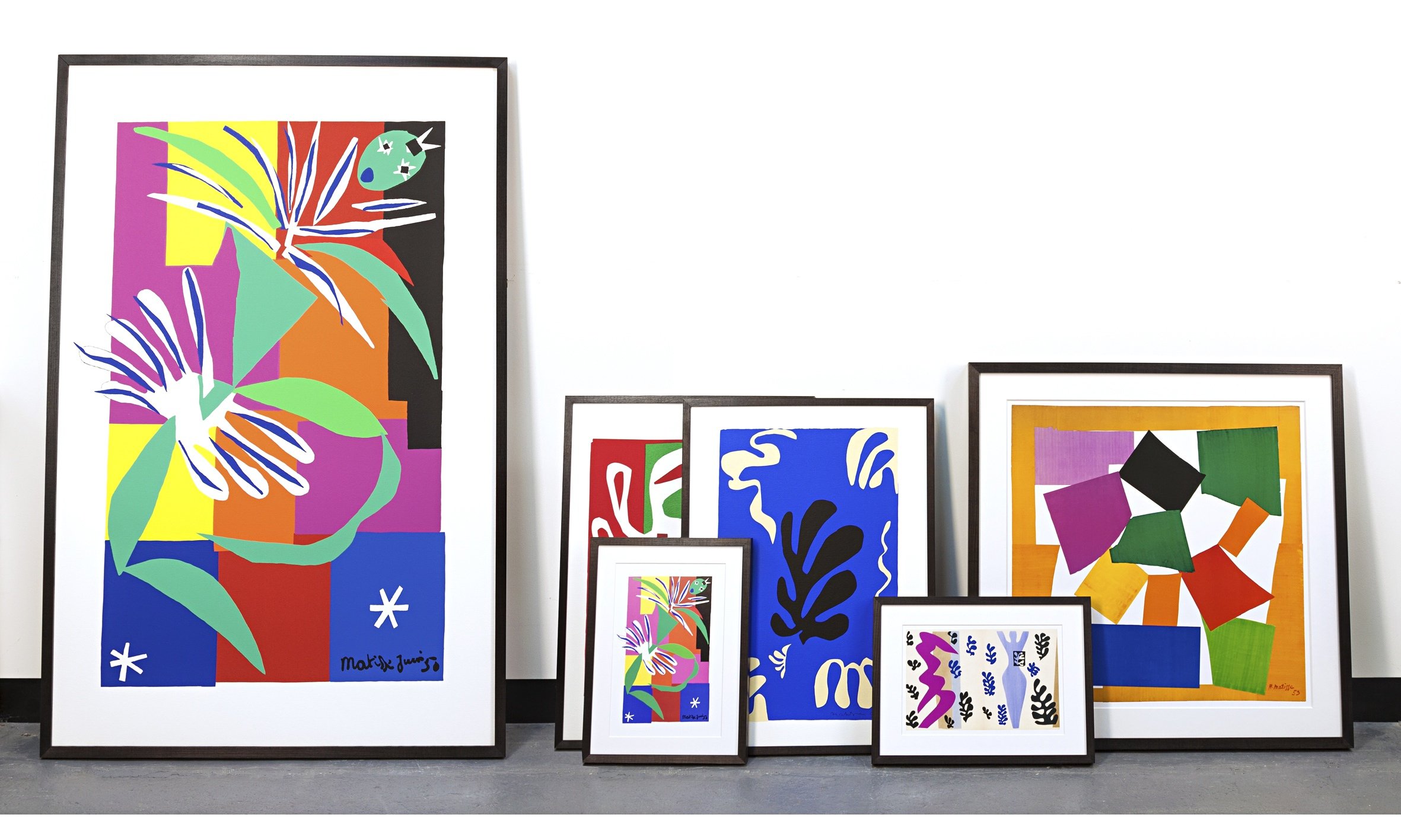
However, it is important to make sure they your new work is stored properly to ensure longevity of the item. The best person to probably ask is the person who sold you the work, which could be the artist or the gallery. If the work is one that is slightly older, you could also approach a conservator that specialises in that particular medium, as they would be able to advise you on how to restore it and maintain the condition. You should always invest in proper framing: works on paper should not be placed in direct sunlight, use UV-protective plexiglass where possible (but don’t use this on canvas) and make sure that works mounted on acid-free paper.
Credits: Mission/PA
8. Quality not quantity
Buying art can be quite addictive once you really get into it and that is the fun part. As you grow, your collection grows with you and your art serves as a reminder of where you were at particular time of your life. Take your time between buying works; you may find that what you bought six months ago is no longer to your taste.
Also, remember that even if you really love a work, it is always better to buy a work that is in good condition – having to restore a work in poor condition can drive up the cost of it significantly.
Credits: J-F Jaussaud
Article contributed by The Artling.
About The Artling

The Artling is an online gallery based in Asia that features a curated collection of artworks by emerging and established contemporary Asian artists. We currently work with some of the top galleries and artists in the region and feature their work online in order to make their work accessible to the international market. We are passionate about art and feel that there is a great deal of artistic talent in Asia, which is why we aim to showcase the best and latest in Asian Contemporary Art to inspire the readers of 99.Co.

Looking to sell your property?
Whether your HDB apartment is reaching the end of its Minimum Occupation Period (MOP) or your condo has crossed its Seller Stamp Duty (SSD) window, it is always good to know how much you can potentially gain if you were to list and sell your property. Not only that, you’ll also need to know whether your gains would allow you to right-size to the dream home in the neighbourhood you and your family have been eyeing.
One easy way is to send us a request for a credible and trusted property consultant to reach out to you.
Alternatively, you can jump onto 99.co’s Property Value Tool to get an estimate for free.
If you’re looking for your dream home, be it as a first-time or seasoned homebuyer or seller – say, to upgrade or right-size – you will find it on Singapore’s fastest-growing property portal 99.co.
Meanwhile, if you have an interesting property-related story to share with us, drop us a message here — and we’ll review it and get back to you.
Join our social media communities!
Facebook | Instagram | TikTok | Telegram | YouTube | Twitter



Leave a comment