
Have you ever wondered how the neighborhood around you is changing? Noticed the old buildings being replaced by trendy cafes and boutiques? This phenomenon, known as gentrification, is becoming increasingly prevalent in Singapore. But what does this mean for the city-state’s unique neighbourhoods and their residents?
In this comprehensive guide, we delve into the concept of gentrification, its implications, and the potential resistance against it in the context of Singapore.
So, let’s embark on this journey and explore the evolving urban landscape of Singapore.
What exactly is gentrification in the Singapore context?
In today’s local context, ‘gentrification’ would most likely be used to describe the opening of the hundredth artisanal coffee house in Tiong Bahru.
Gentrification is, however, much more than that. It’s more a marked change in the vibe or flavour of an area, closely followed by a steady increase in development, commerce and, of course, property prices.
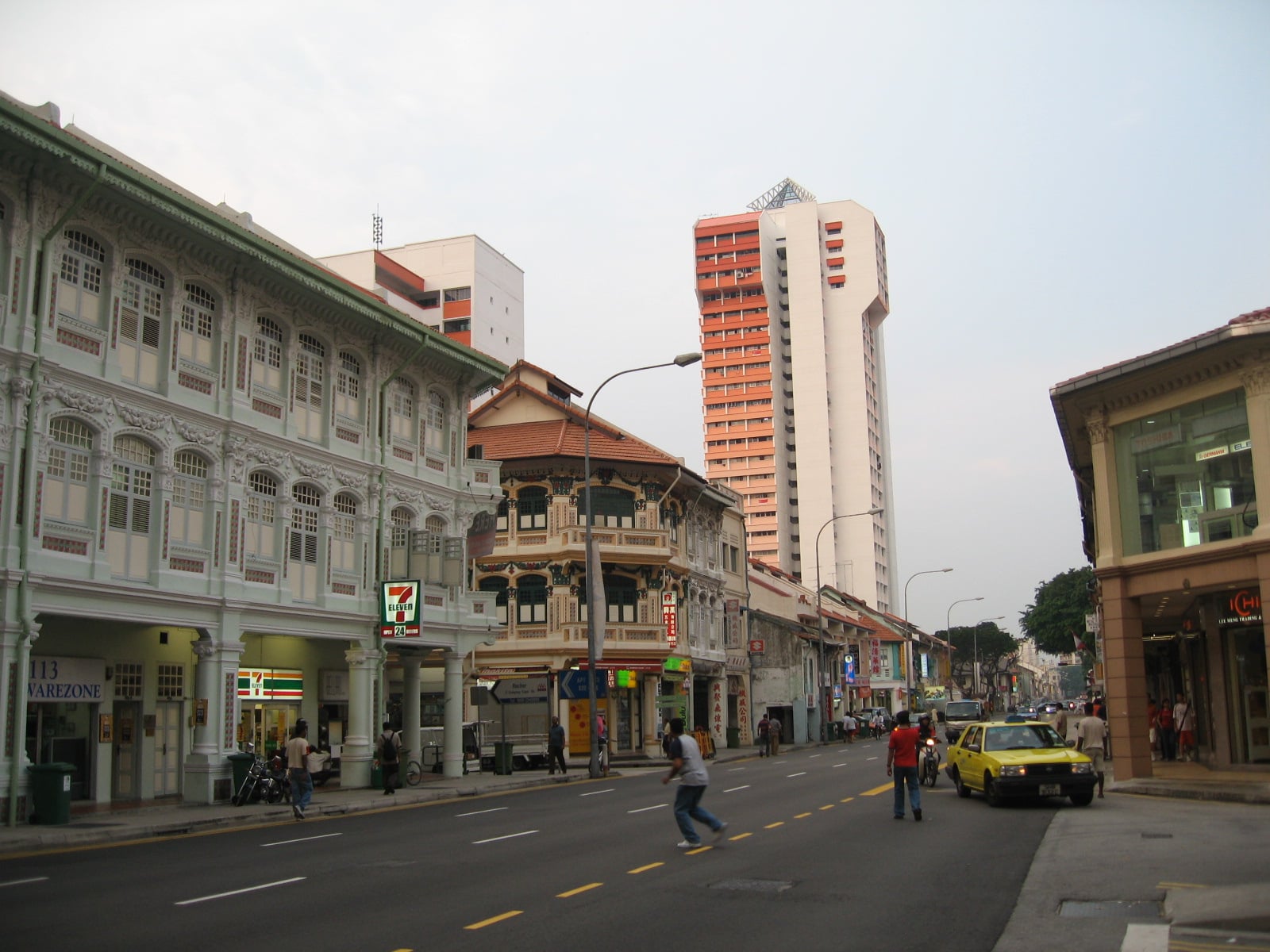
Whether it’s happening today, or back in the 1960s, what’s common is a pushback from pockets of the local population to what’s described as a ‘loss of traditional identity’, as well the more tangible displacement of persons or families who find themselves no longer able to afford to live in these ‘gentrified’ neighbourhoods.
In Singapore, what started in Tiong Bahru, with the opening of a few niche (or shall we say ‘hipster’) cafes, has crept into other neighbourhoods like Arab Street and Kallang Bahru, and this wave doesn’t look to be letting up any time soon.
The question then is whether gentrification will ultimately be an unstoppable phenomenon here, and whether it will mean the loss of the unique identifiers of some of our oldest neighbourhoods as feared by many.
Trend towards gentrification
It’s undeniable that there’s been a rising trend of gentrification in Singapore.
While it was predominantly a phenomenon centred in Tiong Bahru, rising rentals and zoning difficulties, not to mention the sheer popularity of these trendier restaurants and cafes, has seen even the more traditional neighbourhoods like Jalan Besar and even Geylang being brought into the gentrification fray.
With rising incomes in Singapore, and the leaning of the younger generation towards such establishments, it’s a simple matter of demand rising to meet supply that’s resulted in the almost homogenous landscape of restaurants, bars and cafes serving almost the same kind of products and services.
As landmark neighbourhoods such as Queenstown and Dakota are being earmarked by the Government to make way for newer, fresher developments, it does seem almost inevitable that one-by-one, we will feel the loss of the traditional feel and identity of our oldest neighbourhoods.
Strong undercurrent in favour of tradition
But before you get carried away by thoughts of a future Singapore inundated by cookie-cutter eateries, you can take heart in at least the following two factors that point towards a resistance towards such mass uniformity.
First, is the Government’s steadfast dedication to preserving culture and diversity in Singapore, and its efforts to prevent the formation of luxury enclaves that shut out the less wealthy. It’s done this by building HDB estates throughout Singapore, even in the midst of the more “affluent” neighbourhoods like Holland Village, as well as ensuring that each heartland neighbourhood has easy access to affordable food options, such as hawker centres.
During a forum with National University of Singapore students earlier this year, National Development Minister Lawrence Wong even proposed that in the planned “Central Business Districts” in Jurong and the Greater Southern Waterfront extension, the Government will be “very mindful and conscious of this.”
Another factor in our favour is the undying love of Singaporeans for their local food. Lets face it, there’s only so many variations of eggs benedict we can have before we start hankering for our roti prata fix. And with a new generation of hawkers proudly carrying the banner of those before them, I don’t foresee our devotion to the good old traditional local fare dying out any time soon.
Granted, the Singapore of tomorrow will probably look like a very different version of what we have today – but that’s inevitable whether it’s gentrification, or some other factor in play.
Conclusion
We hope this guide has given you a deeper understanding of the gentrification trend in Singapore. As we’ve seen, gentrification can bring about significant changes in a neighborhood, from its physical appearance to its cultural identity.
While it can lead to improved amenities and increased property values, it can also result in the displacement of long-time residents and the loss of traditional identity. It’s a complex issue with no easy solutions. But one thing is clear: as Singapore continues to evolve, the conversation around gentrification will become increasingly important.
So, let’s keep the dialogue going. Share your thoughts and experiences on gentrification in your neighbourhood. Together, we can shape the future of our city.
If gentrification is inevitable, how can you spot the signs and take advantage of it? Find out more in the second (and last) article of this series available soon.
About Zareen B.


Looking to sell your property?
Whether your HDB apartment is reaching the end of its Minimum Occupation Period (MOP) or your condo has crossed its Seller Stamp Duty (SSD) window, it is always good to know how much you can potentially gain if you were to list and sell your property. Not only that, you’ll also need to know whether your gains would allow you to right-size to the dream home in the neighbourhood you and your family have been eyeing.
One easy way is to send us a request for a credible and trusted property consultant to reach out to you.
Alternatively, you can jump onto 99.co’s Property Value Tool to get an estimate for free.
If you’re looking for your dream home, be it as a first-time or seasoned homebuyer or seller – say, to upgrade or right-size – you will find it on Singapore’s fastest-growing property portal 99.co.
Meanwhile, if you have an interesting property-related story to share with us, drop us a message here — and we’ll review it and get back to you.
Join our social media communities!
Facebook | Instagram | TikTok | Telegram | YouTube | Twitter



Leave a comment