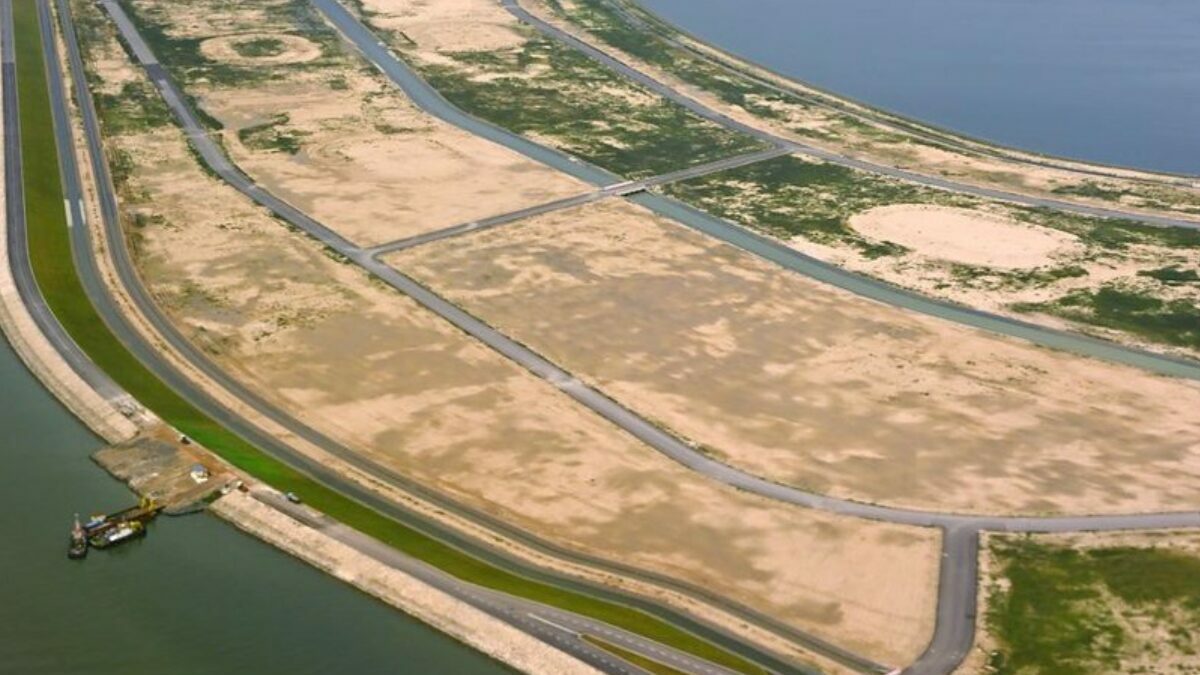
The Housing and Development Board (HDB) and Public Utilities Board (PUB) have completed the main construction works on Singapore’s first polder, creating 800 hectares of new land at Pulau Tekong. This reclaimed area, about double the size of Toa Payoh, sits 1.2 metres below mean sea level, defended by a ten-kilometre coastal dyke standing up to six metres high.
The completion of the Pulau Tekong polder project represents a subtle but significant shift in how we confront land scarcity, using a Dutch-inspired method that’s both environmentally responsible and economically sound.
Table of Contents
- What is empoldering?
- Dutch expertise meets Singapore innovation
- Engineering the water management
- Military training gets new territory
- What this means for future projects
What is empoldering?
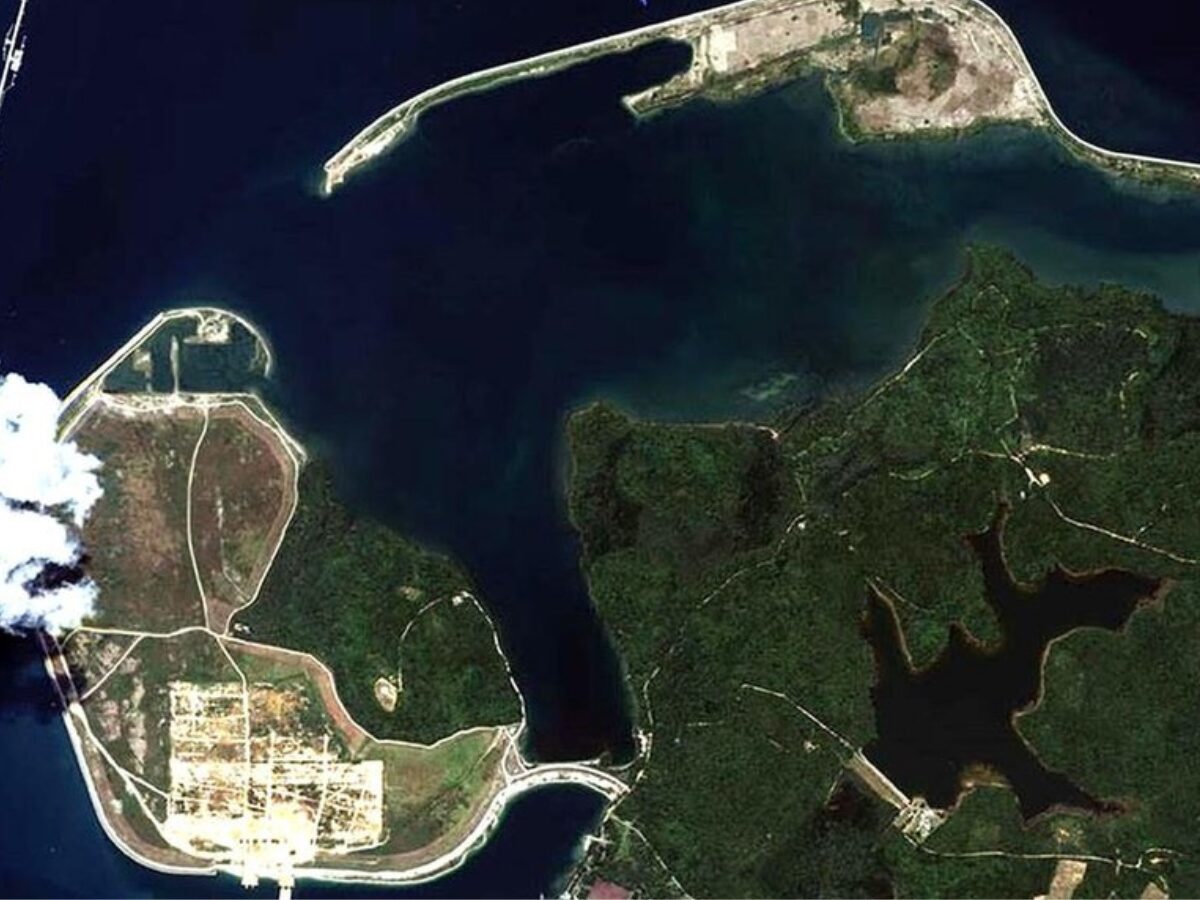
The concept comes straight from the Netherlands, where they’ve been masters at this sort of thing for centuries. Basically, polders are areas of land that sit below sea level, protected by a system of dikes, drainage networks, and pumping stations that keep the ocean from reclaiming what was once its territory.
Unlike the traditional method of reclaiming land from sea which requires vast quantities of imported sand, the polder concept cuts sand use by nearly 50%. What’s more, the project reuses over ten million cubic metres of clay excavated for creating a stormwater pond (more on this below).
This method offers a huge advantage for Singapore’s economy, which imported 14.6 million tonnes of sand in 2010 alone, ranking it the world’s largest importer. That’s not just good for the budget; it’s brilliant for sustainability too, especially when countries around us are getting increasingly protective of their sand exports.
Dutch expertise meets Singapore innovation
We did not embark on the polder experiment in isolation. Since 2008, HDB has worked alongside Dutch water institute Deltares, adapting centuries-old Dutch knowledge for local use. Technical advisors included Professor Kees d’Angremond, Deltares, and Royal HaskoningDHV in partnership with Surbana Jurong.
A Dutch-led environmental assessment found minimal impact on nearby marine ecosystems. The project represents a thoughtful blend of tried-and-tested European flood defences with the country’s tropical reality. The partnership focused as much on ecological stewardship as engineering prowess.
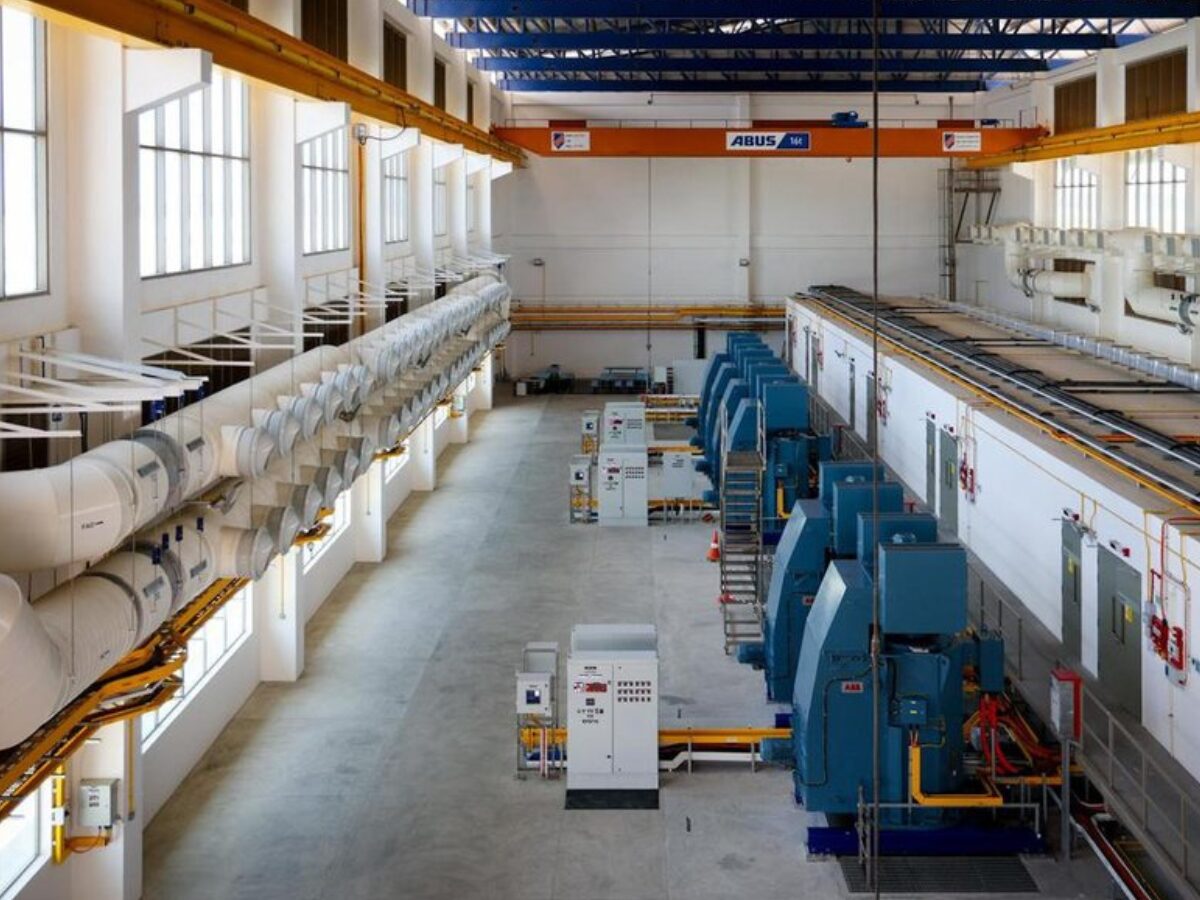
Water management was central to the project. Here’s where things get really interesting from a technology perspective. Because this land sits below sea level in a country that sees some serious rainfall, managing water becomes absolutely critical. The polder features a 45-kilometre drainage network that would make any urban planner weep with joy!
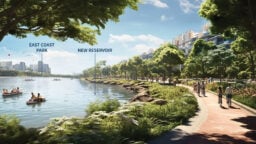
The polder’s stormwater pond covers 116 hectares and stores up to five million cubic metres of water—roughly the volume in two thousand Olympic-sized pools. When this pond fills up, two sophisticated pumping stations kick into action to channel excess water safely out to sea.
But what really sets this apart is the monitoring system. PUB has installed over 170 CCTV cameras and more than 260 sensors throughout the polder to keep tabs on everything from water levels to the structural integrity of the coastal dike. It’s all controlled remotely from both an on-site control centre and PUB’s main operations hub back on the mainland.
The dyke itself uses natural grass and stone barriers to absorb wave energy and resist erosion, meaning the defences remain robust even as seas rise or monsoons intensify. The polder tackles dual threats: rising tides and heavier rainfall. The coastal dyke is built to be raised higher as needed, future-proofing the system against sea level changes.
Military training gets new territory
The expanded polder will serve the Singapore Armed Forces, freeing up mainland land for homes and civilian amenities. Defence Minister Ng Eng Hen highlighted that the ten-kilometre extension enables more realistic and advanced training scenarios away from residential areas.
This move aligns with ongoing military modernisation. As defence needs grow more complex, having a dedicated offshore space allows for a wider range of training, benefiting both security and land use planning.
Looking for HDB homes? We got you!

 3
3
 2
2
 3
3
3
3
 3
2
3
2
 2
2
2
2
 3
3
3
3
 5
3
5
3
 2
2
2
2
 3
2
3
2
 4
3
4
3
 3
2
3
2
 3
2
3
2
 -1
-1
 4
2
4
2
 2
2
2
2
 -1
1
-1
1
 3
2
3
2
 -1
-1
 4
4
4
4
 1
1
1
1
 -1
1
-1
1
What this means for future projects
As Singapore’s population edges up and housing demand grows, the ability to unlock land in existing heartland districts can mean new BTO launches and fresh condo sites in regions once restricted by defence needs.
The polder cuts sand consumption by half using local materials. This means future developments can scale up sustainably, limiting environmental strain and reducing costs. Homebuyers would potentially benefit through infrastructure that is less exposed to resource price spikes and international supply shocks.
Our next reclaimed lands will likely step up coastal protection, with polders used for both flood prevention and water supply. Upcoming efforts such as Long Island are already planned to double as flood barriers and freshwater reservoirs, securing housing and water for generations to come. For those living along the coast, this means greater security against extreme weather and rising seas.
The polder also demonstrates Singapore’s leadership in coastal engineering. Contractors, engineering firms, and water tech companies—local and foreign—can expect growing opportunities across Asia as more cities look to Dutch-Singaporean polder expertise for their own flood-prone coasts. Investors should watch for a rising market in both “green” building materials and sophisticated water management technologies.
Finally, ordinary Singaporeans will feel the effects in cleaner, smarter urban spaces. The new Tekong polder uses over two hundred sensors and real-time monitoring to control flooding and water quality. Urban planners can now leverage this tech to protect homes, improve public safety, and even reduce insurance costs.
Prime Minister Lawrence Wong, who first announced the initiative in 2016 as Minister for National Development, visited the finished site to commemorate the achievment. Handover to PUB and the Ministry of Defence is expected soon after, transitioning the project to active use.
The Pulau Tekong polder project shows what’s possible when we pull together engineering expertise, environmental care, and long-term planning. It’s a solution built not just for today’s challenges, but for many decades to come.
About 99.co

We are a property search engine with the overarching goal of building a more transparent and efficient property market. We are working towards that future by empowering people with the tools and information needed to find a place to live in the best way possible.

Looking to sell your property?
Whether your HDB apartment is reaching the end of its Minimum Occupation Period (MOP) or your condo has crossed its Seller Stamp Duty (SSD) window, it is always good to know how much you can potentially gain if you were to list and sell your property. Not only that, you’ll also need to know whether your gains would allow you to right-size to the dream home in the neighbourhood you and your family have been eyeing.
One easy way is to send us a request for a credible and trusted property consultant to reach out to you.
Alternatively, you can jump onto 99.co’s Property Value Tool to get an estimate for free.
If you’re looking for your dream home, be it as a first-time or seasoned homebuyer or seller – say, to upgrade or right-size – you will find it on Singapore’s fastest-growing property portal 99.co.
Meanwhile, if you have an interesting property-related story to share with us, drop us a message here — and we’ll review it and get back to you.
Join our social media communities!
Facebook | Instagram | TikTok | Telegram | YouTube | Twitter



Leave a comment