Singapore has one of the highest homeownership rates in the world – 88.9% as of 2021 – remarkable in a city-state not known for cheap housing. Or cheap anything, really.
We largely have the HDB to thank for this impressive statistic. The housing board’s heavily subsidised BTO (Built-to-Order) flats put homes within reach of lower- to middle-income Singaporeans, who would otherwise find it tough to make the mortgage payments.
It makes sense that HDB enforces an income ceiling for BTO applicants. While not the most nuanced of methods, it does the job of distributing subsidised housing fairly.
BTO income ceiling in 2022: should we raise it?
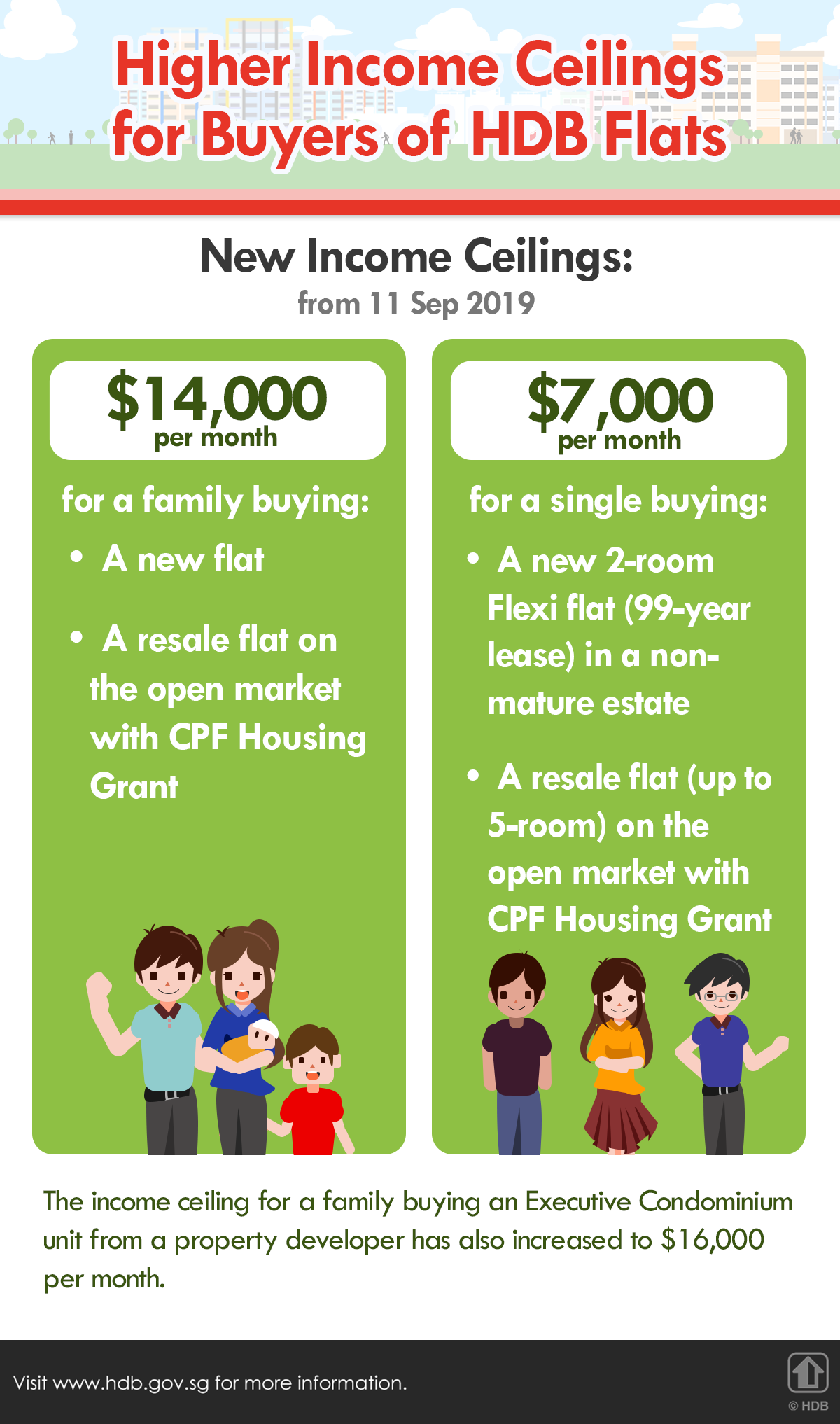
The BTO income ceiling in 2022 is currently S$14,000 for families/couples and S$7,000 for singles. This was revised from S$12,000 and S$6,000 respectively in 2019 to keep up with rising incomes and allow more Singaporeans to qualify for BTO flats.
Barely three years later, though, some suggest that BTO income ceilings should be raised once again. According to the report, raising the BTO income ceiling would encourage more high-earning couples to marry and have kids.
It’s a pretty weak case for raising the ceiling. Surely to procreate in a resale flat, EC, or private housing too? Heck, you might even know someone who’s done it. Besides, if high-income earners are also highly educated, they’re hard to make life-altering decisions based on government subsidies, anyway.
Here are 4 more reasons to NOT raise the BTO income ceiling anytime soon.
1. The median income hasn’t moved up enough
HDB usually raises the BTO income ceiling to keep pace with significant increases in our incomes – to maintain the status quo of housing about 80% of Singaporeans.
A quick look at the past couple of BTO income ceiling raises shows they correspond with double-digit growth in median income from work. Before 2011, the BTO income ceiling hadn’t been raised for 17 years, but it’s safe to assume that there was double-digit growth in wages during this period.
| Year | BTO income ceiling | Median income |
| 2011 | S$10,000 | S$3,249 |
| 2015 | S$12,000 | S$3,949 (Δ 21.5%) |
| 2019 | S$14,000 | S$4,563 (Δ 15.5%) |
Have wages risen so quickly since 2019 that it’s time for another income ceiling raise? We wish.
According to MOM, the median income for 2021 was S$4,680, about 2.6% more than the 2019 median. There’s still some way to go before we can see significant enough change to warrant a revision of the existing BTO income ceilings.
Math geeks might have noticed that the income ceiling hovers around 1.5 x median income x 2, about 1.5 times the household income of a dual-income family. Working backwards, this means we should only expect the BTO income ceiling to rise to S$16,000 when the median income hits S$5,333.
2. The BTO flat system is overloaded as it is
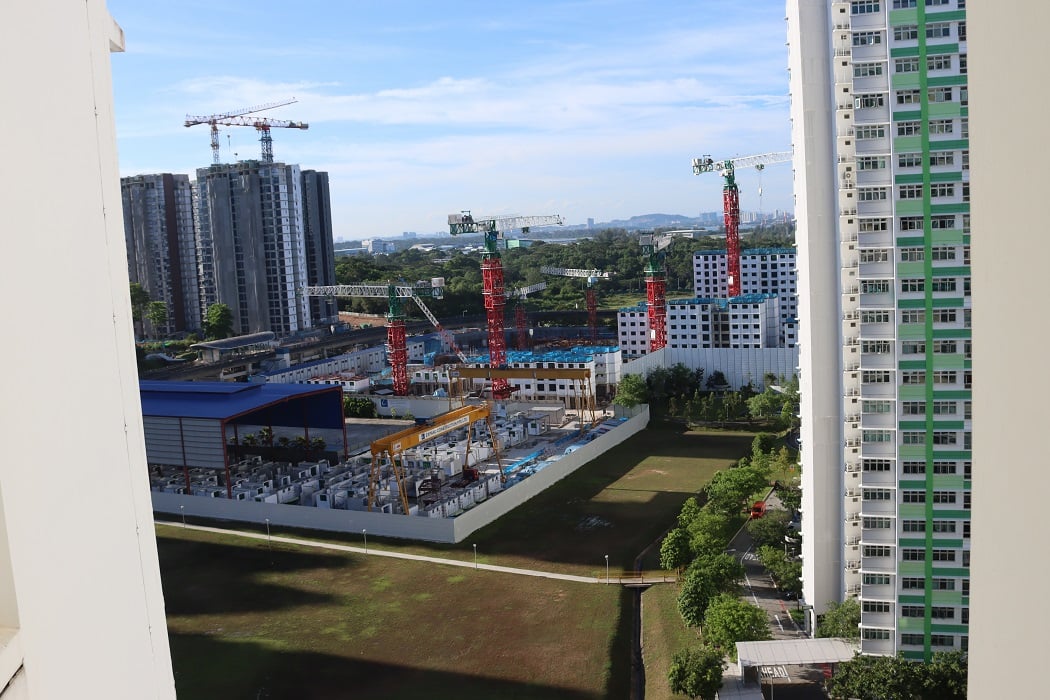
In 2018, there were 38,500 BTO flat applications. In 2019, there were 51,400. And in 2020, the number was an insane 87,800. BTO applications had more than doubled in two years!
While we’re sure HDB is working their asses off to build more flats, the BTO supply is limited by land constraints and labour. Unless Singaporeans trade in our smartphones for shovels and start volunteering at construction sites, demand for BTOs will far outstrip supply for a long time yet.
Raising the income ceilings, i.e. allowing even MORE people to ballot for BTO flats, will only worsen the problem. How long do we want the BTO waiting time to be, exactly?
There are ways to manage outsized demand for housing, but they’re not pretty. HDB can raise BTO prices, stamp duties, or other fees. But nobody wants a BTO hike on top of the GST hike – and the raised prices would need to be offset with further subsidies to keep housing affordable.
Or they can sort BTO applicants into buckets – and risk Singaporeans accusing them of playing foul. Either way, raising the BTO income ceiling will only complicate things.
3. Depriving lower-income Singaporeans of housing
Guess who’ll suffer most if we open the floodgates and allow more BTO applicants? Lower- to middle-income earners in Singapore don’t have the luxury of choice.
Earning less means you don’t get to choose between BTO vs resale vs EC. It means that, when you ballot for a BTO, it’s not just for fun or just to see if you can strike the housing lottery. The stakes are much higher. You really hope you get selected because that’s the only housing type you can afford.
Life is hard enough when you have to compete with so many overqualified applicants for a basic need: housing. Raising the BTO income ceiling will only make it worse.

4. Those who burst the BTO income ceiling have options
Assuming the S$14,000 BTO income ceiling remains, what options do you have if your combined incomes exceed this limit? Lots, actually. Take your pick from HDB resale flats, ECs, condos, and other private housing. Or go wild and rent a place, even.
If the S$14,000 ship has sailed, it might even relieve some pressure on your relationship. Unlike those who rush to get hitched and move in before they hit the income ceiling, you and your partner can explore the housing and cohabitation options at leisure.
Still fixated on a brand new BTO? HDB looks at your past 3 to 6 months’ income documents when assessing your household income, so one of you might take a lower-paying job, go freelance, or take a sabbatical before you apply. This is also an excellent way to test out a stay-at-home mom/dad arrangement if you plan to have kids later.
It’s infinitely easier for a high-income earner to earn less than a low-income earner to earn more. If you’re privileged enough to be in the former position, it’s up to you to intelligently use your advantage.
Should HDB raise the BTO income ceiling? Let us know in the comments section below.
If you found this article helpful, 99.co recommends checking out You busted the HDB income ceiling. Now What? and Editor’s Column: MP’s proposal to remove BTO income ceiling is anti-Singaporean. Here’s why.
About Clara Lim


Looking to sell your property?
Whether your HDB apartment is reaching the end of its Minimum Occupation Period (MOP) or your condo has crossed its Seller Stamp Duty (SSD) window, it is always good to know how much you can potentially gain if you were to list and sell your property. Not only that, you’ll also need to know whether your gains would allow you to right-size to the dream home in the neighbourhood you and your family have been eyeing.
One easy way is to send us a request for a credible and trusted property consultant to reach out to you.
Alternatively, you can jump onto 99.co’s Property Value Tool to get an estimate for free.
If you’re looking for your dream home, be it as a first-time or seasoned homebuyer or seller – say, to upgrade or right-size – you will find it on Singapore’s fastest-growing property portal 99.co.
Meanwhile, if you have an interesting property-related story to share with us, drop us a message here — and we’ll review it and get back to you.
Join our social media communities!
Facebook | Instagram | TikTok | Telegram | YouTube | Twitter




Dun raise.. Else we lower income won’t be able to compete with the mefian n higher grp to get a roof over us. If their incone are on the higher side, they shd go for EC n private.
It’s not about median income. It’s about the price of BTO and EC that are climbing so fast, it is becoming less affordable. Without a minimum income of 14,000 or 16,000, it’s taxing to afford a 4/5-room BTO or 3/4-BR EC in some locations anyway.
Looking at median income in isolation is pointless if you don’t also take into account the fact that your SGD has already been devalued hard by the rise of crypto and equity markets over the last 2 years.