Table of contents
- Current construction market landscape
- Factors influencing construction costs
- Construction demand and output
- Major public and private sector projects
- Government initiatives and enhancements
- Performance assessment and industry transformation
- Conclusion
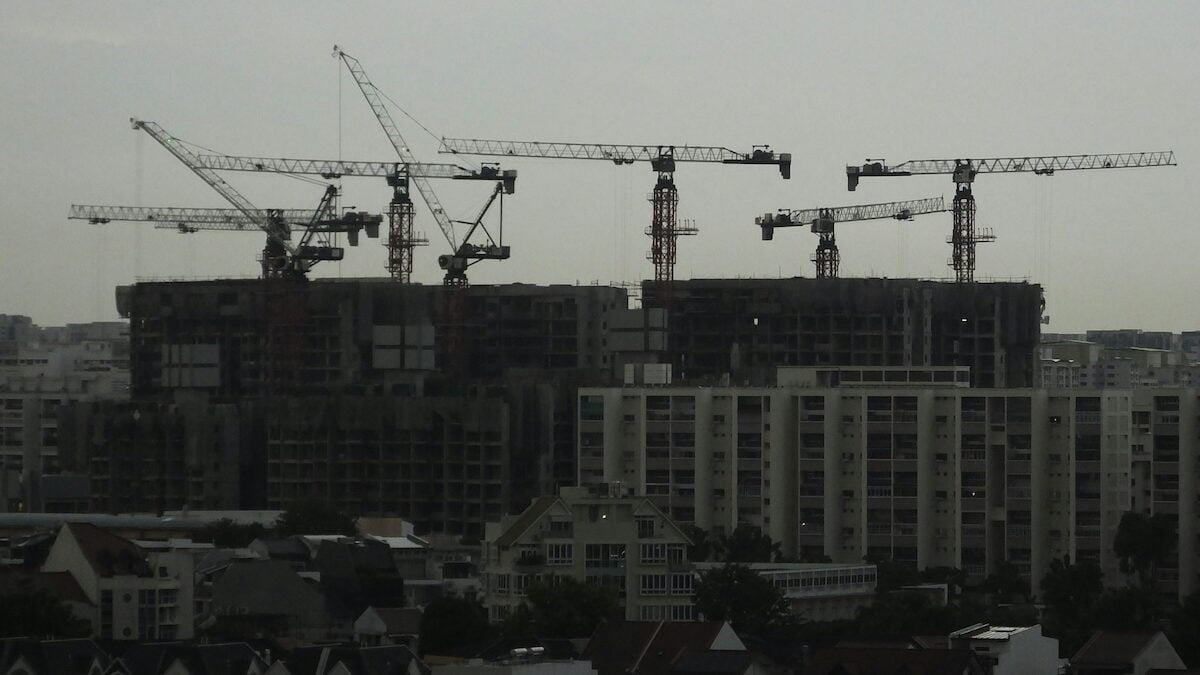
In Singapore, understanding construction costs is essential for developers, contractors, and stakeholders in the industry. With many projects in progress and more expected in the future, staying informed about current trends is important. This article explores the factors that influence construction costs, the current market landscape, and government initiatives that are shaping the sector.
Current construction market landscape
According to recent data, Singapore is ranked as the fourth-most expensive construction market in Asia and the 37th globally. This high cost is attributed to factors such as a shortage of skilled labour and high material costs.
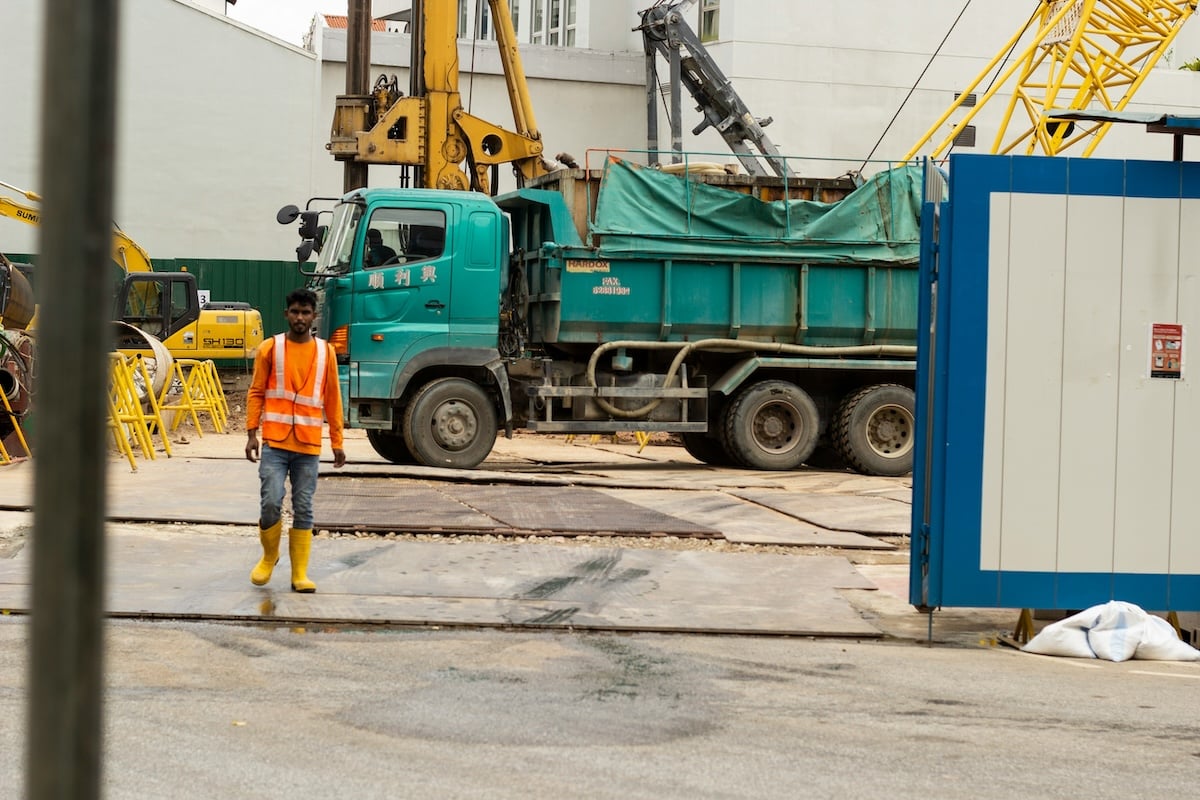
In comparison, Tokyo, Hong Kong, and Macau have higher construction costs, with Tokyo being the most expensive city globally. The average cost of construction in Singapore is approximately US$2,079 per square meter.
Factors influencing construction costs
Skilled labour shortage
The shortage of skilled labour is a significant factor contributing to rising construction costs in Singapore. This shortage has resulted in higher labour costs, especially in the mechanical and electrical work sectors.
Read this: Manpower crunch in the construction sector: What’s the situation so far
As a result, tender prices are expected to remain volatile, with an expected increase of 10-15%.
High material costs
The prices of key construction materials have experienced significant increases because of global supply chain disruptions and high demand. For example, the cost of steel bars increased by 36.2%, and cement by 6% from December 2020 to June 2021.
These trends are consistent with observations in other global markets.
Construction demand and output
2023 performance
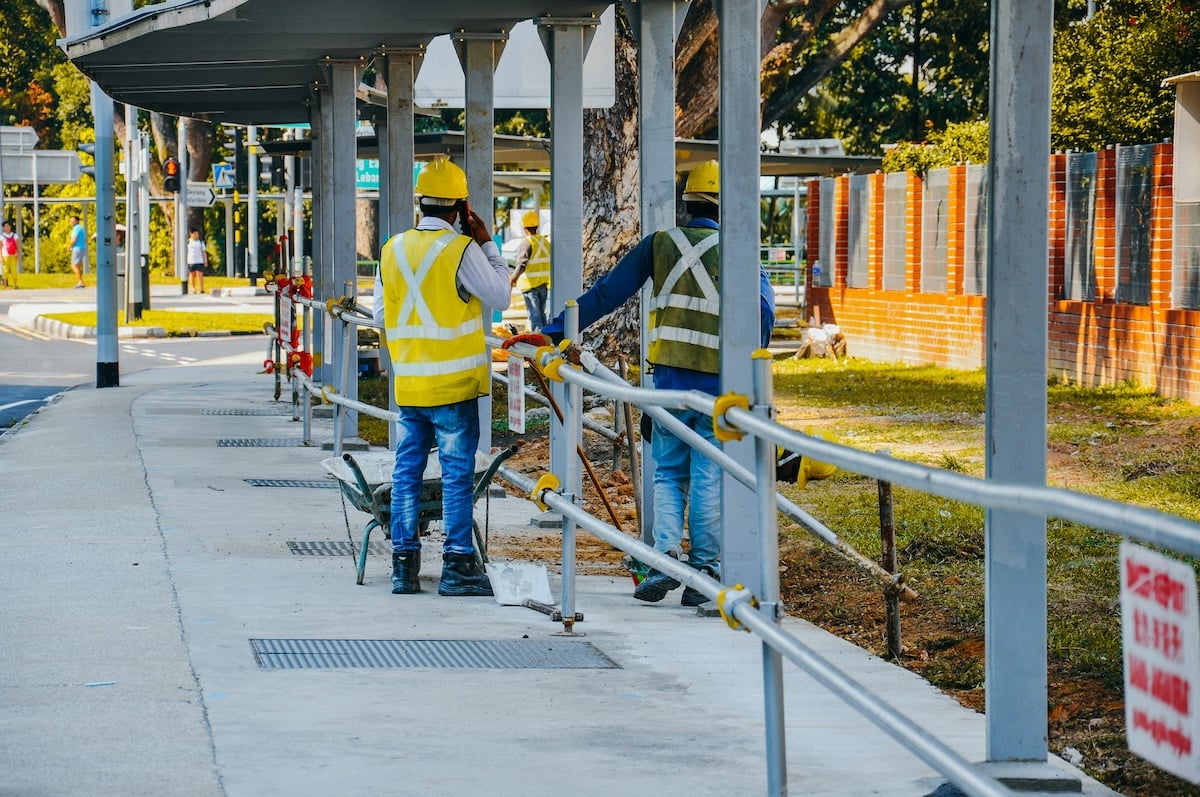
In 2023, Singapore witnessed the awarding of construction contracts worth $33.8 billion, exceeding the initial forecast range of $27 billion to $32 billion. This increase was attributed to higher tender prices, accelerated contract awards for private residential projects, and an escalation of public housing projects.
2024 forecast
In 2024, the Building and Construction Authority (BCA) anticipates a range of $32 billion to $38 billion in construction contracts. It is projected that the public sector will account for approximately 55% of this demand. This is attributed to major projects including new Build-To-Order flats, the Cross Island MRT Line, and infrastructure works for Changi Airport Terminal 5.
Read this: Full list of BTO projects hitting MOP in 2024/2025 & Our top picks near the MRT
Medium-term outlook (2025-2028)
Between 2025 and 2028, the annual construction demand is projected to range from $31 billion to $38 billion. Public sector projects are expected to make substantial contributions, with expected investments of $19 billion to $23 billion per year.
Notable developments during this period include the expansion of the Downtown Line to Sungei Kadut, the redevelopment of Alexandra Hospital, and the construction of a new integrated hospital in Bedok.
Major public and private sector projects
Public sector projects in 2024
Key public sector projects planned for 2024 include the construction of new Build-To-Order flats, contracts for the second phase of the Cross Island MRT Line, infrastructure works for Changi Airport Terminal 5, and the development of Tuas Port.
These projects underscore the government’s commitment to enhancing public infrastructure.
Private sector projects in 2024
In 2024, private sector demand is expected to arise from various sources such as residential developments under the Government Land Sales (GLS) programme, expansion of the two integrated resorts, redevelopment of commercial premises, and the development of mixed-use properties and industrial facilities.
Government initiatives and enhancements
Transforming the built environment sector
The Singapore government is transforming the built environment sector by emphasising higher productivity and sustainability standards. Collaborative contracting is being promoted to manage risks and additional costs, including those arising from pandemics.
Standard Consultancy Agreement (SCA) review
In collaboration with industry associations and consultancy firms, the government has reviewed the Standard Consultancy Agreement (SCA) to provide clearer definitions of service scope, ensure fair and timely remuneration with the ability to request fee adjustments and achieve a more balanced allocation of risk.
These enhancements aim to foster healthier practices between public sector developers and consultants.
Quality Fee Method (QFM) enhancements
The Quality Fee Method (QFM) framework for public sector consultancy tenders is being enhanced to place greater emphasis on quality. This includes more merit-based short-listing and increased differentiation in quality scores. These enhancements are expected to be implemented later in 2024.
Performance assessment and industry transformation
Consultant performance assessment
Government entities that handle procurement will assess consultants involved in public sector projects every six months. Consultants will receive a performance score out of 100 points. Firms scoring below 50 points will be temporarily suspended from tendering for public sector projects for three months. This initiative aims to ensure high standards and accountability within the sector.
Call to private developers
Private developers should adopt the public sector’s standard provisions for collaborative contracting. Although these changes might initially lead to higher costs and cause process adjustments, they are essential for the industry’s long-term transformation. Embracing these practices will create a more resilient, dynamic, and innovative sector, ultimately benefiting all stakeholders in the long run.
Conclusion
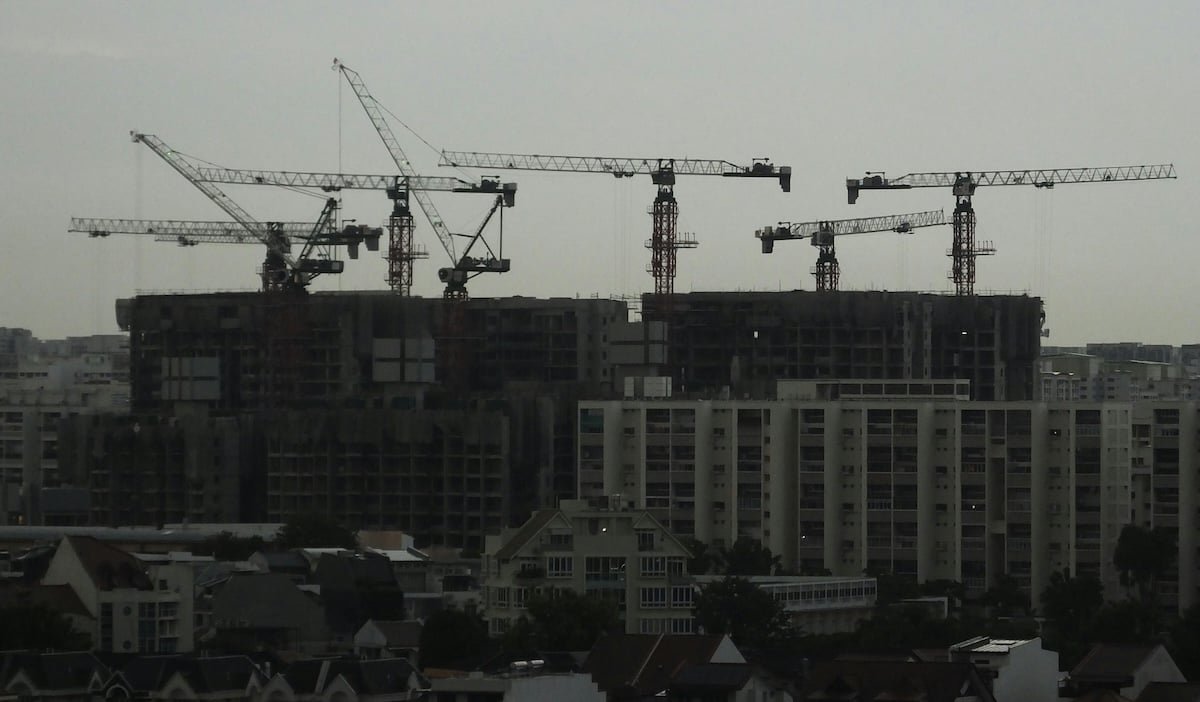
In conclusion, the construction industry in Singapore is dealing with high costs, a shortage of skilled labour, and volatile tender prices. With government initiatives focused on sustainability and productivity, the sector is expected to experience growth and transformation. Staying informed and adapting to these changes is important for all stakeholders in the market.
By understanding these trends and leveraging the provided insights, industry players can better prepare for future challenges and opportunities. Singapore’s construction sector is expected to remain a crucial part of its economic growth, driven by public and private sector projects that will influence the nation’s built environment in the coming years.
This article is a product of 99.co and is based on information gathered from various sources, including The Straits Times, The Business Times, and mti.gov.sg, Construction Plus Asian, and Arcadis. These sources are used in good faith to provide valuable insights. The source of the referenced content is duly credited and we recommend readers refer them for a comprehensive understanding of the topic. 99.co is not responsible for errors, omissions, or consequences from using this information.

About Azhann Rosmin

Azhann Rosmin is a writer who has 6 years of professional forte. He specialises in writing about real estate and lifestyle topics. His coverage mostly focuses on HDBs, condos, BTOs, and landed houses while also favouring topics of food, nightlife, and technology. He has worked in multiple writing positions that include cryptocurrency, fintech, e-commerce, fashion, and cosmetics. Azhann graduated with a bachelor's degree in Applied Linguistics and also writes poetry.

Looking to sell your property?
Whether your HDB apartment is reaching the end of its Minimum Occupation Period (MOP) or your condo has crossed its Seller Stamp Duty (SSD) window, it is always good to know how much you can potentially gain if you were to list and sell your property. Not only that, you’ll also need to know whether your gains would allow you to right-size to the dream home in the neighbourhood you and your family have been eyeing.
One easy way is to send us a request for a credible and trusted property consultant to reach out to you.
Alternatively, you can jump onto 99.co’s Property Value Tool to get an estimate for free.
If you’re looking for your dream home, be it as a first-time or seasoned homebuyer or seller – say, to upgrade or right-size – you will find it on Singapore’s fastest-growing property portal 99.co.
Meanwhile, if you have an interesting property-related story to share with us, drop us a message here — and we’ll review it and get back to you.
Join our social media communities!
Facebook | Instagram | TikTok | Telegram | YouTube | Twitter




Leave a comment