Table of contents:
- Understanding Singapore’s living costs
- Housing and accommodation
- Daily living expenses
- Food and dining
- Healthcare and insurance
- Education and childcare
- Employment and salaries
- Lifestyle and recreation
- Making the most of your money in Singapore
- Conclusion
Singapore is a renowned global destination famous for its exceptional standard of living, strong economy, and diverse cultural heritage. This island city-state attracts people worldwide, including expatriates and professionals, who want to participate in its dynamic business landscape and experience its first-class amenities.
Nevertheless, along with its many advantages, Singapore is also known for its high cost of living, which can be crucial for those considering moving or travelling to the country.
Warm-up reading: Navigating the waves: Singapore’s Cost-of-Living Support Package and its impact on the real estate market
If you are considering moving to Singapore, it’s essential to understand the everyday expenses you will face. Whether you are moving for work, retirement, or education, knowing the financial landscape is crucial in making an informed decision.
This guide provides a comprehensive overview of the costs of living in this Southeast Asia city-state, from housing to healthcare and beyond. By the end, you will have a better idea of what to expect and be better prepared to make a smart move.
Understanding Singapore’s living costs
Singapore ranks as one of the more expensive cities globally, often compared to metropolises like New York City, London, and Sydney. The city-state’s high cost of living is reflected in its accommodation costs, lifestyle choices, and even everyday necessities, which can be substantially higher than in many Western countries.
The Singapore Dollar (SGD), the local currency, plays a critical role in these costs, affecting everything from grocery prices to rent.
For expatriates, managing money involves budgeting and smart currency conversion. While banks offer convenience, they often incorporate hefty fees or unfavourable exchange rates in their services.
Alternative services such as Wise (formerly known as TransferWise) are recommended for their lower fees and more favourable rates that mirror those found on Google. These services ensure expatriates and travellers can maximise their financial resources in Singapore.
Housing and accommodation
If you are planning to move to Singapore, you will need to consider the cost of housing, especially in the central areas like Orchard and River Valley. Expatriates often live in these areas, as they are close to work and offer high-end amenities. However, because of their desirability and centrality, rental prices in these areas are quite high. Let’s put up a chart to show this:
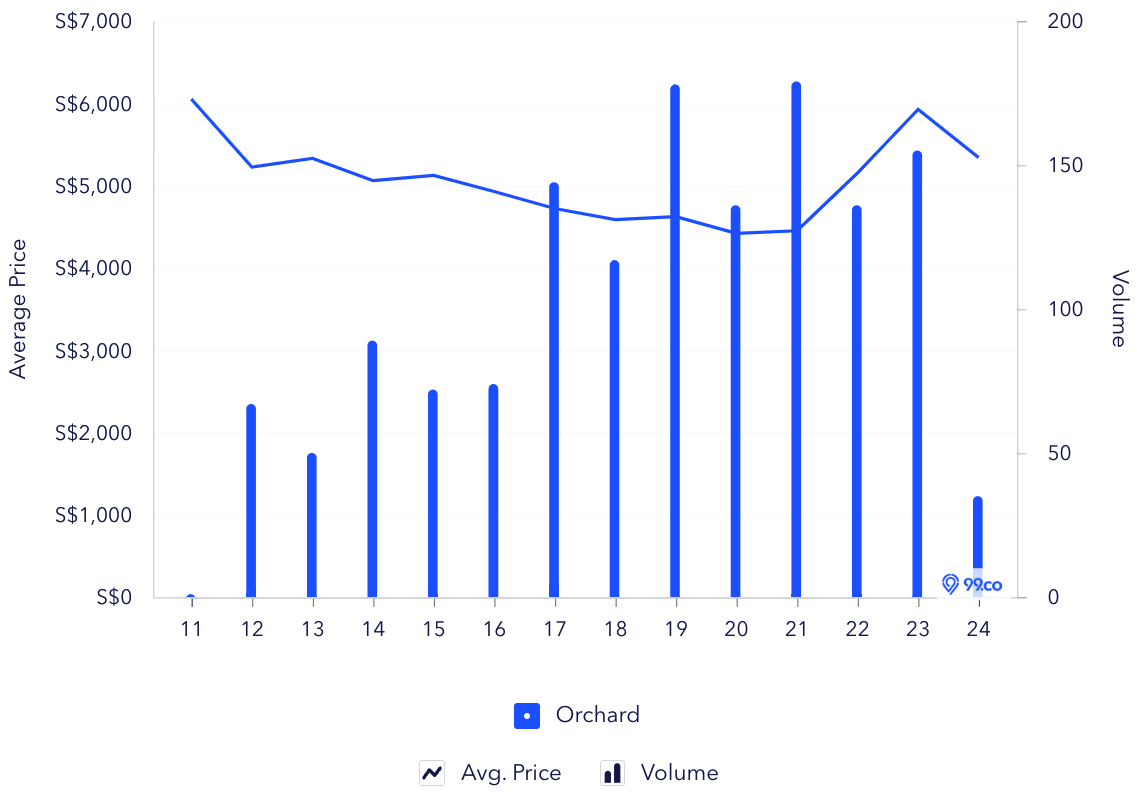
For example, renting a one-bedroom apartment in the city centre can cost up to S$5,341 per month, a significant expense for most people. Planning your budget and considering your options before deciding regarding accommodation in Singapore is essential.
If you are looking for affordable rental options in Singapore, consider exploring regions outside of the central districts. The North and East regions, Woodlands and Tampines as well as suburban areas, offer lower rental prices compared to the city centre. These options are popular among expatriates who want to balance accessibility with affordability.
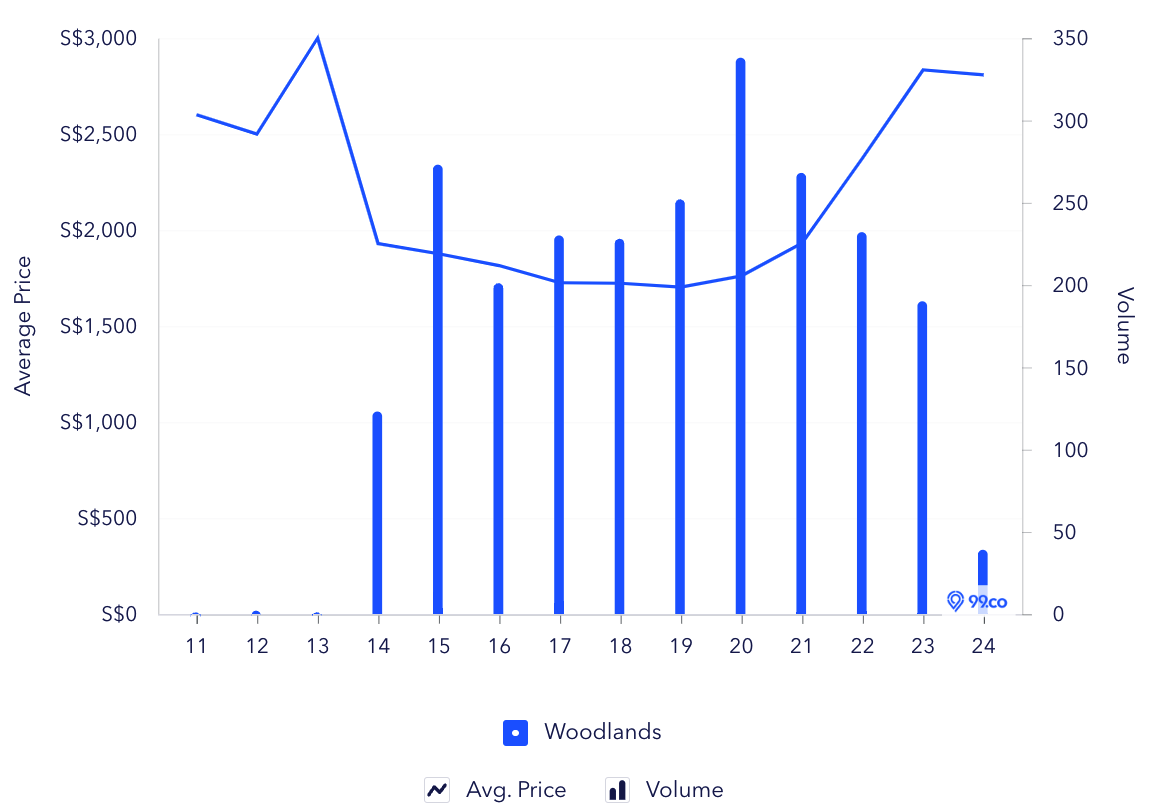
By choosing to live in these areas, you can save considerable money on rent without compromising location and lifestyle. For instance, renting a one-bedroom apartment outside the city centre can cost around S$2,808 per month, significantly less expensive than renting a similar apartment in the city centre.
Properties to look at

 1
1
 1
1
 4
5
4
5
 -1
1
-1
1
 4
4
4
4
 4
5
4
5
 -1
2
-1
2
 4
3
4
3
 4
5
4
5
 4
6
4
6
 4
4
4
4
 2
2
2
2
 4
5
4
5
 3
3
3
3
 3
4
3
4
 4
6
4
6
 1
1
1
1
 4
6
4
6
 2
2
2
2
 2
2
2
2
 2
2
2
2
 0
1
0
1
 3
4
3
4
 -1
1
-1
1
 4
4
4
4
 4
5
4
5
 2
2
2
2
 2
2
2
2
 2
2
2
2
 2
2
2
2
 0
1
0
1
 4
6
4
6
 -1
0
-1
0
 4
3
4
3
 2
2
2
2
 1
1
1
1
 3
3
3
3
 4
3
4
3
 4
3
4
3
 3
3
3
3
 2
2
2
2
 4
5
4
5
 3
3
3
3
 4
5
4
5
 4
4
4
4
 1
1
1
1
 4
4
4
4
 5
5
5
5
 3
3
3
3
 3
3
3
3
 1
1
1
1
 -1
-1
 4
5
4
5
 4
5
4
5
 4
5
4
5
 1
1
1
1
 6
4
6
4
 0
1
0
1
 3
3
3
3
 3
3
3
3
 3
2
3
2
 -1
-1
 4
4
4
4
 3
3
3
3
 2
2
2
2
 -1
-1
 -1
-1
 -1
1
-1
1
 4
3
4
3
 1
1
1
1
 5
4
5
4
 -1
1
-1
1
 3
2
3
2
 -1
-1
 -1
-1
 -1
-1
 1
1
1
1
 -1
1
-1
1
 4
3
4
3
 -1
-1
 -1
-1
 -1
-1
 -1
-1
 -1
-1
 -1
-1
 -1
-1
 -1
-1
 -1
-1
 -1
-1
 -1
-1
 -1
-1
 -1
-1
 -1
-1
 3
3
3
3
 -1
-1
 1
1
1
1
 -1
-1
 1
1
1
1
 -1
-1
 3
2
3
2
 3
3
3
3
 -1
1
-1
1
 -1
-1
 2
2
2
2
 -1
-1
 2
2
2
2
 -1
-1
 -1
-1
 2
2
2
2
 -1
1
-1
1
 5
4
5
4
 4
2
4
2
 2
1
2
1
 -1
1
-1
1
 4
3
4
3
 -1
-1
 -1
-1
 3
3
3
3
 -1
1
-1
1
 3
3
3
3
 2
2
2
2
 3
2
3
2
 3
3
3
3
 -1
1
-1
1
 -1
-1
 2
2
2
2
 -1
-1
 -1
-1
 0
1
0
1
 -1
1
-1
1
 2
2
2
2
 -1
-1
 -1
1
-1
1
 3
2
3
2
 3
2
3
2
 -1
1
-1
1
 -1
-1
 -1
-1
 -1
-1
 -1
-1
 -1
-1
Daily living expenses
If you plan to live in Singapore, it’s important to consider various daily expenses besides rent to prepare a realistic budget. According to Numbeo, a single person’s monthly living expenses, excluding rent, usually amount to around S$1,502.3. This figure includes costs for necessities like utilities, transportation, groceries, and other miscellaneous items.
It’s worth noting that these expenses may vary depending on one’s personal habits and lifestyle choices. Therefore, it’s essential to consider all these expenses while budgeting to ensure a comfortable living experience in Singapore.
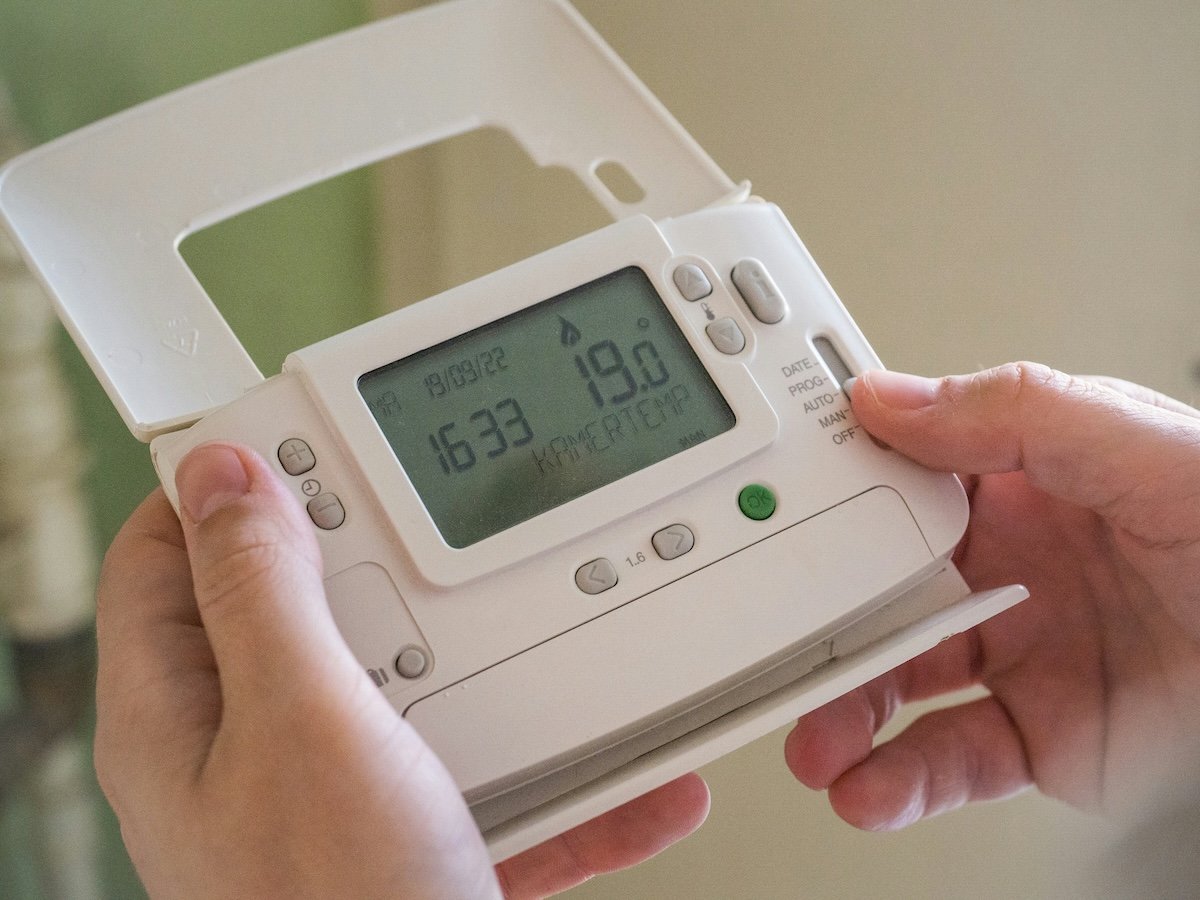
In Singapore, utility costs can vary based on usage. Electricity bills are often higher because of the demand for air conditioning in the country’s tropical climate. Water and gas expenses also add up, and a small apartment’s average monthly utility bill can be around S$202.67.
Therefore, it is crucial to budget intelligently for these essential services to ensure that expatriates and locals can manage their monthly expenses effectively.
Additional reading: SP utilities guide 2024 – Quick guide to setting up utilities in Singapore for your new home
Food and dining
Singapore is a food lover’s paradise, with a diverse range of culinary options throughout the city. From world-renowned hawker centres serving authentic Singaporean cuisine to high-end restaurants offering gourmet meals, there’s something for everyone.
If you want to experience local flavours and save money, food courts, and hawker centres are the perfect choice. These venues offer delicious meals at affordable prices, with dishes ranging from S$4 to S$15, making them an excellent option for budget-conscious travellers.
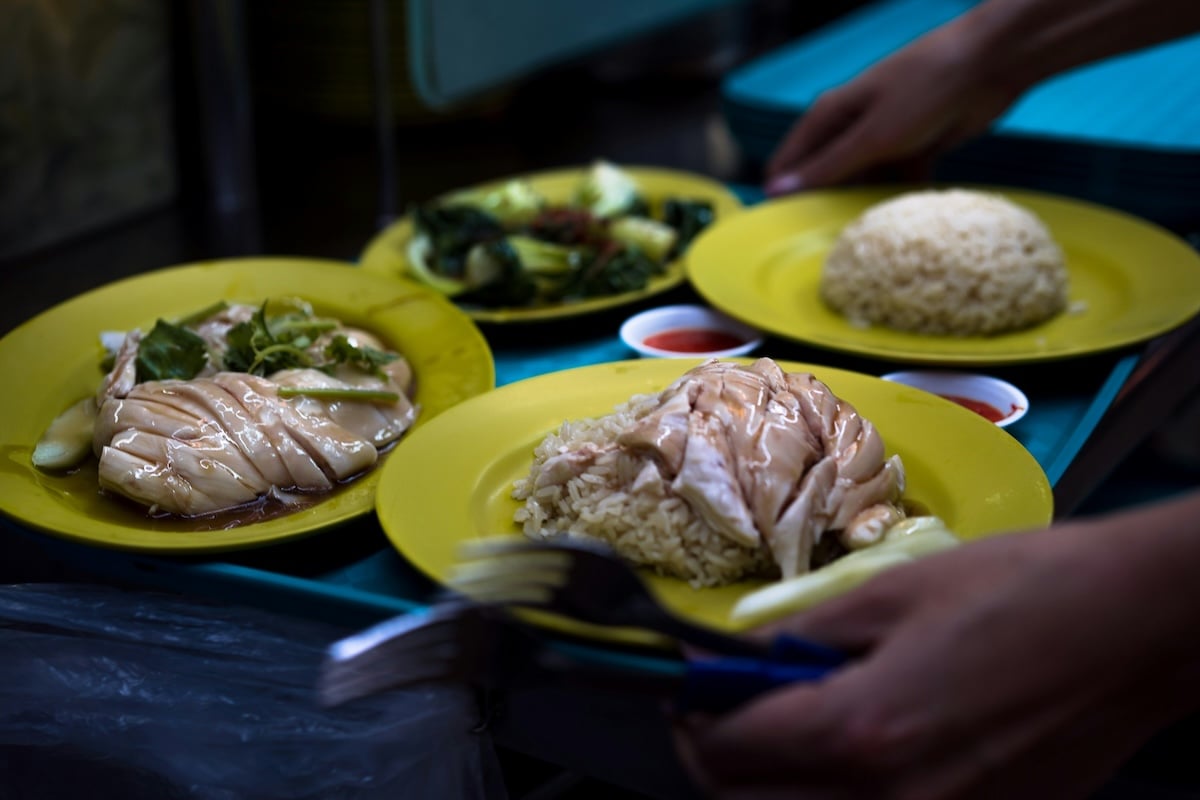
In addition, there is a diverse range of dining options to suit different budgets and preferences. While mid-range to upscale restaurants provide occasional indulgences, prices can be significantly higher, with a three-course meal for two costing around S$92.5 on average and even more at upscale establishments.
It is advised to balance these dining options with more budget-friendly choices to fully enjoy Singapore’s culinary offerings without overspending.
Healthcare and insurance
Singapore has established a reputation for its superior healthcare system, is recognised for its high-quality and efficient services, and is consistently ranked among the best in Asia and the world. Despite the high quality of healthcare services, the cost of healthcare can be substantial, particularly for expatriates who do not have access to the subsidised services available to permanent residents.
For example, without insurance, a visit to a family doctor can cost an average between S$39 and S$59, and the costs can be much higher for specialised care.

If you are planning to move to Singapore as an expatriate, it is highly advised that you secure a comprehensive health insurance plan to cover any potential medical expenses. It’s important to note that premiums and plans can vary, but having coverage for minor and major medical procedures can help you avoid financial strain.
Given Singapore’s high standard of medical services, investing in good health insurance is a wise decision for anyone living there. By doing so, you can ensure that you have access to the best medical care without worrying about the costs involved.
Education and childcare
In Singapore, education is crucial and requires a significant financial commitment, particularly for expatriates who prefer private or international schools. While these institutions provide top-notch educational standards, their annual fees can start at S$30,000, making them quite expensive.
The decision to choose between local schools, which are relatively cheaper, and international schools often depends on the duration of stay and the specific academic requirements of the children.

Childcare and preschool programs can be a great option for younger children. However, the cost of these programs can vary depending on the quality and range of services provided. For parents considering enrolling their children in a reputable preschool, monthly fees can average around S$1,492.
This makes early childhood education a significant investment. Therefore, families must plan these expenses carefully and weigh the benefits of high-quality education against their other financial priorities.
Some more reading: Private schools in Singapore: A pricey path to prestige?
Employment and salaries
Singapore boasts a thriving job market that offers competitive salaries commensurate with the city’s high cost of living. The pay scale in Singapore is generally high, which helps balance living expenses in a vibrant urban environment.
For instance, a financial analyst can earn an average of S$73,126 annually, while a software engineer can earn around S$85,512 annually.

If you plan on moving to Singapore or becoming a resident, it is important to do your research and understand the salary expectations for your particular profession.
With this knowledge, you can negotiate a salary that not only covers your living expenses but also provides enough for a comfortable lifestyle while considering any other financial commitments and goals you may have. This research can ensure a successful transition to living and working in Singapore.
Lifestyle and recreation
Singapore is a great place to live if you enjoy recreational activities. Enjoy high-end mall shopping or explore the local parks and nature reserves. While some activities can be expensive, many free or low-cost options offer great opportunities for relaxation and leisure without putting a strain on your wallet.
Singapore offers public sporting facilities and well-maintained parks, making it easy to maintain an active lifestyle.

Singapore offers a variety of cultural and entertainment activities, such as cinema, theatre, and concerts. The prices of these activities are comparable to those of other major cities worldwide. For instance, on weekdays, a standard movie ticket costs around S$11, while on weekends, it costs around S$15.
However, special formats such as IMAX or 3D can be more expensive. It is important to balance costly activities with more affordable or free options to make the most of what Singapore offers without overspending.
Making the most of your money in Singapore
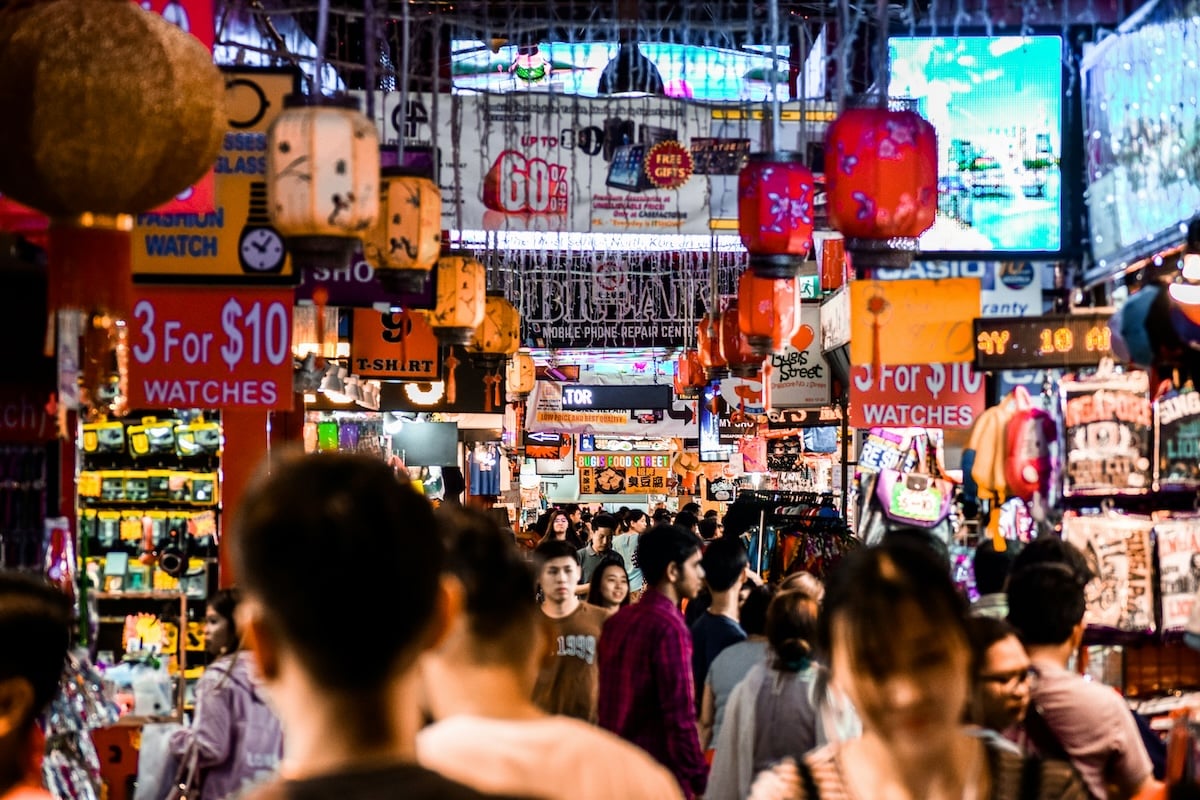
Living in Singapore can be quite pricey, but there are several ways to manage your expenses and make the most of your money. For instance, shopping at local markets and eating at hawker centres can significantly reduce your daily expenses. Additionally, the city-state boasts an efficient public transportation system that is affordable and environmentally friendly.
Moreover, you can save a lot of money in the long run by keeping an eye out for promotions and discounts that are frequently available across various sectors, from retail to services. By adopting these local habits and making smart choices, you can relish your time in Singapore without worrying about exceeding your budget.
Living in Singapore can be a fulfilling experience for both expatriates and locals. However, it’s essential to have access to financial planning tools and resources to manage your finances effectively.
With the right knowledge, you can learn where to shop for groceries, how to commute efficiently and find affordable leisure activities. By understanding these aspects, you can make a living in Singapore a manageable and enjoyable experience.
To convince you a little bit more: 20 reasons to make Singapore your home
Wrapping it up
Singapore is a vibrant and exciting place to live, but it can also be expensive. To fully enjoy the benefits of this city-state, it’s important to understand and manage the costs involved. Whether you are an expatriate or a resident, making informed financial decisions is essential.
This means taking advantage of local dining options, choosing the best transportation options, and selecting appropriate healthcare and education services. By strategically managing expenses, you can make the most of your time in Singapore and ensure a fulfilling and sustainable lifestyle.
Disclaimer: This information is intended solely for general informational purposes. 99.co makes no claims or guarantees regarding the accuracy, completeness, or suitability of the information, including, but not limited to, any assertion or assurance regarding its appropriateness for any specific purpose, to the maximum extent allowed by law. Despite all efforts to ensure that the information presented in this article is current, reliable, and comprehensive at the time of publication, it should not be used as the sole basis for making financial, investment, real estate, or legal decisions. Furthermore, this information is not a replacement for professional advice tailored to your unique personal circumstances, and we disclaim any responsibility for decisions made using this information.
About Azhann Rosmin

Azhann Rosmin is a writer who has 6 years of professional forte. He specialises in writing about real estate and lifestyle topics. His coverage mostly focuses on HDBs, condos, BTOs, and landed houses while also favouring topics of food, nightlife, and technology. He has worked in multiple writing positions that include cryptocurrency, fintech, e-commerce, fashion, and cosmetics. Azhann graduated with a bachelor's degree in Applied Linguistics and also writes poetry.

Looking to sell your property?
Whether your HDB apartment is reaching the end of its Minimum Occupation Period (MOP) or your condo has crossed its Seller Stamp Duty (SSD) window, it is always good to know how much you can potentially gain if you were to list and sell your property. Not only that, you’ll also need to know whether your gains would allow you to right-size to the dream home in the neighbourhood you and your family have been eyeing.
One easy way is to send us a request for a credible and trusted property consultant to reach out to you.
Alternatively, you can jump onto 99.co’s Property Value Tool to get an estimate for free.
If you’re looking for your dream home, be it as a first-time or seasoned homebuyer or seller – say, to upgrade or right-size – you will find it on Singapore’s fastest-growing property portal 99.co.
Meanwhile, if you have an interesting property-related story to share with us, drop us a message here — and we’ll review it and get back to you.
Join our social media communities!
Facebook | Instagram | TikTok | Telegram | YouTube | Twitter




Leave a comment