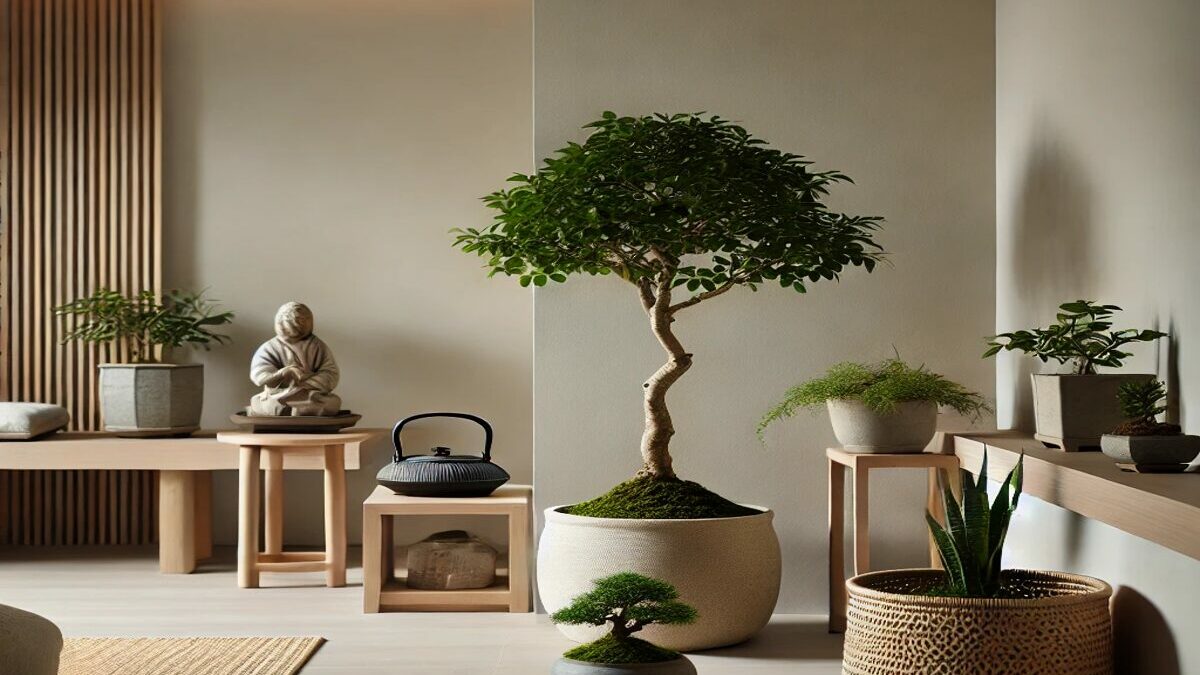
The combination of Japanese minimalism and Scandinavian warmth in Japandi interior design is gaining popularity among homeowners in Singapore. The fast-paced urban environment has sparked an increase in the popularity of Japandi style, which offers a harmonious blend of tranquillity, functionality, and aesthetics in home design.
Japandi is an ideal choice for Singapore’s urban lifestyle, blending sleek design, eco-friendly materials, and soothing colours in a space-conscious manner.
This article delves into incorporating Japandi interior design in your living space to establish a peaceful retreat amid urban chaos.
But before that, read this: Scandinavian interior design ideas for your home in Singapore
Table of contents:
- What is Japandi style?
- Setting the tone with neutral colours
- Embracing natural materials
- The minimalist furniture approach
- Maximising space with built-in storage
- Creating a sense of flow with open spaces
- Incorporating indoor greenery
- Playing with textures and patterns
- Balancing light and dark tones
- Creating a Zen-inspired bathroom
- Choosing art and decor mindfully
- Decluttering as a Lifestyle
- Layering for comfort and warmth
What is Japandi style?
Japandi style combines Japanese and Scandinavian design to create a balanced mix of simplicity, comfort, and functionality. Japanese decor focuses on simplicity, using natural elements and the Zen philosophy, while Scandinavian design prioritises warmth, comfort, and functional sophistication.
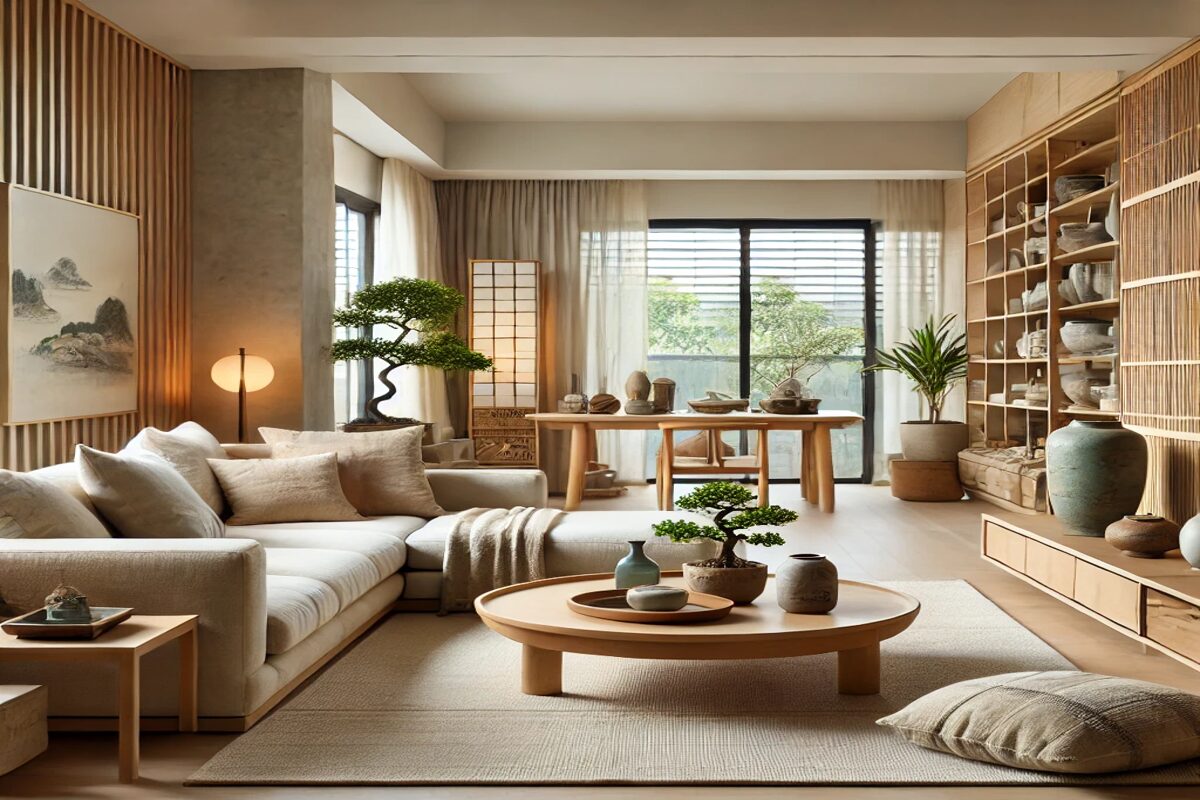
The combination of styles in Japandi is ideal for Singaporean homeowners who want a serene and organised living environment that encourages mindful living.
Here’s how to get that Japandi style for your home in Singapore:
1. Setting the tone with neutral colours
Start with a neutral colour scheme to create the Japandi aesthetic. Beige, cream, sand, and taupe are key colours in Japandi interior design, establishing a calm and minimalist ambiance. These sunglasses are great for Singapore’s hot weather because they create a cooling sensation, especially when combined with natural light.
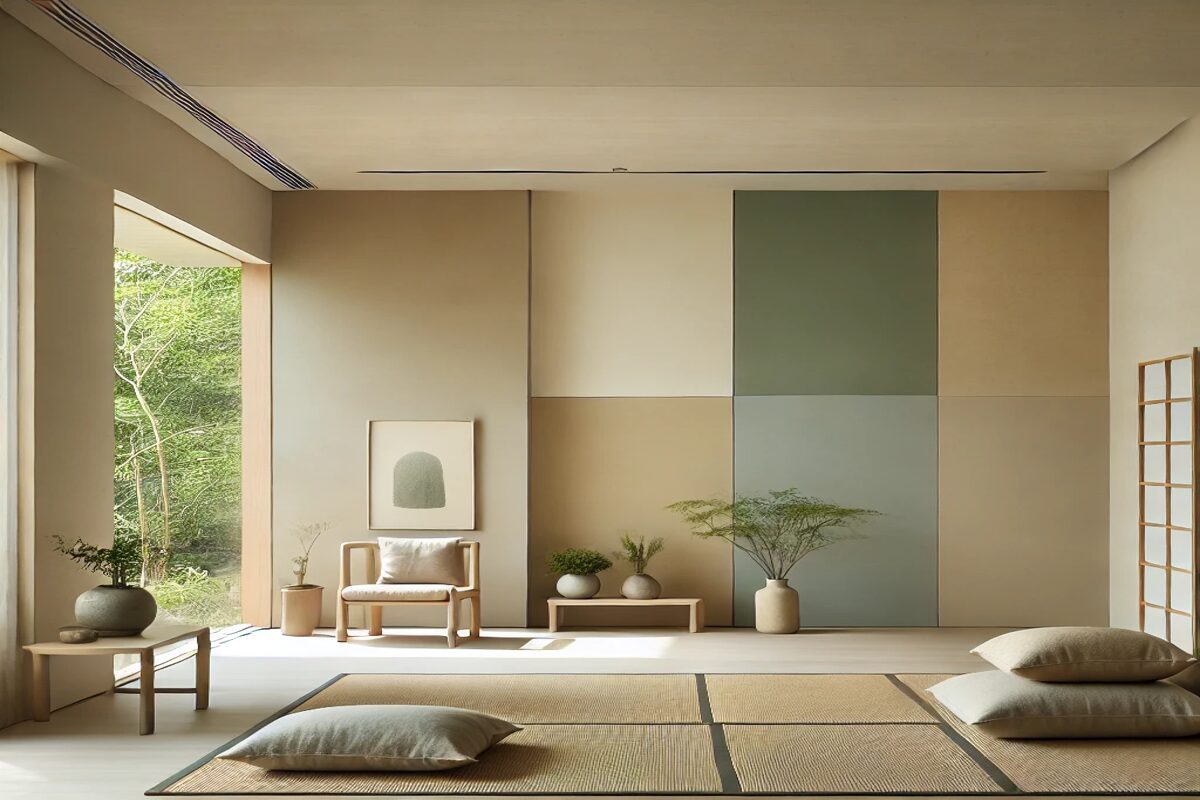
Think about using soft greens, blues, or muted greys as gentle touches to create depth and character, while still keeping the peaceful vibe of Japandi design. These coloured walls provide an ideal backdrop for natural elements and simple decorations.
2. Embracing natural materials
Japandi interior design emphasises sustainability, and using natural materials is important for achieving an eco-friendly look. Bamboo, wood, stone, and rattan are great options for materials used in Singaporean households. They not only promote sustainability but also contribute texture and warmth to the area.
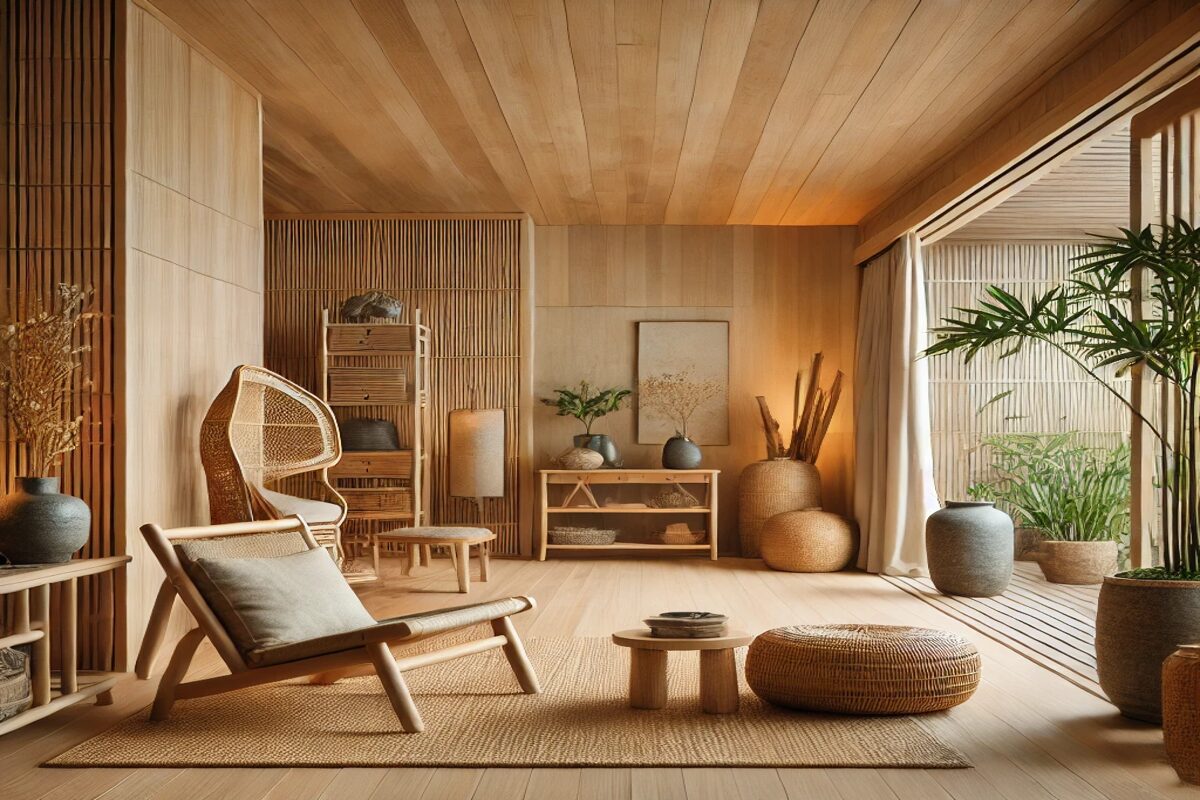
Bamboo or light wood flooring can create a natural, earthy atmosphere, while furniture crafted from solid wood offers both longevity and a classic appearance. These sustainable options are suitable for Singapore’s humid climate, providing long-lasting quality while adhering to Japandi design principles.
3. The minimalist furniture approach
The emphasis in Japandi interior design is on functional and simple furniture. Choose sleek and compact furniture that creates a serene atmosphere without occupying too much room, perfect for HDB flats and condos. Search for versatile furniture that enhances the minimalist style.
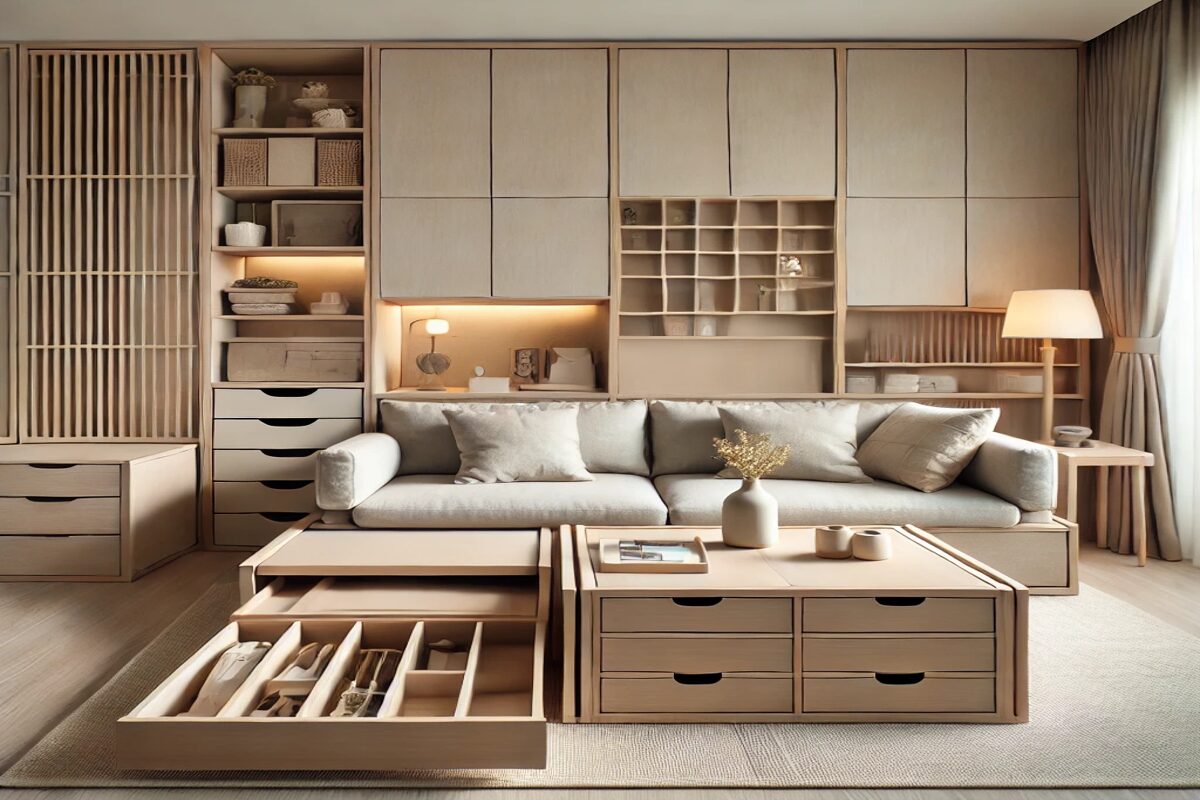
Consider a couch that also functions as a storage space or a coffee table with secret compartments. Soft, neutral tones are common in Scandinavian-inspired designs, with Japanese craftsmanship bringing durability and elegance. Combined, they form a balanced mixture that is suitable for Singapore’s small living areas.
4. Maximising space with built-in storage
The compact homes in Singapore find great advantages in the decluttering principles of Japandi. Storage options that are integrated help in keeping necessary items hidden, maintaining a neat and spacious look. Cabinets that feature smooth, handle-free designs and modular storage units are ideal for preserving a minimalist aesthetic.
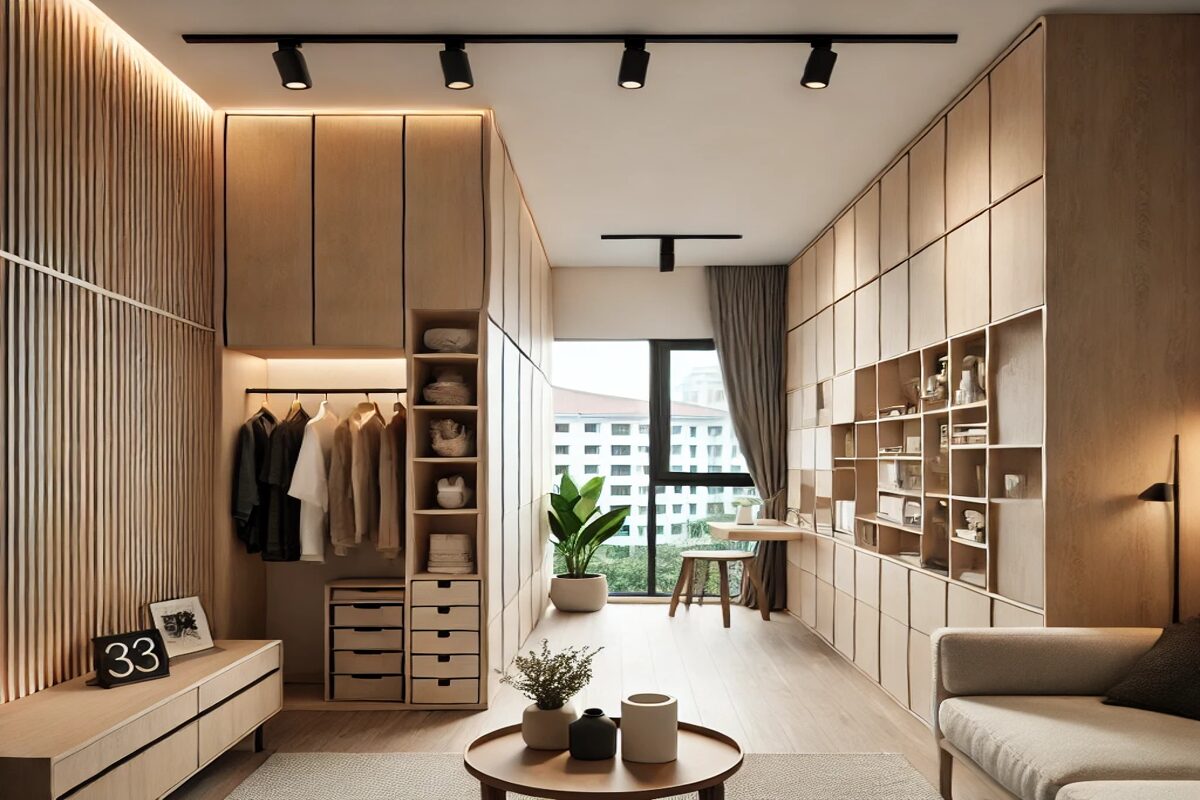
Japandi style emphasises functionality and aesthetics, so focus on storage solutions that serve both purposes effectively. This method not just boosts the Japandi style, but also helps in keeping smaller living areas tidy and cosy.
5. Creating a sense of flow with open spaces
In Japandi interiors, open layouts are common and help create a sense of flow that makes the space feel more expansive. Position the furniture in a way that promotes the free flow of movement and light in the room. Steer clear of bulky partitions or walls if you can.
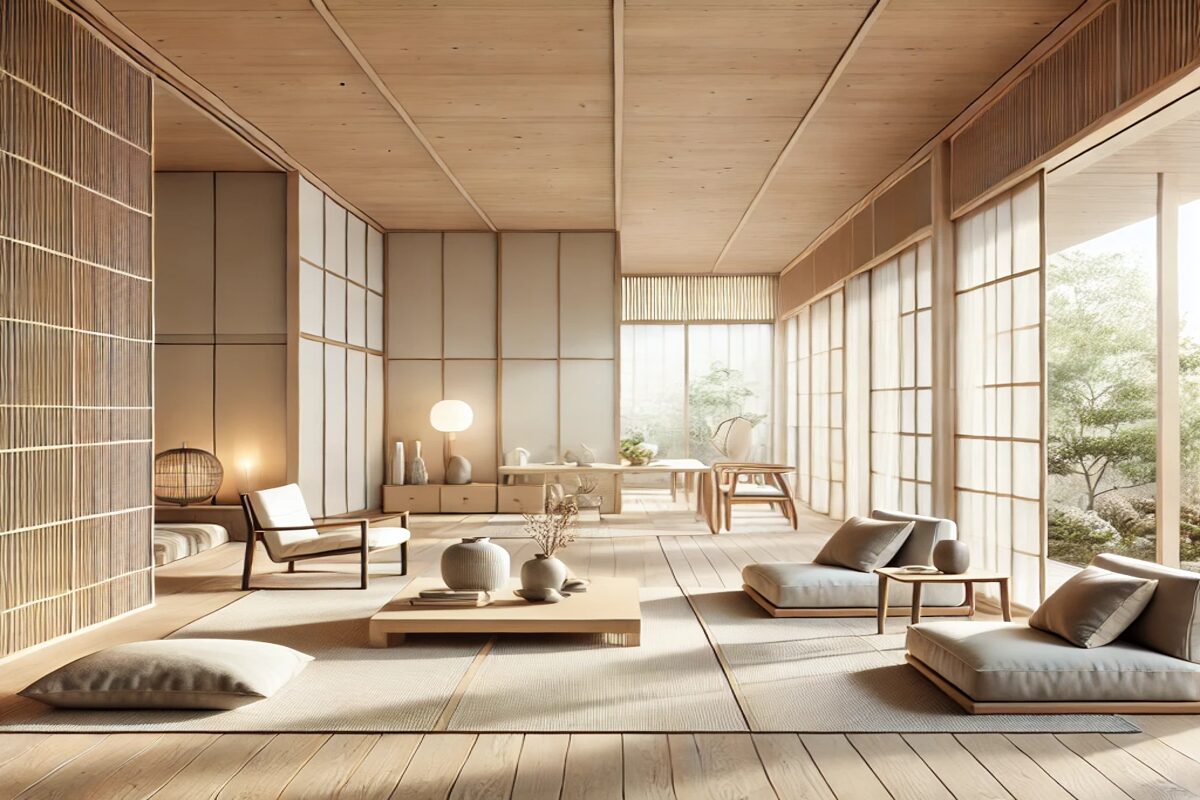
Maintain a sense of openness while ensuring privacy by using sliding doors or screens. A clean, well-lit room with natural light creates a peaceful atmosphere and elevates the Zen-inspired style of Japandi decor.
6. Incorporating indoor greenery
Plants play a vital role in Japandi style by enhancing indoor spaces, beautifying them, and purifying the air. People living in Singapore can enhance the Japandi style by bringing in low-maintenance indoor plants like bonsai, bamboo, and ferns.
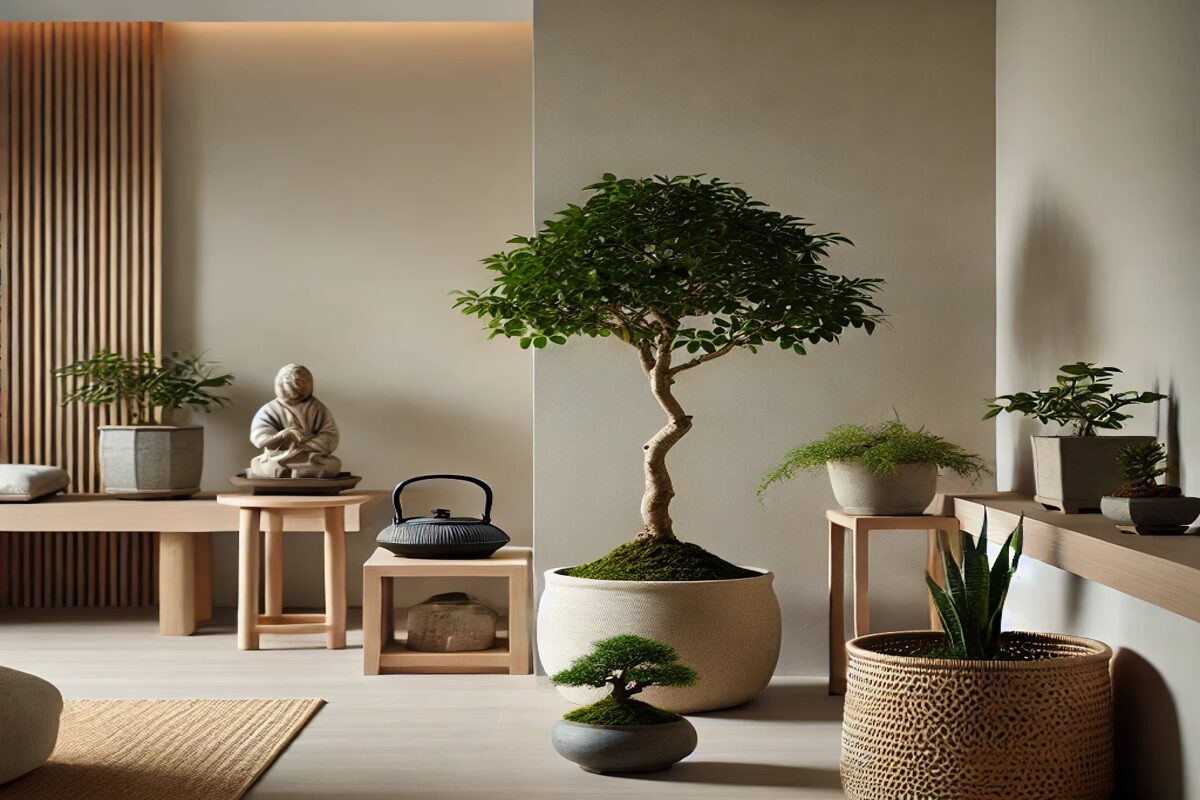
The plants add a green touch and contribute to a serene and harmonious atmosphere. Maintain the minimalist look by storing them in simple ceramic pots or woven baskets. Opt for low-maintenance plants that complement the Japandi style if you’re busy.
7. Playing with textures and patterns
Not all aspects of Japandi style have to be simple. Delicate textures and patterns enhance the visual appeal without compromising the minimalist style. Think about using linen or cotton fabrics, natural wool rugs, and wooden surfaces for a gentle contrast.
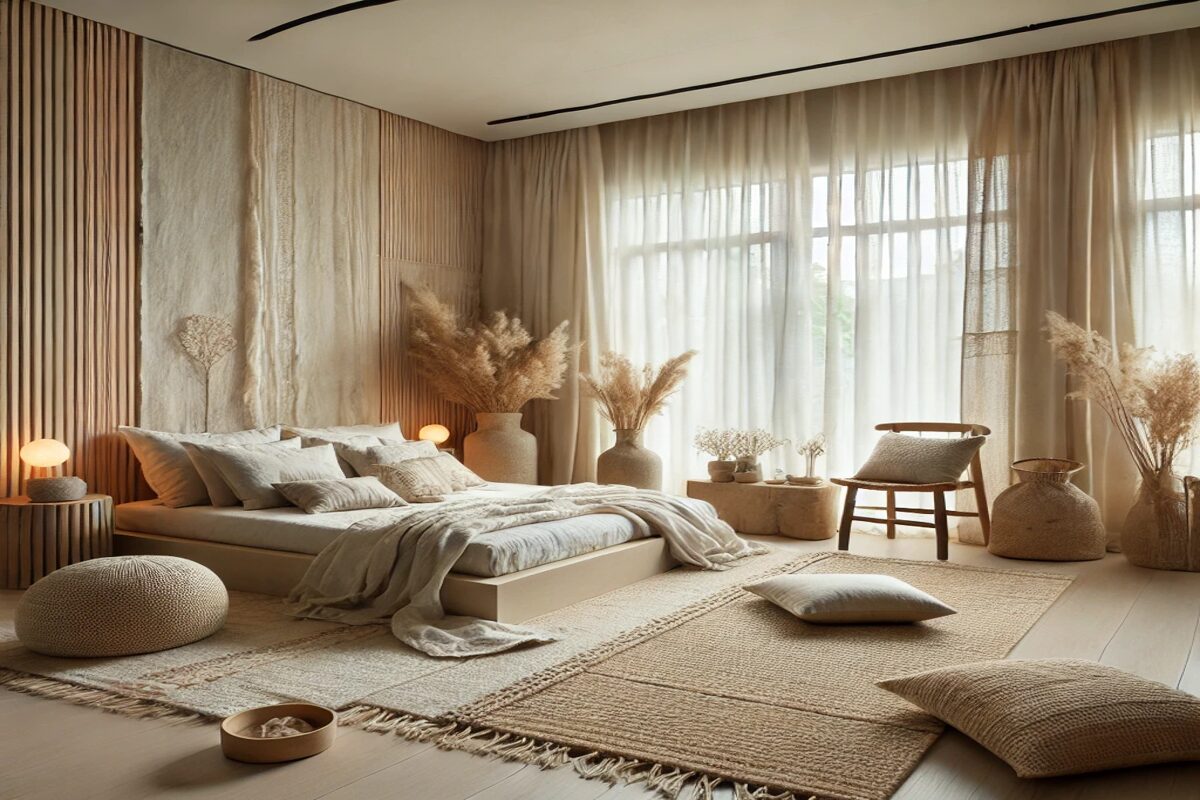
Adding light curtains, jute rugs, or soft cushions can provide the right amount of texture to avoid a stark room. In the weather of Singapore, these breathable materials offer comfort and maintain a sense of lightness and airiness in the area.
8. Balancing light and dark tones
Adding darker accents to neutral layers creates a sense of depth in Japandi décor. To enhance light-coloured walls, furniture, and textiles, consider adding small touches of black or charcoal in furniture legs, frames, or decor items. The difference brings elegance and gives a sense of stability to the room.
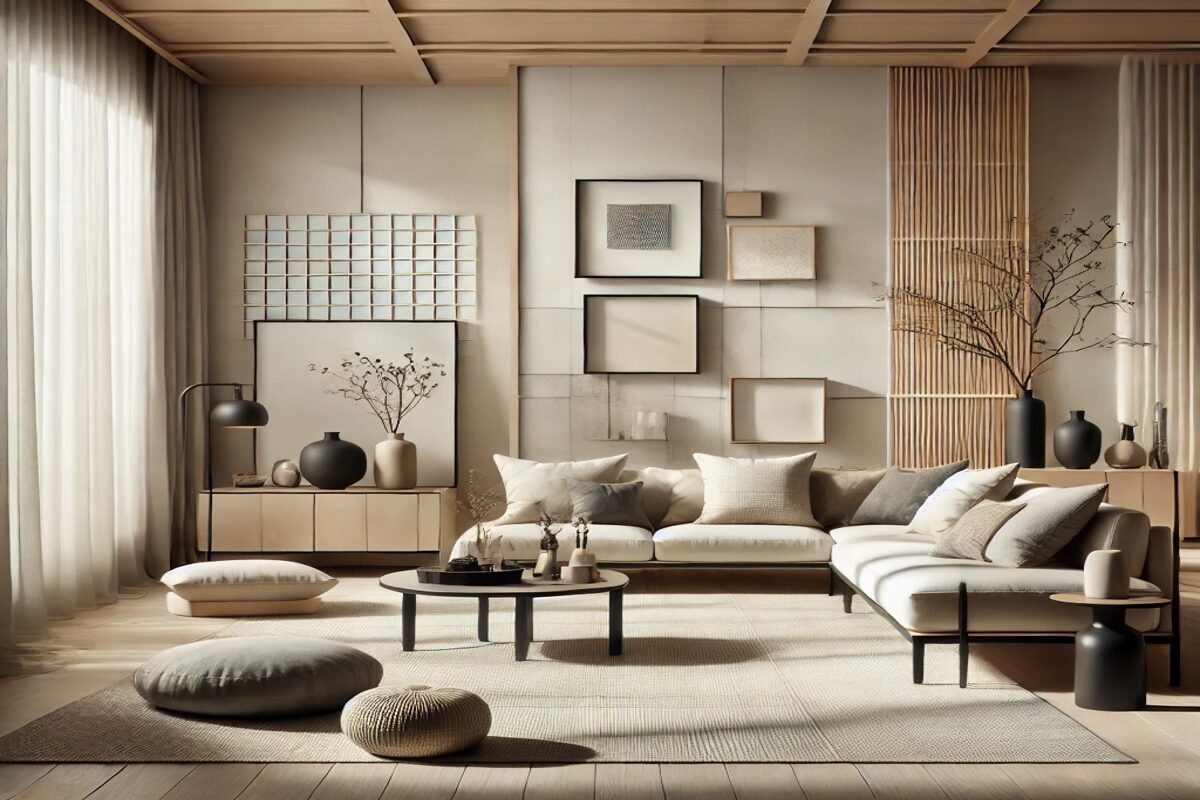
To brighten Singaporean homes during the day, opt for sheer curtains or blinds that allow natural light to filter through, casting gentle shadows and elevating the serene atmosphere of the room.
9. Creating a Zen-inspired bathroom
The design of Japandi bathrooms is often inspired by the calming atmosphere of a natural spa. Create a natural ambiance by using materials such as stone, wood, and textured ceramics. In larger spaces, a freestanding bathtub can create a luxurious centrepiece, whereas smaller areas can be enhanced by a sleek sink and basic shelves.
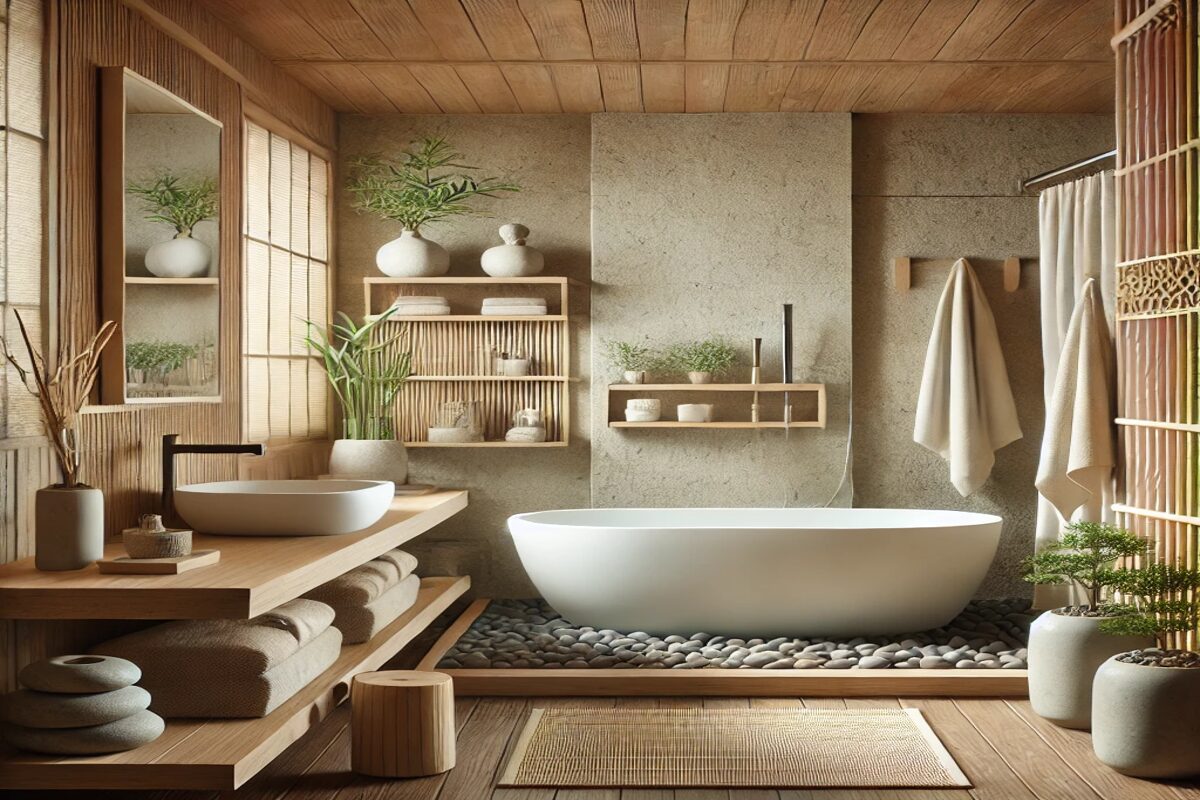
To create a spa-like ambiance, consider adding plants, bamboo accessories, or a pebble mat. The outcome is a bathroom that is both practical and rejuvenating, perfect for relaxing after a tiring day.
10. Choosing art and decor mindfully
Japandi style emphasises minimalistic decor where less is considered more. Choose decor pieces based on personal meaning or artisan craftsmanship, focusing on quality over quantity. Japanese pottery, Scandinavian ceramics, and handmade wooden items elevate the Japandi style.
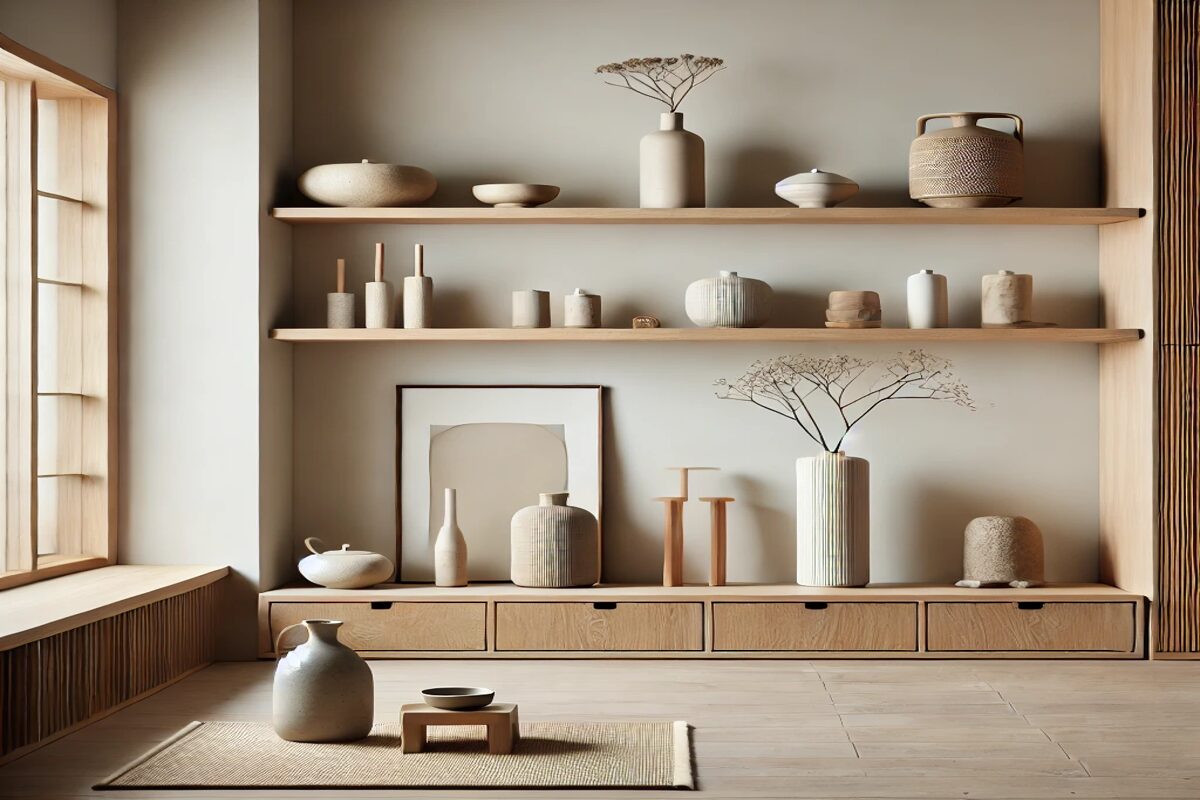
To incorporate a Singaporean flair, think about including handmade items that represent both cultures. Carefully selecting art and decorations can create a personalised and cosy atmosphere in your minimalist space.
11. Decluttering as a lifestyle
Removing clutter is crucial in Japandi interior design, which emphasises simplicity and mindfulness. Consistently review your possessions and eliminate anything that is not needed. This method not just encourages a tidy space but also complements the sustainable, purposeful lifestyle of Japandi.
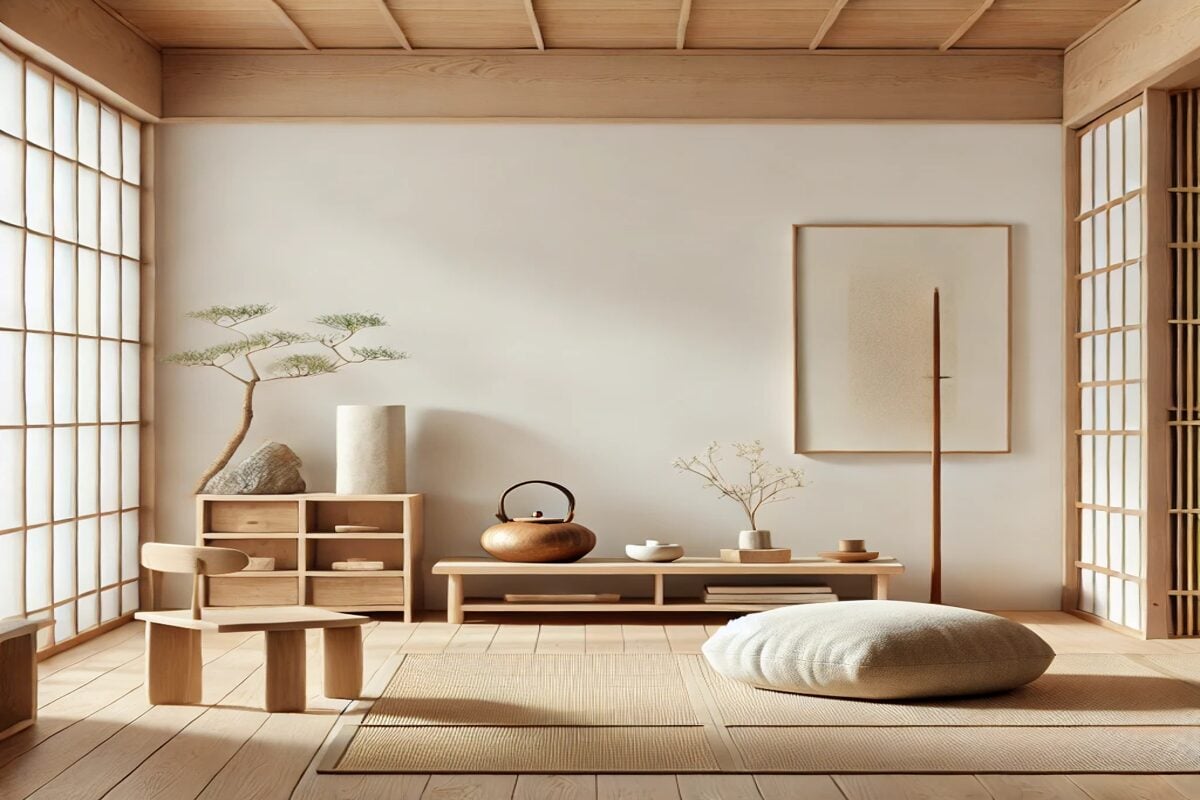
Embracing the idea of “less is more” can help you design a calm and orderly environment that improves your daily life.
12. Layering for comfort and warmth
Incorporating soft items like rugs, cushions, and blankets can make Japandi interiors feel cosy while maintaining a minimalist look. Opt for natural materials such as linen, wool, or cotton to create a welcoming ambiance without overpowering the room. By adding these elements, your home will feel warmer and more textured.
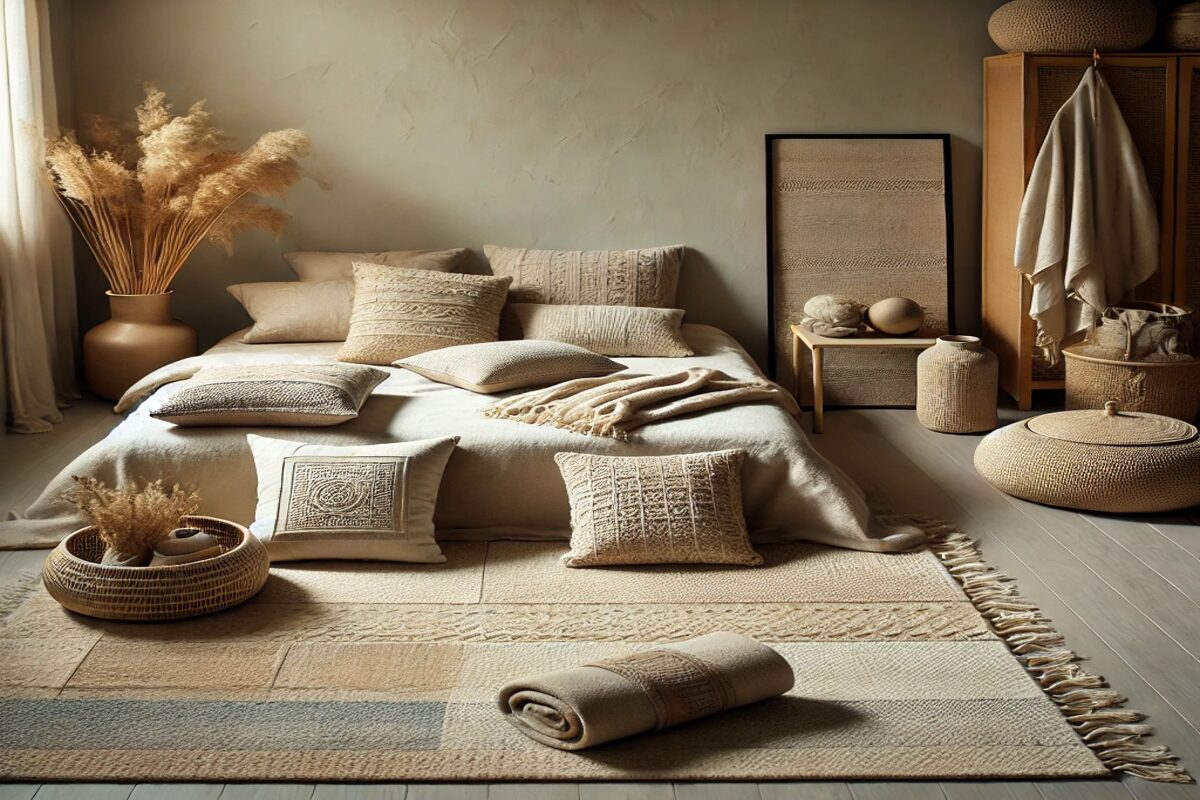
In the warm weather of Singapore, think about choosing lightweight options that provide comfort without making you feel too hot, so you can experience a cosy environment all year long.
Conclusion
The Japandi interior design style provides a harmonious and soothing look that suits homes in Singapore. Its focus on functionality, sustainability, and minimalism aligns well with contemporary lifestyles, while also establishing a tranquil environment.
Japandi interior design combines Japanese Zen and Scandinavian cosiness to create a thoughtful approach to home decor that enhances well-being. Incorporate Japandi style into your home to design a serene and attractive space that combines simplicity and comfort seamlessly.
Read this: Design Sunday: 7 sofa types to match every interior design style
Your potential next homes:

 2
2
 2
2
 4
2
4
2
 3
2
3
2
 2
2
2
2
 3
3
3
3
 3
3
3
3
 2
2
2
2
 1
1
1
1
 2
2
2
2
 2
1
2
1
 2
3
2
3
 3
2
3
2
 3
2
3
2
 1
1
1
1
 3
3
3
3
 3
2
3
2
 4
4
4
4
 2
2
2
2
 2
2
2
2
 1
1
1
1
 4
3
4
3
 2
2
2
2
 2
1
2
1
 4
3
4
3
 0
1
0
1
 4
4
4
4
 4
5
4
5
 1
1
1
1
 2
2
2
2
 2
2
2
2
 2
2
2
2
 3
2
3
2
 2
2
2
2
 3
2
3
2
 3
2
3
2
 3
1
3
1
 2
2
2
2
 2
1
2
1
 2
2
2
2
 1
1
1
1
 3
2
3
2
 2
2
2
2
 3
2
3
2
 3
2
3
2
 3
2
3
2
 2
1
2
1
 2
2
2
2
 3
2
3
2
 3
2
3
2
 4
2
4
2
 3
2
3
2
 6
4
6
4
 2
2
2
2
 3
2
3
2
 3
2
3
2
 3
2
3
2
 3
1
3
1
 3
2
3
2
 4
2
4
2
 2
2
2
2
 3
2
3
2
 3
1
3
1
 4
3
4
3
 3
2
3
2
 4
3
4
3
 3
2
3
2
 2
2
2
2
 2
2
2
2
 2
2
2
2
 3
2
3
2
Disclaimer: This information is intended solely for general informational purposes. 99.co makes no claims or guarantees regarding the accuracy, completeness, or suitability of the information, including, but not limited to, any assertion or assurance regarding its appropriateness for any specific purpose, to the maximum extent allowed by law. Despite all efforts to ensure that the information presented in this article is current, reliable, and comprehensive at the time of publication, it should not be used as the sole basis for making financial, investment, real estate, or legal decisions. This information is not a replacement for professional advice tailored to your unique personal circumstances, and we disclaim any responsibility for decisions made using this information.
About Azhann Rosmin

Azhann Rosmin is a writer who has 6 years of professional forte. He specialises in writing about real estate and lifestyle topics. His coverage mostly focuses on HDBs, condos, BTOs, and landed houses while also favouring topics of food, nightlife, and technology. He has worked in multiple writing positions that include cryptocurrency, fintech, e-commerce, fashion, and cosmetics. Azhann graduated with a bachelor's degree in Applied Linguistics and also writes poetry.

Looking to sell your property?
Whether your HDB apartment is reaching the end of its Minimum Occupation Period (MOP) or your condo has crossed its Seller Stamp Duty (SSD) window, it is always good to know how much you can potentially gain if you were to list and sell your property. Not only that, you’ll also need to know whether your gains would allow you to right-size to the dream home in the neighbourhood you and your family have been eyeing.
One easy way is to send us a request for a credible and trusted property consultant to reach out to you.
Alternatively, you can jump onto 99.co’s Property Value Tool to get an estimate for free.
If you’re looking for your dream home, be it as a first-time or seasoned homebuyer or seller – say, to upgrade or right-size – you will find it on Singapore’s fastest-growing property portal 99.co.
Meanwhile, if you have an interesting property-related story to share with us, drop us a message here — and we’ll review it and get back to you.
Join our social media communities!
Facebook | Instagram | TikTok | Telegram | YouTube | Twitter



Leave a comment