(Credits)
Whenever there are en bloc sales taking place one after the other, everyone begins asking the same questions. Does it mean my house is worth $X? Does it mean the property market is recovering? Is there a secret plot to drive up land prices? Well, we’re going to settle this once and for all, by answering your burning questions regarding en bloc sales. Let the answers begin:
-
Do back-to-back en bloc sales mean the property market is recovering?
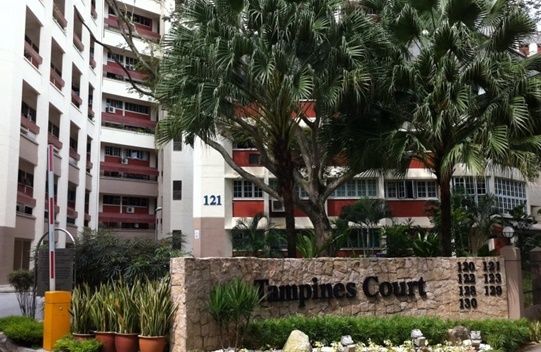
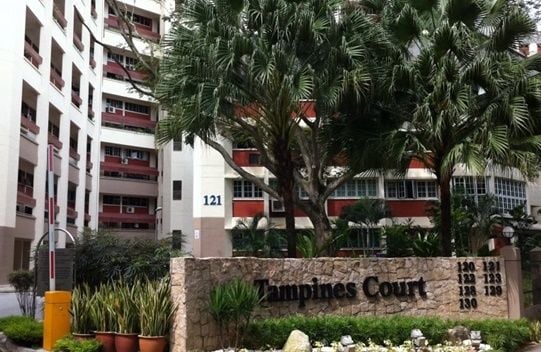
From Shunfu Ville to Tampines Court, Singapore has been seeing big en bloc sales happening one after the other. This is despite property prices being depressed since 2014, so the property market must be recovering, right?
Yes, but not in the sense this question suggests. Make no mistake, developers are confident property prices will pick up, but that’s not even the main reason why they’re still buying.
Property prices are down by around 11 per cent since their peak in 2013. But since the recovery from the Global Financial Crisis (2008/9) to its peak in 2013, property prices in Singapore have shot up by around 60 per cent. This is one of the main reasons why the Monetary Authority of Singapore (MAS) refuses to unwind cooling measures just yet.
What we’re saying is, even with prices falling the past few years, Singapore’s property market is far from being in dire straits. It’s still a lucrative market, and developers can still make a lot of money from building new condos.
The main worry, for most developers, isn’t that property is going to be unprofitable. The main worry is that there won’t be enough land to build on. There are only a limited number of government land sales, and only so many viable areas up for en bloc sales.
-
Is the high price of the en bloc exercise nearby an indication that my home’s value has also risen?
The most honest answer would be “not always”.
En bloc sales theoretically reflect on the current or potential value of the land. After all, en blocs usually happen when the property sitting on the land becomes less valuable than the land itself, due to the emergence of amenities like train stations, eateries, and so forth.
But much like when you’re determining rental incomes and resale prices, exceptions do happen. Properties across the street from each other can have widely differing values. So while nearby en bloc sales at high prices are generally a good sign, they shouldn’t be taken as clear-cut indicators that your specific property has also risen in value.
One other thing to note is the developer’s intentions. As we’ve pointed out in earlier articles, some foreign developers, such as from China, are not based purely on profit margins. Some of these developers are engaged in a branding exercise; they want to build in capitals like New York, London, Singapore, Dubai, and others to show that they have the capability to do so.
The bids from these developers may not reflect real prices, as they’re willing to accept a lower bottom line in exchange for branding.
-
All old properties in prime areas have en bloc potential, right?
In terms of numbers, yes, it would be profitable for developers to make the offer. In reality, other factors interfere.
For example, an old property may be sited on prime land, such as Peace Mansions / Peace Centre (which has been almost impossible to en bloc for the past decade). But certain zoning restrictions may prevent developers from pitching an attractive enough price. If the usable space is too limited (e.g. the developer cannot build above a certain height), the price may not be as high as you hope.
There’s also the issue of emotional attachment. In some developments, the majority of residents may simply be unwilling to move. Perhaps they’re retirees who don’t want to move to a new community, for example. In these cases, the en bloc potential exists purely in theory; there’s no way to garner enough votes for it to go through.
It’s best not to gamble on en bloc potential.
-
When will I get the money if my property goes en bloc?
It takes around one year for the transaction to be completed, assuming there are no serious interruptions. Remember that outvoted residents can still raise objections to the Strata Title Board (STB), even after the 80 or 90 per cent majority vote has been obtained. They can also still file a court appeal, if that doesn’t work. And we assure you, that’s as probable as tomorrow’s sunrise. There’s always a handful of these types.
After all this hoo-ha, and the completion of the transaction, you’ll have to wait between four to six months to get the sales proceeds.
You’ll probably need a bridging loan of some sort, if you want to move to a new place sooner.
-
Why do people keep talking about the number of other houses in the area? How does it affect the en bloc?
This has nothing to do with the price.
The more available housing there is nearby, the greater the chance of the en bloc going through. Residents who don’t want to leave that specific area have nearby alternatives, so they’re more willing to go through with the deal.
Keen to read more about en bloc sales in Singapore? Check out our past articles on the mechanics behind en bloc sales and the current en bloc fever.
About Ryan Ong


Looking to sell your property?
Whether your HDB apartment is reaching the end of its Minimum Occupation Period (MOP) or your condo has crossed its Seller Stamp Duty (SSD) window, it is always good to know how much you can potentially gain if you were to list and sell your property. Not only that, you’ll also need to know whether your gains would allow you to right-size to the dream home in the neighbourhood you and your family have been eyeing.
One easy way is to send us a request for a credible and trusted property consultant to reach out to you.
Alternatively, you can jump onto 99.co’s Property Value Tool to get an estimate for free.
If you’re looking for your dream home, be it as a first-time or seasoned homebuyer or seller – say, to upgrade or right-size – you will find it on Singapore’s fastest-growing property portal 99.co.
Meanwhile, if you have an interesting property-related story to share with us, drop us a message here — and we’ll review it and get back to you.
Join our social media communities!
Facebook | Instagram | TikTok | Telegram | YouTube | Twitter



Is there regulations or mandate that state an owner (Subsidiary Proprietor) of a MCST as a council member cannot be in the enbloc Sales committee ?
thank you
Rgds
Francis