
Are you interested in making your house greener? Well, urban farming is a great way to do it. It can add a lot more colour to your home, help the environment and might also help you save some cash on your groceries. Urban farming can also be a lot of fun to do. However, you might face several difficulties when making your first garden, especially when you do it in non-landed properties. Hence, here are some tips to make your life just that bit easier.
1. Choosing the Location
Choosing the location for your garden can be a tricky business. If you live in a condominium, the first thing you should do is check if it has planter boxes. If your building has planter boxes, you can then start placing your plants there.
However, not all buildings have planter boxes. In that case, you can go for alternative options instead. You could place the plants on the balcony, but if you do so, beware of the dangers involved. Do not place the plant in a position where it can fall out of the building, as it could injure or even kill a walking pedestrian.

If you live on a higher floor of the building, you will have the advantage of facing fewer problems with insects and pests bothering your plants. However, you might face more challenges with the wind, so you need to place your plants in a more shielded area. If you live on a lower floor, the wind would no longer be an issue, but beware as bugs and pests would bother your plants more. Hence, you need adequate insect and pest protection for your plants.
2. Protecting your Plants
The worst thing that can happen to your garden is to have it ruined after spending weeks taking care and grooming the plants. Hence, it is imperative to protect your plants adequately.
If you have any pets in the house, make sure to place your potted plants in an area where it is harder for the pets to reach. This way, you can protect your plants from any possible damage from your pets.
If your plants are placed in an area where it has direct access to the sky, make sure to put safety nets to protect it from rain. Otherwise, when a downpour happens, it may drench your plant and cause it to wither due to over-watering.
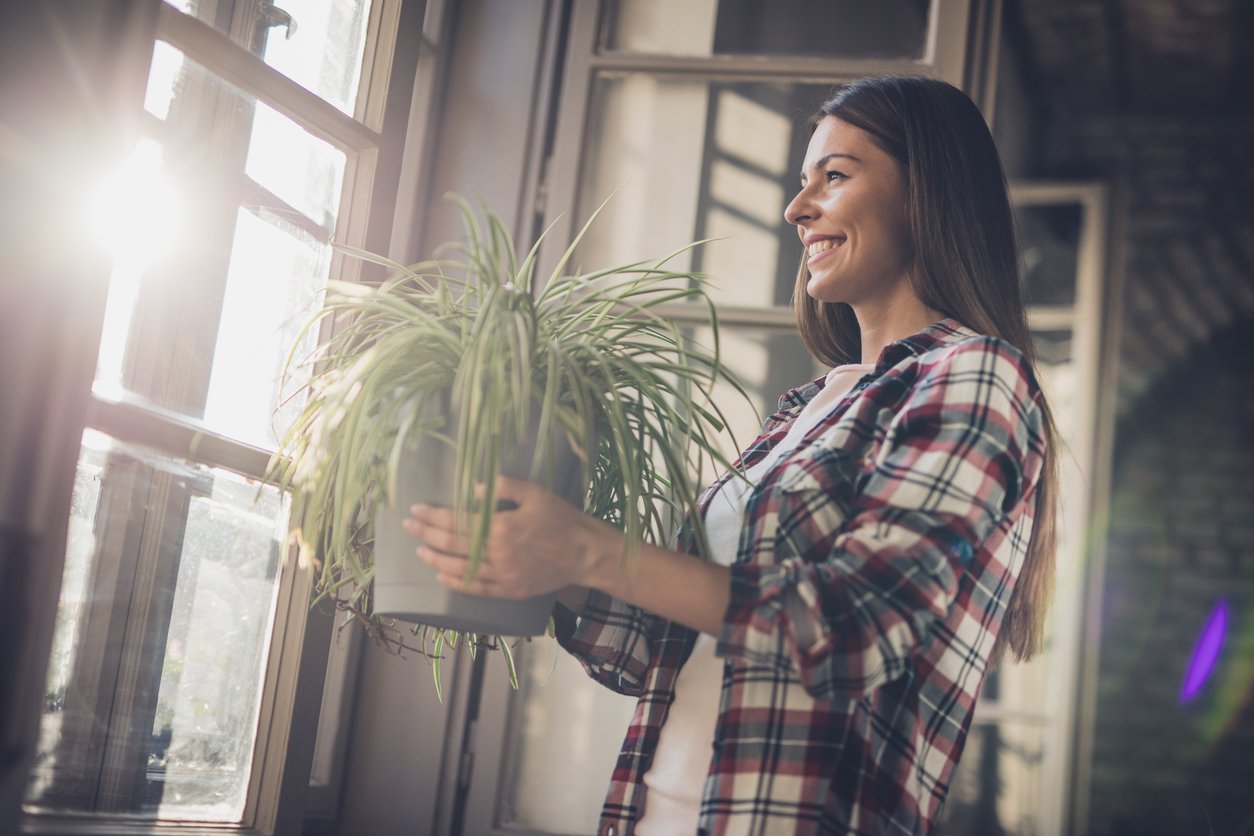
Ensure that your plants also receive enough light. During the rainy season, the plant might not get enough sunlight. Hence, you should place a lighting kit near the plant and ensure that it receives enough light.
If you are plucking the fruits or leaves off the plant, make sure you do not over-pluck as well. Plucking too many leaves or fruits could result in the plant having not enough nutrients to survive and wither.
3. Choose more Tropical Crops
Singapore is a tropical country. Many plants that would grow well in other countries would struggle to grow here. Hence, it is critical to choose the right plants to cultivate.
If you choose a plant that is not too well suited to Singapore, you could face problems such as the plants being unable to withstand Singapore’s intense year-round heat. Some of the plants are also not well adapted to the pests and diseases that Singapore has and would quickly die to them. Hence, it is critical to choose a plant that’s suited to Singapore.

Here are a few examples of plants you can choose from:
- Orchid
- Swiss Cheese Plant
- Peace Lily
- Dracaena
- Succulents
- Snake Plant
- Aloe Vera
- Guzmania Bromeliad
- Zanzibar Gem
- Banana Plant
4. Join a Community Garden
Community gardens are a government-supported initiative that gives HDB residents a chance to tend to a garden. These gardens often in the middle of estates, where residents can get together and tend to the garden.
Due to how it is government-supported, joining this initiative can allow you to grow your crops without much hassle, as well as provide you with proper tools and good soil. You will also have a chance to meet like-minded people who also love to garden, allowing you to kill two birds with one stone.
You might also get an opportunity to learn more about growing crops. Some examples would be learning about crop rotation, companion planting, organic pest control solutions, etc. These will give you a chance to expand your knowledge of growing plants and allow you to explore your hobby.

However, not all houses have a community garden scheme. Hence, it is important for you to choose one that has it.
5. Check Your Soil Conditions
If you are growing your crops in a community garden, ensuring that the soil quality is good is essential. The soil in urban areas is often compacted and poor in structure. Hence, this usually results in the earth being inferior in quality, making it hard for any plants to grow.
The soil in urban areas is often compacted and poor in structure. Hence, this usually results in the earth being inferior in quality, making it hard for any plants to grow.
After selecting an area to grow your plants, make sure to test the soil for its quality! You can do so by checking the soil’s pH, the soil type, as well as how much phosphate, potash and organic matter exists in it. You can do this through a simple soil-testing kit, or if you would prefer a more comprehensive analysis, you can send a soil sample to a soil-testing laboratory.
If your soil-test says that your soil is of poor quality, do not fret! You can fix this problem by buying organic matter or using food waste to enrich your soil. By placing the organic matter into the earth, you can easily enhance it and make it much easier for plants to grow. If all else fails, choosing another spot to grow your plants will always be an option.
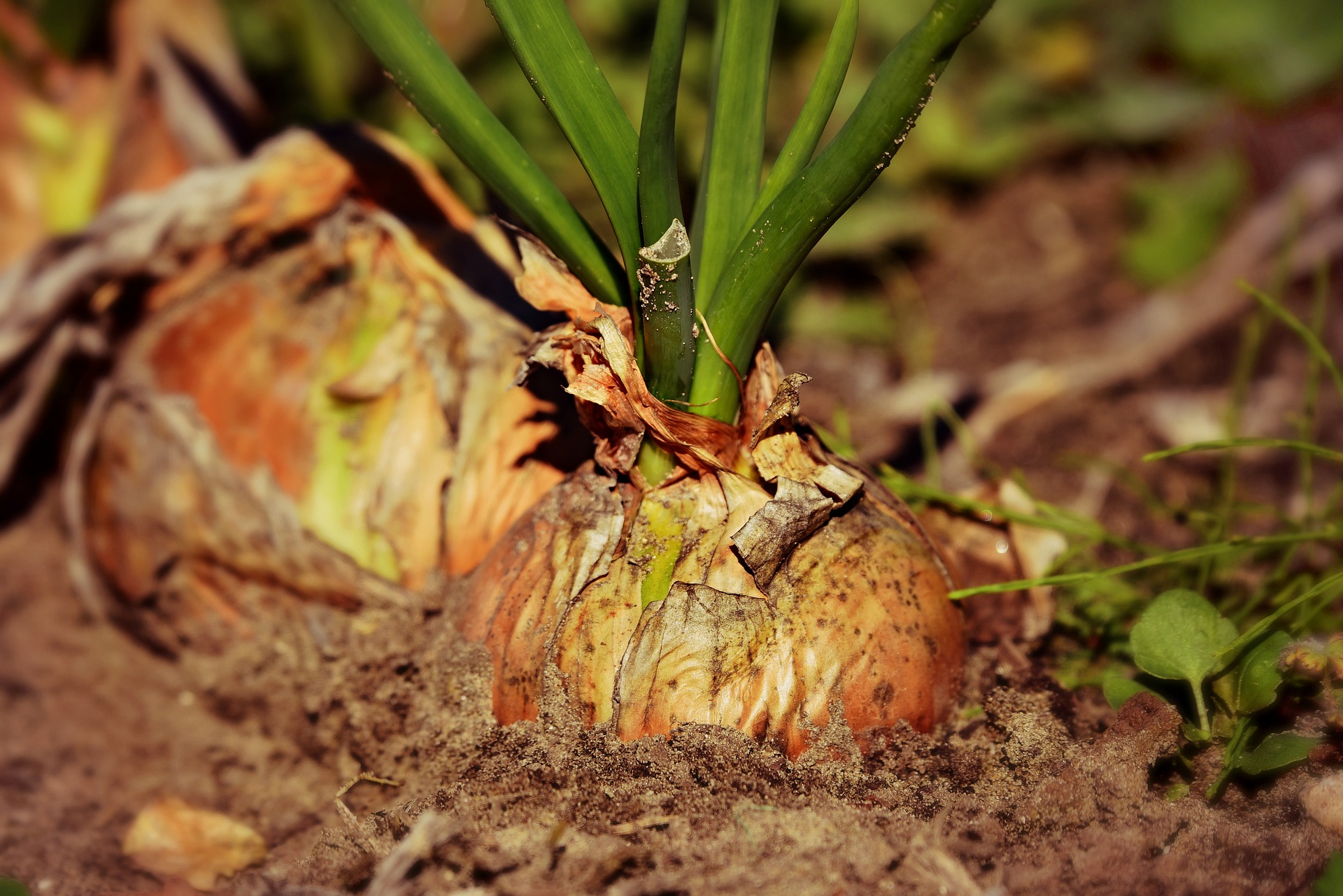
The key to having your plants thrive is ensuring that the soil is of high quality before you begin planting your crops. Hence, it is critical to check your soil quality before starting to plant your crops.
Do you have any other questions about urban farming? Voice your thoughts in our comments section or on our Facebook community page.
Looking for a property? Find the home of your dreams today on Singapore’s largest property portal 99.co! You can also access a wide range of tools to calculate your down payments and loan repayments, to make an informed purchase.
About Tsay Yong Neo


Looking to sell your property?
Whether your HDB apartment is reaching the end of its Minimum Occupation Period (MOP) or your condo has crossed its Seller Stamp Duty (SSD) window, it is always good to know how much you can potentially gain if you were to list and sell your property. Not only that, you’ll also need to know whether your gains would allow you to right-size to the dream home in the neighbourhood you and your family have been eyeing.
One easy way is to send us a request for a credible and trusted property consultant to reach out to you.
Alternatively, you can jump onto 99.co’s Property Value Tool to get an estimate for free.
If you’re looking for your dream home, be it as a first-time or seasoned homebuyer or seller – say, to upgrade or right-size – you will find it on Singapore’s fastest-growing property portal 99.co.
Meanwhile, if you have an interesting property-related story to share with us, drop us a message here — and we’ll review it and get back to you.
Join our social media communities!
Facebook | Instagram | TikTok | Telegram | YouTube | Twitter




Leave a comment