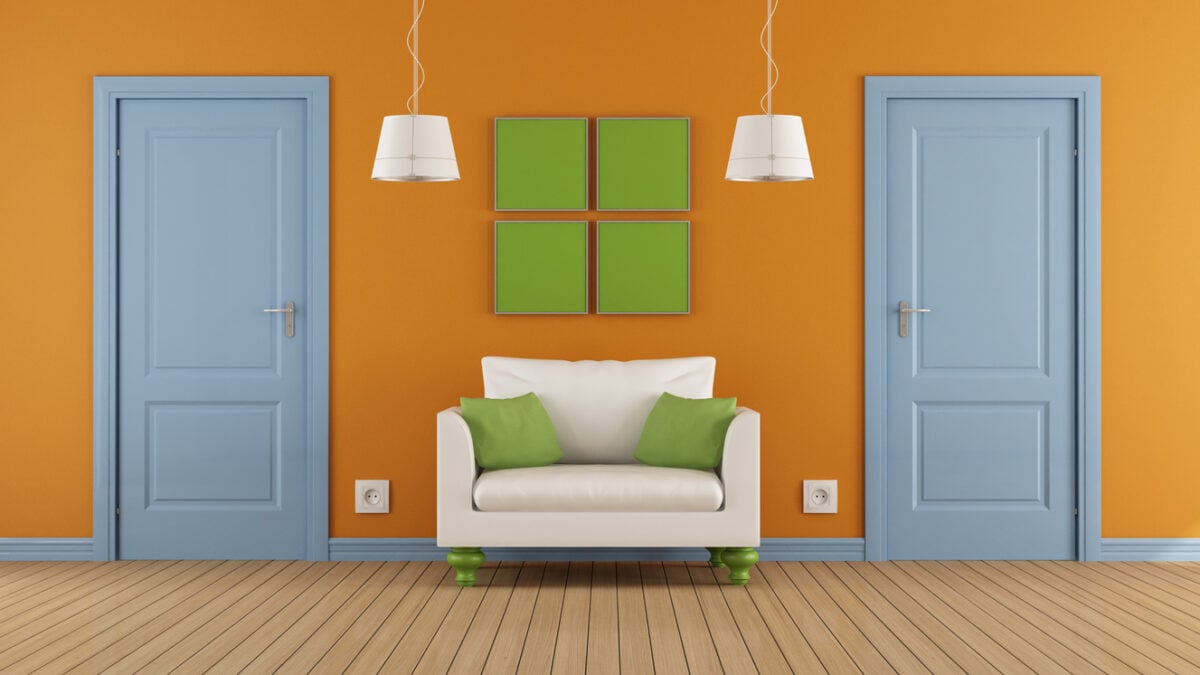
Converting an HDB flat into a dual-key unit is an increasingly popular trend in Singapore, particularly for homeowners looking to maximise rental income. A dual-key HDB flat configuration essentially creates two separate living spaces within a single flat, each with its own entrance, yet sharing a common foyer.
This guide will walk you through the feasibility, renovation process, legal requirements, and styling tips to transform your HDB flat into a functional dual-key home.
Table of contents
- Understanding the feasibility of a Dual-Key conversion
- Renovating your HDB flat for a Dual-Key setup
- Interior design and styling tips
Understanding the feasibility of a Dual-Key conversion
Before embarking on this renovation journey, it is crucial to determine whether your HDB flat’s layout is suitable for a dual-key configuration. Not all flats are designed for this concept, and careful planning is required to ensure that the transformation is both practical and compliant with HDB regulations.
Generally, the most suitable layouts feature a centrally located main entrance, which allows for easier division into two distinct units. Additionally, having bathrooms at opposite ends of the home simplifies space allocation and provides a more seamless living arrangement.
If you are uncertain about your flat’s suitability, consulting an interior designer can provide valuable insights. They can help assess your floor plan and suggest the best approach to creating a well-balanced dual-key layout.
Renovating your HDB flat for a Dual-Key setup
Step 1: Planning the layout
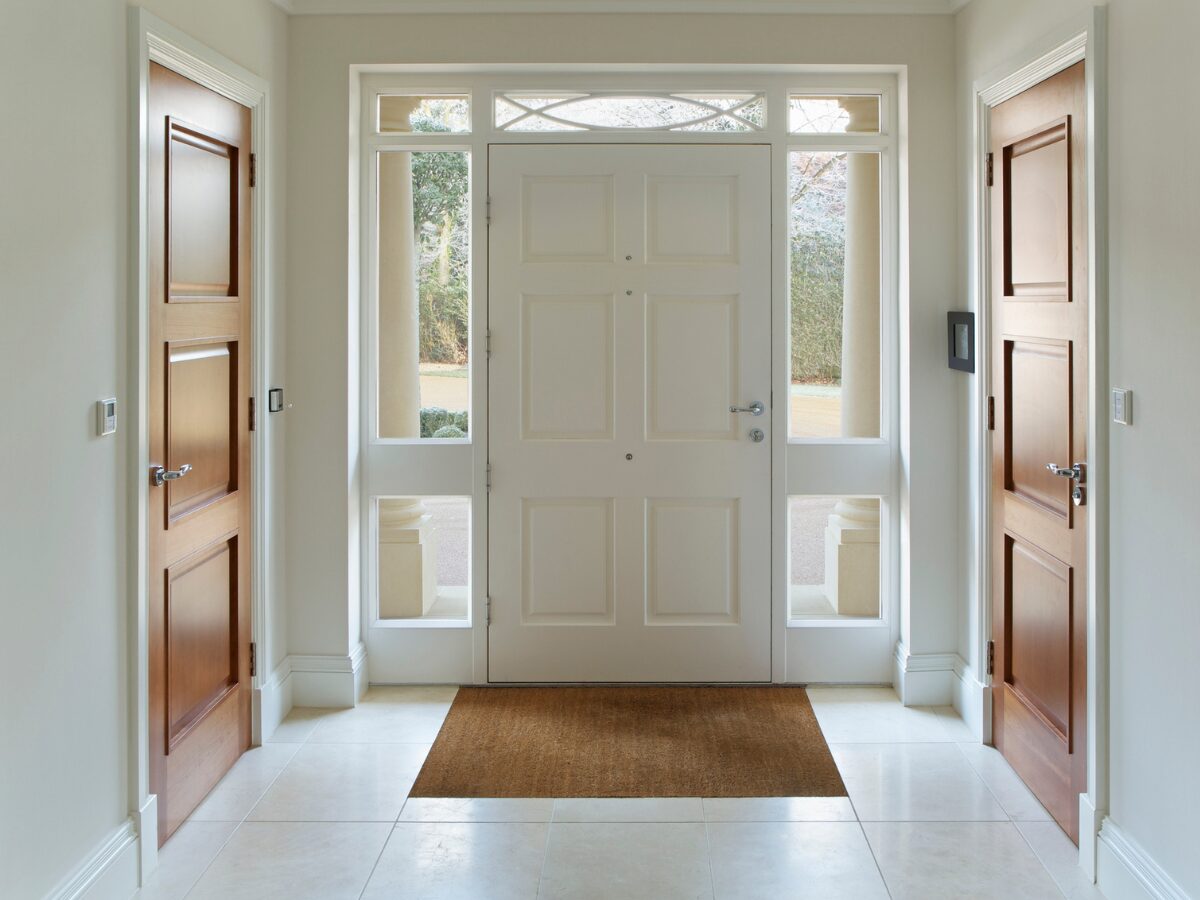
The first step in converting your HDB flat into a dual-key unit is to map out the new layout. This involves identifying the primary and secondary living spaces, ensuring that both areas have sufficient amenities while maintaining a practical flow.
The design should include a shared foyer leading to separate entrances, giving both units a sense of independence while still keeping them connected.
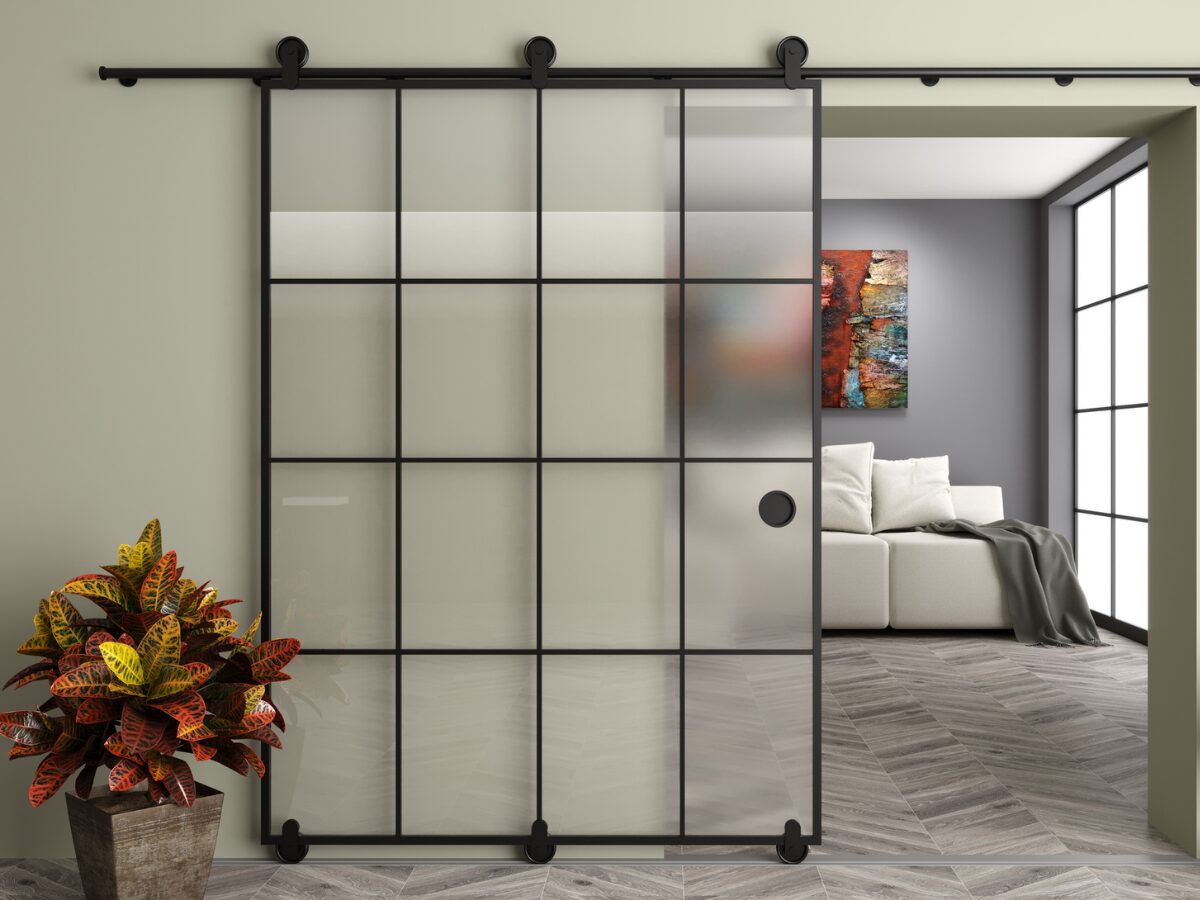
For added privacy, many homeowners choose to install a partition wall or a sliding door to separate the two units. It is also essential to ensure that both spaces have adequate access to natural light and ventilation, as this contributes to a more comfortable living environment.

 2
2
 2
2
 3
2
3
2
 1
1
1
1
 1
1
1
1
 1
1
1
1
 1
1
1
1
 1
1
1
1
 1
1
1
1
 1
1
1
1
 1
1
1
1
Step 2: Understanding HDB regulations
Since HDB flats are government-regulated properties, any renovation work must comply with strict guidelines. Before making structural modifications, homeowners must obtain approval from HDB to ensure compliance with safety and building regulations.
Some key pointers include:
- Any removal or alteration of walls requires prior approval from HDB.
- The main entrance door must remain fire-rated, and any additional doors installed must comply with fire safety standards.
- Bathrooms and kitchens must be positioned in accordance with HDB’s guidelines to prevent water leakage and ensure proper waste disposal.
- Homeowners must seek HDB’s approval before renting out any portion of their flat to ensure compliance with public housing policies.
Interior design and styling tips
Step 3: Designing the main unit
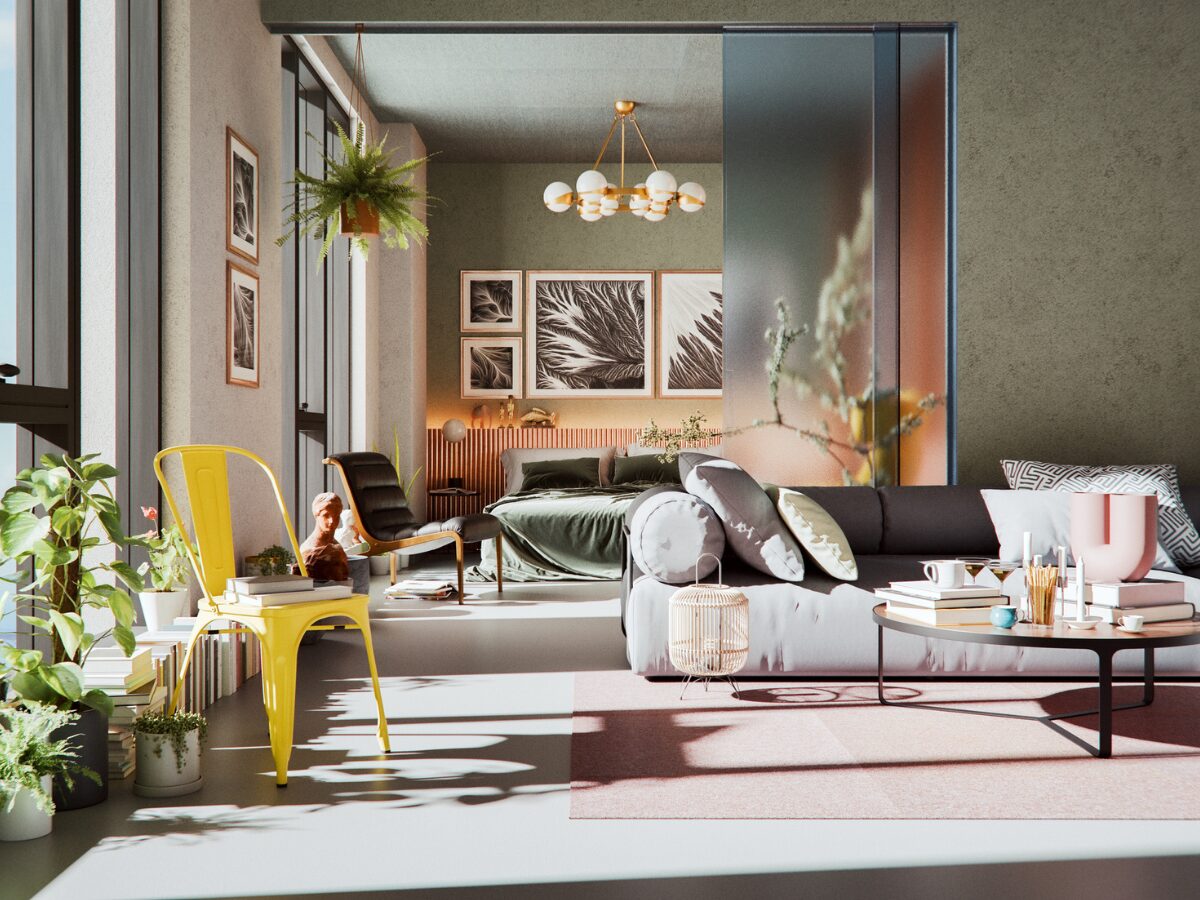
The main unit should be designed to accommodate the primary occupants comfortably. Opting for an open-concept layout can help create a sense of spaciousness, especially in smaller flats.
A quick home decoration tip is to use light colours and mirrors to brighten the space, and enhance the perception of depth. Additionally, incorporating built-in storage solutions can help minimise clutter and maximise functionality.
For homeowners who follow Vaastu or Feng Shui, it is advisable to consider placement carefully:
1. Entrance orientation: In Feng Shui, the main entrance is known as the “mouth of Qi” and should be free of clutter to allow positive energy to flow into the home. North and east-facing entrances are generally considered auspicious in both Feng Shui and Vaastu.
2. Kitchen placement: According to Vaastu, the kitchen should ideally be in the southeast corner, associated with fire energy. Feng Shui suggests keeping the stove away from the sink and refrigerator to balance fire and water elements.
3. Bed placement: Beds should be positioned with the headboard against a solid wall for stability. In Vaastu, facing east or south is recommended for restful sleep, while Feng Shui advises against placing the bed directly in line with the bedroom door.
4. Lighting and ventilation: Natural light and airflow are essential for a harmonious living environment. Feng Shui encourages maximising daylight and using warm lighting to create a cosy atmosphere.
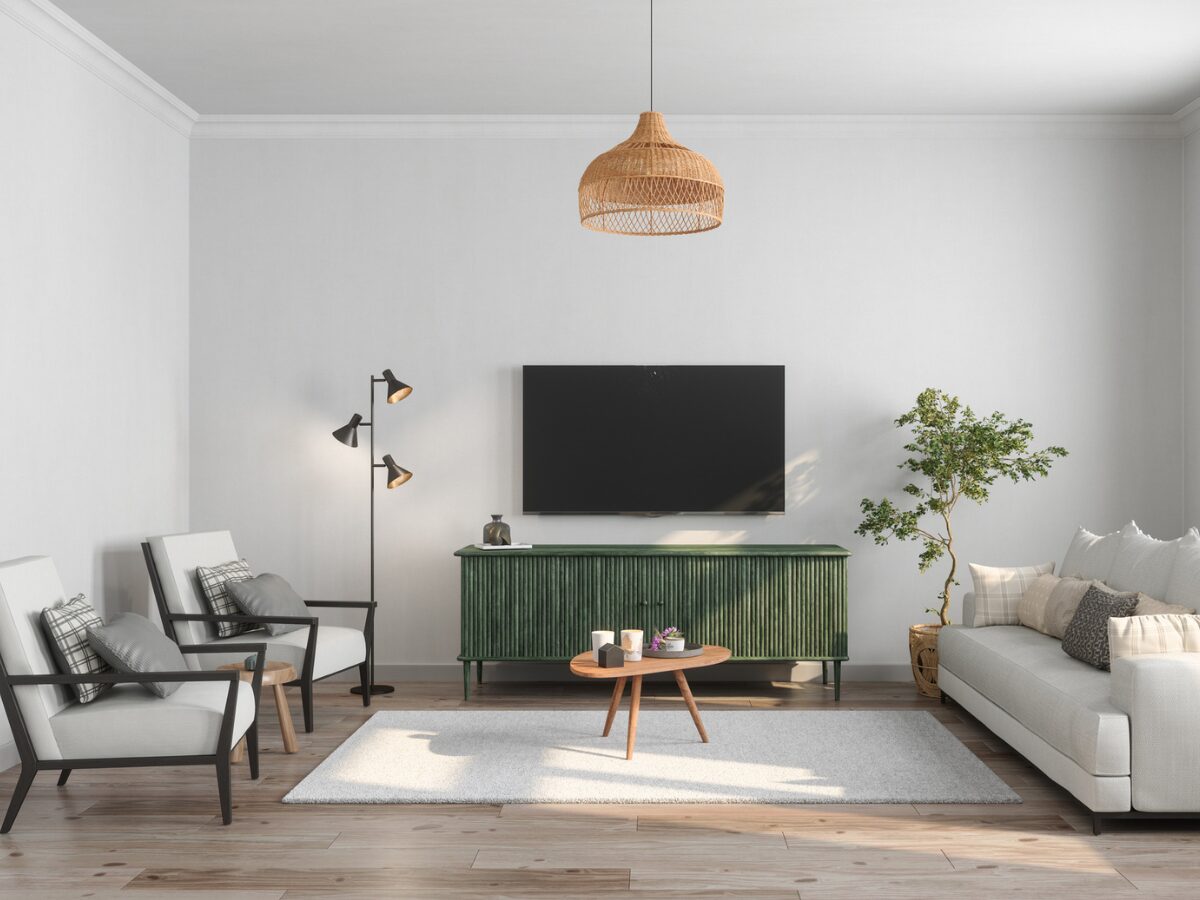
5. Furniture arrangement: Avoid sharp-edged furniture pointing towards sleeping or sitting areas, as they create “poison arrows” in Feng Shui, which can lead to stress and discomfort.
Step 4: Setting up the studio unit
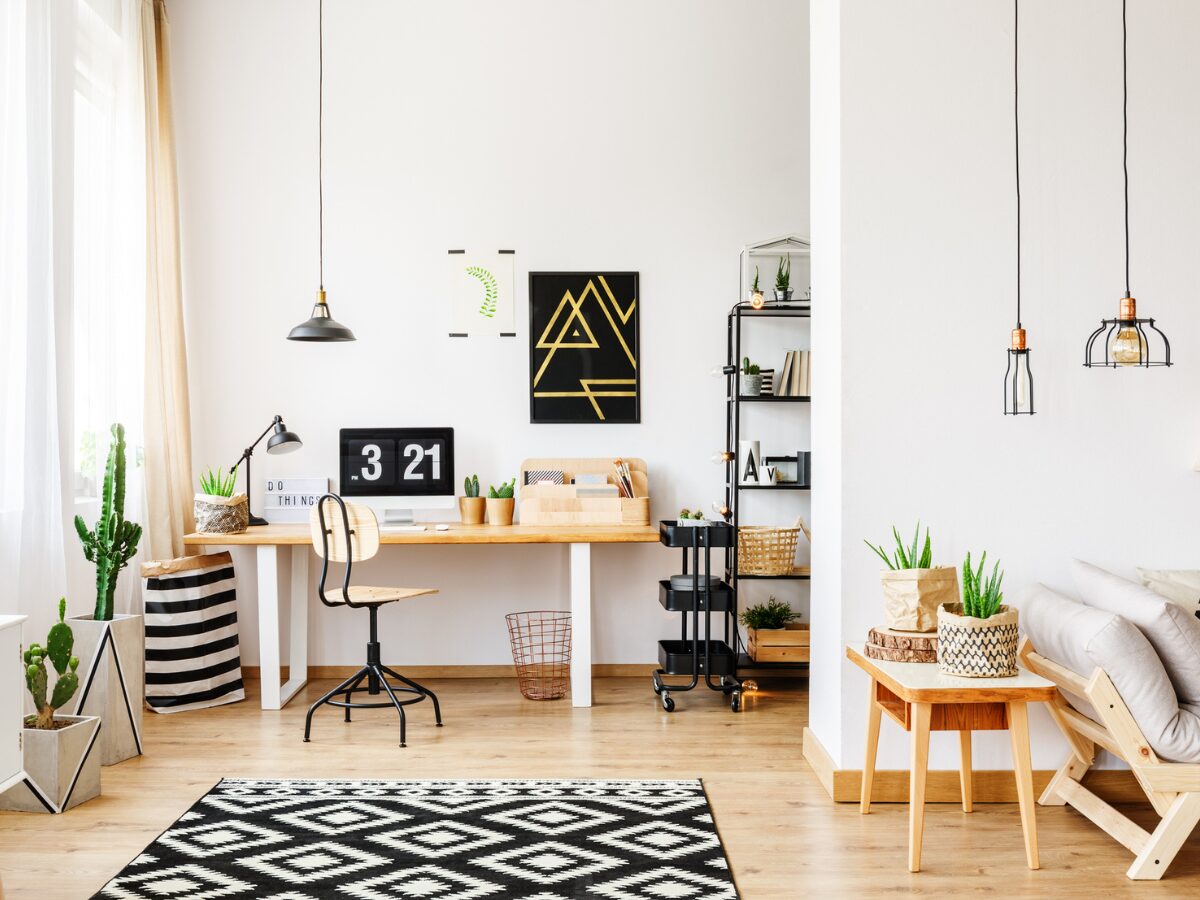
For the secondary unit, which is typically used for rental or extended family members, the focus should be on creating a compact yet fully functional living space. Here are some easy tips which will help you furnish the studio unit with ease!
1. Furnish smartly: Choose movable furniture instead of built-ins, as this makes it easier to replace worn-out items between tenancies. Use wall-mounted shelves to free up floor space, and maximise space utilisation by creating storage under the bed.
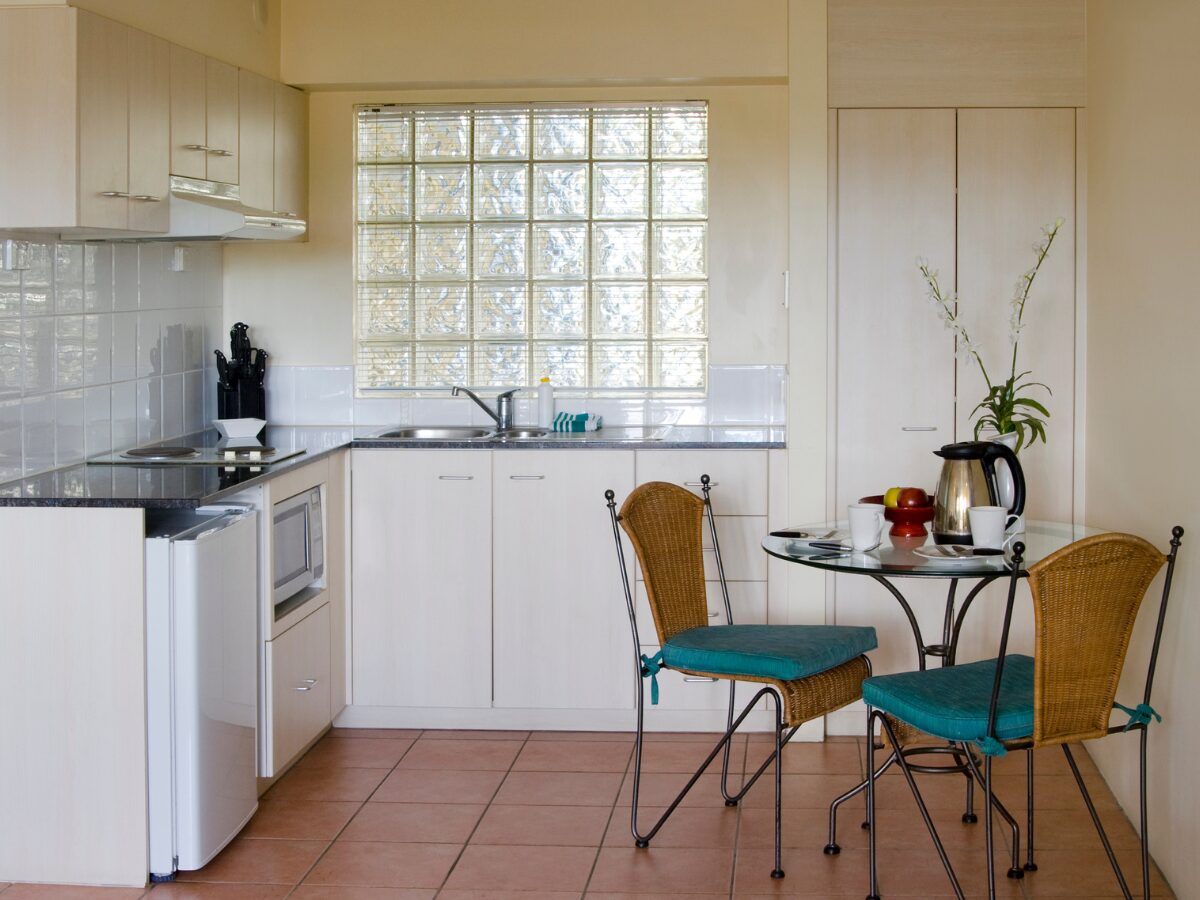
2. Install a kitchenette: A functional kitchenette can significantly enhance the rental value of the unit. Consider including a compact fridge, induction hob, microwave, and a small sink. Storage cabinets and open shelving can help keep essentials organised while saving space.
3. Add necessary appliances: A washer-dryer combo is a great space-saving solution for tenants. Additionally, a foldable dining table or breakfast counter can provide a dining area without taking up too much room. Providing a small convection oven or air fryer can offer added convenience for cooking in a compact space.
Is a Dual-Key HDB flat right for you?
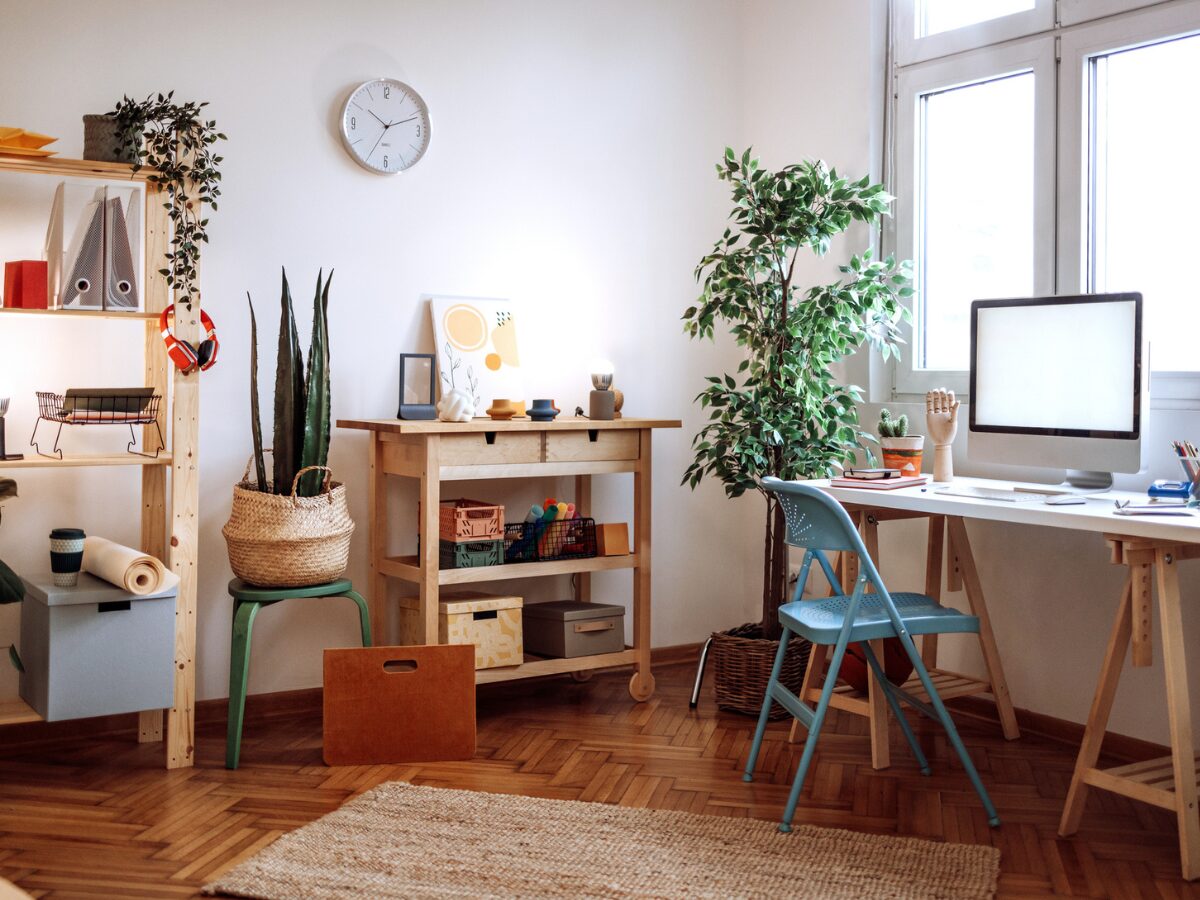
A dual-key unit offers multiple benefits, making it an attractive option for various homeowners. It provides a unique opportunity to generate rental income, offset mortgage costs, and maintain privacy while living in the same property. Additionally, it is ideal for multi-generational families, allowing extended family members to stay close while still having their own independent living spaces.
Moreover, a dual-key configuration offers future flexibility, as homeowners can easily reconfigure the space back into a single unit if their needs change over time.
But with all the benefits, it is important to plan ahead when converting your home into a dual-key flat. Take into account the financial cost of the renovation, and make sure you have enough room in the main house for future needs. Also, don’t forget to take all necessary permissions from the HDB before you start on your renovation!
About 99.co

We are a property search engine with the overarching goal of building a more transparent and efficient property market. We are working towards that future by empowering people with the tools and information needed to find a place to live in the best way possible.

Looking to sell your property?
Whether your HDB apartment is reaching the end of its Minimum Occupation Period (MOP) or your condo has crossed its Seller Stamp Duty (SSD) window, it is always good to know how much you can potentially gain if you were to list and sell your property. Not only that, you’ll also need to know whether your gains would allow you to right-size to the dream home in the neighbourhood you and your family have been eyeing.
One easy way is to send us a request for a credible and trusted property consultant to reach out to you.
Alternatively, you can jump onto 99.co’s Property Value Tool to get an estimate for free.
If you’re looking for your dream home, be it as a first-time or seasoned homebuyer or seller – say, to upgrade or right-size – you will find it on Singapore’s fastest-growing property portal 99.co.
Meanwhile, if you have an interesting property-related story to share with us, drop us a message here — and we’ll review it and get back to you.
Join our social media communities!
Facebook | Instagram | TikTok | Telegram | YouTube | Twitter


Leave a comment