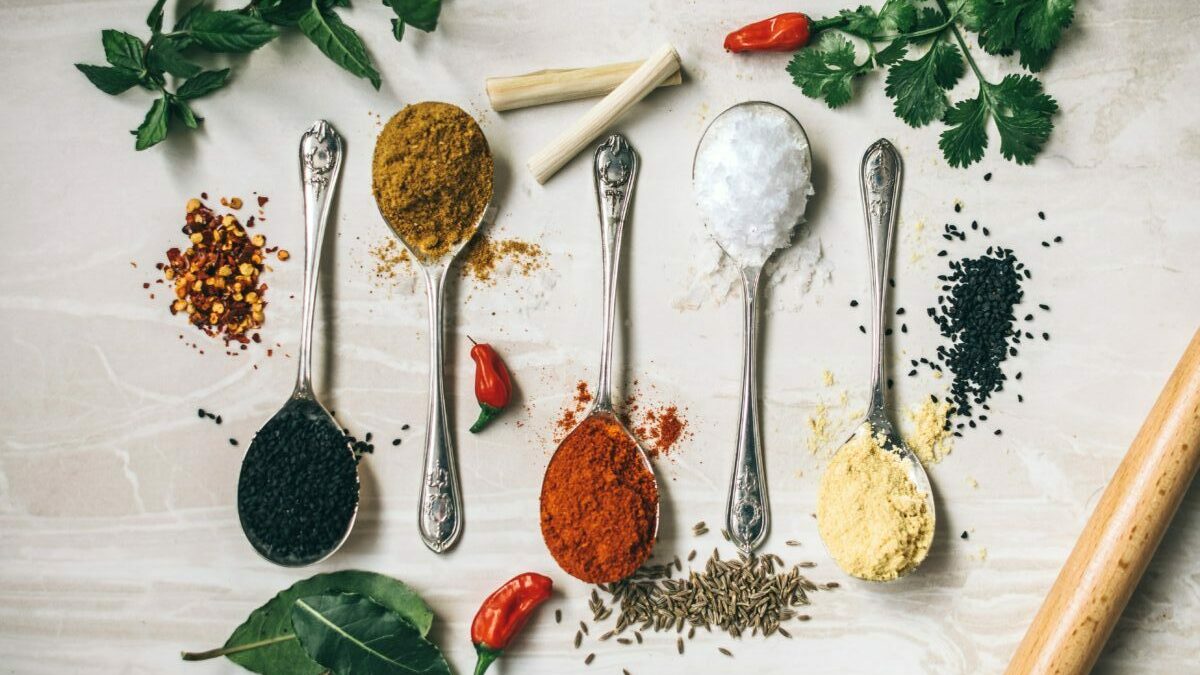
Tired of ordering in takeout or dining out at Hawker stalls every time you crave a hot plate of Char Kway Teow, a hearty bowl of Laksa, or juicy sticks of Satay? We hear you.
Whether you’re a seasoned home cook or a beginner in the kitchen, our step-by-step recipes and expert tips will help you easily recreate the authentic flavours of these iconic dishes. Get ready to impress your family and friends as you unleash your inner Masterchef in the very comforts of your home.
Put on your apron, grab your wok, and let’s get cooking!
Hainanese Chicken Rice
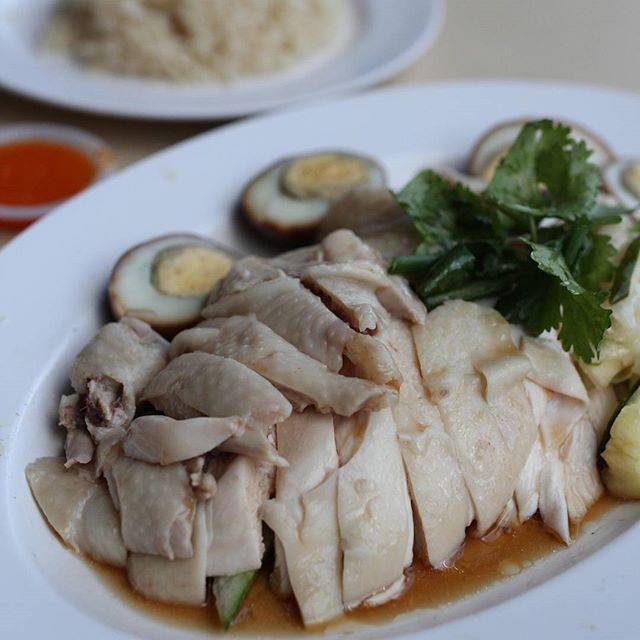
Tender, juicy chicken that practically melts in your mouth, nestled on a bed of fragrant, fluffy rice cooked to perfection – this dish is like a warm and comforting hug.
Here’s what you’ll need for a simple, homemade Hainanese Chicken Rice:
| For the chicken | For the rice | For the soup | For the sauces |
| 1 whole chicken | 2 cups of jasmine rice | Chicken bones (Optional, but adds a depth of flavour to your broth – we promise you won’t regret it!) | Ginger sauce (finely minced ginger mixed with hot oil, some lime juice and a pinch of salt) |
| 4 slices of ginger | 4 cloves of garlic, minced | 2 stalks of spring onions | Chilli sauce (blend red chillies, garlic, ginger, vinegar, sugar, and a dash of salt) |
| 2 stalks of spring onions | 1 minced shallot | 4 slices of ginger | |
| 1 spoon of sesame oil | 1 tablespoon of vegetable oil | Salt and pepper for seasoning | |
| Salt for seasoning | 2 cups of chicken broth |
Serves: 6 people
Instructions:
- Prepare the chicken: Rub salt all over the skin and stuff it with ginger and spring onions. Boil for 30 minutes until cooked. Grab a chopstick and give the leg a little poke. You’ll know it’s done if you see the juices running clear. Plunge the chicken in an ice bath to cool it quickly. This will help keep the meat soft and the skin firm. Once cooled, pat it dry and rub some sesame oil all over it.
- Make the rice: Sauté garlic, add jasmine rice, then transfer to a rice cooker. Cook with chicken broth as per rice cooker instructions.
- Prepare the soup: Boil chicken bones with spring onions, ginger, salt, and pepper for an hour. Strain the flavorful broth.
Tip: Don’t throw away your chicken fat – that’s where all the flavour lies. Be sure to add a little to your dish and store the remaining in the freezer. This will add a whole new burst of flavour to any other meals you plan on making!
PS. If you’re pressed for time, simply sauté the ginger, garlic, and shallots before piling the rest of these ingredients in one pot and let the flavours meld together as the rice soaks up the juices from the salted chicken for half an hour before serving: maximum flavour with minimal cleanup.
Katong Laksa
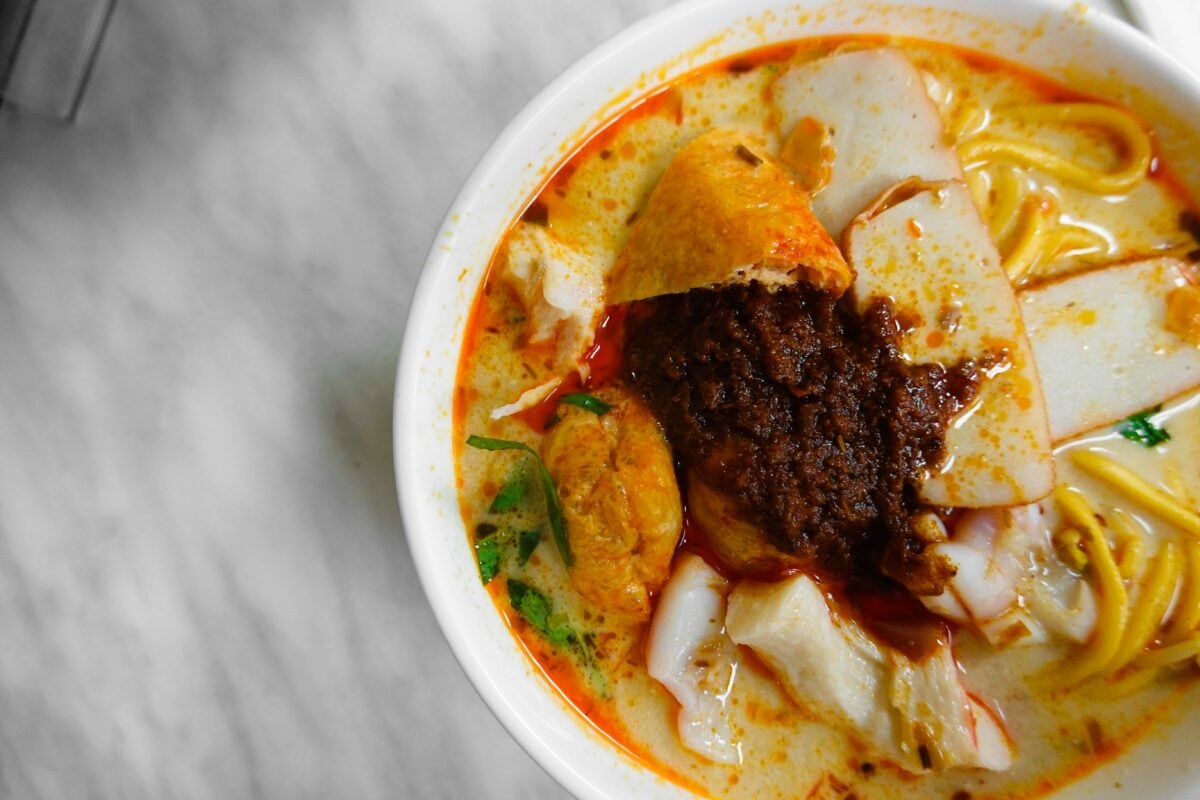
Packed with flavour, heat and heart, there’s nothing like coming home after a long day’s work to a steaming bowl of Laksa. But not just any ordinary one, we’re talking about Katong Laksa.
So, here’s a recipe to create an easy-to-follow, yet slurp-worthy, version of this dish that will have you hooked.
| Ingredients: |
|
12 dried red chillies, soaked to soften and roughly chop
|
|
16 shallots, minced
|
|
7 macadamias or cashews nuts, roughly chopped
|
|
Fresh galangal, minced
|
|
Fresh ginger, minced
|
|
3 stalks of lemongrass (white parts only)
|
|
1 tablespoon toasted ground coriander seeds
|
|
Fresh turmeric, peeled
|
| Salt, to taste |
|
2 tablespoons of dried shrimp
|
|
1 cup of vegetable oil
|
| 3 cups of water |
|
3 cups of coconut milk
|
|
4 tablespoons of minced laksa leaves
|
|
Fish stock or water, as needed
|
|
275g dried round rice noodles, soaked to soften
|
|
2 fish cakes, sliced
|
|
275g shrimp, peeled and deveined
|
|
1 kg fresh cockle
|
|
Salt and sugar, to taste
|
|
4 slices dry, firm tofu
|
|
100g bean sprouts
|
| Sambal belacan |
|
Laksa leaves, coarsely chopped
|
|
Lime juice (optional)
|
Serves: 4 people
Instructions:
- Prepare the rice noodles according to the package instructions. Drain and set aside.
- Process your chillies, shallots, macadamia or cashew nuts, galangal, ginger, lemongrass, coriander seeds, turmeric, dried shrimp, and salt until smooth. You can use a mortar and pestle or the blender if you don’t have a food processor.
- In a large pot, heat the vegetable oil over medium heat. Add the paste and stir for about 15 minutes until the oil separates.
- Slowly add the coconut milk to the mix and stir well. Then, toss in your laksa leaves and let this simmer for half an hour until the broth thickens. If you prefer a thinner consistency, feel free to add fish stock or water.
- Now, it’s time to introduce the star players: the fish cake, shrimp, and cockles. Allow the ingredients to simmer in the broth for about three minutes – just enough time for the cockles to open and the shrimp to cook through. Then, season the broth with salt and sugar.
- Fry the tofu until golden brown.
- Divide the noodles and bean sprouts among serving bowls. Ladle the hot Laksa broth over the noodles, making sure to distribute the shrimp and fish cake evenly. Garnish with laksa leaves, a dollop of sambal paste, and a squeeze of lime juice for an extra kick.
Char Kway Teow

Craving the smoky, charness of kway teow noodles tossed with succulent seafood and a blend of sauces? Keep reading to learn how you can create this umami goodness from scratch!
| Chilli Paste | Sauce |
Other ingredients
|
| 28 grams of dried red chillies, seeds removed, soaked in water | 5 tablespoons of soy sauce |
3 cloves of garlic, finely chopped
|
| 2 fresh red chillies, seeds removed | 1 and a half tablespoons of dark soy sauce | 12 prawns |
| 3 small shallots, diced | 1 tablespoon of sugar |
453 grams of fresh flat rice noodles
|
| 1 teaspoon of oil | Half a teaspoon of fish sauce |
453 grams of blood cockles, shells opened to extract the cockles
|
| Salt, to taste | Half a teaspoon of salt |
2 lap cheong, or Chinese sausages, diagonally sliced
|
| 2 dashes of ground pepper powder |
1 bunch of fresh bean sprouts, rinsed and drained
|
|
| 4 large eggs | ||
|
1 bunch of Chinese chives, cut into batons
|
Serves: 4 people
Instructions:
- Process or blend the soaked dried red chillies, fresh red chillies, and shallots until they form a fine paste.
- Heat a teaspoon of oil in a wok and stir-fry the chilli paste until it becomes fragrant.
- Clean the wok and crank up the heat to high flame until it smokes. Then, add 2 tablespoons of oil or lard to the hot wok and quickly stir half the chopped garlic.
- Transfer six prawns and half of the lap cheong into the wok. Stir-fry until the shrimps turn a light orange and the lap cheong caramelises.
- Add half of the bean sprouts to the wok, followed immediately by half of the noodles.
- Pour in 2 tablespoons of the sauce into the wok and stir vigorously to ensure it coats the noodles evenly. Push the noodles to one side of the wok and add a little oil to the empty area in the middle. Crack two eggs onto the oil and use the spatula to blend the yolk and its whites. Flip in the noodles to cover the egg and let it cook for about 10 to 15 seconds.
- Add in 2 heaps of chilli paste (or adjust to your desired spice level) and some cockle clams into the wok.
- Continue to stir-fry until the egg is cooked through. Add the chives, give it a couple more stirs, and start dishing!
- Repeat the same process for the other half of your ingredients. Halving the Char Kway Teow portion as you cook helps enhance that coveted “wok hei” or “breath of wok” aroma and charred flavour.
Tip: If you’re looking to add a touch of sweetness to your shrimps in the Char Kway Teow, soak the shelled prawns in a mixture of sugar water for about 40 minutes before cooking. This simple step allows the shrimps to absorb a subtle sweetness, enhancing their flavour and complementing the savoury notes of the dish.
Satay
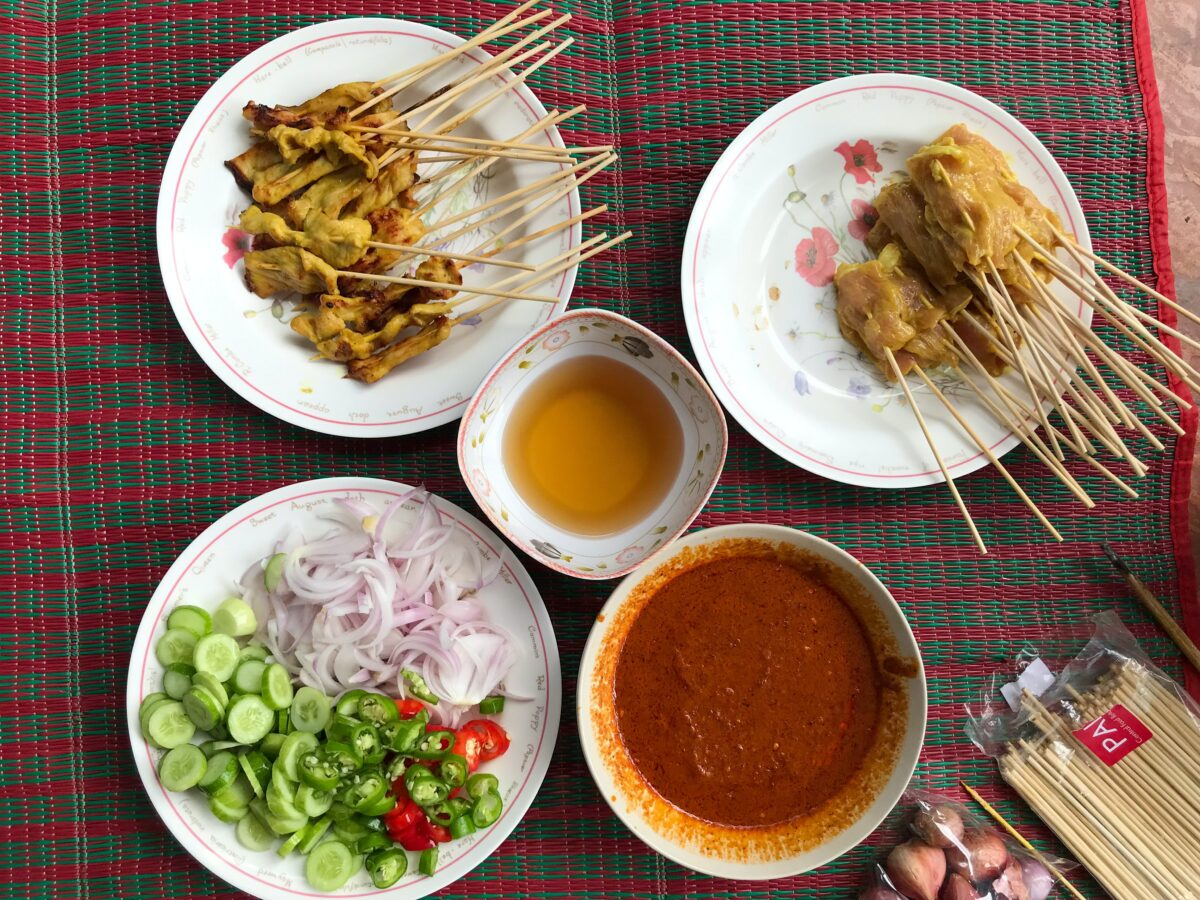
Fire up the grill and get ready to sizzle ’cause we’re bringing you on a flavour-packed journey with these skewered delights.
Whether you opt for tender chicken, succulent beef, or melt-in-your-mouth morsels of lamb, this easy-peasy Satay recipe is sure to be a hit.
| Ingredients | Satay marinade | Peanut sauce |
| 900 grams of boneless and skinless meat | 3 tablespoons oil |
200 grams of peanuts
|
| Bamboo skewers, soaked in cold water for 2 hours | 2 stalks of lemongrass (white parts only) |
2-3 stalks of lemongrass
|
| 1 cucumber, cut into small pieces for serving | 2 cloves garlic, peeled |
2 centimetres of galangal
|
| 1 small onion, quartered for serving | 6 small shallots or pearl onions, peeled |
2 cloves of garlic
|
| Oil, for basting | 2 teaspoons turmeric powder |
5 dried chilli peppers
|
| 1 teaspoon coriander powder | 1 shallot | |
| 1 teaspoon chilli powder |
2 tablespoons of oil
|
|
| Half a tablespoon salt, or more to taste |
260 millilitres of water
|
|
| 2 tablespoons sugar or honey | Salt, to taste | |
|
40 grams of gula melaka, or palm sugar
|
||
|
Half a teaspoon of tamarind paste
|
Serves: 6 people
Instructions for the Satay:
- Cut the meat into small, bite-sized pieces.
- In a blender or food processor, combine all the marinade ingredients until you have a smooth paste.
- Pour the marinade over the meat pieces and mix well to ensure they are coated evenly. Allow the meat to marinate for at least 2 to 3 hours, or overnight for the best flavour.
- Preheat your grill pan to medium-high heat.
- Thread the marinated meat onto the soaked bamboo skewers, shaking off any excess marinade.
- Grill the skewers for about 10-15 minutes, turning occasionally and basting with oil to prevent drying out. Keep going until the meat is cooked through and has a slightly charred appearance.
- Once cooked, remove the skewers from the grill and let them rest for a few minutes.
Instructions for the Satay sauce:
- For the peanut sauce, begin by toasting the peanuts until fragrant. Once the peanuts are cooled, remove the skins and blend them. Set the ground peanuts aside.
- Clean your blender before using it for the lemongrass stalks, galangal, garlic cloves, and dried chilli.
- Then, heat oil in a pan over medium heat before adding in the shallots. Stir until they start to slightly brown.
- Scoop in your blended ingredients and sauté until fragrant, stirring constantly to prevent burning. Add the blended peanut mixture, water and salt. Then, cook for a few minutes until it thickens to your desired consistency.
- Stir in the gula melaka and let it simmer for 15 to 20 minutes. Finally, add in your tamarind paste. Once the satay peanut sauce has reached the desired thickness, remove it from the heat and let it cool slightly. You can adjust the seasoning according to your taste by adding more salt, sugar, or tamarind paste if needed.
Tip: There are two ways to easily remove the skins off your peanuts. The first option is to soak the peanuts in water to soften their skins. Another way is to fry them, then wrap the peanuts in a clean kitchen towel and gently rub them together. The friction will cause the skins to fall right off.
Chilli Crab
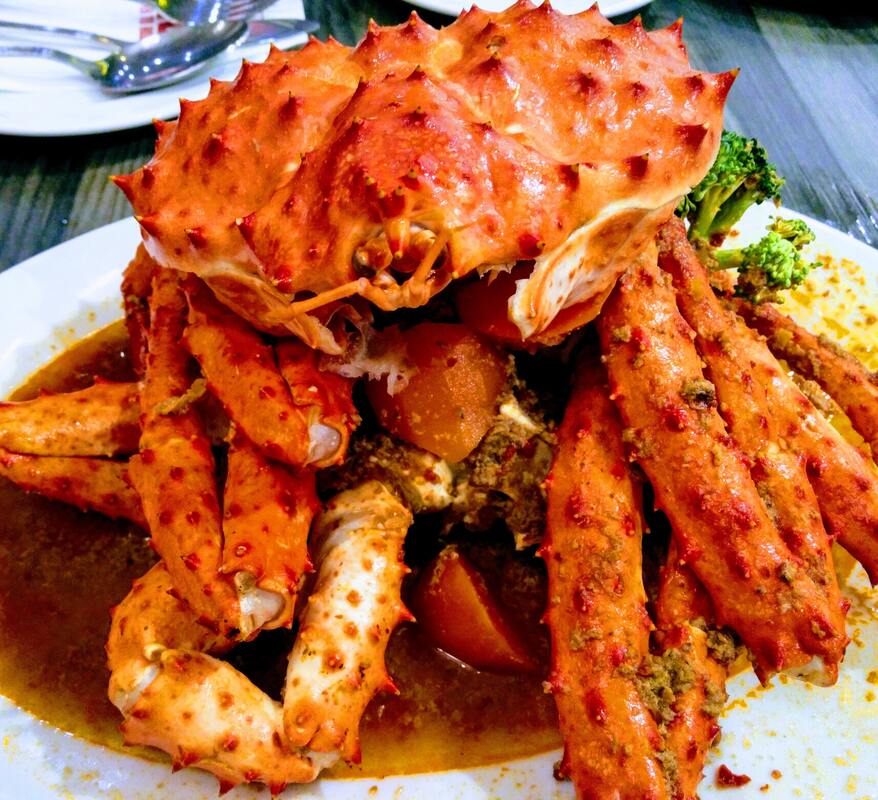
Ready to dive into seafood heaven? Prepare yourself for this messy and utterly delicious feast as we take you through the steps to cook up this dish of succulent crab bathed in a luscious, tangy, and spicy chilli sauce.
Let’s get cracking!
| Ingredients |
| 1 mud crab |
| 3 shallots |
|
2 – 3 centimetres of ginger
|
|
3 long red chillies
|
|
5 cloves of garlic
|
|
2 tablespoons of tomato sauce
|
|
1 teaspoon of belacan
|
|
2 tablespoons of cooking oil
|
|
1 and a half cups of chicken stock
|
|
1 and a half cups tomato puree
|
|
1 tablespoon rice wine vinegar
|
|
Half a cup of sweet chilli sauce
|
|
2 tablespoons of soy sauce
|
|
2 tablespoons of gula melaka, or palm sugar
|
| 1 egg |
| 1 spring onion |
|
50 grams of butter
|
|
1 bunch of coriander, to garnish
|
Serves: 4 people
Instructions:
- In a blender or food processor, add the shallots, ginger, red chillies, garlic, tomato sauce, and belacan and blend until you have a smooth paste.
- Heat the cooking oil in a large wok over medium heat. Add the paste and cook for 5 minutes.
- Add the crab pieces to the wok and stir-fry for a few minutes, ensuring they are coated with the sauce. Keep stirring until the crab starts to turn orange.
- Pour in the chicken stock, tomato puree, rice wine vinegar, sweet chilli sauce, soy sauce, and gula melaka. Stir well to combine all the ingredients. Bring the sauce to a simmer and let it cook for 15-20 minutes, or until the crab is cooked through and the sauce has thickened slightly.
- While the sauce is simmering, melt the butter in a separate pan over low heat. Slowly pour in the beaten egg while continuously stirring to create silky egg strands.
- Once the crab is cooked, gently fold in the buttery egg strands and sprinkle the chopped spring onion over the dish. Give it a quick stir to incorporate.
- Transfer the chilli crab to a serving dish and garnish with chopped coriander.
Wrapping up
And there you have it! Five mouthwatering dishes that will have you transported to the vibrant Hawker streets, all from the cosy confines of your own kitchen. From the comforting warmth of Hainanese Chicken Rice to the fiery allure of Chilli Crab, let your senses guide you and embrace the joy of cooking these beloved recipes – happy eating!
About Sophiyanah David

Sophi, a seasoned copywriter specialising in Singaporean real estate and property, is one of the minds behind 99.co's informative articles. Like her colleagues at 99.co, Sophi is dedicated to keeping you informed about the ever-changing world of real estate so you can find your forever home. When off the clock, you can find her giggling and kicking her feet as she reads her romance novels, watching anime - if FMBA is not your fave, she might fight you (but you'll probably win) and looking up latest skincare trends.

Looking to sell your property?
Whether your HDB apartment is reaching the end of its Minimum Occupation Period (MOP) or your condo has crossed its Seller Stamp Duty (SSD) window, it is always good to know how much you can potentially gain if you were to list and sell your property. Not only that, you’ll also need to know whether your gains would allow you to right-size to the dream home in the neighbourhood you and your family have been eyeing.
One easy way is to send us a request for a credible and trusted property consultant to reach out to you.
Alternatively, you can jump onto 99.co’s Property Value Tool to get an estimate for free.
If you’re looking for your dream home, be it as a first-time or seasoned homebuyer or seller – say, to upgrade or right-size – you will find it on Singapore’s fastest-growing property portal 99.co.
Meanwhile, if you have an interesting property-related story to share with us, drop us a message here — and we’ll review it and get back to you.
Join our social media communities!
Facebook | Instagram | TikTok | Telegram | YouTube | Twitter





Leave a comment