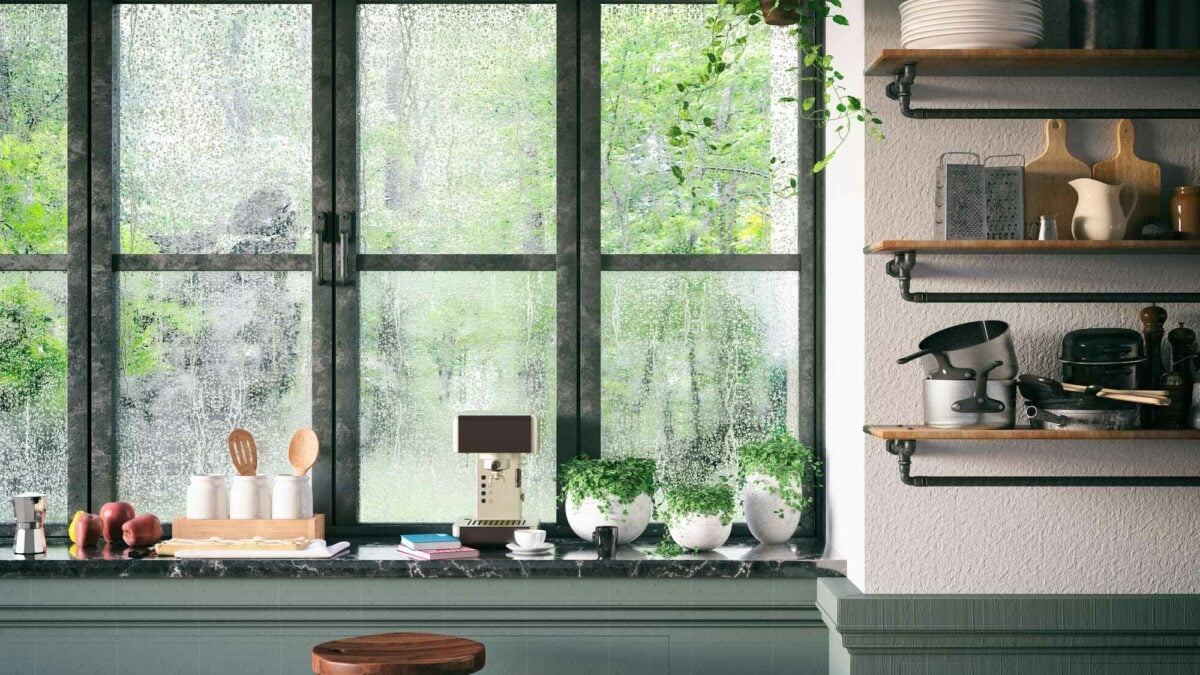
The dream of running a cosy café from your own HDB flat is more achievable than ever in Singapore. Under the Home-Based Business Scheme, you can legally operate a small-scale food business from your home without requiring approval from HDB or URA.
However, success depends on understanding and following the specific regulations that govern home-based food operations whilst maintaining harmony with your neighbours and family life.
Table of Contents
- What qualifies as an HDB home café?
- The legal framework
- Essential requirements for your HDB home café
- Food safety without the licence
- Business registration and compliance
- Navigating neighbour relations
- The business reality: Challenges and opportunities
- Sales and distribution realities
- Financial considerations and planning
- Getting started: A realistic roadmap
- The bigger picture: Community and industry impact
What qualifies as an HDB home café?

An HDB home café represents a fundamentally different approach to food service compared to traditional commercial establishments. Think of it as transforming your kitchen and living space into a small-scale operation where you prepare and sell food or drinks primarily through online platforms for delivery or customer collection.
The reality is that you’re essentially running a micro-business that serves customers without them ever stepping foot inside your home.
💡 Quick tip
Start small and personal: Home cafes excel at creating intimate customer connections that larger establishments can’t match. Focus on quality over quantity and develop your unique story and brand personality through social media engagement.
The beauty of these ventures lies in their intimate scale and personal touch. These businesses typically operate through social media platforms like Instagram, WhatsApp, or delivery apps, creating what some entrepreneurs call a “digital kampung” where home-based business owners support each other through referrals and collaboration.
The legal framework
The Home-Based Business Scheme represents a progressive policy that acknowledges the changing nature of entrepreneurship. This scheme, jointly overseen by HDB and URA, allows small-scale operations without requiring change-of-use permission, provided you operate within specific boundaries.
The most significant advantage is that home-based food businesses currently don’t need a Singapore Food Agency (SFA licence) to operate. The SFA has assessed these operations as posing lower food safety risks compared to restaurants and other licensed food establishments. However, this regulatory flexibility comes with the understanding that you’ll maintain the residential character of your home whilst operating responsibly within your community.
⚠️ Important note
No licence doesn’t mean no responsibility: Whilst you don’t need an SFA licence, you’re still bound by Singapore’s food safety laws. All food sold must be safe for consumption, and violations can result in serious legal consequences.
Essential requirements for your HDB home café
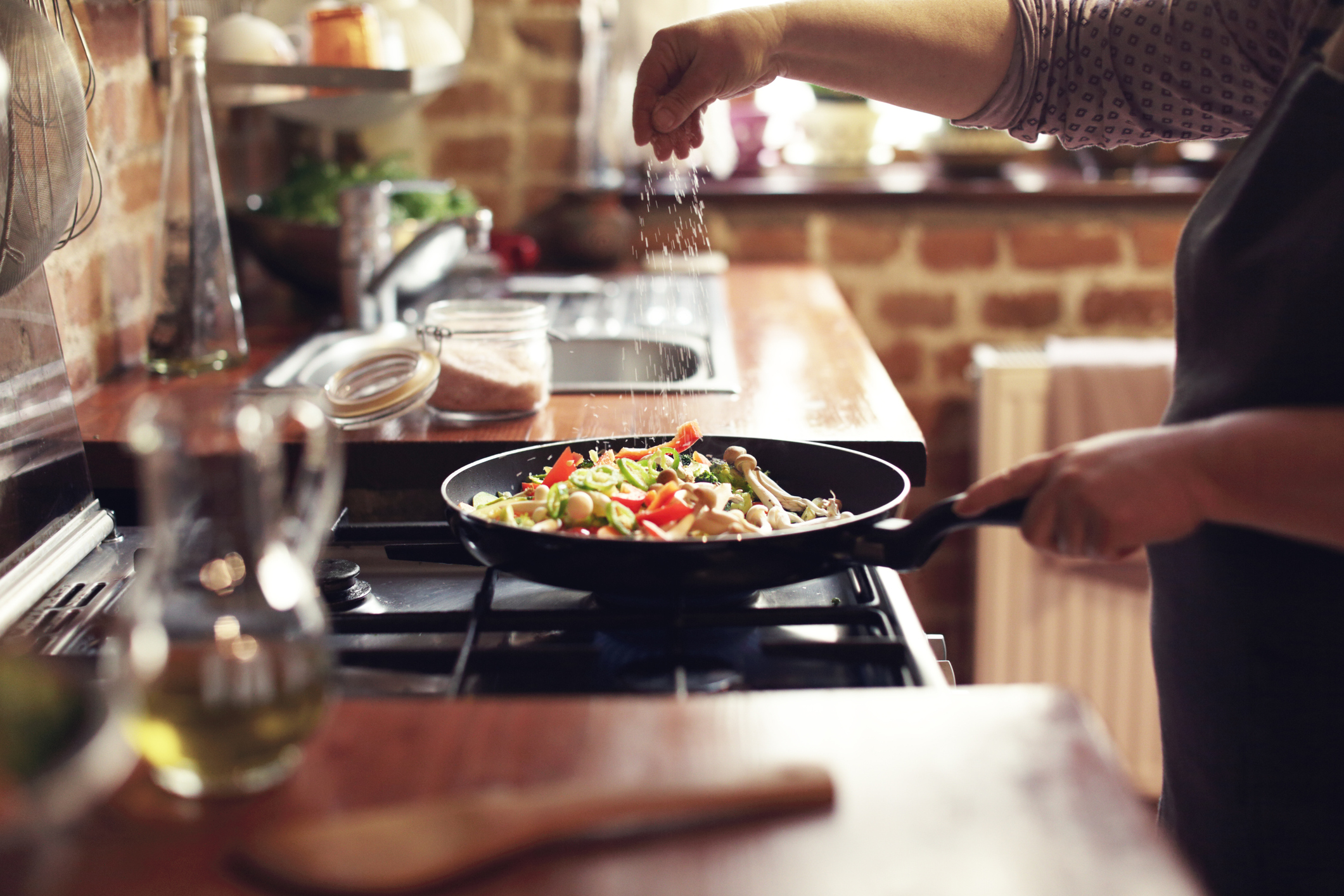
Only registered occupants of the HDB flat can run the business, and if you’re a tenant, you must obtain consent from the property owner before starting operations. Whilst family members can help and friends can lend a hand during busy periods, you cannot officially employ or pay salaries to non-registered occupants.
This restriction ensures the business maintains its home-based character rather than becoming a commercial operation with external staff.
1. The no dine-in reality
Your home café cannot function as a traditional restaurant where customers sit and enjoy their meals. This means no tables, seating areas, or dining facilities for customers within your home.
All business must be conducted through takeaway, delivery, or pre-arranged collection only. The restriction exists to preserve the residential nature of HDB flats and prevent your home from becoming a public gathering space that could disturb neighbours.
💡 Creative solution
Master the pickup experience: Since customers can’t dine in, create memorable pickup moments. Consider attractive packaging, personalised notes, or small thank-you gifts that make collection special and Instagram-worthy.
2. Marketing without signage
One of the most challenging aspects for new home café owners is the prohibition on physical advertising. You cannot display signboards, banners, posters, or advertisements at your residential premises.
All marketing and promotion must occur online through social media platforms, websites, or delivery apps, forcing entrepreneurs to become creative digital marketers.
3. Equipment and scale limitations
Your operations are restricted to domestic kitchen appliances only, meaning no industrial equipment, commercial ovens, large-scale mixers, or heavy machinery designed for commercial use.
This means equipment designed for home kitchens, such as domestic ovens, mixers, stoves, refrigerators, and food processors, are permissible as long as they are safe for home electrical systems and do not cause disturbances.
Food safety without the licence
Despite not requiring an SFA licence, home-based food businesses must comply with Singapore’s comprehensive food safety laws. This includes adhering to the Environmental Public Health Act and the Sale of Food Act, which prohibit selling food that’s unsafe or unfit for consumption.
The responsibility for food safety rests entirely on your shoulders, making proper knowledge and practices essential. The SFA recommends several concrete steps to ensure food safety, such as:
- Enrolling in the WSQ Food Safety Course Level 1 provides essential food handling knowledge that forms the foundation of safe operations.
- Following SFA’s Guidelines on Food Safety & Hygiene Practices, specifically designed for home-based businesses, gives you practical frameworks for daily operations.
- Additionally, maintaining clean, sanitised workspaces using food-grade containers and ensuring all ingredients come from SFA-regulated suppliers helps establish credible practices.
Understanding food restrictions
You can safely sell baked goods like cakes, cookies, and bread, along with coffee, tea, packaged snacks, and homemade sauces. Essentially low-risk food items that don’t require complex temperature control or specialised handling are A-okay!
However, ready-to-eat raw seafood such as sashimi, raw oysters, or marinated cockles are strictly prohibited. High-risk foods like dairy-based desserts and alcoholic beverages require special licensing that moves you outside the home-based business framework.

 1
1
 1
1
 4
3
4
3
 3
2
3
2
 1
1
1
1
 2
2
2
2
 1
1
1
1
 4
2
4
2
 4
5
4
5
 2
1
2
1
 2
3
2
3
Business registration and compliance
You must register your home café as a legitimate business with the Accounting and Corporate Regulatory Authority (ACRA). Most operators choose either sole proprietorship for simplicity or private limited company structures for growth potential.
The only exemption applies if you conduct business using your full legal name exactly as shown on your NRIC, without any descriptive additions like “Coffee by Sarah Lim” – which would require registration.
Tax responsibilities and record keeping
Home-based food businesses carry the same tax obligations as any other business in Singapore. This means tracking all income and expenses with proper documentation, filing annual tax returns as required, and registering for GST if annual turnover exceeds S$1 million.
Establishing invoicing and record-keeping systems from day one prevents complications as your business grows and provides the financial clarity needed for decision-making.
📊 Organisation tip
Set up systems early. Use simple accounting software or apps to track expenses and income from day one. Good records aren’t just for tax purposes; they help you understand your business performance and make informed decisions.
Navigating neighbour relations
Perhaps no aspect of running a home café requires more sensitivity than maintaining harmony with neighbours. Your operations must not create excessive noise, smoke, odours, or foot traffic.
This means avoiding long customer queues at your door, frequent delivery vehicle traffic, heavy equipment that generates noise, and strong cooking odours that affect neighbours.
🤝 Quick tip
Introduce yourself to immediate neighbours before starting operations. Share your contact details and invite them to reach out directly with any concerns rather than escalating to authorities.
Successful home café operators develop strategies to minimise neighbour impact. For instance, you could schedule your coffee roasting for Monday mornings when most residents are at work, and only accepts customers by appointment to avoid crowding outside your flat. Similarly, you can also adapt cooking techniques to avoid smoke in common corridors.
Since authorities don’t actively monitor home-based businesses, enforcement typically begins with neighbour complaints. The key is addressing concerns proactively and communicating openly with neighbours.
The business reality: Challenges and opportunities
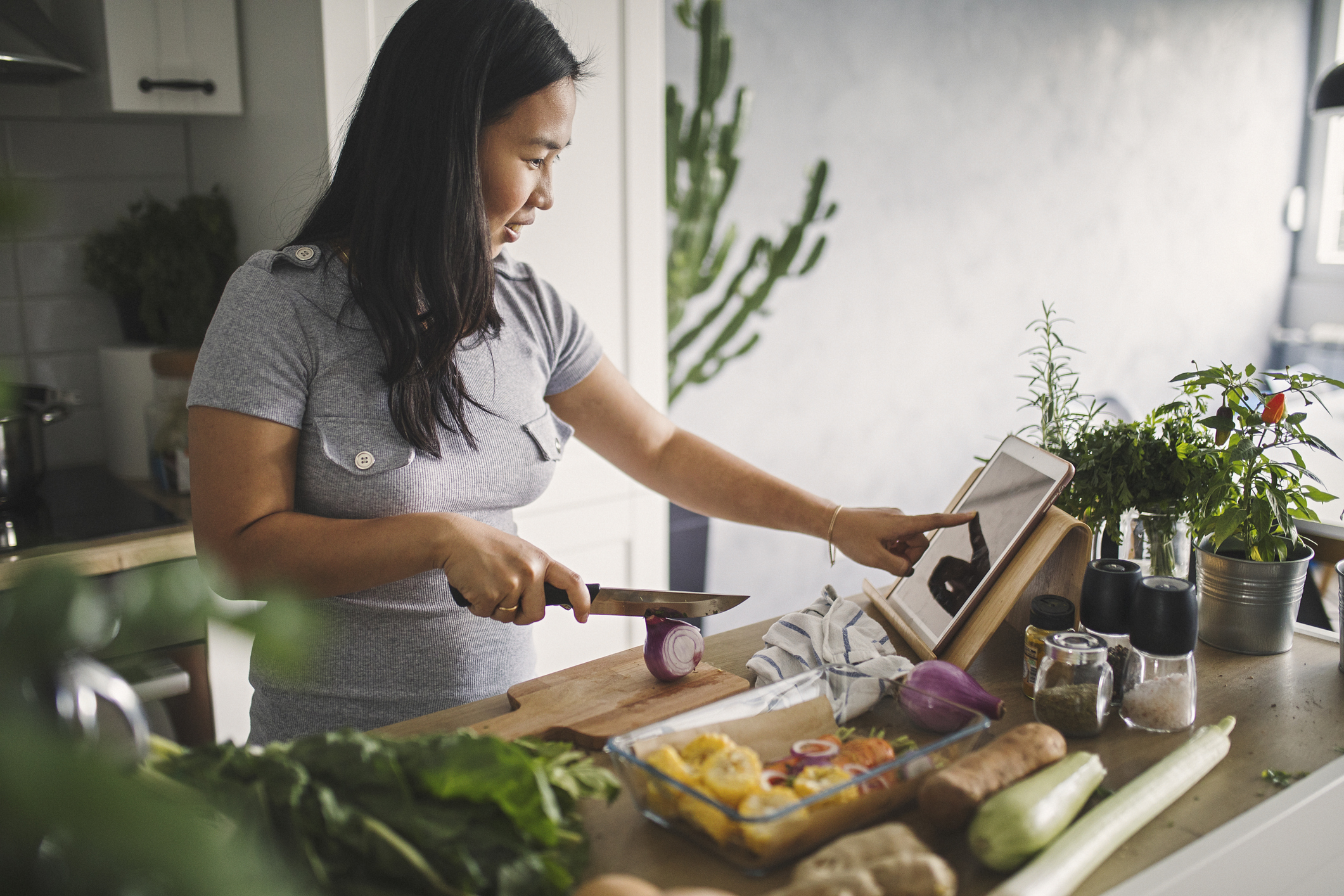
Most home kitchens aren’t designed for large-scale food production, requiring entrepreneurs to focus on small-batch production to maintain quality and consistency. This limitation can actually become a selling point, as customers increasingly value artisanal, small-batch products over mass-produced alternatives.
Managing deliveries whilst minimising neighbourhood disruptions requires careful coordination. Partnering with professional delivery services or establishing clear delivery schedules helps balance business needs with community harmony. Some operators find success in designated pickup times that spread customer visits throughout the day rather than creating peak-hour congestion.
⏰ Scheduling strategy
Create appointment slots. Use booking systems or scheduled pickup times to manage customer flow. This prevents crowding and shows neighbours you’re managing the business responsibly.
Running a business from home inevitably blurs boundaries between work and personal time. Setting specific work hours, creating dedicated workspace areas, and establishing family boundaries becomes essential for sustainable operations.
As businesses grow, entrepreneurs face decisions about scaling within home-based limitations or transitioning to commercial spaces. Home-based food businesses face specific restrictions that affect growth potential. You cannot sell to licensed SFA food establishments like hawker stalls, restaurants, coffee shops, or canteens.
These establishments can only serve food that’s either legally imported, prepared in their licensed premises, or sourced from other licensed establishments. This restriction limits your customer base to direct consumers and certain delivery platforms.
Large-scale catering is also prohibited under the home-based business scheme. The focus must remain on small-scale, individual household orders rather than bulk food services for events or corporate clients. Some delivery platforms, like GrabFood, require merchants to possess valid SFA licences, which home-based businesses don’t have, potentially limiting your distribution channels.
📱 Platform strategy
Diversify your channels. Don’t rely on a single platform. Build presence across Instagram, WhatsApp Business, Facebook, and direct messaging to reduce dependency on platforms with licensing requirements.
Financial considerations and planning
The financial reality of home cafes varies significantly based on scale and execution. Some operators like those featured in YouTube reviews report monthly revenues ranging from S$600 to S$760, though these figures represent gross revenue before expenses. The appeal often lies not in pure profit but in pursuing passion projects whilst covering hobby costs.
When businesses transition from home-based to commercial operations, the financial landscape changes dramatically. This is where insurance comes in handy!
Whilst not legally required, business insurance provides protection against unique risks facing food businesses. Home-based food businesses face potential challenges including food poisoning liability, property damage from cooking equipment, and business interruption from neighbour complaints or regulatory issues.
Several insurers offer specialised SME packages that include product liability coverage specifically designed for food businesses.
🛡️ Quick tip
Consider insurance early. Even though it’s not required, business insurance can protect against product liability claims and property damage. The small premium could save you from devastating financial losses in the future.
Getting started: A realistic roadmap

Phase 1: Foundation building
Begin by honestly assessing your space and ensuring compliance with equipment restrictions. Your kitchen setup should accommodate increased activity without overwhelming your home’s electrical systems or creating noise issues. Complete ACRA registration under an appropriate business structure, considering future growth plans and tax implications.
Invest in proper food safety training through the WSQ Food Safety Course Level 1, and establish robust record-keeping systems for both financial tracking and food safety documentation. This foundation prevents problems later when you’re busy managing operations.
Phase 2: Soft launch and community building
Start with a limited menu of low-risk items you can execute consistently. Build your customer base gradually through social media and word-of-mouth, focusing on quality over quantity. Monitor neighbour relations carefully during this phase, addressing any concerns immediately and proactively.
Establish operating schedules that respect community quiet hours and minimise disruption. Many successful operators find success in appointment-only systems that allow better crowd management and neighbour consideration.
🚀 Launch strategy
Start with friends and family. Your initial customers should be people who know you personally. Their honest feedback and word-of-mouth recommendations provide the best foundation for growth.
Phase 3: Sustainable operations and growth decisions
As your business establishes rhythm, maintain strict hygiene standards and proper food storage practices. Continue building your digital presence whilst staying within advertising restrictions, potentially collaborating with other home-based entrepreneurs for mutual referrals.
Eventually, you may face decisions about scaling within home-based limitations or transitioning to commercial operations. This transition allows menu expansion, high-risk food service, supply to other establishments, and dine-in facilities, but comes with significantly higher costs, regulatory requirements, and operational complexity.
The bigger picture: Community and industry impact
Home-based food businesses contribute to Singapore’s evolving food landscape by providing training grounds for aspiring entrepreneurs, offering intimate dining experiences that complement rather than compete with traditional restaurants, and fostering community connections in residential areas. Customers who hadn’t met in years despite living nearby often encounter each other at these intimate venues, creating meaningful community moments.
The industry perspective suggests room for both home-based and commercial operations, with each serving different market segments and customer needs. Rather than viewing them as competitors, the food ecosystem benefits from the innovation, cultural depth, and intimate experiences that home-based businesses provide alongside the scale, consistency, and professional service of traditional restaurants.
Running an HDB home café requires balancing entrepreneurial ambition with community responsibility, regulatory compliance with creative expression, and business growth with family life. Success comes from understanding these complex dynamics and operating thoughtfully within them whilst building genuine connections with your customers and community.
About 99.co

We are a property search engine with the overarching goal of building a more transparent and efficient property market. We are working towards that future by empowering people with the tools and information needed to find a place to live in the best way possible.

Looking to sell your property?
Whether your HDB apartment is reaching the end of its Minimum Occupation Period (MOP) or your condo has crossed its Seller Stamp Duty (SSD) window, it is always good to know how much you can potentially gain if you were to list and sell your property. Not only that, you’ll also need to know whether your gains would allow you to right-size to the dream home in the neighbourhood you and your family have been eyeing.
One easy way is to send us a request for a credible and trusted property consultant to reach out to you.
Alternatively, you can jump onto 99.co’s Property Value Tool to get an estimate for free.
If you’re looking for your dream home, be it as a first-time or seasoned homebuyer or seller – say, to upgrade or right-size – you will find it on Singapore’s fastest-growing property portal 99.co.
Meanwhile, if you have an interesting property-related story to share with us, drop us a message here — and we’ll review it and get back to you.
Join our social media communities!
Facebook | Instagram | TikTok | Telegram | YouTube | Twitter




Leave a comment