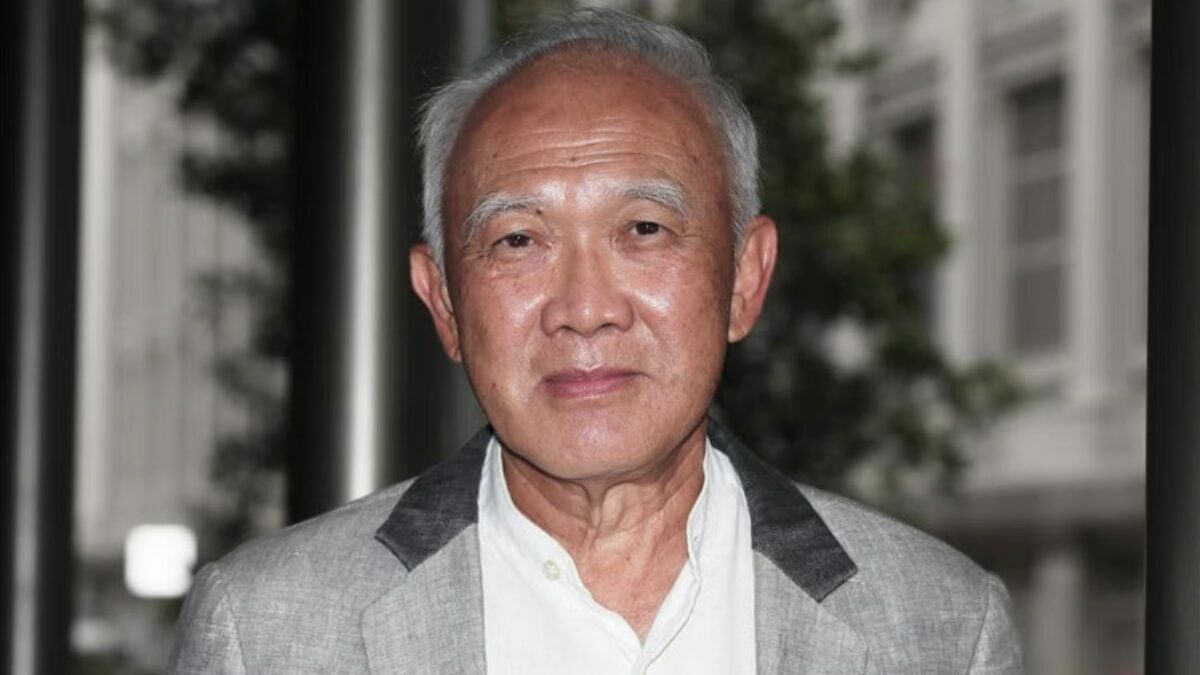
The recent High Court ruling on the Kwee property dispute has sparked discussions on property ownership, gifting, and trust laws in Singapore. The case centred on a legal battle between prominent businessman Peter Kwee and the private trustee of his daughter Karen Kwee’s bankruptcy estate over five properties registered in her name.
The court’s decision underscores critical legal principles that all property owners should be aware of, particularly when purchasing properties in the names of family members.
Table of Contents
Case overview
-
Mr Kwee’s arguments
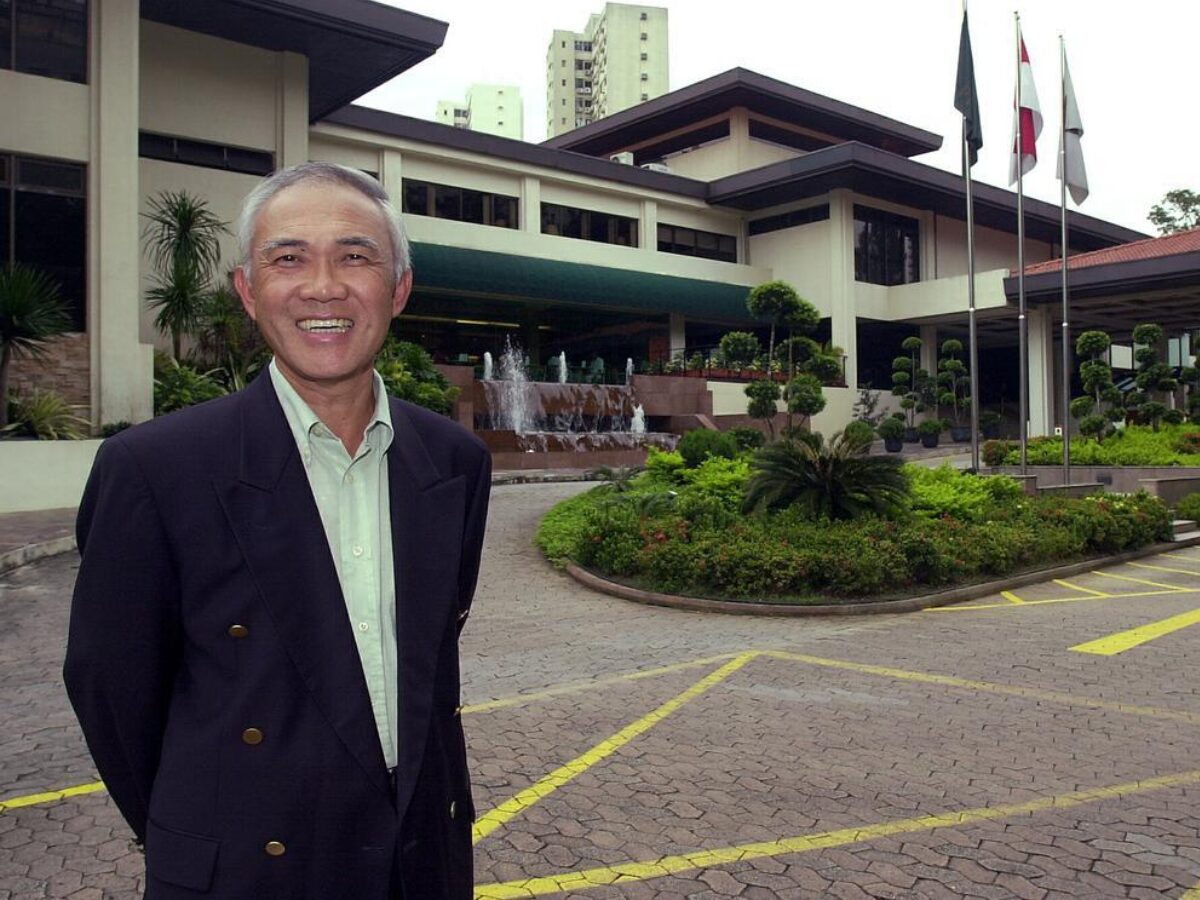
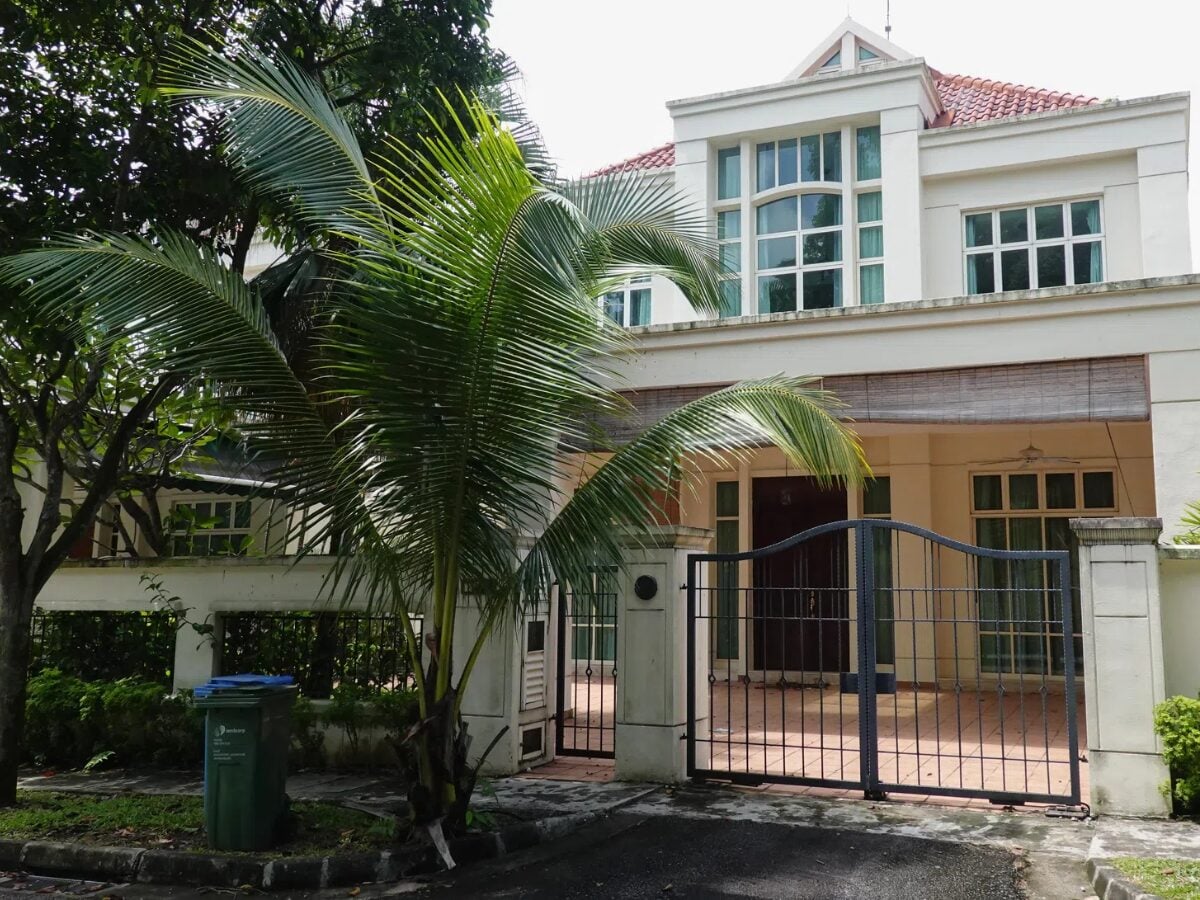
Peter Kwee, a well-known motoring tycoon, funded the purchase of five properties—two landed homes in Bukit Timah, Singapore, and three overseas properties in Canada and Australia. These properties were registered under the sole name of his daughter, Karen Kwee.
The businessman has a history of acquiring properties in the names of family members for business strategy, wealth planning, and estate duty avoidance.
The dispute arose after Ms Kwee was declared bankrupt in October 2022. The key legal question was whether the properties funded by Mr Kwee but held in his daughter’s name should be part of her bankruptcy estate and thus accessible to her creditors.
Mr Kwee contended that, despite being registered under his daughter’s name, the properties rightfully belonged to him. He argued that he had paid for the properties in full, controlled their management, and had placed them in his daughter’s name as part of a “name-placing” agreement.
He further asserted that rental income from these properties flowed into bank accounts he controlled, and therefore, the properties and the related bank funds should not be part of Karen Kwee’s bankruptcy estate.
-
Ms Kwee’s rebuttal
On the other hand, Mr Lai Seng Kwoon, the private trustee managing Karen Kwee’s bankruptcy estate, argued that the properties were legally and beneficially owned by Ms Kwee.
Given Mr Kwee’s history of financially supporting his daughter, there was a presumption that he had intended to gift the properties to her. Statements made by Mr Kwee, such as suggesting that the properties would belong to his daughter upon his passing, indicated that he had given her full ownership from the outset.
Since the bank accounts mainly received rental proceeds from these properties, they too were part of the bankruptcy estate.
-
The final judgment
Justice Philip Jeyaretnam ruled in favour of the trustee, dismissing Mr Kwee’s claim. The judge accepted that Mr Kwee had funded the purchases but determined that he had gifted the properties to his daughter, making her both the legal and beneficial owner.
The court found that while the properties were registered in Ms Kwee’s name, the legal principle of presumption of advancement applied, meaning that a transfer from a parent to a child is presumed to be a gift unless proven otherwise.
No resulting trust was established, as there was no evidence that Ms Kwee was holding the properties on behalf of her father. Since the bank accounts contained income from properties that were ruled as belonging to Ms Kwee, the funds were also included in her bankruptcy estate.
As a result, the properties and their proceeds remain part of Ms Kwee’s estate and will be used to repay her creditors. Additionally, Mr Kwee was ordered to pay over S$195,000 in legal costs.
Key legal principles, and takeaways for property owners
-
Legal vs beneficial ownership
Legal ownership refers to the person whose name is officially recorded as the owner of a property, while beneficial ownership refers to the individual who ultimately enjoys the financial and usage benefits of the property.
Courts in Singapore distinguish between these two forms of ownership to determine rightful claims. If a person holds property in their name but intends for another person to benefit from it, a trust may be implied.
In the Kwee property dispute case, the court ruled that Ms Kwee was both the legal and beneficial owner of the properties, meaning they rightfully belonged to her and formed part of her bankruptcy estate.
-
Presumption of advancement
The presumption of advancement is a legal principle that assumes when a parent transfers an asset to their child, it is intended as a gift rather than a temporary holding arrangement. This principle applies unless there is strong evidence to prove otherwise.
The court upheld this presumption in Mr Kwee’s case, concluding that the transfer of properties to his daughter’s name was a gift. Since there was no written agreement or clear evidence suggesting that the properties were meant to be held in trust, Mr Kwee could not rebut the presumption.
Takeaway: To safeguard ownership, individuals should ensure clear documentation through legally binding trust deeds if they intend to retain ownership despite the registration. Property transfers between family members may be presumed as gifts, making it difficult to reclaim assets in legal disputes.
-
Resulting trust
A resulting trust arises when one party funds the purchase of a property, but it is registered under another person’s name, creating an implied obligation for the named owner to hold it on behalf of the funder.
To establish a resulting trust, the funder must provide concrete proof (such as legal agreements or explicit instructions) demonstrating their intention to retain ownership. In this case, Mr Kwee did not present sufficient evidence to prove that a resulting trust existed.
The court found that his statements about the properties belonging to his daughter after his death supported the conclusion that they were gifted rather than held in trust.
Takeaway: If you contribute financially to an asset or property, but register it under someone else’s name, always ensure there is legal documentation proving your ownership. Courts will not assume a trust exists without strong evidence of rightful ownership.
-
Bankruptcy and asset ownership
Under Singapore’s bankruptcy laws, assets legally owned by a bankrupt individual form part of their bankruptcy estate and can be used to settle debts owed to creditors. Even if a third party financially contributed to the acquisition of the assets, the legal ownership structure takes precedence.
In this case, because the court determined that the properties and associated bank accounts belonged to Ms Kwee, they were included in her bankruptcy estate.
Takeaway: Legal ownership dictates what happens in bankruptcy proceedings. Informal financial contributions do not provide protection. This ruling serves as a crucial reminder that informal agreements regarding asset ownership may not hold up in court if clear legal documentation is absent.
Conclusion
The Kwee property dispute offers a valuable legal lesson on how Singapore courts interpret property ownership, gifts, and trust arrangements. It highlights the risks involved in informal property transfers and reinforces the importance of clear legal documentation.
This case is particularly significant for Singaporean families, where it is common for parents to assist their children in purchasing property. Without clear legal documentation, what was intended as an arrangement of convenience could result in unintended ownership transfers.
The ruling serves as a reminder that legal clarity is crucial in estate and wealth planning, as assumptions and verbal agreements may not be sufficient to protect one’s interests.
About 99.co

We are a property search engine with the overarching goal of building a more transparent and efficient property market. We are working towards that future by empowering people with the tools and information needed to find a place to live in the best way possible.

Looking to sell your property?
Whether your HDB apartment is reaching the end of its Minimum Occupation Period (MOP) or your condo has crossed its Seller Stamp Duty (SSD) window, it is always good to know how much you can potentially gain if you were to list and sell your property. Not only that, you’ll also need to know whether your gains would allow you to right-size to the dream home in the neighbourhood you and your family have been eyeing.
One easy way is to send us a request for a credible and trusted property consultant to reach out to you.
Alternatively, you can jump onto 99.co’s Property Value Tool to get an estimate for free.
If you’re looking for your dream home, be it as a first-time or seasoned homebuyer or seller – say, to upgrade or right-size – you will find it on Singapore’s fastest-growing property portal 99.co.
Meanwhile, if you have an interesting property-related story to share with us, drop us a message here — and we’ll review it and get back to you.
Join our social media communities!
Facebook | Instagram | TikTok | Telegram | YouTube | Twitter





Leave a comment