Halloween doesn’t always work as I plan. As it turns out, you can’t cheer up a friend in the hospital, by visiting dressed as the Grim Reaper. This year I figure it’s better to re-watch old horror films (my eyes are closed 70 percent of the time, so it’s almost as if I’ve never watched them anyway), and spot some real world property lessons in them.
Here’s what you need to know:
-
House on Haunted Hill: It doesn’t matter whether the ghost is real

House on haunted hill (1959)
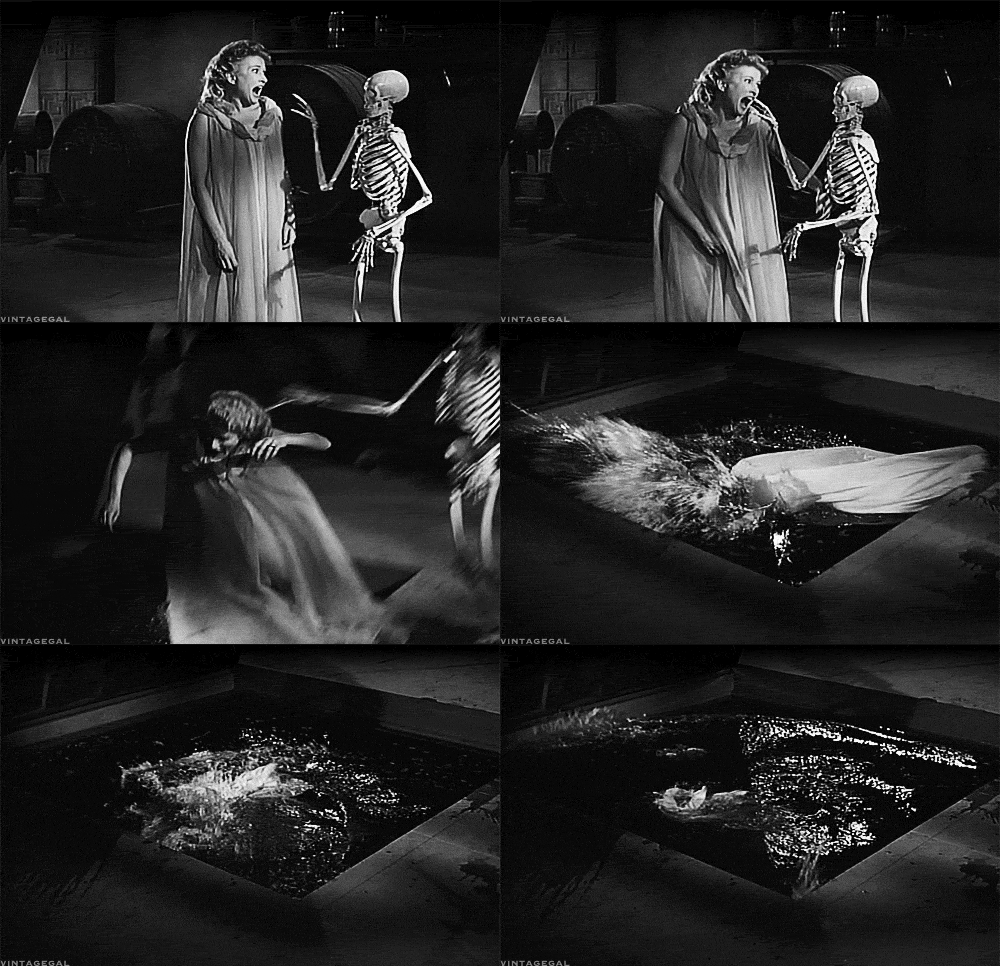
I’m referring to the original House on Haunted Hill, which was directed by William Castle in 1959. The copyright’s expired, so it’s free to watch. Go ahead and find a place to download it.
In the movie, a millionaire challenges a group of people to stay in his creepy old house for a night. Those who make it through get $10,000. The only condition is that at midnight, the power goes out, and everyone gets locked in.
It’s uncertain if the events that follow (a rain of blood, a severed head, the appearance of a woman who hanged herself) are faked or real. Some of them are scare attempts, but some may be real – people still argue about whether the house was actually haunted.
But you know what? It doesn’t matter. Whether you believe in ghosts, or whether ghosts actually exist, it affects the way people react to the house. Stories (there’s a loon in the movie who keeps explaining the house’s dark history) blur fact and fiction, such that the end result is the same.
Property lessons:
It doesn’t matter if you believe in superstitious elements; such as taboos from murders committed in the house, or even unlucky numbers (would you stay in unit #4-44?)
Other people might believe in it, and this might make them uncomfortable. No one wants to buy or rent a house they’re not comfortable in, so there are real world effects. A superstitious tenant might spread rumours and leave early, and house prices can be affected by taboo events.
Before you buy a house, think about how others might react to its history. Even if you don’t care. All it takes for a house to be haunted is for people to believe it’s haunted.
-
Ju On: The Grudge

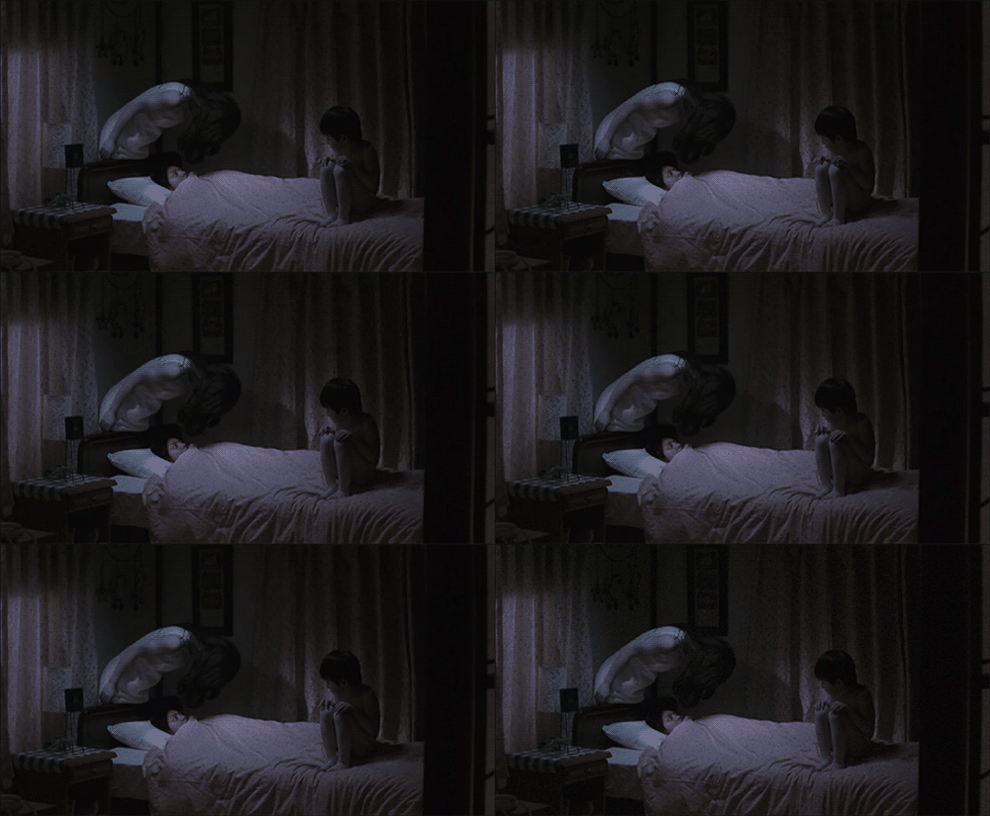
This is a Japanese horror film directed by Takashi Shimizu. The premise is straightforward: some guy murders his wife (horribly), and then his child, because he suspected she was having an affair. Their angry deaths taint the house, and everyone who walks in it gets killed of.
Also, there’s something to do with cats for some reason.
The scary bit isn’t the ghosts themselves; the dead people have missing jaws, can only crawl because of a broken neck, is just a kid, etc. The scary bit are the warnings the house itself gives. The windows are boarded up with newspaper, there are things left lying in dark corners (like a corpse in one instance), and the whole place is in a mess. Also, the lights aren’t properly maintained.
There’s even a scene where a property agent brings his psychic sister to check out the house, presumably because there are issues selling it. That makes two property lessons here.
Property lessons:
The darker the history of your property, the more you need to dress it up. Don’t leave the damn newspapers covering the window, or food out on the table when guests arrive. And get an electrician to light the place like Christmas, or fix those creaking stairs. In short, stage the house if you want to sell it, to get around shortcomings.
You’d think that’s common sense, but I’ve viewed houses where the owners have left week old cup noodles on the table, or damp newspaper all over the kitchen floor (from a spill two days ago).
-
The Woman in Black

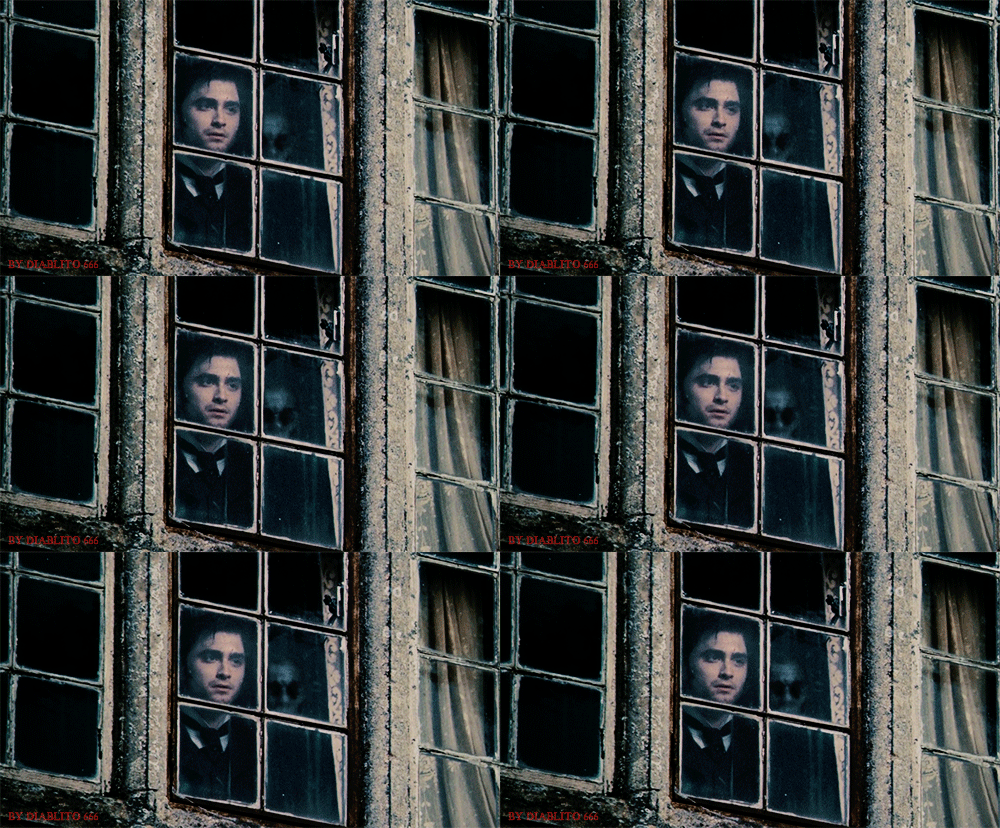
Directed by James Watkins in 2012, Daniel Radcliffe is in this! It’s an Edwardian era tale, about a house on a marsh. It was actually called, Eel Marsh House, which shows that property developers in those days had some really crap marketing teams (if we did this today, we’d have a Longkang View Condo somewhere).
Harry Potter (I don’t care what his character’s name in any movie is, Daniel Radcliffe is now Harry Potter forever) gets sent to the house to retrieve some old documents. Because life really sucked before email. This involves visiting the creepy house on top of the marsh, in which a child drowned. You know the story: lots of people died in it, for very unhappy reasons.
The ultimate clincher is a scene from outside the window: the body of a child pulling itself out of a marsh, and stumbling up to the front door. Also notable: the amount of creepy old toys and junk that move about on their own.
The main “ghost” is an angry dead mother. Which by the way, should tell you how terribly sexist a lot of these stories are. Why is the ghost an angry dead mother all the time?
Property lessons:
Pay attention to amenities, and accessibility. None of the ghosts would be an issue, if the house was located right in town. The horror here is in the sense of isolation. The danger arises from the fact that the house is hard to get to (it’s in the middle of a marsh), and is too far from town by carriage.
When picking a location to buy, we often think in terms of amenities and aesthetics (e.g. do I like being away from the city? Is there a shopping mall nearby?) We seldom forget the most obvious element: safety.
When picking a location to buy, we often think in terms of amenities and aesthetics (e.g. do I like being away from the city? Is there a shopping mall nearby?) We seldom forget the most obvious element: safety.
ultiple neighbours, so you get help when someone falls, gets ill, stalked by the ghost of a crazy dead woman, etc.
-
Be extra cautious of repurposed property
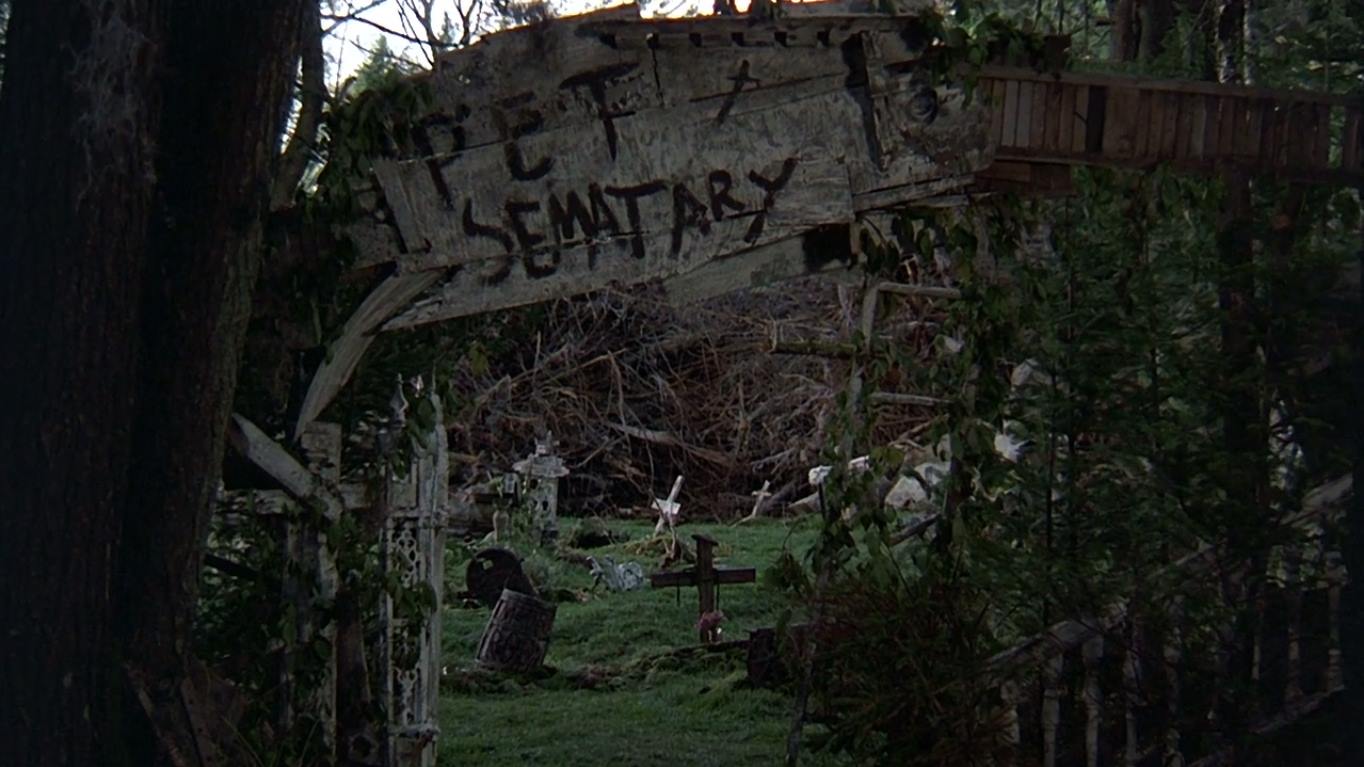
I’m not even going to name a movie, because this one is in hundreds of them. You know how it works: you buy a house, and find weird things happening. Later you dig into its history, and you find out it was an old hospital / funeral parlour / burial ground.
All the angry souls from then will inhabit the new building and torment the residents, because there’s nothing to do but troll people when you don’t have a life (literally).
Sometimes, even telling someone they’re atop a former burial mound causes a freak out (Bishan had some reputational damage several decades ago, when many of its flats were built above a former cemetery).
Thing is, there’s actually some truth to the idea of not moving into a repurposed building. And the reasons are technical.
Property lessons:
Remember that repurposed buildings were not designed for their current function. This is why you can’t just take a shophouse and turn it into a restaurant space overnight (the plumbing, electrical wiring, and safety codes are all different). And besides ghosts, there may be lingering effects from the last function.
For example, if you really do buy a landed property that used to be a clinic or small hospital, you should rip out the whole ventilation system. Thousands of sick people were coughing in there.
Repurposed buildings are sometimes a good deal, but that low price is because you’re expected to make extensive renovations. So if the undead don’t worry you, the contractor’s bill should.
About Ryan Ong


Looking to sell your property?
Whether your HDB apartment is reaching the end of its Minimum Occupation Period (MOP) or your condo has crossed its Seller Stamp Duty (SSD) window, it is always good to know how much you can potentially gain if you were to list and sell your property. Not only that, you’ll also need to know whether your gains would allow you to right-size to the dream home in the neighbourhood you and your family have been eyeing.
One easy way is to send us a request for a credible and trusted property consultant to reach out to you.
Alternatively, you can jump onto 99.co’s Property Value Tool to get an estimate for free.
If you’re looking for your dream home, be it as a first-time or seasoned homebuyer or seller – say, to upgrade or right-size – you will find it on Singapore’s fastest-growing property portal 99.co.
Meanwhile, if you have an interesting property-related story to share with us, drop us a message here — and we’ll review it and get back to you.
Join our social media communities!
Facebook | Instagram | TikTok | Telegram | YouTube | Twitter



Leave a comment