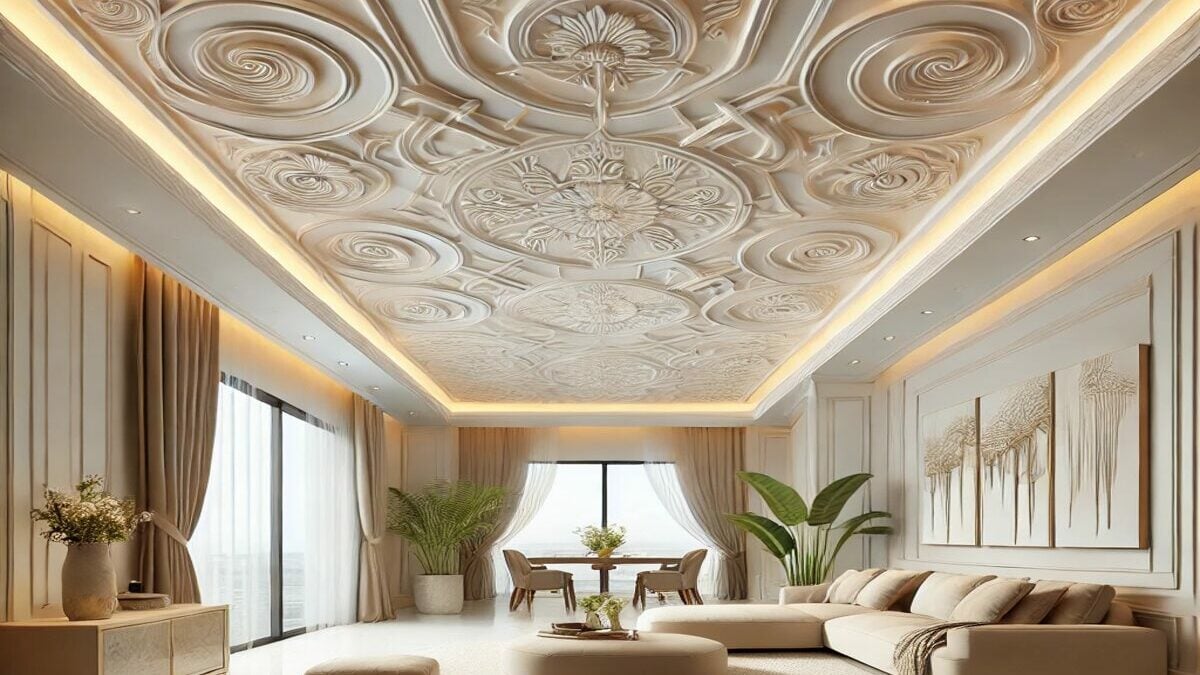
False ceilings have become an essential design feature for modern homes, serving both functional and aesthetic purposes. They help conceal wiring, air-conditioning ducts, and lighting while providing thermal and acoustic insulation.
In Singapore, false ceilings are a popular choice in HDB flats, condos, and private homes, and the selection of materials plays a crucial role in both durability and design.
This article will explore trending false ceiling materials ideal for Singapore’s unique climate and interior preferences.
Table of contents:
- Glass false ceilings
- PVC false ceilings
- Wooden false ceilings
- Metal false ceilings
- Plaster of Paris (POP) false ceilings
- Gypsum false ceilings
Glass false ceilings
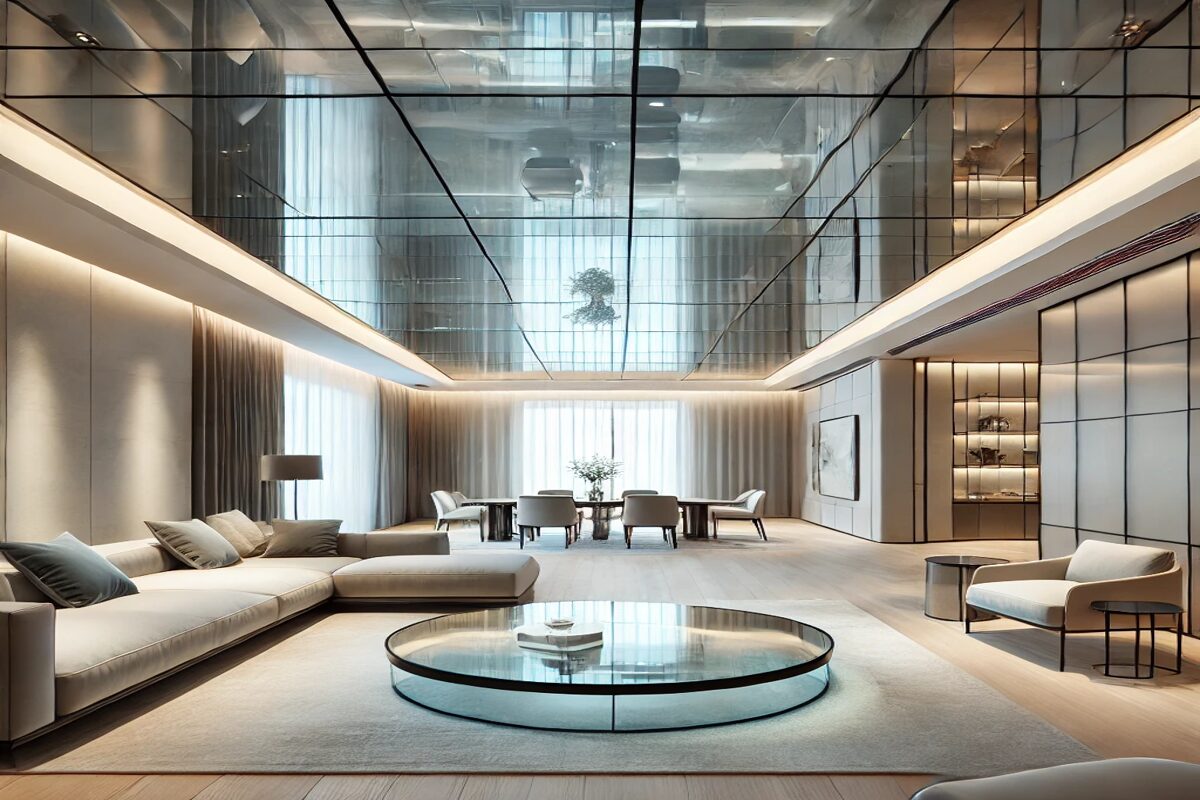
Glass ceilings are a modern, luxurious option that can add light and openness to any space. While not as commonly used in residential settings, glass false ceilings are gaining popularity in contemporary homes and offices.
- Pros:
- Enhances light: Glass ceilings reflect and diffuse natural light, making rooms appear larger and brighter.
- Customisable: Glass panels come in various finishes and colours, allowing for a unique, personalised design.
- Cons:
- Fragile: Glass is prone to breaking, making it less durable than other materials.
- Expensive: The cost of glass ceilings can be high, and they require regular cleaning to maintain their appearance.
Read this: How to Get the “Designer Apartment” Look Without Breaking Your Bank Account
Best for: Modern living rooms, offices, and commercial spaces that seek to enhance light and openness.
PVC false ceilings
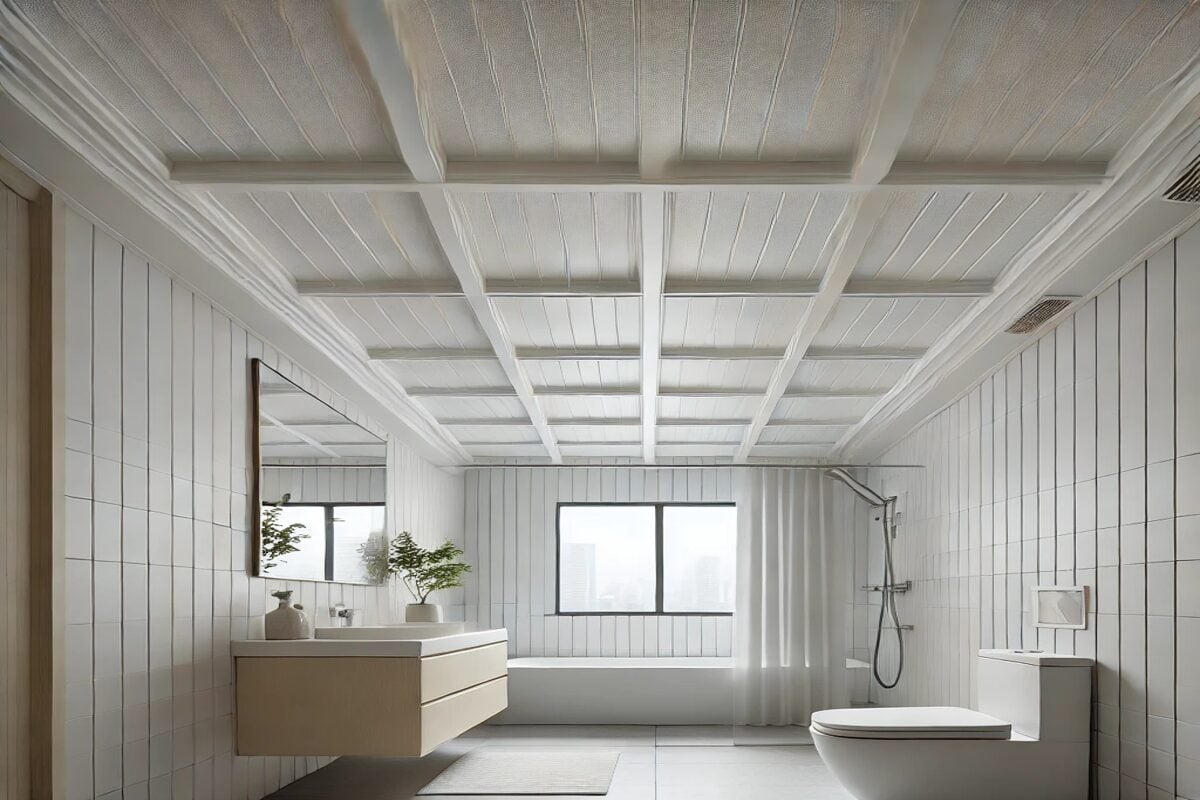
PVC (Polyvinyl Chloride) is a budget-friendly, water-resistant material ideal for areas prone to moisture. In Singapore’s humid climate, PVC ceilings are often used in bathrooms, kitchens, and laundry rooms.
- Pros:
- Water-resistant: PVC panels are highly resistant to moisture, making them perfect for wet areas.
- Low maintenance: PVC ceilings are easy to clean and maintain, requiring little upkeep to keep their appearance.
- Affordable: PVC is a cost-effective option for homeowners on a budget.
- Cons:
- Plastic appearance: PVC can lack the premium look of materials like wood or gypsum, giving it a less sophisticated appearance.
- Non-fire-resistant: PVC is not fireproof, which could be a concern in certain areas.
Best for: Bathrooms, kitchens, and other moisture-prone areas in the home.
Wooden false ceilings
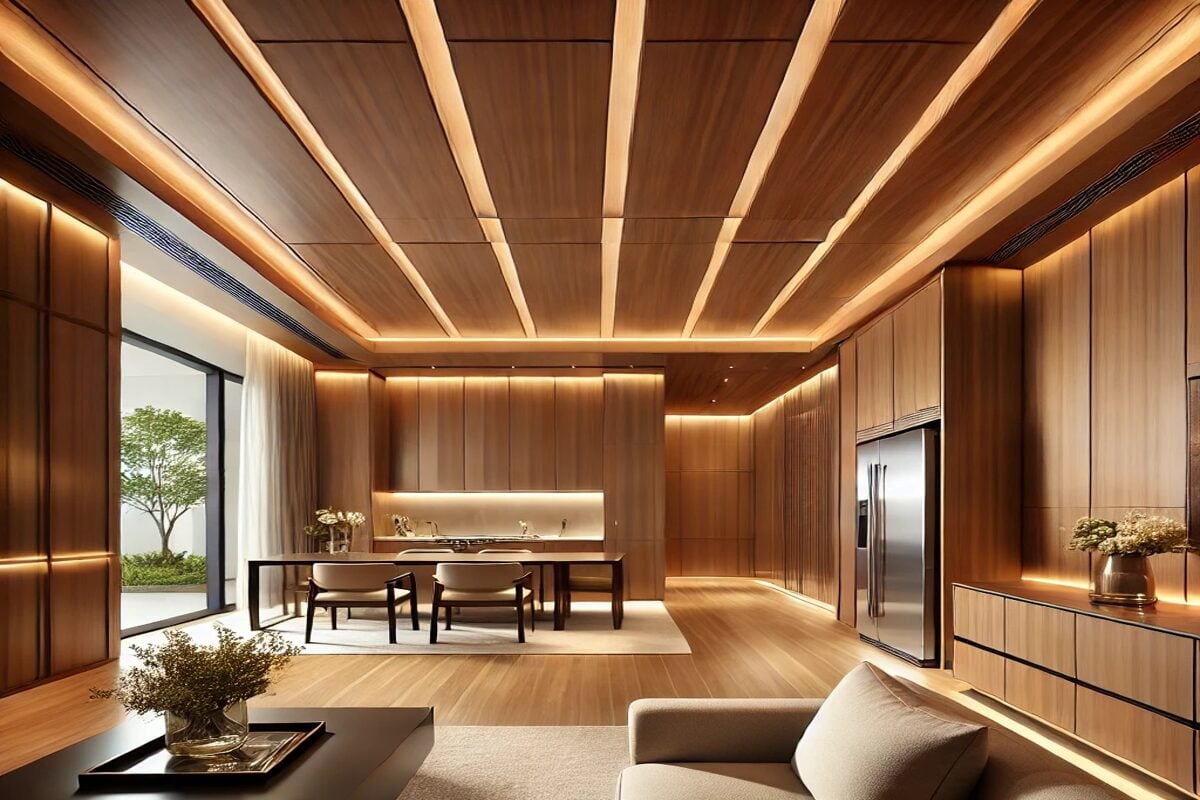
Wooden false ceilings add warmth and a natural touch to interiors, making them a popular choice for high-end homes in Singapore. Whether used for traditional or modern designs, wood ceilings offer a rich texture and luxurious appeal.
- Pros:
- Elegant aesthetic: Wood offers a natural, rich look that enhances the overall design of a room. Wooden false ceilings can be stained or painted to match any decor.
- Great insulation: Wood acts as an excellent insulator for both heat and sound, making it perfect for creating cosy, quiet spaces.
- Cons:
- Expensive: Wooden ceilings are costly, especially when using high-quality materials such as timber or solid wood.
- High maintenance: Wood is prone to warping, cracking, and termite infestation in Singapore’s humid climate. It requires regular maintenance to preserve its look and functionality.
Best for: High-end residential homes, or as accent ceilings in living rooms, study areas, or bedrooms.
Metal false ceilings
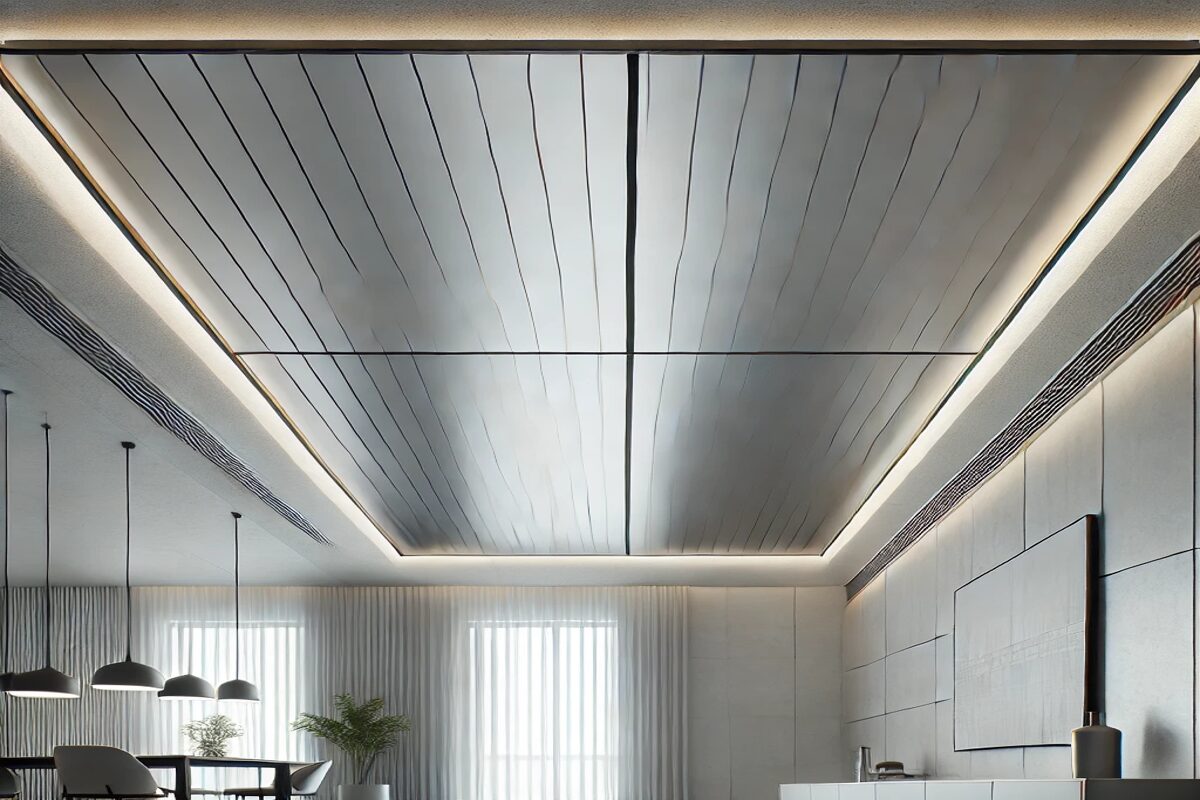
Metal false ceilings are a sleek, modern option that is gaining popularity in both residential and commercial spaces. Typically made from aluminium or galvanised iron, these ceilings offer a clean, industrial look.
- Pros:
- Durability: Metal ceilings are long-lasting and do not warp or crack. They are fire-resistant, making them suitable for high-risk areas.
- Easy maintenance: Metal ceilings are easy to clean and maintain, making them ideal for spaces that require low upkeep.
- Modern aesthetic: Metal’s reflective surface can enhance lighting and give rooms a more spacious feel.
- Cons:
- Expensive: Metal ceilings are pricier than many other materials.
- Limited insulation: Metal is not an effective insulator for sound or temperature control.
Best for: Modern homes with industrial or minimalist design themes, as well as commercial spaces like offices or retail shops.
Plaster of Paris (POP) false ceilings
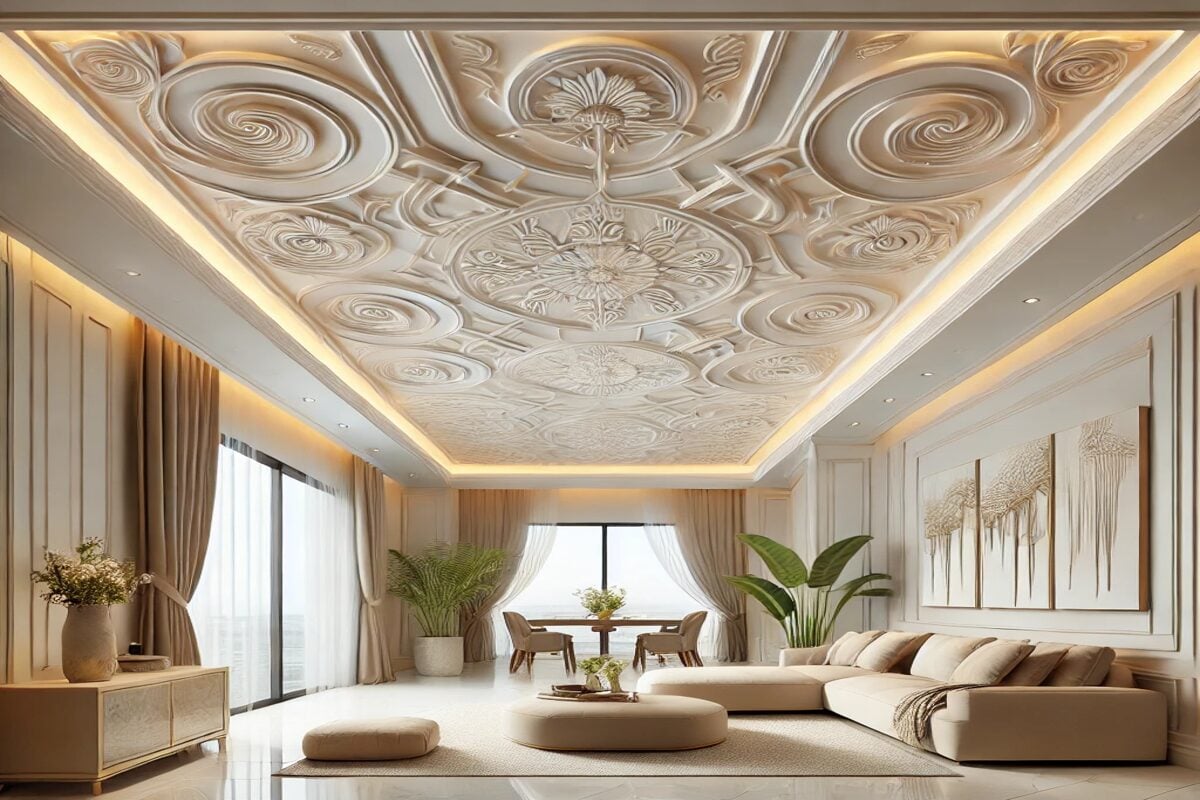
Plaster of Paris (POP) is another common material used in Singapore homes for false ceilings, prized for its flexibility and affordability. POP is a soft material that allows homeowners to create elaborate designs, making it a favourite for artistic ceiling solutions.
- Pros:
- Design flexibility: POP can be moulded into intricate patterns and shapes, allowing for highly creative ceiling designs.
- Seamless finish: Unlike other materials, POP creates a smooth, uniform finish without visible joints, making it perfect for painting and customisation.
- Cost-effective: POP is more affordable than materials like wood or metal, making it a popular choice for homeowners on a budget.
- Cons:
- Prone to cracking: Over time, POP false ceilings may develop cracks, particularly in areas with high humidity.
- Requires maintenance: Regular upkeep is needed to maintain the aesthetic appeal and structural integrity of POP ceilings.
Best for: Hallways, living rooms, and spaces where artistic ceiling designs are desired.
Gypsum false ceilings
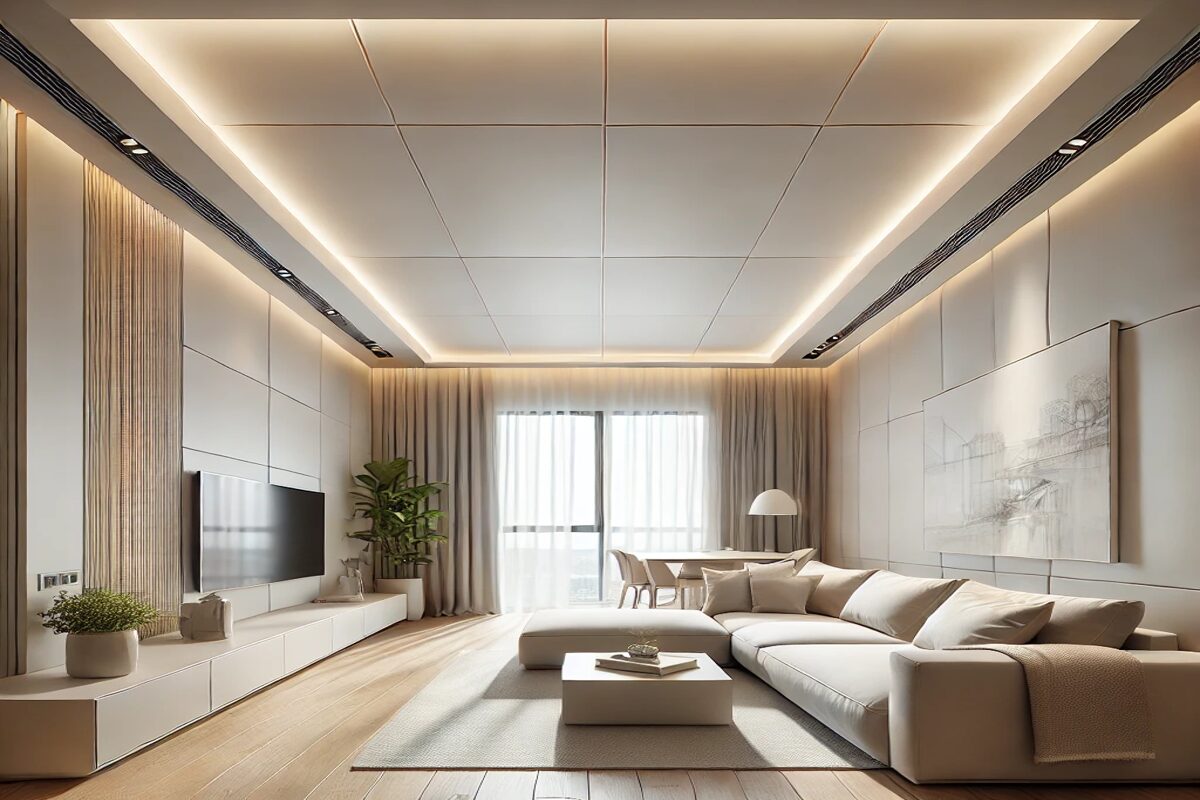
Gypsum is one of the most popular false ceiling materials in Singapore, renowned for its clean, smooth finish, and versatile applications. This material is widely used in homes and commercial spaces because of its modern appeal and functionality.
- Pros:
- Fire-resistant: Gypsum is a non-combustible material, providing added safety in homes.
- Lightweight and durable: It is easy to install and can be cut into various shapes, making it perfect for seamless false ceiling designs.
- Acoustic and thermal insulation: Gypsum ceilings help reduce noise and maintain a comfortable temperature, making them ideal for living rooms and bedrooms.
- Aesthetic appeal: The smooth surface can be painted or laminated to suit any interior design style.
- Cons:
- Not suitable for humid areas: Gypsum absorbs moisture and can warp or weaken over time, making it unsuitable for bathrooms and kitchens.
- Challenging to repair: Damaged gypsum ceilings need to be replaced entirely, which can be inconvenient and costly.
Read this: Interior designer or contractor: Who should you pick?
Best for: Living rooms, bedrooms, and spaces with air-conditioning ducting where soundproofing is desired.
Conclusion
When choosing a false ceiling material for your home in Singapore, it’s essential to consider both the functionality and aesthetics of the space. Gypsum, POP, wood, metal, PVC, and glass all offer unique advantages and disadvantages.
For areas prone to moisture, PVC might be the best option, while wood adds luxury and warmth to living spaces. Gypsum and metal provide modern, durable options suitable for both homes and offices. Ultimately, the right material will depend on the room’s requirements and your personal design preferences.
Your potential next homes:

 2
2
 2
2
 4
2
4
2
 3
2
3
2
 2
2
2
2
 3
3
3
3
 3
3
3
3
 2
2
2
2
 1
1
1
1
 2
2
2
2
 2
1
2
1
 2
3
2
3
 3
2
3
2
 3
2
3
2
 1
1
1
1
 3
3
3
3
 3
2
3
2
 4
4
4
4
 2
2
2
2
 2
2
2
2
 1
1
1
1
 4
3
4
3
 2
2
2
2
 2
1
2
1
 4
3
4
3
 0
1
0
1
 4
4
4
4
 4
5
4
5
 1
1
1
1
 2
2
2
2
 2
2
2
2
 2
2
2
2
 3
2
3
2
 2
2
2
2
 3
2
3
2
 3
2
3
2
 3
1
3
1
 2
2
2
2
 2
1
2
1
 2
2
2
2
 1
1
1
1
 3
2
3
2
 2
2
2
2
 3
2
3
2
 3
2
3
2
 3
2
3
2
 2
1
2
1
 2
2
2
2
 3
2
3
2
 3
2
3
2
 4
2
4
2
 3
2
3
2
 6
4
6
4
 2
2
2
2
 3
2
3
2
 3
2
3
2
 3
2
3
2
 3
1
3
1
 3
2
3
2
 4
2
4
2
 2
2
2
2
 3
2
3
2
 3
1
3
1
 4
3
4
3
 3
2
3
2
 4
3
4
3
 3
2
3
2
 2
2
2
2
 2
2
2
2
 2
2
2
2
 3
2
3
2
Disclaimer: This information is intended solely for general informational purposes. 99.co makes no claims or guarantees regarding the accuracy, completeness, or suitability of the information, including, but not limited to, any assertion or assurance regarding its appropriateness for any specific purpose, to the maximum extent allowed by law. Despite all efforts to ensure that the information presented in this article is current, reliable, and comprehensive at the time of publication, it should not be used as the sole basis for making financial, investment, real estate, or legal decisions. Furthermore, this information is not a replacement for professional advice tailored to your unique personal circumstances, and we disclaim any responsibility for decisions made using this information.
About Azhann Rosmin

Azhann Rosmin is a writer who has 6 years of professional forte. He specialises in writing about real estate and lifestyle topics. His coverage mostly focuses on HDBs, condos, BTOs, and landed houses while also favouring topics of food, nightlife, and technology. He has worked in multiple writing positions that include cryptocurrency, fintech, e-commerce, fashion, and cosmetics. Azhann graduated with a bachelor's degree in Applied Linguistics and also writes poetry.

Looking to sell your property?
Whether your HDB apartment is reaching the end of its Minimum Occupation Period (MOP) or your condo has crossed its Seller Stamp Duty (SSD) window, it is always good to know how much you can potentially gain if you were to list and sell your property. Not only that, you’ll also need to know whether your gains would allow you to right-size to the dream home in the neighbourhood you and your family have been eyeing.
One easy way is to send us a request for a credible and trusted property consultant to reach out to you.
Alternatively, you can jump onto 99.co’s Property Value Tool to get an estimate for free.
If you’re looking for your dream home, be it as a first-time or seasoned homebuyer or seller – say, to upgrade or right-size – you will find it on Singapore’s fastest-growing property portal 99.co.
Meanwhile, if you have an interesting property-related story to share with us, drop us a message here — and we’ll review it and get back to you.
Join our social media communities!
Facebook | Instagram | TikTok | Telegram | YouTube | Twitter




Leave a comment