
Everyday at 99.co, we pick a piece of property jargon to demystify for you. Today, we look at Real Estate Investment Trusts (REITs).
What’s a Real Estate Investment Trust (REIT)?
A lot of Singaporeans want to invest in property; but they often run into a problem. It’s what we property industry experts technically call “not having a few million bucks lying around“.
One potential solution is to invest in a REIT instead. This is when a large group of investors pool their money, and a professional manager uses it to strategically buy various properties. The money made from those properties (usually in the form of rental income) is then paid back to investors in the form of dividends.

There are different types of REITs, but each one usually focuses on one type of property. A REIT might focus on retail properties (think CapitaLand with its shopping malls), industrial estates (Mapletree Industrial Trust), hospitality (Ascendas Hospitality Trust and its hotels), and so forth.
At the time of writing, there are 44 REITs and property trusts listed on the Singapore Exchange, forming a market capitalisation of S$115 billion (13% of the entire Singapore stock market).
When discussing local REITs, you may also see the distinction S-REIT, which indicates it’s in Singapore, and thus subject to certain laws (see below).
How much money do people make out of these REITs?
It varies based on the trust you buy; but for the most part, returns of around 7% per annum are not unheard of.
There is also the potential gain (or loss) that can occur when you sell your units in a REIT. Like stocks, the price of your units in a REIT can rise or fall, even if its dividends haven’t changed recently.

We’re not qualified financial advisors, so we can’t advise you to buy (or not buy) REITs. You’ll have to speak to someone like a wealth manager, to decide if they fit into your portfolio.
Why not just buy the actual property?
At the most basic level, REITs offer exposure to the property market, for people who haven’t got enough capital to buy their own property yet, but it differs significantly from owning an actual second or third home.
In the past, the only way to get exposure to the real estate market was, well, to own real estate. REITs changed that by allowing investors to invest in properties, without having to own the actual properties themselves.
Some investors may even prefer REITs to the idea of owning a property – it’s certainly lighter on the wallet, and more flexible.
Second, REITs offer some diversification. If all your money is tied up in one property, then you’ve got all your eggs in one basket. The REIT spreads your money across multiple properties, so even if one sucks (i.e. no one wants to rent it), the others can make up for it by doing better.

The third reason is that some people just want liquidity. You can’t sell a house in a week if you have an emergency, but you can sell off your units in a trust. Of course, that doesn’t remove the risk of selling for less than you bought.
The fourth – but not last – reason is that it lets average people invest in properties they could never otherwise own. Most of us can save 100% of our income till we die, and still not afford a S$150 million shopping mall or office building to rent out.
Read this: Are REITs really a ‘smarter pick’ than property?
What’s the difference between S-REITs and REITs?
One reason S-REITs are so well liked is that, by law, they must pay out 90% of their profits as dividends. As such, our local REITs tend to generate higher payouts compared to counterparts in, say, Australia or Japan.
S-REITs also have low gearing ratios (low debt), which makes them a low-risk proposition. On top of that, the government restricts how much our REITs can use for greenbelt development (i.e. building new properties to rent out, rather than just buying them).
This prevents the REITs from dabbling in property development, which is a riskier proposition.
For more details on this, speak to a qualified wealth manager.
Why are REITs always blamed for killing the retail scene?
Among some retail tenants, retail REITs are a sensitive topic. When a mall is run by a REIT (and most malls are these days), their rental rates are governed by the trust. As the appointed manager(s) wants to generate higher rental income – and hence dividends – for the REIT investors, they are always pushing for higher rental.
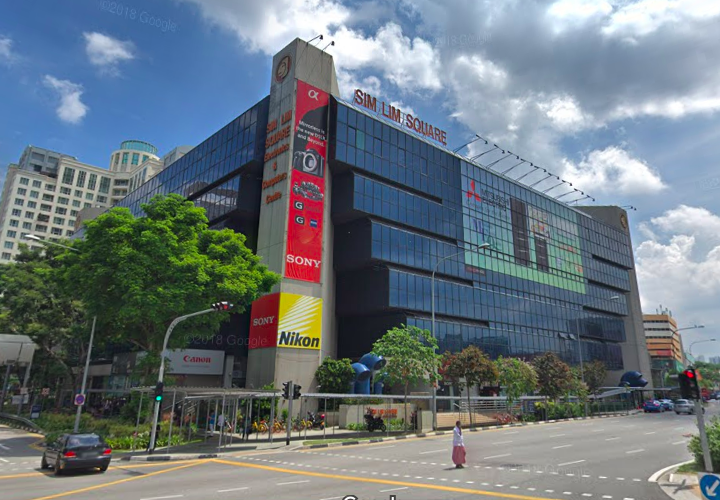
So when local businesses fail, and they blame the high cost of rental, the finger gets pointed at REITs. Even non-retail trusts cop blame sometimes; office and industrial trusts are sometimes blamed for rising business costs.
But at the same time, defenders will point out that trusts market the malls, maintain the property, and draw in more customers. And the fact is, most trust-run malls do look nicer and more appealing that strata titled malls.
This issue is an ongoing debate in Singapore.
What other bits of jargon confuse you? Let us know in the comment section below.
About Ryan Ong


Looking to sell your property?
Whether your HDB apartment is reaching the end of its Minimum Occupation Period (MOP) or your condo has crossed its Seller Stamp Duty (SSD) window, it is always good to know how much you can potentially gain if you were to list and sell your property. Not only that, you’ll also need to know whether your gains would allow you to right-size to the dream home in the neighbourhood you and your family have been eyeing.
One easy way is to send us a request for a credible and trusted property consultant to reach out to you.
Alternatively, you can jump onto 99.co’s Property Value Tool to get an estimate for free.
If you’re looking for your dream home, be it as a first-time or seasoned homebuyer or seller – say, to upgrade or right-size – you will find it on Singapore’s fastest-growing property portal 99.co.
Meanwhile, if you have an interesting property-related story to share with us, drop us a message here — and we’ll review it and get back to you.
Join our social media communities!
Facebook | Instagram | TikTok | Telegram | YouTube | Twitter




Leave a comment