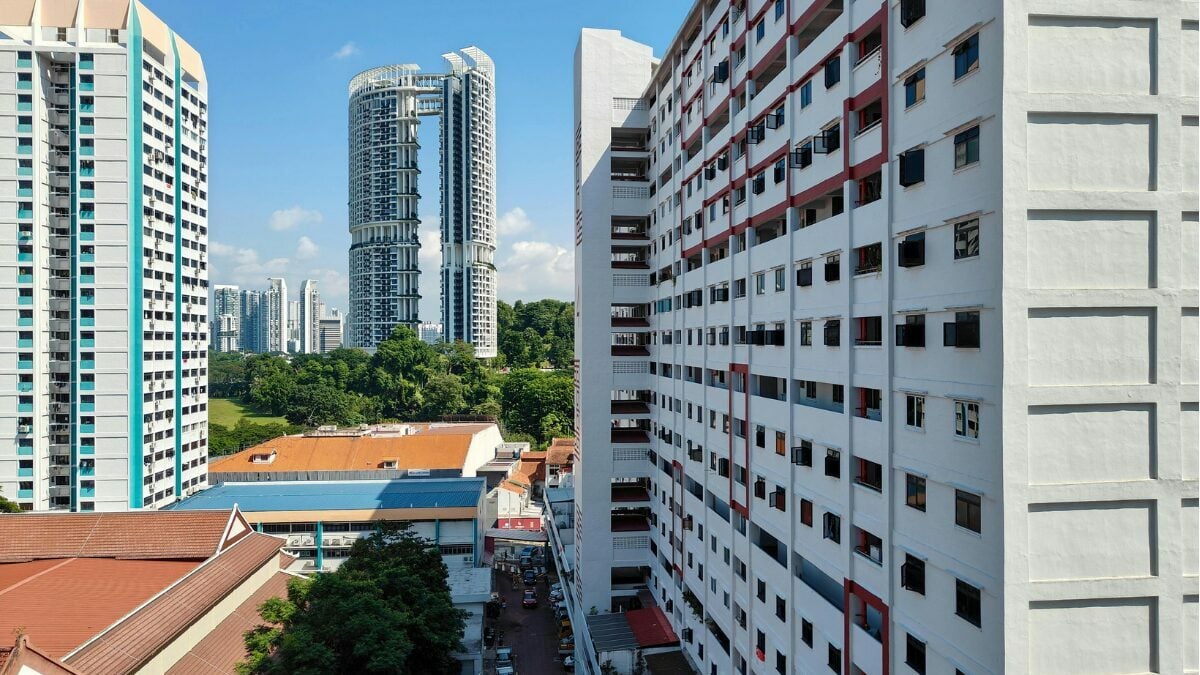
Singapore’s rental market is set to operate under familiar conditions for a while longer. Recently, the Housing & Development Board (HDB) and the Urban Redevelopment Authority (URA) announced that the temporary relaxation of the rental occupancy cap will be extended by another two years, pushing the current end date to 31 December 2028.
At its core, this move reflects the government’s view that while supply conditions have improved, rental demand has not eased enough to warrant a full rollback just yet. Instead, policymakers appear to be opting for stability, especially as tenant demand remains firm across both public and private housing segments.
More importantly, this extension sends a clear signal that rental market pressures, although moderated, have not disappeared.
Table of contents
What the relaxed occupancy cap covers
To recap, the relaxed occupancy cap was first introduced in January 2024 as a temporary response to heightened rental demand. Under this measure, 4-room and larger HDB flats, as well as private residential properties with a floor area of at least 90 square metres, are allowed to house up to eight unrelated occupants. Previously, the limit stood at six.
This higher threshold applies only to larger homes and remains conditional on compliance with regulatory requirements. It was initially scheduled to lapse at the end of 2026. However, with demand continuing to outpace expectations, authorities have now opted to keep the measure in place for another two years.
Why demand is still holding up
Over the past few years, housing supply has increased at a meaningful pace. Between 2023 and 2025, nearly 100,000 public and private homes were completed. In addition, another 21,000 units are expected to be delivered in 2026.
These completions have helped reduce some of the tightness seen earlier in the rental cycle. Rental growth has slowed, and extreme spikes have become less frequent. That said, demand has not softened to the same degree.
A key reason lies in timing. Commenting on the extension, Mr. Luqman Hakim, Chief Data & Analytics Officer at 99.co, noted that while new homes are being built, they do not immediately add to the rental pool. Many newly completed HDB flats must first go through a 5-year Minimum Occupation Period (MOP) before they can be rented out legally. As a result, the increase in physical housing stock does not translate directly into near-term rental supply.
This gap between completion and rental availability continues to place pressure on the market, especially for more affordable rental options.
As Mr. Luqman noted, with rental demand expected to outpace the supply of such units in the coming years, extending the relaxed occupancy cap until December 2028 is a pre-emptive move to prevent overheating and keep the rental market on a more stable footing.
Approval and registration still required
Despite the higher occupancy allowance, regulatory oversight remains strict.
For HDB flats, owners must continue to obtain approval before renting out their units or individual rooms. The same requirement applies to HDB commercial properties with approved living quarters, whether the application is made by owners or tenants. These applications are handled digitally through official government portals.
Meanwhile, owners of qualifying private residential properties must register their units with URA if they wish to house up to eight unrelated occupants. Only after successful registration will the higher occupancy limit apply.
Authorities have also made it clear that higher occupancy should not come at the expense of liveability. Owners and tenants are still expected to manage noise levels, shared facilities, and general upkeep responsibly.
Looking ahead to 2028 and beyond
Authorities have stated that they will continue to monitor rental market conditions closely. The relaxed occupancy cap may still be reviewed again before or after 2028, depending on how supply, demand, and rental prices evolve.
For now, the decision provides continuity. It also acknowledges a simple reality: housing supply takes time to translate into rental relief. Until then, interim measures like the occupancy cap extension remain an important part of the policy toolkit.
As the market continues to recalibrate, both tenants and landlords can expect a more measured, data-driven approach, rather than abrupt shifts that could unsettle the landscape.
About Sophiyanah David

Sophi, a seasoned copywriter specialising in Singaporean real estate and property, is one of the minds behind 99.co's informative articles. Like her colleagues at 99.co, Sophi is dedicated to keeping you informed about the ever-changing world of real estate so you can find your forever home. When off the clock, you can find her giggling and kicking her feet as she reads her romance novels, watching anime - if FMBA is not your fave, she might fight you (but you'll probably win) and looking up latest skincare trends.

Looking to sell your property?
Whether your HDB apartment is reaching the end of its Minimum Occupation Period (MOP) or your condo has crossed its Seller Stamp Duty (SSD) window, it is always good to know how much you can potentially gain if you were to list and sell your property. Not only that, you’ll also need to know whether your gains would allow you to right-size to the dream home in the neighbourhood you and your family have been eyeing.
One easy way is to send us a request for a credible and trusted property consultant to reach out to you.
Alternatively, you can jump onto 99.co’s Property Value Tool to get an estimate for free.
If you’re looking for your dream home, be it as a first-time or seasoned homebuyer or seller – say, to upgrade or right-size – you will find it on Singapore’s fastest-growing property portal 99.co.
Meanwhile, if you have an interesting property-related story to share with us, drop us a message here — and we’ll review it and get back to you.
Join our social media communities!
Facebook | Instagram | TikTok | Telegram | YouTube | Twitter

Leave a comment