Are you considering buying a house in Singapore but can’t decide between Serangoon and Thomson? Both areas are known for their unique lifestyle and foodie paradise, but which one is the right fit for you?
In this comprehensive guide, we’ll delve into the heart of these two popular residential areas, comparing their main attractions, lifestyle, and suitability for different residents. Whether you’re a food lover, a nature enthusiast, or someone who values a central location, this guide will help you make an informed decision.
So, let’s dive in and explore what Serangoon and Thomson offer!
Table of Contents
The rundown on Serangoon
Serangoon is a planning area in the north-east of Singapore, which comprises seven sub-zones: Serangoon Central, Lorong Chuan, Upper Paya Lebar, Serangoon Gardens, Serangoon North, Seletar Hills, and Serangoon North Industrial Estate.
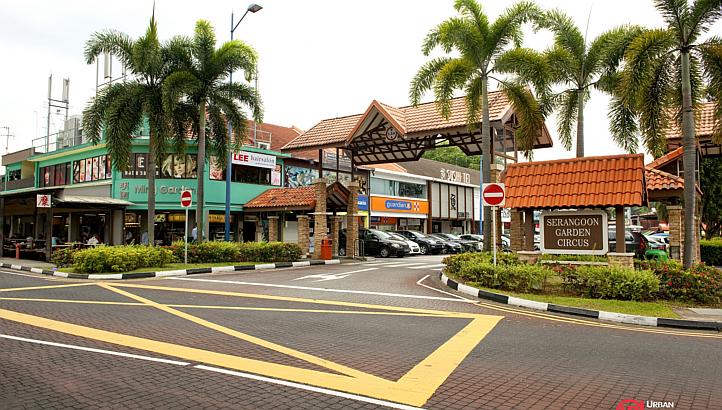
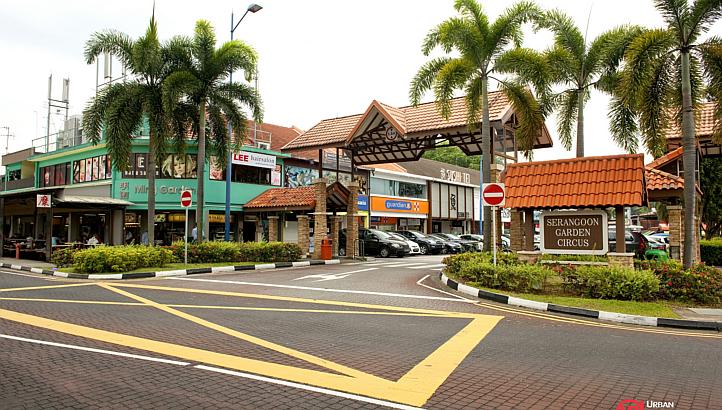
The most famous of these is Serangoon Gardens (sometimes also referred to Serangoon Garden, without the plural). Serangoon was home to many rubber plantations and farms in the 19th century, and it was considered an ulu (rural) area right up till the 1960s. It also used to house the Si Phua Pak Tiong cemetery. That translates to “dead people with cut stomachs” cemetery, which is something you really want to think about when enjoying the great eateries there.
(The name referred to autopsies that were conducted in the area).
In 1956, a property developer and Royal Air Force engineer named Steven Charles Macey built the Serangoon Gardens Sports Club in the neighbourhood. It served primarily British and Australian soldiers. The club marked the start of a period of development, and by the 1960s Serangoon even had electricity. Merchants and street vendors also packed the area, and its street hawkers had a reputation for good food.
By the 1970s, private, and public housing boomed when the plantations and farms were cleared.
Today, the Serangoon Gardens Sports Club is now the Serangoon Gardens Country Club. The street hawkers remain as Chomp Chomp, a hawker centre that was built when street foods were outlawed. Many of the country’s oldest hawkers are still operating here. No one, incidentally, knows how Chomp Chomp got its name. But it fits.
Read more about Serangoon here
The upsides of living in Serangoon
- Chomp Chomp and MyVillage
- Convenient transport and retail options
- Quiet area with a good mix of cuisines
Chomp Chomp and MyVillage
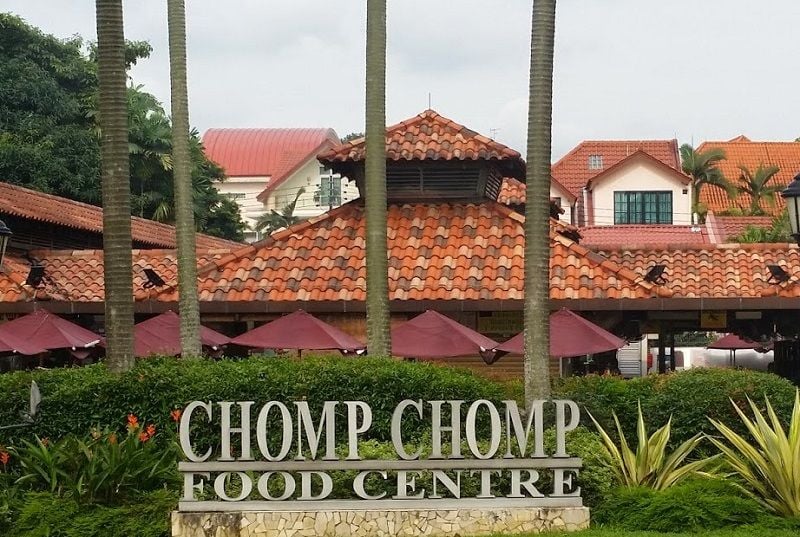
Chomp Chomp is one of the most famous hawker centres in Singapore. While it’s considered a small hawker centre (by today’s standards), it packs a wide range of classics, from Ah Hock’s Hokkien mee to the famous Boon Tat Street BBQ (try the sambal stingray). It’s an incredible joy to stroll out in the evening and buy back some of the best local flavours.
MyVillage, a fairly new mall in the area, caters to more western tastebuds. Apart from the usual names like Bakerzin, the area right outside the mall has hipster-ish wine bars and ice cream parlours.
Convenient transport and retail options
In recent years, Serangoon has seen the expansion of the Cross Island Line (CRL), which has made getting around even more convenient. The CRL is expected to serve residents with even better access to key locations across the island, further improving connectivity to other parts of Singapore like the East, Central, and West regions. This should reduce the reliance on cars and buses, enhancing the overall convenience for residents.
Nex is a major retail mall, and is also a transport interchange (it is the fifth air-conditioned bus interchange in Singapore). Apart from seven floors of shops, Nex has two 24 hour supermarkets, a 24 hour gym, and houses the Serangoon public library. It is also the first mall in Singapore to incorporate a dog park. You can fulfil most of your shopping needs at Nex, and you practically never have to go to town again.
Quiet area with a good mix of cuisines
Except for Nex, Serangoon is a fairly quiet neighbourhood. The late night outlets around MyVillage of Chomp Chomp tend to be the laid back sort – think wine and a place for existential moaning, rather than a nightclub where someone gets a bottle in the face at four in the morning. This area is ideal if you hate noise and crowds.
Serangoon has also seen a significant emphasis on enhancing green spaces and promoting a more eco-conscious environment. Notably, the expansion of the North-East Riverine Loop is one of the key initiatives aimed at improving pedestrian accessibility and connecting residents to nature.
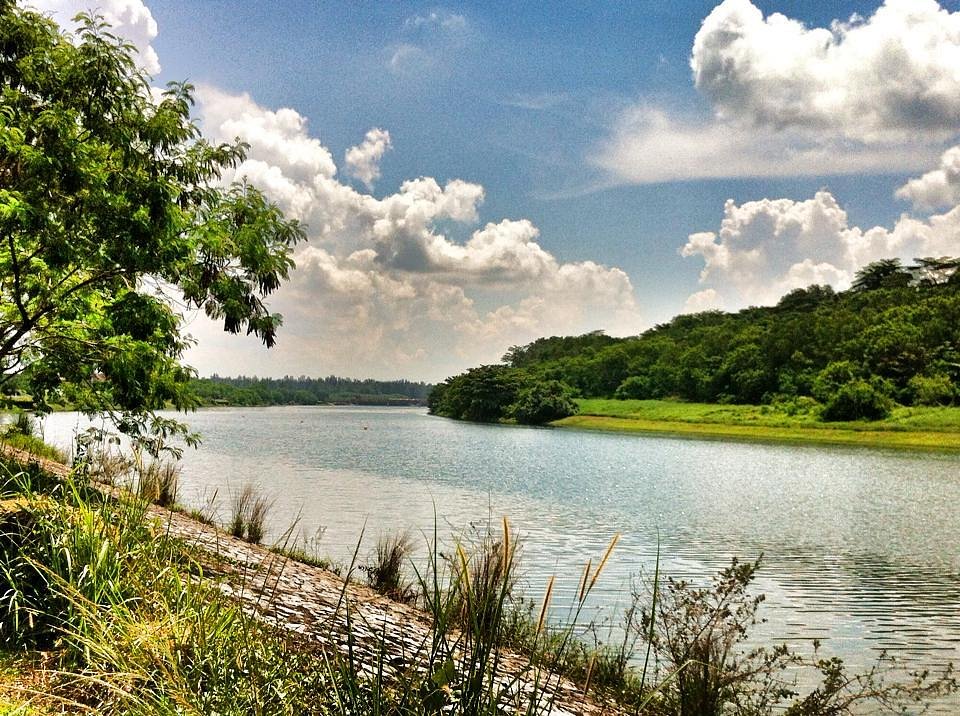
With the addition of more parks, open spaces, and pedestrian-friendly streets, the area around Serangoon Gardens, is becoming a more vibrant and sustainable place to live. Residents can look forward to a greater variety of recreational spaces that encourage outdoor activities and a healthier lifestyle.
As a food paradise, Serangoon isn’t just about good food. It has a wide mix of cuisines, from modern European (catering to the Caucasian enclave in the area) to hyperlocal. Whether you want Thai Mookata, frog leg porridge, or a cheeseboard and wine, it’s somewhere in Serangoon.
The downsides of living in Serangoon
Some areas of Serangoon are still poorly accessible. In the older parts of Serangoon Gardens, for example, the streets form a narrow maze of clustered semi-detached houses, and it’s a walk to the nearest bus stop. However, the situation is gradually improving.
One other problem of the Serangoon area is Nex on a weekend. Some Serangoon residents would rather replace their toilet roll with sandpaper than visit Nex on a Friday night or Saturday. The whole area degenerates into a mess of noise and sweaty bodies, and shopping or dining can become downright unpleasant from the crowd.
We found the best properties in Serangoon for you!

 2
2
 2
2
 3
2
3
2
 0
1
0
1
 5
3
5
3
 5
5
5
5
 1
1
1
1
 2
2
2
2
 5
6
5
6
 3
2
3
2
 4
4
4
4
 3
2
3
2
 3
2
3
2
 5
3
5
3
 2
1
2
1
 2
1
2
1
 3
2
3
2
 5
5
5
5
 1
1
1
1
 5
4
5
4
 2
1
2
1
 4
2
4
2
 4
4
4
4
 6
6
6
6
 6
7
6
7
 5
5
5
5
 2
1
2
1
 5
5
5
5
 3
2
3
2
 5
6
5
6
 4
4
4
4
 5
4
5
4
 5
5
5
5
 4
3
4
3
 2
1
2
1
 6
6
6
6
 4
4
4
4
 5
7
5
7
 3
2
3
2
 2
1
2
1
 5
2
5
2
 3
2
3
2
 9
10
9
10
 1
1
1
1
 -1
-1
 2
2
2
2
 -1
-1
 2
1
2
1
 -1
1
-1
1
 -1
-1
 -1
-1
 -1
-1
 2
1
2
1
 -1
-1
 -1
-1
 1
1
1
1
 3
2
3
2
 4
2
4
2
 -1
-1
 -1
-1
 -1
-1
 3
2
3
2
 -1
1
-1
1
 -1
-1
 -1
-1
 -1
-1
 -1
1
-1
1
 3
3
3
3
 9
6
9
6
 -1
-1
 -1
-1
The rundown on Thomson
Named after Thomson Road (formerly a part of this road was also called Seletar Road), this area runs between Novena and Yishun. It can be considered both central and north. In fact, the road from which it derives its name was created just for connecting these two areas.
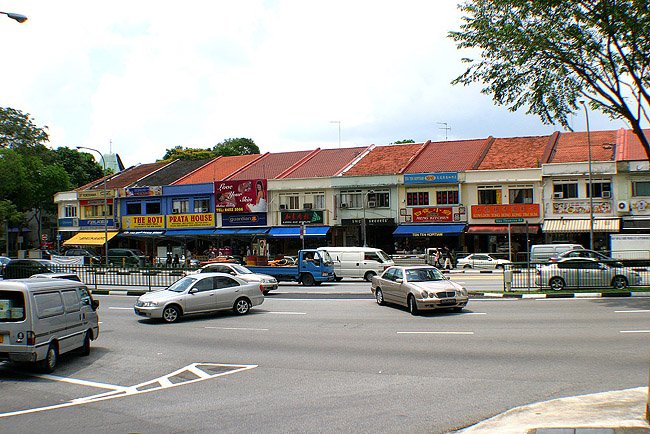
When Singapore was still a British colony, the present day Thomson Road ferried supplies from the island’s centre to naval bases in the north. At the northern end of the road, its name was abruptly changed to Seletar (this is where Seletar camp gets its name). It was only later that the entire stretch was renamed, into Thomson and Upper Thomson Road.
As part of Singapore’s ongoing push for sustainability, newer developments in Thomson are increasingly incorporating eco-friendly features like rainwater harvesting, energy-efficient systems, and green rooftops. The proximity to MacRitchie Reservoir and Upper and Lower Pierce Reservoirs makes the area perfect for those who are environmentally conscious and prefer to live close to nature. These developments also encourage walking and cycling, integrating with the green spaces available.
The area around Thomson, particularly Upper Thomson, has been developing into a high-end residential district with an increasing number of luxury condominiums and landed properties. Properties such as Adana@Thomson and Thomson Impressions reflect the upmarket nature of the district, making it a prime choice for affluent buyers.
The upsides of living in Thomson
- The great view and the reservoirs
- Central location
- A long stretch of restaurants
The great view and the reservoirs
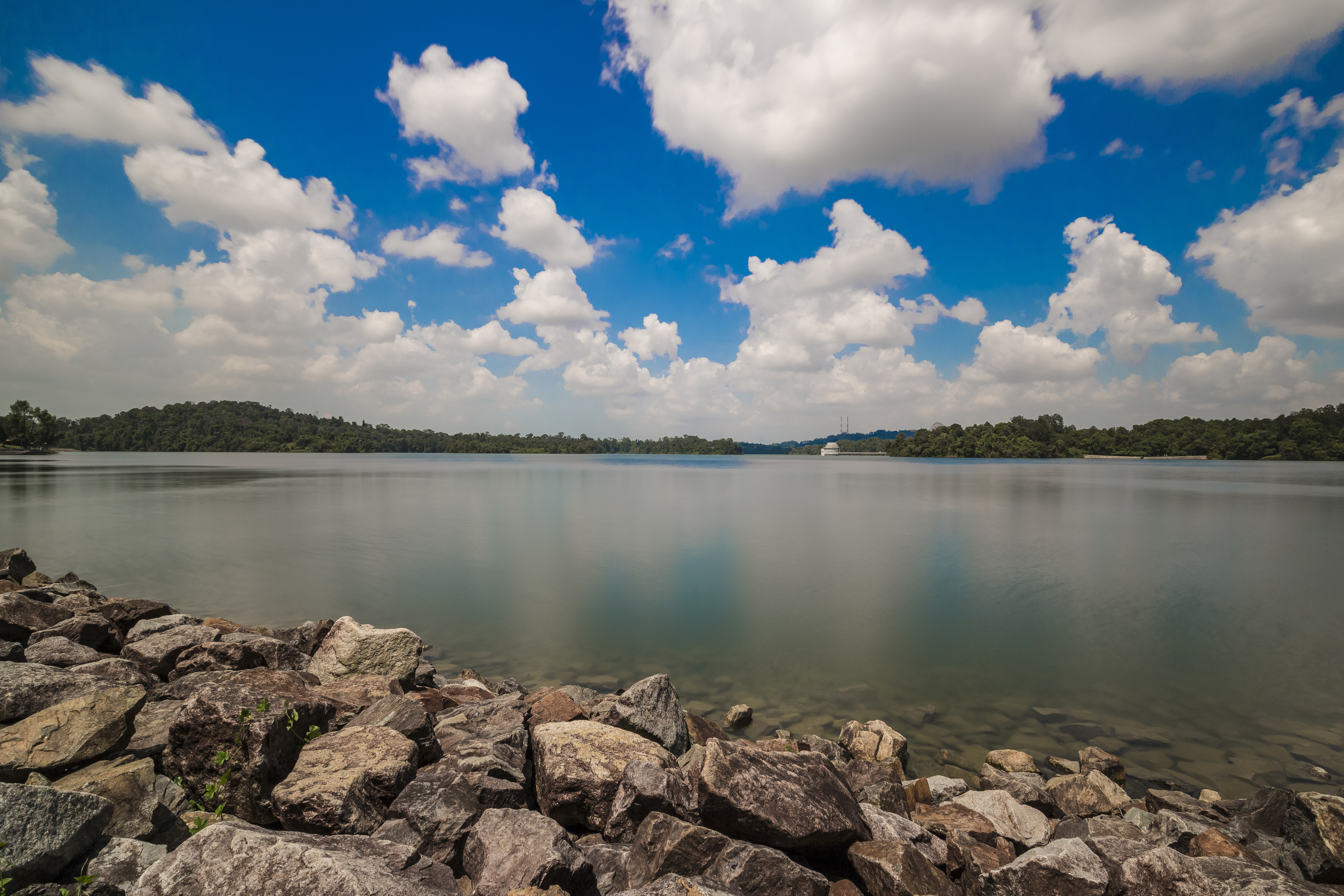
From Adana@Thomson to Thomson Vale, the properties along this stretch are known for their fantastic views. You can forget we’re one of the densest cities in the world, and that the view for most of is a genteel blend of longkang and peeling HDB paint. In fact, Thomson has two big things going for it: the food, and the views.
Proximity to three reservoirs also means a lot of nature walks, cycling, and reclusive escapes. Just be prepared to fight the dengue and Zika wars if you intend to use them a lot (trust us, wear long sleeves. Especially at Upper Pierce reservoir).
Central Location
This one is self explanatory. Living near the Central Business District means the commute to work, or any end of the island, is shorter. While accessibility to Upper Thomson has long been a challenge, improvements in the MRT network, including the Thomson-East Coast Line (TEL), will greatly enhance transport options for Thomson residents. The TEL will provide a direct link to the Central Business District (CBD) and other residential districts, reducing commute times significantly and improving the overall appeal of Thomson to both expats and locals alike.
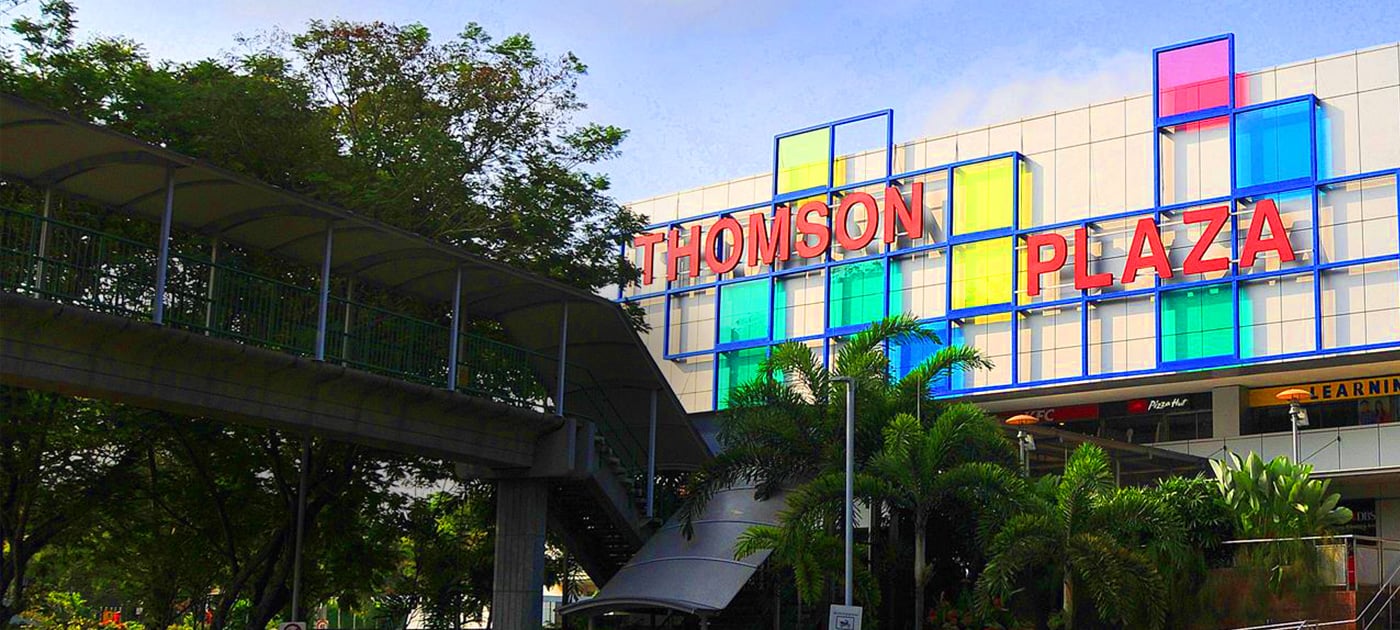
In addition to its excellent transport connections, Thomson is home to convenient shopping options like Thomson Plaza, a well-established mall in the area. This shopping centre offers a variety of retail outlets, dining options, and essential services, making it a practical choice for residents looking to fulfil daily needs. Whether you’re running errands, catching a movie, or grabbing a bite to eat, Thomson Plaza provides a hassle-free shopping experience. Its proximity to residential areas further enhances the area’s appeal, making it a well-rounded choice for those seeking a balanced lifestyle with easy access to both work and leisure.
A long stretch of restaurants
The food choices in Thomson, while versatile, tend toward the upmarket joints (unsurprising as it’s such a high rent area). Whether it’s Pacamara Boutique Coffee Roasters or the Five by Five fusion cafe, it’s a haven for foodies of the upper crust.
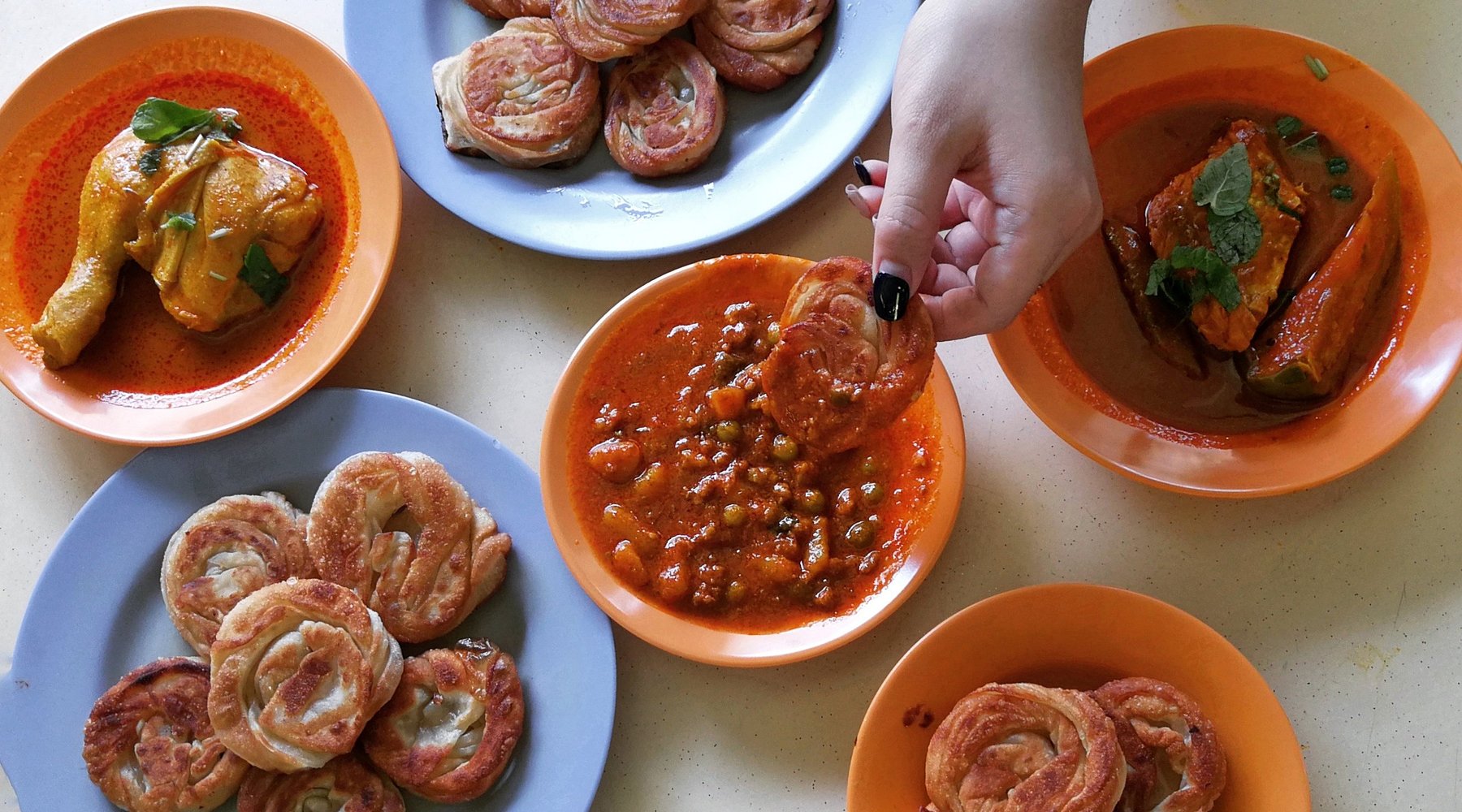
That said, it is not true that Thomson food is only of the snooty variety. That’s just a prejudice that comes from its upper class reputation. In fact, Thomson is famous for its stretch of prata outlets (every resident has their own favourite), and local cuisines like Kampong Chicken Rice in Upper Thomson. And no, the local food places are not at all restaurant prices, whatever rumours you have heard.
The downsides of living in Thomson
We’ll be blunt: if you don’t have at least S$850,000+ to buy a property around here, you might have to stick to just visiting. This is not and never will be the most affordable district. It’s a rich person’s neighbourhood, and we have no more gentle way to put it.
Some stretches of Thomson, particularly Upper Thomson, are difficult to access. But it should be clear that this mostly refers to non-residents visiting you. If you can afford to live in Thomson, you can afford a car.
Take a peek at the prime properties in Upper Thomson
 2
1
2
1
 3
2
3
2
 1
1
1
1
 5
4
5
4
 4
5
4
5
 3
2
3
2
 3
3
3
3
 3
3
3
3
 6
7
6
7
 2
2
2
2
 4
3
4
3
 4
3
4
3
 2
2
2
2
 3
2
3
2
 4
3
4
3
 5
4
5
4
 3
3
3
3
 3
3
3
3
 4
2
4
2
 4
3
4
3
 2
2
2
2
 5
4
5
4
 3
2
3
2
 5
4
5
4
 4
4
4
4
 4
3
4
3
 5
4
5
4
 2
2
2
2
 3
3
3
3
 2
2
2
2
 4
2
4
2
 3
2
3
2
 5
4
5
4
 2
1
2
1
 3
3
3
3
 -1
-1
 3
3
3
3
 1
1
1
1
 2
2
2
2
 -1
-1
 -1
-1
 -1
1
-1
1
 1
1
1
1
 -1
-1
 -1
-1
 -1
-1
 -1
-1
 3
3
3
3
 -1
-1
 1
1
1
1
 -1
-1
 5
6
5
6
 -1
1
-1
1
 -1
-1
 2
2
2
2
 -1
-1
 3
3
3
3
 4
3
4
3
 2
1
2
1
 -1
-1
 -1
1
-1
1
 1
1
1
1
 2
2
2
2
 2
2
2
2
 2
2
2
2
 3
1
3
1
 6
5
6
5
 -1
1
-1
1
 3
3
3
3
 -1
-1
Which neighbourhood wins?
Serangoon by a narrow margin, because of two determining factors: Nex and its 24 hour facilities, and that Serangoon’s food areas are clustered instead of stretched out like in Thomson. If it matters to you, Serangoon is also more accessible without a car (although again, some parts of Serangoon Gardens are tough to get to via public transport).
In terms of food quality and variety, though, it’s mostly a draw.
Conclusion
We hope this guide has given you a clearer picture of what living in Serangoon and Thomson can offer. Each area has its unique charm and lifestyle, and the best fit would depend on your personal preferences, lifestyle, and budget.
Property prices in both Serangoon and Thomson have been steadily rising, but with the continued increase in demand for central residential areas, especially those near transport hubs, prices in these two areas are expected to continue climbing in 2025. Thomson, with its proximity to the CBD and nature reserves, remains one of the most sought-after residential areas, though the prices are likely to remain on the higher end of the spectrum. On the other hand, Serangoon may offer more affordable options, especially for those looking for landed properties or smaller condos, making it an attractive choice for families or first-time buyers.
Remember, choosing where to live is a significant decision, so take your time to explore and consider your options. Whether you’re drawn to the food paradise of Serangoon or the scenic views of Thomson, there’s a place in Singapore that’s perfect for you.
Stay tuned for our next guide, where we’ll explore more residential areas in Singapore. Happy house hunting!
About Ryan Ong


Looking to sell your property?
Whether your HDB apartment is reaching the end of its Minimum Occupation Period (MOP) or your condo has crossed its Seller Stamp Duty (SSD) window, it is always good to know how much you can potentially gain if you were to list and sell your property. Not only that, you’ll also need to know whether your gains would allow you to right-size to the dream home in the neighbourhood you and your family have been eyeing.
One easy way is to send us a request for a credible and trusted property consultant to reach out to you.
Alternatively, you can jump onto 99.co’s Property Value Tool to get an estimate for free.
If you’re looking for your dream home, be it as a first-time or seasoned homebuyer or seller – say, to upgrade or right-size – you will find it on Singapore’s fastest-growing property portal 99.co.
Meanwhile, if you have an interesting property-related story to share with us, drop us a message here — and we’ll review it and get back to you.
Join our social media communities!
Facebook | Instagram | TikTok | Telegram | YouTube | Twitter



How about Jalan Kayu