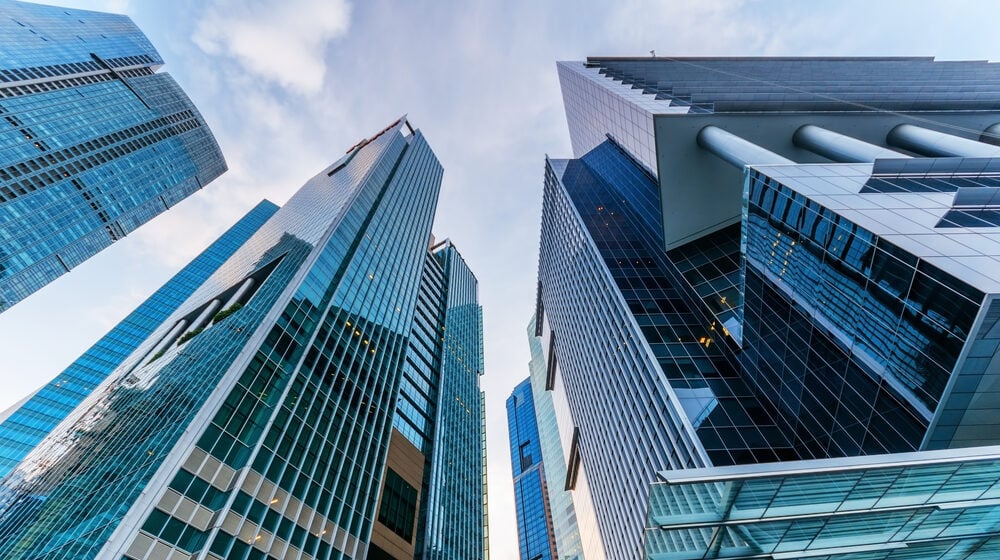
The Building and Construction Authority (BCA) mainly gets attention from property developers, but not so much from the end buyers. Their role is pretty underrated; and here’s something they’re up to that may help with your property maintenance:
The Maintainable Design Appraisal System (MiDAS)
Unless you’re “in the industry”, you probably haven’t heard of MiDAS yet. This is a methodology that aims to lower the dollar and labour cost of maintaining a building over the years.
The system assesses a building through four disciplines: architectural, mechanical, electrical, and landscape; there’s also a segment on innovation, to promote any new technologies. Based on the assessment, the building then gets a MiDAS score; this indicates the potential labour and cost savings on later maintenance.
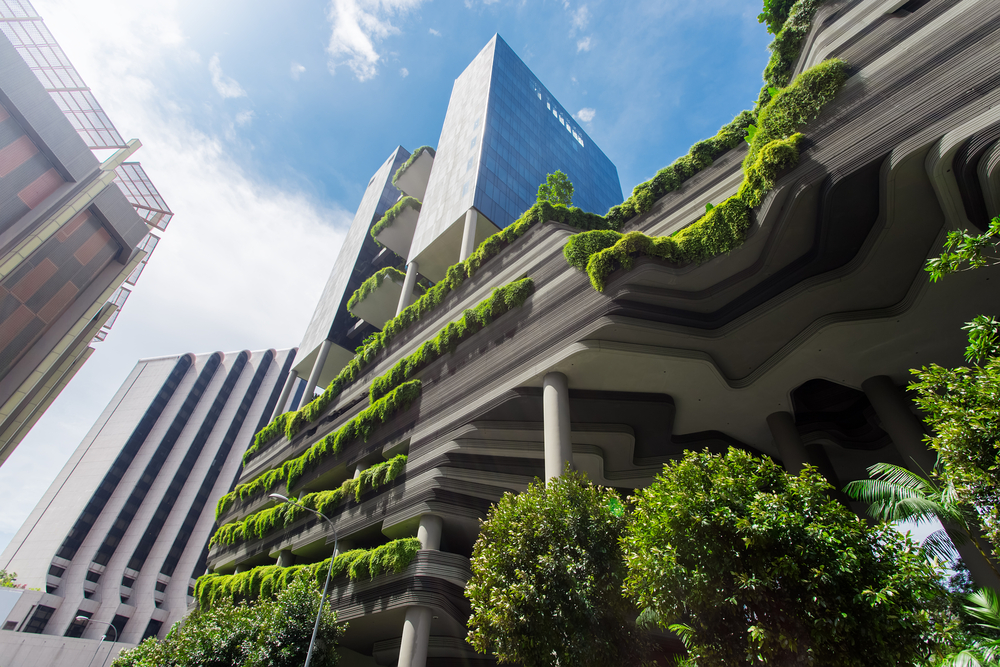
In case you didn’t know, the bulk of a building’s overall cost doesn’t come from its initial construction. If you measure the total cost over the lifespan of the typical building, anywhere from 60 to 80 per cent of the cost comes from maintenance. Very inefficient designs can even cost more in maintenance than it initially cost to build.
Fixing this issue is actually one of the components addressed under Singapore Real Estate Industry Transformation Map; it’s just that not many in the property sales industry noticed it, because it’s on the construction and design side.
How is this different from the previous system?
In the previous system, there wasn’t much emphasis on long term maintenance cost. This was a gap between the initial builders and later facility maintenance bodies. For example, once a developer is done with your condo, future maintenance is an issue for the MCST. Your condo’s original architect very rarely has anything to do with the development afterward.
Because of this, the initial builders may have more immediate priorities like aesthetics (how do you sell a condo that looks bad?), or cheaper construction cost (the developer pays for construction; it doesn’t pay for maintenance later down the road).
We’re not accusing any and all developers of this; we’re just pointing out that that the system inclined them to think that way.
This resulted in issues like:
- Corridors too narrow for maintenance teams to bring through equipment
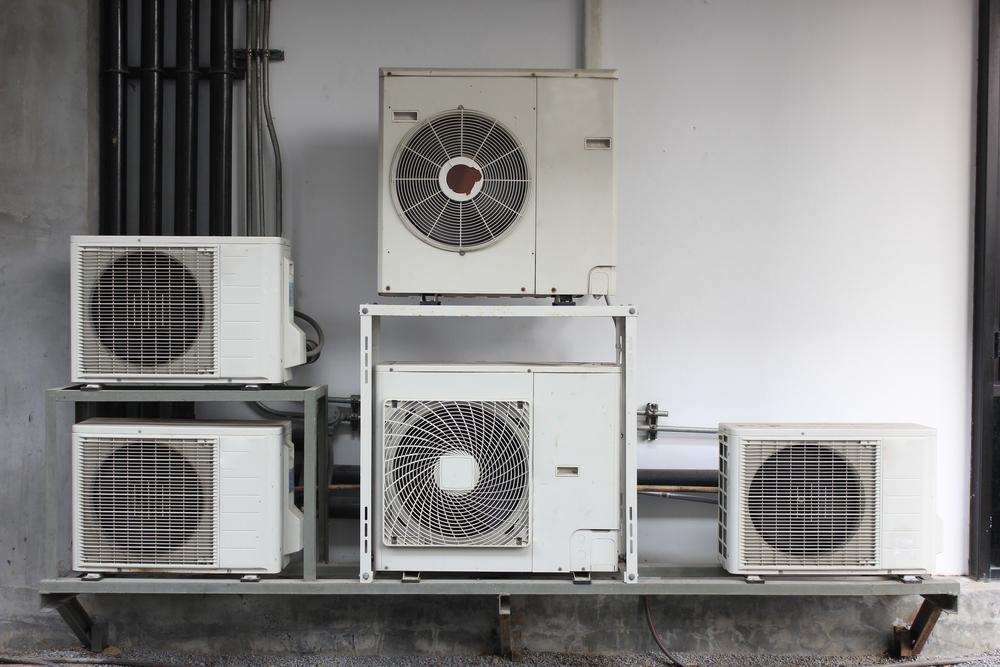
- Ventilation systems or air-con units placed in inaccessible areas (the workers have to build a scaffold and climb up to access it)
- Use of cheaper materials that degrade quickly (most developers are ethical enough not to do this; but the fact is, if it degrades after the whole development is sold, it’s not their problem)
- Design elements that are super-expensive to maintain later, like elaborate architectural features with a lot of glass (hard to clean and expensive to replace)
Under the new system however, developers will consider the MiDAS score, and tweak the design to factor in downstream maintenance costs. This is intended to eliminate issues like the above.
Of course, some better developers already factor in downstream maintenance; but MiDAS would set a general standard for the industry, so not everyone is using their own system (how would we know whose is more accurate?)
The impact on residential and commercial property buyers
It’s definitely a plus for them, for two reasons:
First, the development is cheaper to maintain over the long run. Things don’t need to be replaced as often, and maintenance is less labour intensive. As such, the maintenance fees may not be as high, or at least won’t rise as much as the building ages.
Second, depreciation is slower. The building won’t look like a disaster relief zone when it hits 40 or 50 years of age. This helps to maintain rentability and resale value.
The overall effect is subtle, and may not be exactly quantifiable for each unit in each development. But it is a positive move for Singapore properties in general, and buyers are the ones who stand to gain the most.
From what we understand, the MiDAS system is still in its pilot stages right now; and developers may need time to come around to that mode of thinking. But the sooner the better.
How is your residential or commercial building maintenance like? Voice your thoughts in our comments section or on our Facebook community page.
Looking for a property? Find the home of your dreams today on Singapore’s largest property portal 99.co! You can also access a wide range of tools to calculate your down payments and loan repayments, to make an informed purchase.
About Ryan Ong


Looking to sell your property?
Whether your HDB apartment is reaching the end of its Minimum Occupation Period (MOP) or your condo has crossed its Seller Stamp Duty (SSD) window, it is always good to know how much you can potentially gain if you were to list and sell your property. Not only that, you’ll also need to know whether your gains would allow you to right-size to the dream home in the neighbourhood you and your family have been eyeing.
One easy way is to send us a request for a credible and trusted property consultant to reach out to you.
Alternatively, you can jump onto 99.co’s Property Value Tool to get an estimate for free.
If you’re looking for your dream home, be it as a first-time or seasoned homebuyer or seller – say, to upgrade or right-size – you will find it on Singapore’s fastest-growing property portal 99.co.
Meanwhile, if you have an interesting property-related story to share with us, drop us a message here — and we’ll review it and get back to you.
Join our social media communities!
Facebook | Instagram | TikTok | Telegram | YouTube | Twitter




Leave a comment