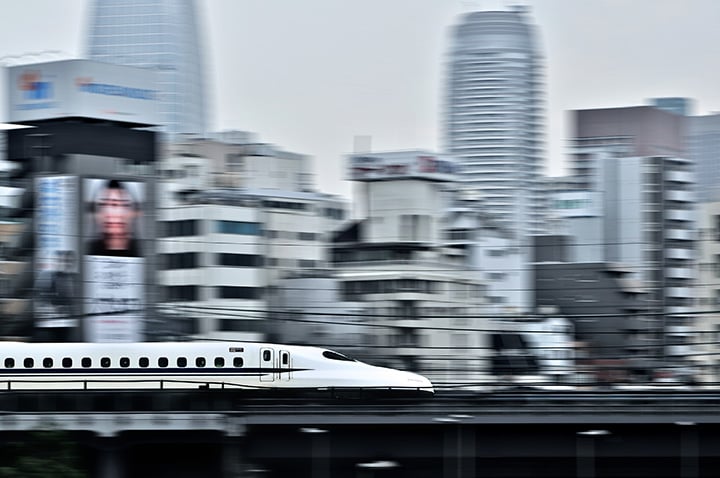
Now that Malaysian Prime Minister Mahathir Mohamad has confirmed it would pull out of the KL-Singapore High-Speed Rail (HSR) project, it’s likely that homeowners and property buyers the Jurong region might be feeling what Spiderman felt at the end of Infinity War (i.e. not so good).
Without the HSR, their overriding fear is that that the value of their property won’t appreciate as anticipated. For some, it’s the loss of potential rental yield. For recent investors in particular, it’s the nagging feeling that they’ve paid more than they should.
But before they beat themselves up any further, it’s worth taking a step back to see if property prices in other countries actually went up (or down) when they built their own HSR systems. In 2012, researchers from University of Sydney and Xi’an Eurasia University did just that, looking at previous studies on the impact of high-speed rail on land and property values across eight countries. Here’s their findings:
-
UK
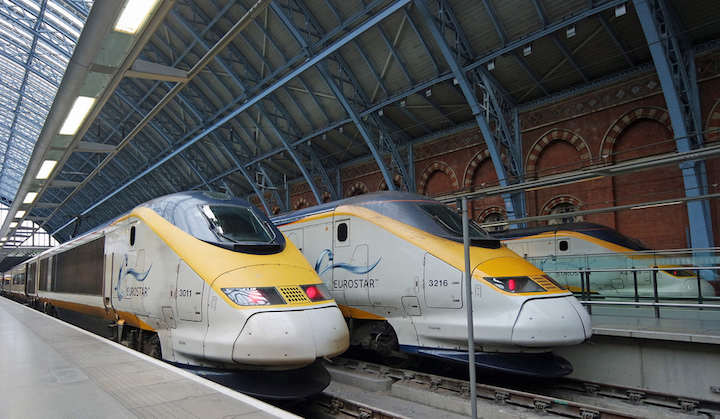
Our investors might be correct. There’s an academic theory stating that higher rent is correlated to higher accessibility of goods and services. Accessibility in turn provides the opportunity for enhanced economic activity. Sounds perfectly reasonable, right?
In the London Borough of Camden (an area that’s more Paya Lebar than Jurong), a station for the Eurostar HSR opened in 2007. In the two years after the station opened, Camden saw a 27% increase in house prices compared to 15% for the whole of London. However, the benefits only applied to an area within 500 metres of the station; property prices between 500 to 1,000 metres away showed no significant increase.
-
France
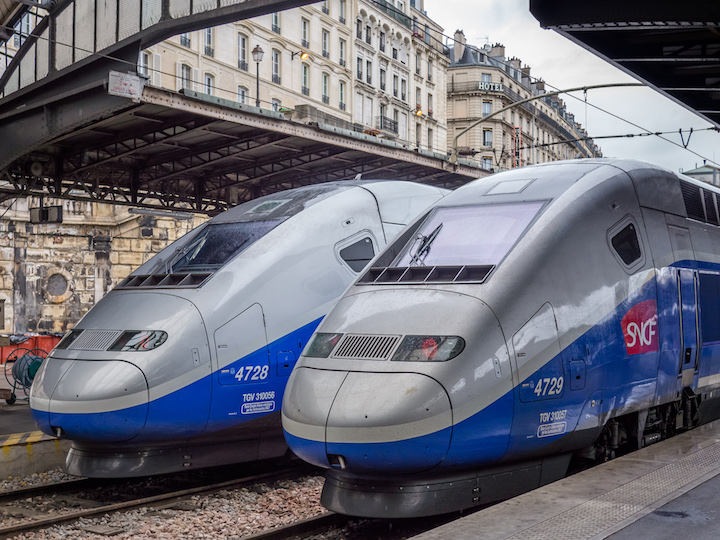
The high-speed rail is the most expensive form of land-based transport infrastructure, and the French was the first European nation to build it in the 1970s, calling it the TGV.
Located in the 10th arrondissement of Paris, the Gare de l’est Station was redeveloped to accommodate TGV trains in 2006. Between 2006 and 2007, average property values in the area increased by 2.18%. But, this increase was lower than the 4% increase in all of Paris.
In fact, property value increases in the vicinity of the station were — in the five years before the station was ready — higher than all of Paris (with the largest difference being 5% in 2003/2004). This might very well have been caused by speculation.
What’s more certain is that the establishment of a high-speed rail link from secondary cities (Nantes, Le Mans) to the capital Paris caused the property value in these smaller cities to increase by a far greater magnitude, especially in areas close to the station. The takeaway? The KL-SG HSR might have increased property prices in Malaysia instead of Singapore.
-
Spain
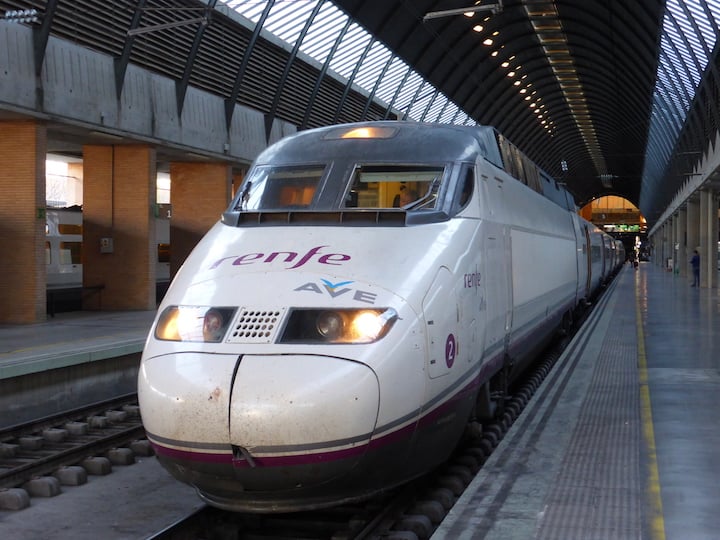
In 1992, a HSR line connecting Seville and capital Madrid was opened. Called AVE, the line increased traffic to Ciudad Real, a small city between Seville and Madrid. Property prices in the area near the Ciudad Real AVE station had the highest growth that coincided with the opening of the AVE link.
However, it’s worth noting that, without the AVE, the only mode of travel from Ciudad Real to Madrid and Seville would be by road — about 2.5 and 4 hours respectively. Jurong, while far, isn’t anywhere as ulu. In other words, it could’ve been Melaka that saw the biggest property price increase from the KL-SG HSR.
-
Italy
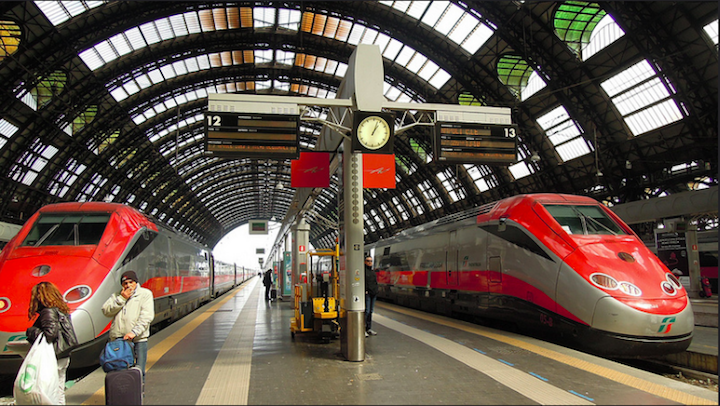
A HSR line between major Italian cities Turin and Milan become fully operational in 2009. In Cit Turin (the area where the Turin station is located), the average property value saw significant growth even before the line was fully completed, in the process surpassing the average value of the city.
In Milan, though, it was a different story. In the lead-up to the opening of the HSR station, the growth rate of property prices decreased significantly — as much as 10.5% in 2002/03.
For the Rome-Naples HSR, Rome suffered the same fate as Milan, whereas property value growth rate in Naples surged. This goes to show that the HSR between Kuala Lumpur and Singapore could’ve worked much more in favour of KL in terms of property price uplift.
-
Germany
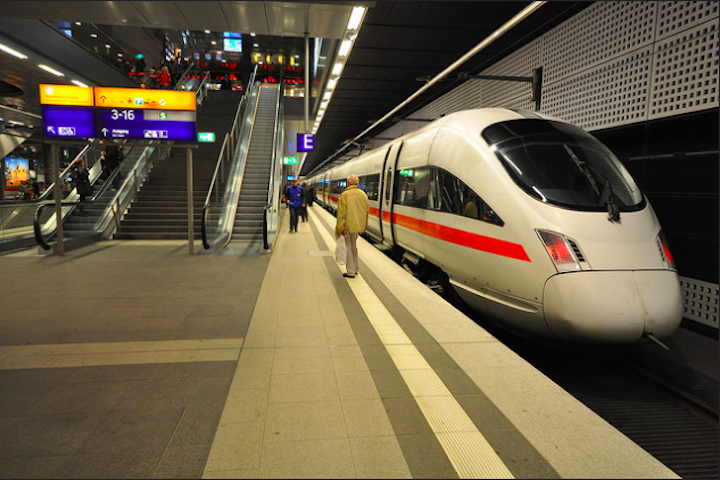
Two stations in the capital Berlin had been rebuilt to accommodate a cross-country HSR system. In an analysis of property transactions over 15 years, it was found that the rail link had marginal impact on property prices. This was true for both within the immediate station neighbourhoods and across the city.
So, like Paris and Rome, another capital city sees no significant uplift in property prices with the construction of a HSR station.
-
China
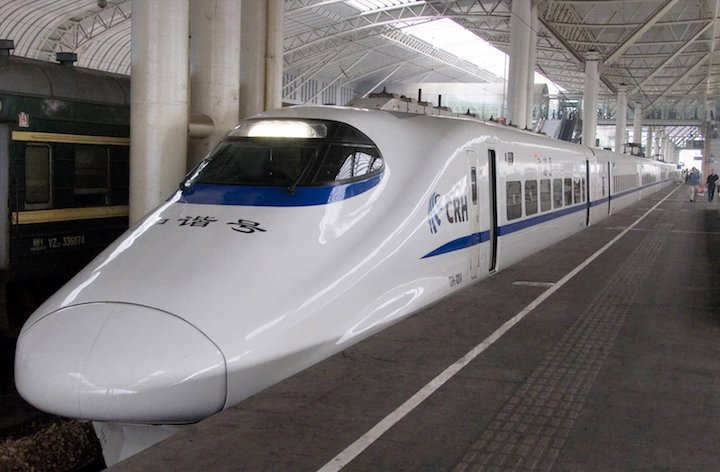
China now has the longest HSR network in the world. A 2011 study by Morgan Stanley showed that properties along a railway network were 8 to 20% more expensive, and that the HSR has a significant positive impact on property prices in general. Going by this, Jurong residents have every right to lament.
-
Taiwan
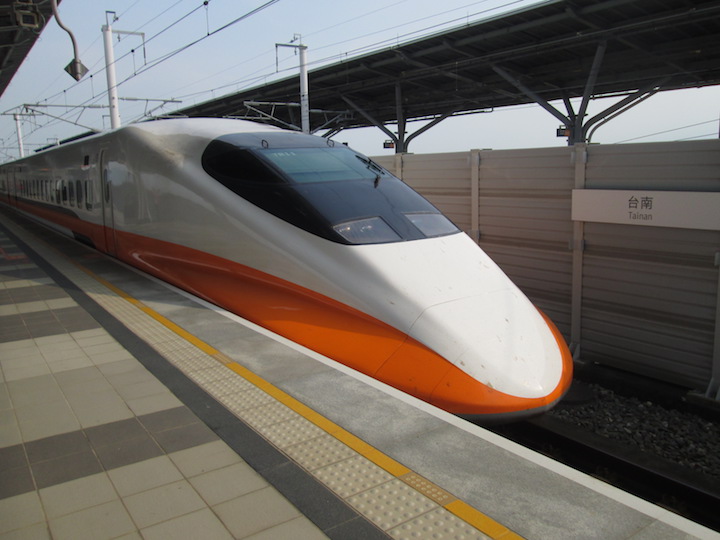
The 345km Taiwan HSR (THSR) links Taipei and Kaohsiung in 1.5 hours. A 2010 study on property prices around the Tainan THSR station found no significant impact of rail accessibility on residential property prices in the city.
-
Japan
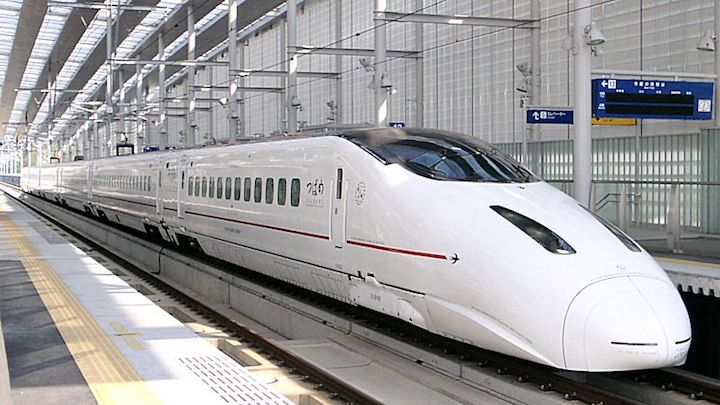
Known as the Shinkansen, the HSR was born in Japan in 1964. In 1989 (admittedly quite some time ago), Japanese researchers analysed the impact of the Shinkansen on regional development. They found that the train led to land price appreciation during the 1970s and 1980s. Specifically, land values in commercial areas with Shinkansen accessibility increased by 67%.
Fast forward to 2012, a study on a new Shinkansen line (Kyushu Shinkansen) also saw a reversal in fortunes for previously declining commercial and residential property values along the line.
So, would the HSR have made a difference in Jurong’s property fortunes?
If we appeal to emotion in the wake of the HSR cancellation, it would have been tempting to say “yes”. If we appeal to facts and reasoning, however, the answer becomes less clear cut. While the HSR would very likely have spiked property values somewhere along the rail line, whether this increase would have translated to Jurong properties (and by how much) is more uncertain.
Now, what Singapore should do is to redouble on other priorities. Perhaps, we can even plan and build a high-speed rail of our own linking Jurong, the CBD and a supersized Changi Airport.
But, keep it hush — in case property investors start speculating again well before the first track is laid.
If you found this article helpful, 99.co recommends Singapore-KL High Speed Rail: Don’t believe the property buying hype and Will a lack of high-speed rail affect Jurong condo value?
Find your dream home on Singapore’s largest property portal 99.co!
About Kyle Leung

That's not my bird.

Looking to sell your property?
Whether your HDB apartment is reaching the end of its Minimum Occupation Period (MOP) or your condo has crossed its Seller Stamp Duty (SSD) window, it is always good to know how much you can potentially gain if you were to list and sell your property. Not only that, you’ll also need to know whether your gains would allow you to right-size to the dream home in the neighbourhood you and your family have been eyeing.
One easy way is to send us a request for a credible and trusted property consultant to reach out to you.
Alternatively, you can jump onto 99.co’s Property Value Tool to get an estimate for free.
If you’re looking for your dream home, be it as a first-time or seasoned homebuyer or seller – say, to upgrade or right-size – you will find it on Singapore’s fastest-growing property portal 99.co.
Meanwhile, if you have an interesting property-related story to share with us, drop us a message here — and we’ll review it and get back to you.
Join our social media communities!
Facebook | Instagram | TikTok | Telegram | YouTube | Twitter




Leave a comment