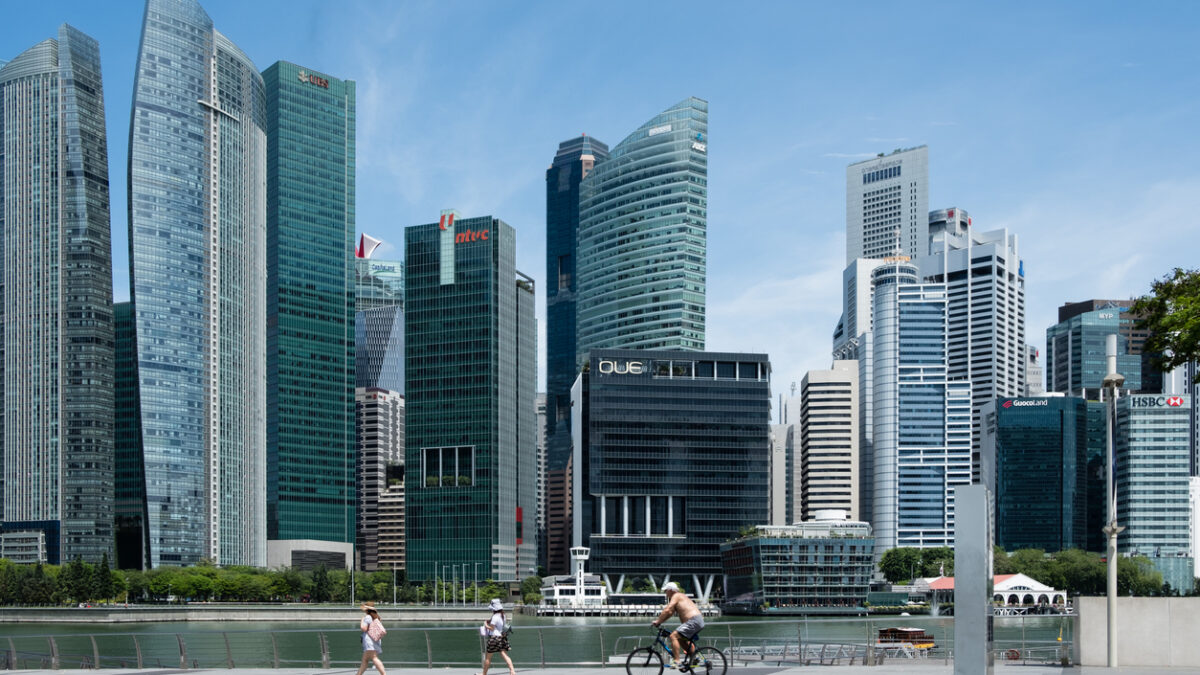
The city centre revitalisation incentive in Singapore will continue for another five years, as announced by Minister Desmond Lee while attending the Redas Spring Festival on February 7. The government has extended two key redevelopment initiatives — the Central Business District Incentive (CBDI) scheme and the Strategic Development Incentive (SDI) scheme, after they hit the previous five-year mark in November 2024.
These CBDI & SDI schemes encourage the transformation of older commercial buildings into vibrant mixed-use developments, thus providing more options for people who wish to live near their workplaces or city-centre amenities.
Table of contents
What are CBDI and SDI schemes?

The CBDI scheme promotes the conversion of ageing office buildings into integrated developments with residential, hotel, and commercial components. Developers benefit from increased gross floor area when they shift from a single-use office model to a mixed-use concept. The SDI scheme, on the other hand, allows neighbouring building owners to jointly propose redevelopment plans that enhance their precinct’s appeal.
Since their introduction, these schemes have gained traction. To improve their effectiveness, adjustments have been made in 2025 to expand their reach and introduce sustainability measures.
Applied changes to CBDI and SDI 2025
Flexibility in the Anson and Cecil areas
Developments in the Anson and Cecil areas now have the option to retain commercial spaces within their redevelopment plans. However, they must incorporate long-stay serviced apartments, which require a minimum rental period of three months. Previously, this flexibility applied only to office developments in Tanjong Pagar, Robinson Road, and Shenton Way.
This move responds to industry feedback, acknowledging the demand for alternative housing solutions. More long-stay serviced apartments in the CBD will provide new accommodation options for professionals who seek convenience near their workplaces.
Sustainability focus for CBD redevelopment proposals
The updated schemes introduce a stronger focus on sustainability. Developers must now submit a sustainability statement that assesses the feasibility of retrofitting rather than demolishing existing structures. Some projects may also need to conduct a carbon optioneering assessment, which evaluates different redevelopment approaches based on their environmental impact.
Singapore aims to strike a balance between urban renewal and reducing unnecessary demolition. Authorities support redevelopment but discourage excessive rebuilding that generates high carbon emissions. The Urban Redevelopment Authority (URA) will provide industry stakeholders with more details on these requirements soon.
Redevelopment projects in the CBD
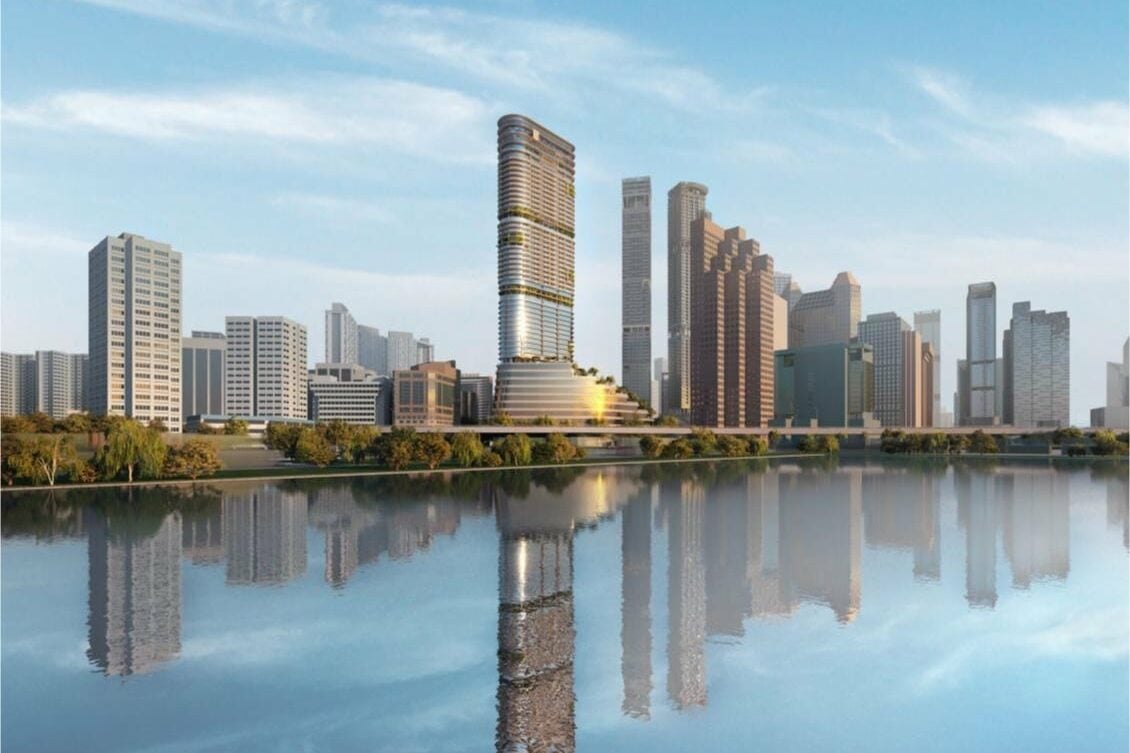
Currently, 17 CBDI and 12 SDI proposals have received in-principle approval. Several projects in Anson-Tanjong Pagar — such as Newport Plaza, The Skywaters, 15 Hoe Chiang Road, and 51 Anson Road — are under construction. These developments will introduce over 1,000 new homes, hotels, retail spaces, and public areas, contributing to a more dynamic city centre.
The shift towards long-stay serviced apartments also addresses evolving market needs. With Singapore’s high Additional Buyer’s Stamp Duty (ABSD) of 60% for foreign buyers, demand for traditional residential units has slowed. In contrast, expatriates and globally mobile Singaporeans continue to seek flexible rental options in prime locations.

 -1
-1
 1
1
 -1
-1
 -1
1
-1
1
 -1
1
-1
1
Impact on the commercial property market
The extension of these schemes is expected to influence the commercial property landscape in Singapore. Older office buildings that may have faced declining demand now have renewed prospects through redevelopment opportunities. The shift towards mixed-use spaces aligns with changing market needs, offering a balance between work, living, and leisure spaces within the CBD.
Investors and developers may also find new incentives to rejuvenate outdated properties, creating more attractive and functional spaces. This trend could lead to an increase in property values and improved urban vibrancy in core districts.
Long-term vision for Singapore’s urban landscape
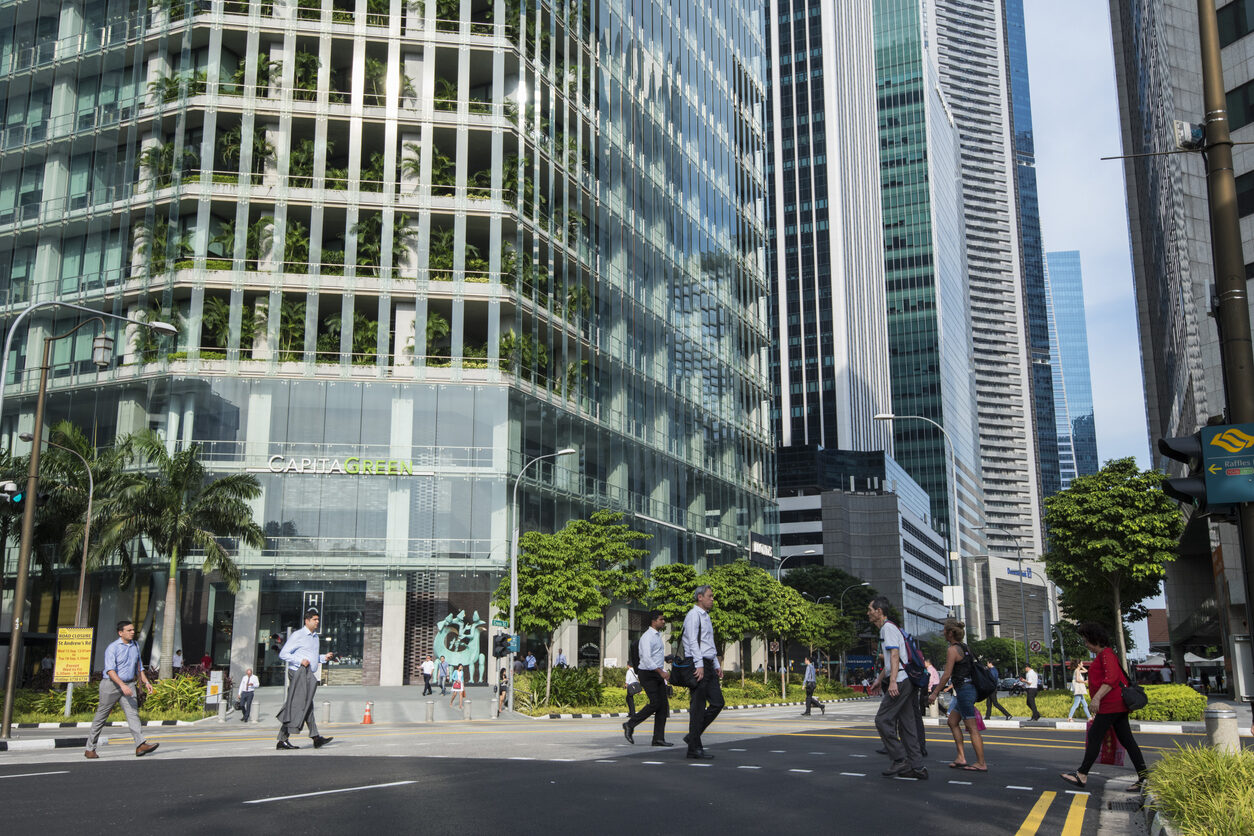
The renewal of the CBDI and SDI schemes fits into Singapore’s broader urban planning vision. By supporting mixed-use developments and eco-conscious redevelopment, the government aims to ensure that the heart of the city remains attractive for residents, businesses, and visitors alike. These efforts will contribute to a more resilient and livable urban core, ensuring that the CBD remains future-proof as a key economic and lifestyle hub.
What do you think about the CBD revitalisation? Share your thoughts in the comments section below or on our Facebook page.
About Ananda Bayu

Ananda has been wrangling Singapore's complex real estate trends into readable bites since 2020. She writes like she's explaining it to a friend over kopi — because who has time for jargon? When off the clock, she’s probably doom-scrolling through cat memes on X, convincing herself it's the highest tier of "creative inspiration".

Looking to sell your property?
Whether your HDB apartment is reaching the end of its Minimum Occupation Period (MOP) or your condo has crossed its Seller Stamp Duty (SSD) window, it is always good to know how much you can potentially gain if you were to list and sell your property. Not only that, you’ll also need to know whether your gains would allow you to right-size to the dream home in the neighbourhood you and your family have been eyeing.
One easy way is to send us a request for a credible and trusted property consultant to reach out to you.
Alternatively, you can jump onto 99.co’s Property Value Tool to get an estimate for free.
If you’re looking for your dream home, be it as a first-time or seasoned homebuyer or seller – say, to upgrade or right-size – you will find it on Singapore’s fastest-growing property portal 99.co.
Meanwhile, if you have an interesting property-related story to share with us, drop us a message here — and we’ll review it and get back to you.
Join our social media communities!
Facebook | Instagram | TikTok | Telegram | YouTube | Twitter


Leave a comment