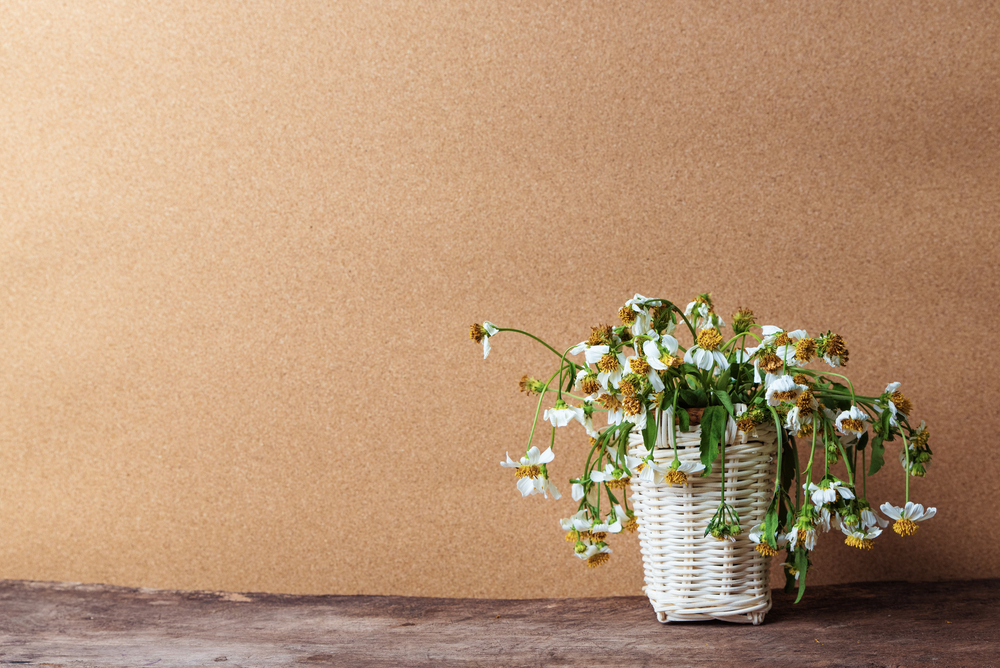
Been having bad luck growing indoor plants? Chances are, it’s not luck that’s at play, but you killing plants with your ways. Plants are pretty predictable species, and the causes of death tend to come down to the same few factors. Here are some common reasons for indoor plant death, and tips on how to keep the death count low moving forward:
1. Drowning
People tend to associate more water with healthier plants, but moderation is key. Some symptoms of overwatering include wilting coupled with wet soil. For the indoors, where sunlight tends to be indirect and scarce, it’s better to keep the plant on the drier side.
The easiest way to identify overwatering is to check for root rot. Healthy roots are firm and pliable, while rotted roots tend to be black, limp and seaweed-looking. Root rot may also be present even if your plant looks healthy on the outside. So, the next time you can’t figure out the reason for your plant’s sudden death, be sure to check for root rot.
Tips:
- Understand your plant. Certain plant types (e.g. money plants) require less watering while some thrive in wet soil (e.g. umbrella palm). Know your plant well to avoid dosing it with water unnecessarily.
- Allow sufficient time for the soil to dry through in between watering
- In the case of root rot, the best chance at survival involves cutting away the affected area. Remove the plant from soil and trim away the rotten parts. If this is a large portion of the roots, prune about one-third of the leaves away. With fewer leaves to support, the roots have a better chance at re-growth. Lastly, rid of possible root fungus by dipping the remaining healthy roots in fungicide solution and repotting the plant in NEW soil.
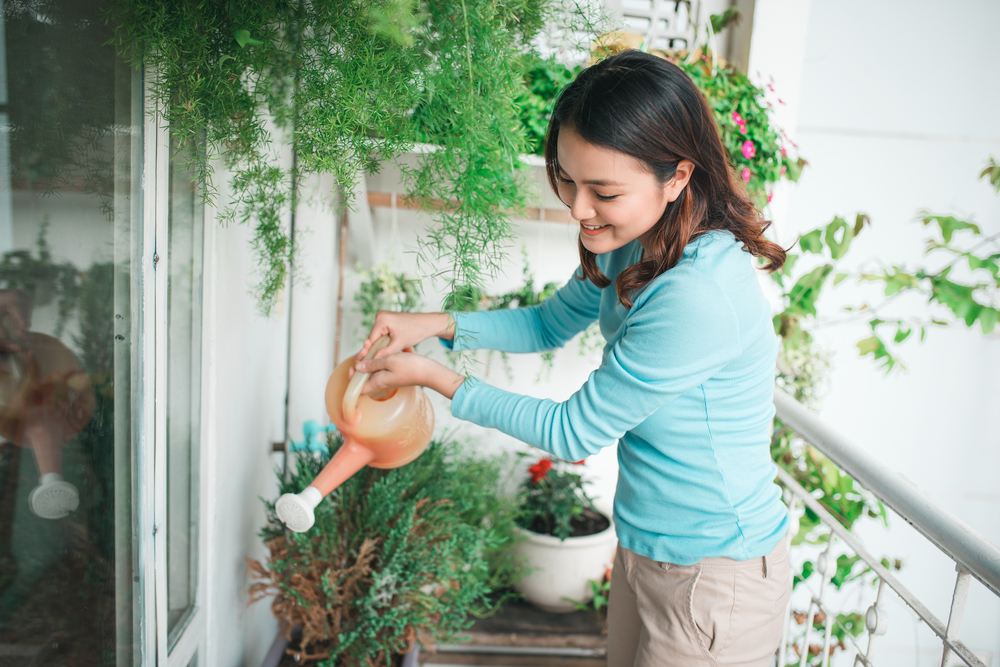
2. Dehydration
Similar to overwatering, wilting may be a sign of a dehydrated plant. Leaves of a dehydrated plant also tend to be yellow and curled. The difference is that leaves tend to be dry and crisp, instead of limp like in overwatered plants. A quick screwdriver test can help to determine if your plant is indeed dying of thirst. If you find it difficult to push the screwdriver deep into the soil, it’s likely that dehydration is present.
Tips:
- Simply water your plants more often! As with owning pets and raising kids, growing plants require consistent commitment. Help yourself by setting little calendar reminders to water your plants on time, and check on them once in a while.
- Choose porcelain or plastic pots instead of clay pots. Clay pots draw water from the plant more rapidly as water evaporates from both the sides and the top of the pot.
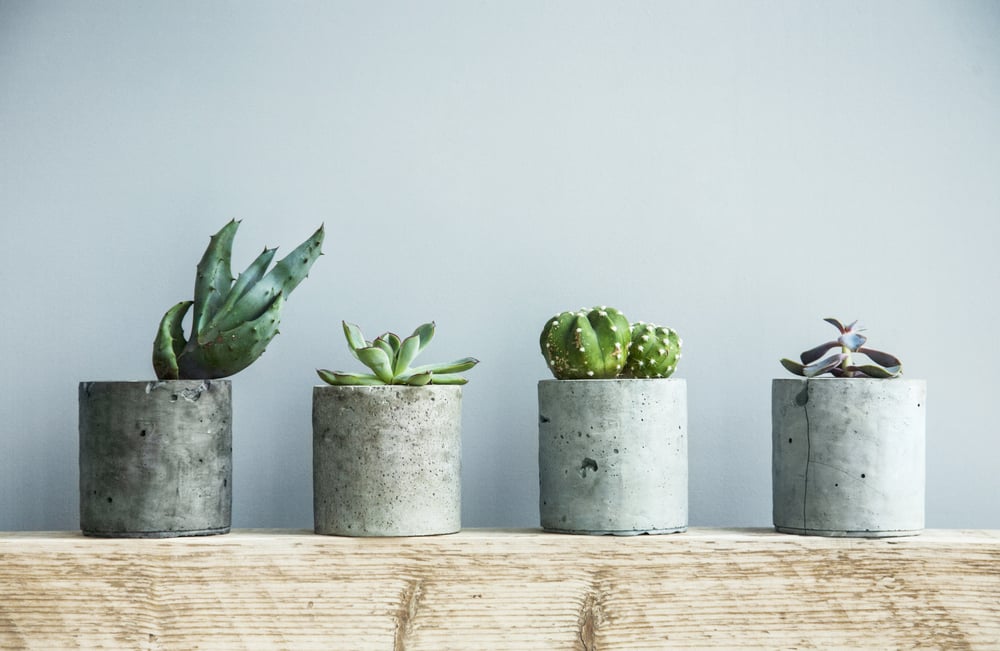
- If you’re finding it hard to keep up with your plants, opt for easier plants that require less watering. Examples include:
- Succulents
- Cactus
- Money Plant
- ZZ Plant
3. Poor Drainage
If your plant is suffering from mouldy soil and root rot, and you have ruled out overwatering, poor drainage is the likely issue. Never grow your plant in pots without drainage holes. If your pots have drainage holes, check if you have emptied the still water in the tray below. Whenever we water our plants, excess water flows through the drainage holes and collects on the tray underneath. Over time, the water accumulates and your plant is perpetually sitting in water. Just like how our skin shrivels up like an old prune with prolonged exposure to water, plant roots turn limp and rot in water.
Tips:
- Remember to pick pots with good drainage systems and diligently empty excess water.
- Watering and drainage issues are closely related. The better your drainage system, the more leeway you have to make mistakes with your watering, as excess water is drained quickly.
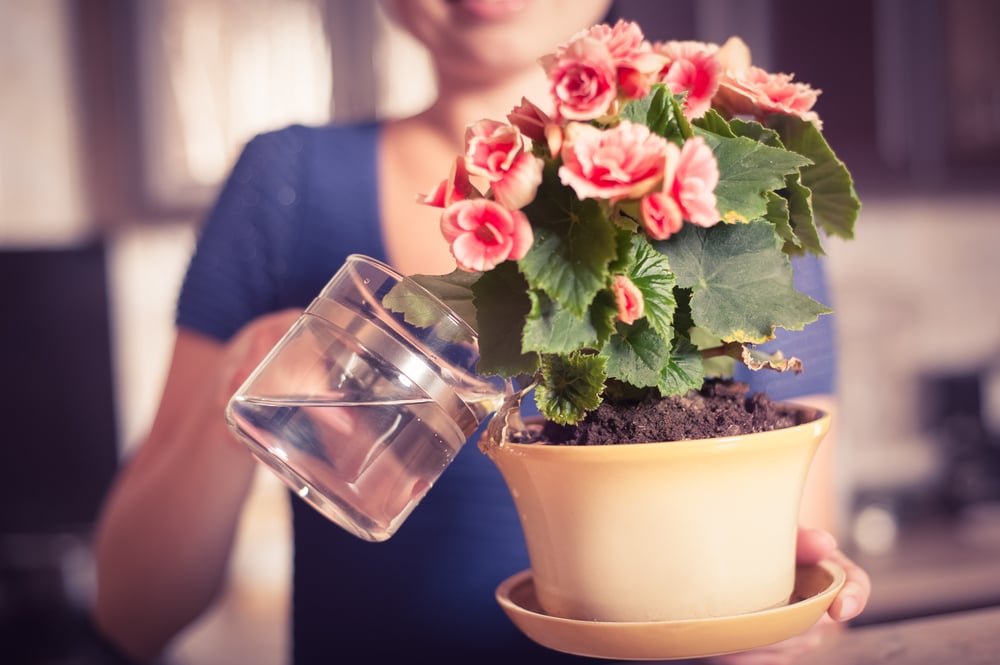
4. You’ve been changing your mind too much
Plants adapt to where they are placed, if given sufficient time. When you constantly shift your plant around, you are disrupting its natural ability to adapt to the environment. Plants tend to grow towards light, but when moved too frequently, the plant is unable to direct its growth to the right places for survival.
Tips:
- Settle on specific spots for your plants, while keeping in mind their need for light (next point).
5. Too little or too much sun
Plants receiving insufficient light tend to appear pale and limp, while those receiving excessive light usually have charred and brown leaf edges. Certain indoor spaces do not compensate sufficiently for direct sunlight, so here’s what you can do:
Tips:
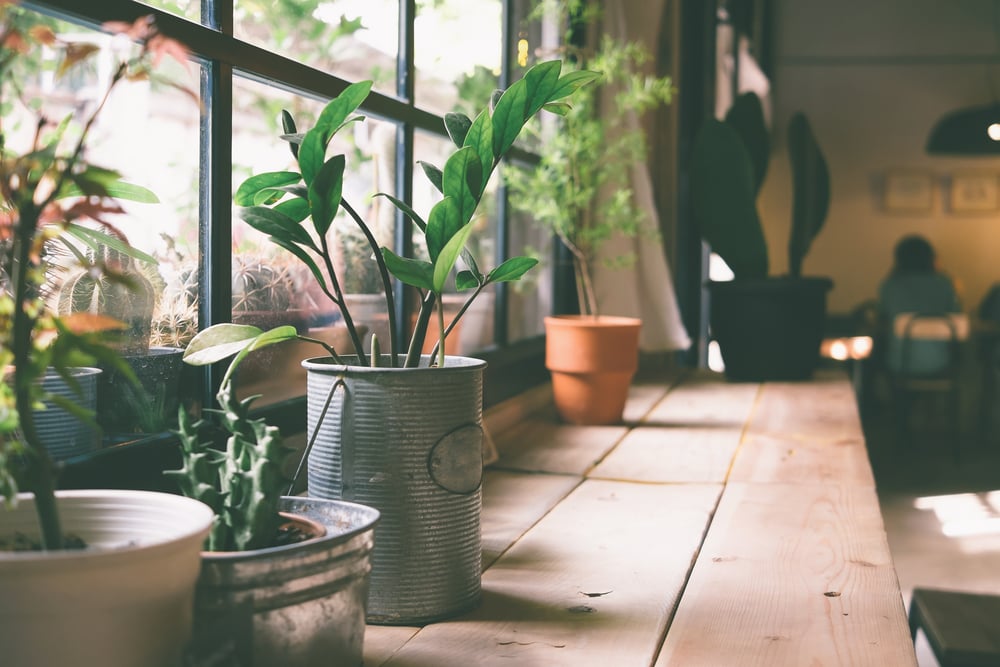
- For plants who need more light, shift them to places such as the windowsill, or install LED- growth lights directed at your plant. These artificial lights help to make up for the lack of sunlight indoors.
- If the above is not possible due to indoor constraints, opt for plants that thrive in low light. Examples include: ZZ plant, Pothos, Staghorn Fern.
6. Lack of dusting
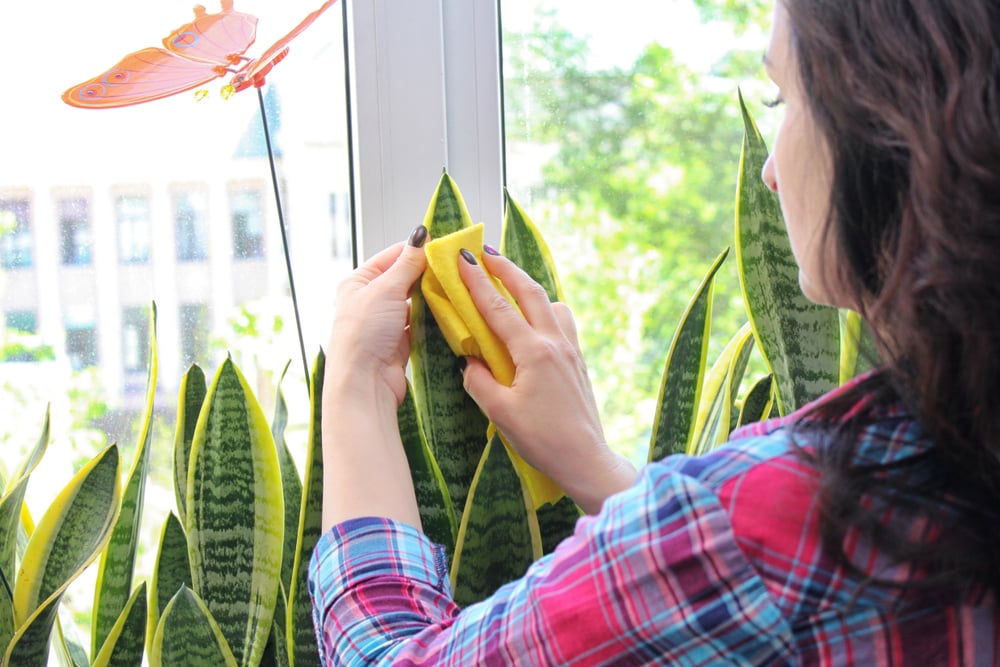
Indoor plants tend to collect a lot more dust than outdoor ones, simply because there is less ventilation. Over time, dust and other particles can clog the surface of the leaves and block the plant’s ability to trap sunlight for photosynthesis.
Tip:
- Besides providing sufficient light and water, clean your plants once in a while to keep them healthy.
7. Choosing the wrong species
Some plants are simply unsuited for indoor growth. They thrive in direct sunlight and require consistent care. If you find that your dedication towards your plant has not been paying off, you might be investing your efforts in the wrong plants. To increase chances of survival, pick hardy plants that only require light watering and indirect light.
8. Over-fertilising
Stunted growth, collapse of stems, and discoloured leaves may be signs of over-fertilising. Chemicals that accumulate in the soil deter plants from absorbing water efficiently, making them vulnerable to pests and eventual death.
Tips:
- Remove damaged parts of the plants.
- Wash out excessive fertiliser by watering your plant thoroughly and allowing the water to drain out the bottom. Repeat this at least four times to ensure that all the fertiliser is leeched away.
- For small indoor plants, you may also consider repotting the plant in fresh soil.
- Refrain from fertilising your plant for the following few weeks.
Be a responsible plant owner
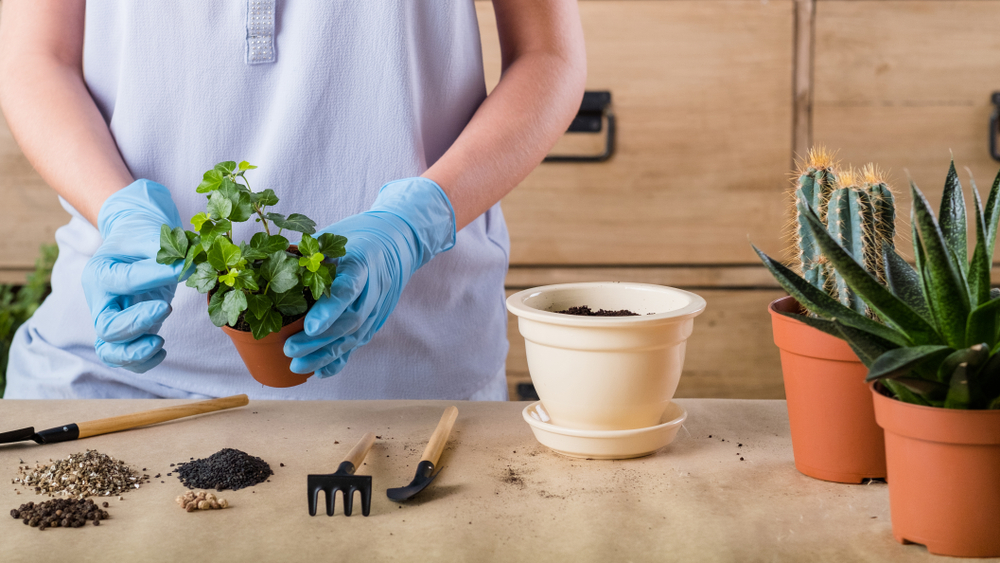
The rule of thumb is to understand what your plant needs. With these tips in mind, look forward to growing your own bunch of happy and healthy greens!
Experience your plants dying on you all the time? Voice your thoughts in our comments section or on our Facebook community page.
Looking for a property? Find the home of your dreams today on Singapore’s largest property portal 99.co! You can also access a wide range of tools to calculate your down payments and loan repayments, to make an informed purchase.

About Georgia Yap


Looking to sell your property?
Whether your HDB apartment is reaching the end of its Minimum Occupation Period (MOP) or your condo has crossed its Seller Stamp Duty (SSD) window, it is always good to know how much you can potentially gain if you were to list and sell your property. Not only that, you’ll also need to know whether your gains would allow you to right-size to the dream home in the neighbourhood you and your family have been eyeing.
One easy way is to send us a request for a credible and trusted property consultant to reach out to you.
Alternatively, you can jump onto 99.co’s Property Value Tool to get an estimate for free.
If you’re looking for your dream home, be it as a first-time or seasoned homebuyer or seller – say, to upgrade or right-size – you will find it on Singapore’s fastest-growing property portal 99.co.
Meanwhile, if you have an interesting property-related story to share with us, drop us a message here — and we’ll review it and get back to you.
Join our social media communities!
Facebook | Instagram | TikTok | Telegram | YouTube | Twitter


Leave a comment