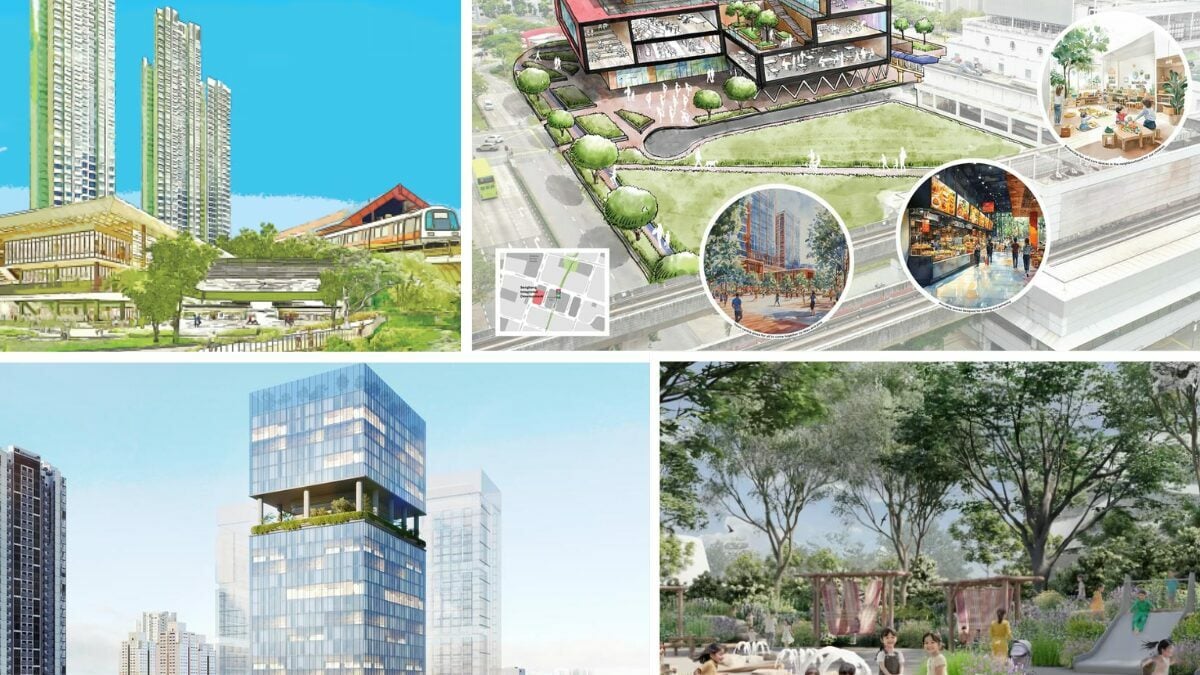
If you’ve lived in Singapore for a while, you know this city doesn’t sit still. Every five years, the Urban Redevelopment Authority (URA) releases a Master Plan outlining how Singapore will evolve over the next decade and beyond.
The upcoming URA Master Plan 2025 (DMP2025) builds on the foundation of 2019’s plan, and it promises to reshape the way we live, work, and connect with the city.
Whether you’re planning your next home, thinking about where to invest, or simply curious about your neighbourhood’s future, the Master Plan is worth paying attention to.
Table of Contents
- From promise to progress: What the 2019 Master Plan delivered
- What’s new in the Draft Master Plan 2025?
- Key new housing districts and what they will offer
- Newton: A green urban village at your doorstep
- Paterson: City living by Orchard MRT
- Dover-Medway: A blend of learning and living
- Mediapolis: Live close to work in One-North
- Former Singapore Racecourse: A nature-themed estate
- Sembawang Shipyard: Seaside living with heritage charm
- PLAB and Defu: Building a town from scratch
- What this means for residents
From promise to progress: A lookback from 2019-2025
Singapore’s total population grew from approx. 5.70 million in 2019 to 6.04 million in June 2024. The number of resident households increased from 1.37 million (2019) to 1.46 million (2024). As of 2024, approximately 77.4% of residents live in HDB flats, 17.7% in condominiums/apartments, and 4.7% in landed properties.
HDB committed to launching 100,000 BTO flats from 2021–2025, exceeding this with approx. 102,300 launched by end 2025 (including 19,600 planned for 2025). Over 25,000 new flats (BTO + Sale of Balance Flats) are expected in 2025 alone. The average first-timer BTO application rate has significantly improved, falling from 3.7 in 2019 to 2.1 in 2024, indicating better supply-demand balance. All 92 pandemic-delayed BTO projects were completed by early 2025. From 2025–2027, HDB plans to launch over 50,000 flats, with a total of ~130,000 from 2021–2027.
The Government Land Sales (GLS) program increased private housing supply to approx. 8,505 units for 1H 2025, nearly 60% higher than the 2021–2023 average. This includes a significant boost in Executive Condominium (EC) units (approx. 2,000 in 2025, almost double the average from 2021–2023). Private housing prices saw moderation in Q1 2025, with a 0.8% QoQ increase, slowing from 2.3% in Q4 2024.
Back in 2019, the URA focused on three key priorities: building more diverse and inclusive neighbourhoods, enhancing connectivity, and revitalising older parts of the city. Some of the flagship projects from that plan are already beginning to take shape.
Here’s a detailed look at these projects:
1. Tengah
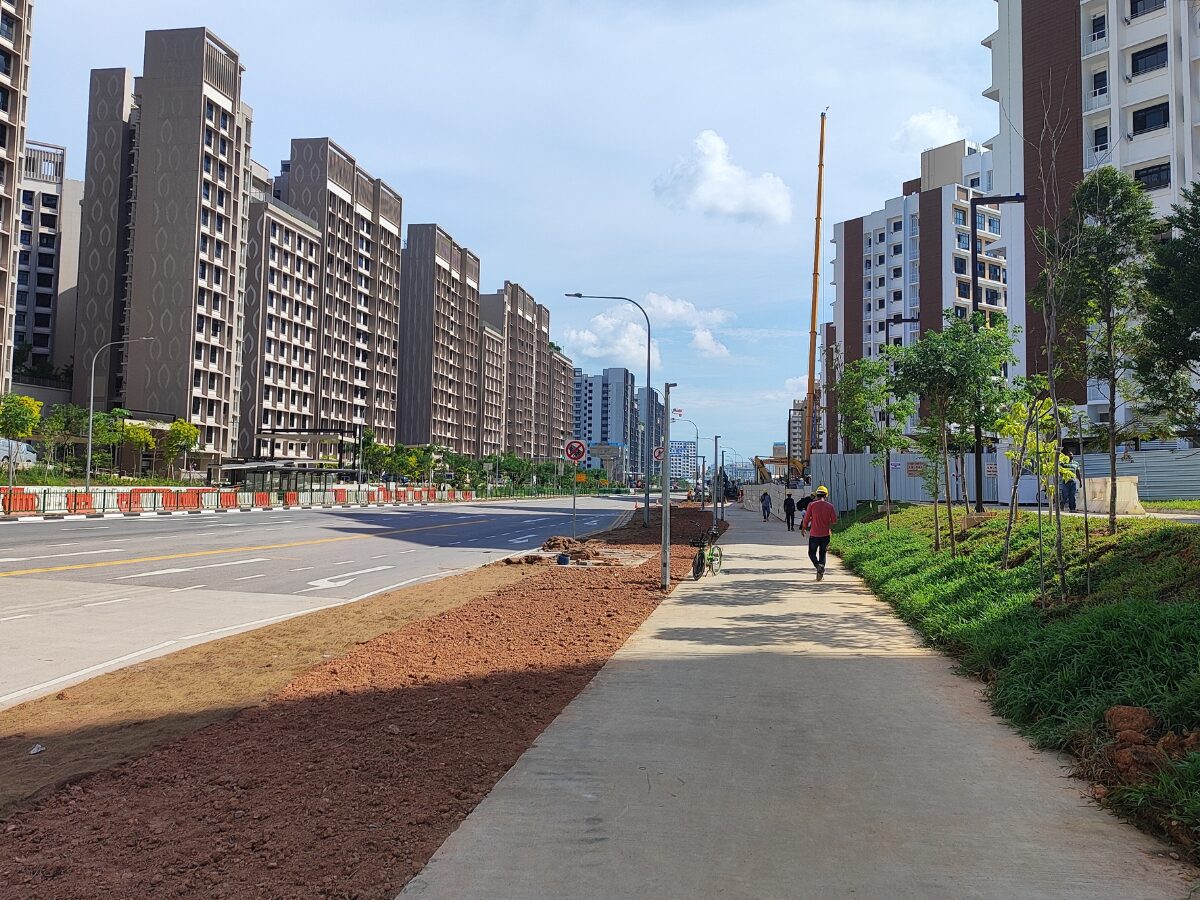
Tengah has emerged as one of Singapore’s newest housing towns, designed around green living and a car-free town centre. Since its launch in 2018, over 11,000 BTO flats have been rolled out across precincts like Garden Vines, Plantation Grove, and Park District, with a total projected 42,000 homes.
The first wave of residents began moving in during late 2023, and more keys will be handed over through 2025.
Tengah is also the first town planned with smart energy systems and autonomous vehicle corridors, marking a bold shift in how HDB towns are conceptualised and built.
Read more about the neighbourhood of Tengah here.
2. Punggol Digital District
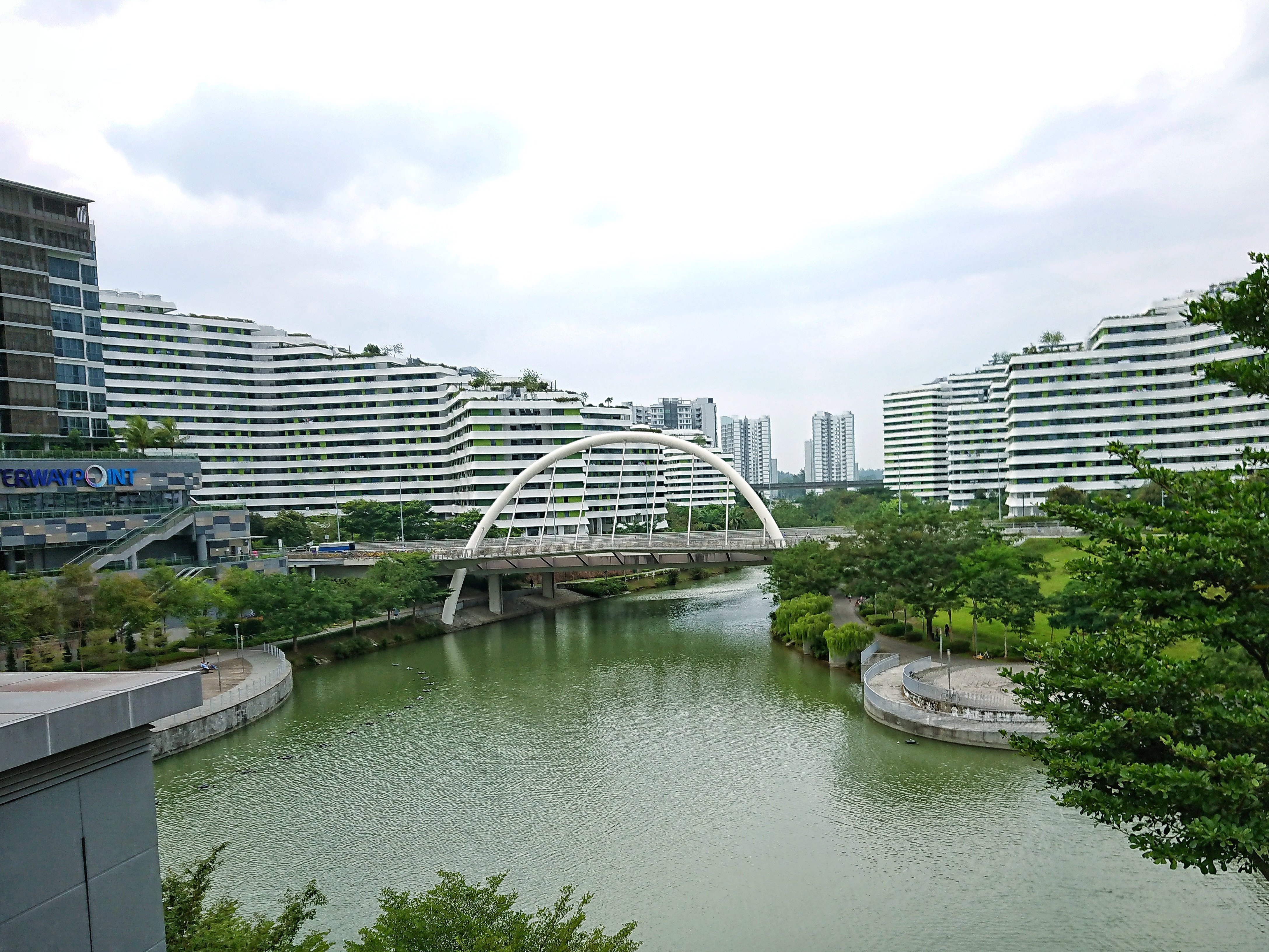
The new Punggol Coast MRT station is now operational (opened December 2024), SIT is relocating its student population in phases, and early commercial tenants have begun setting up.
Projected to be fully completed in 2026, the district will support 28,000 tech jobs and house 12,000 students. As of February 2024, JTC had received planning clearance for eight buildings within PDD.
Did you know? Punggol has the most number of MOP flats in 2025. If you’re searching for a home near the PDD, head over to our portal to find the most affordable options!
3. The Rail Corridor
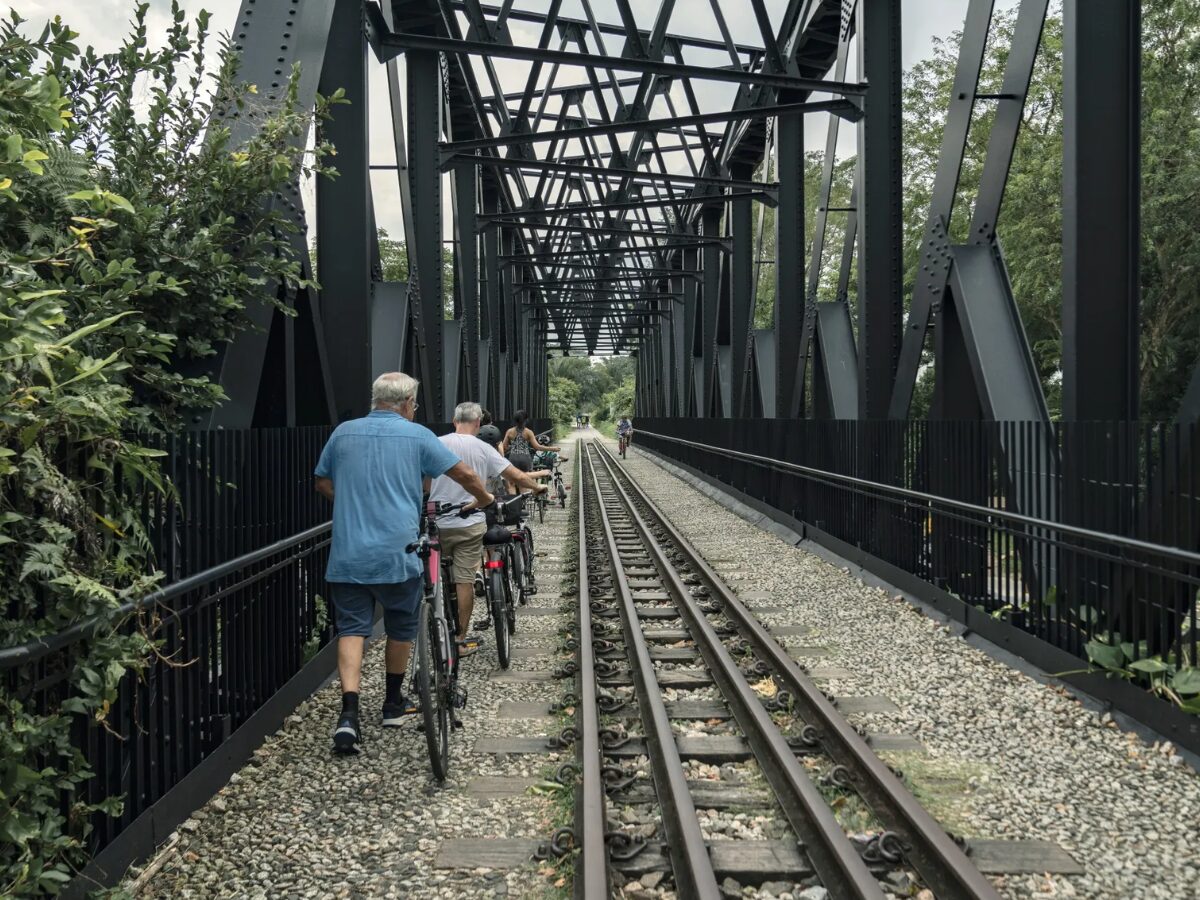
The Rail Corridor traces its origins to the Singapore-Kranji Railway, which was constructed between 1900 and 1903 under British colonial rule. Since its transformation, 21 kilometres of the Rail Corridor are open to the public, with ongoing enhancements at key nodes such as Kranji, Bukit Timah Railway Station, Buona Vista, and the former Bukit Timah Fire Station. Additional sections and amenities are being developed to improve accessibility and user experience.
The fifth node (former Bukit Timah Fire Station) is due in 2025, with others like Queensway and Stagmont Ring in later phases.
4. The Greater Southern Waterfront
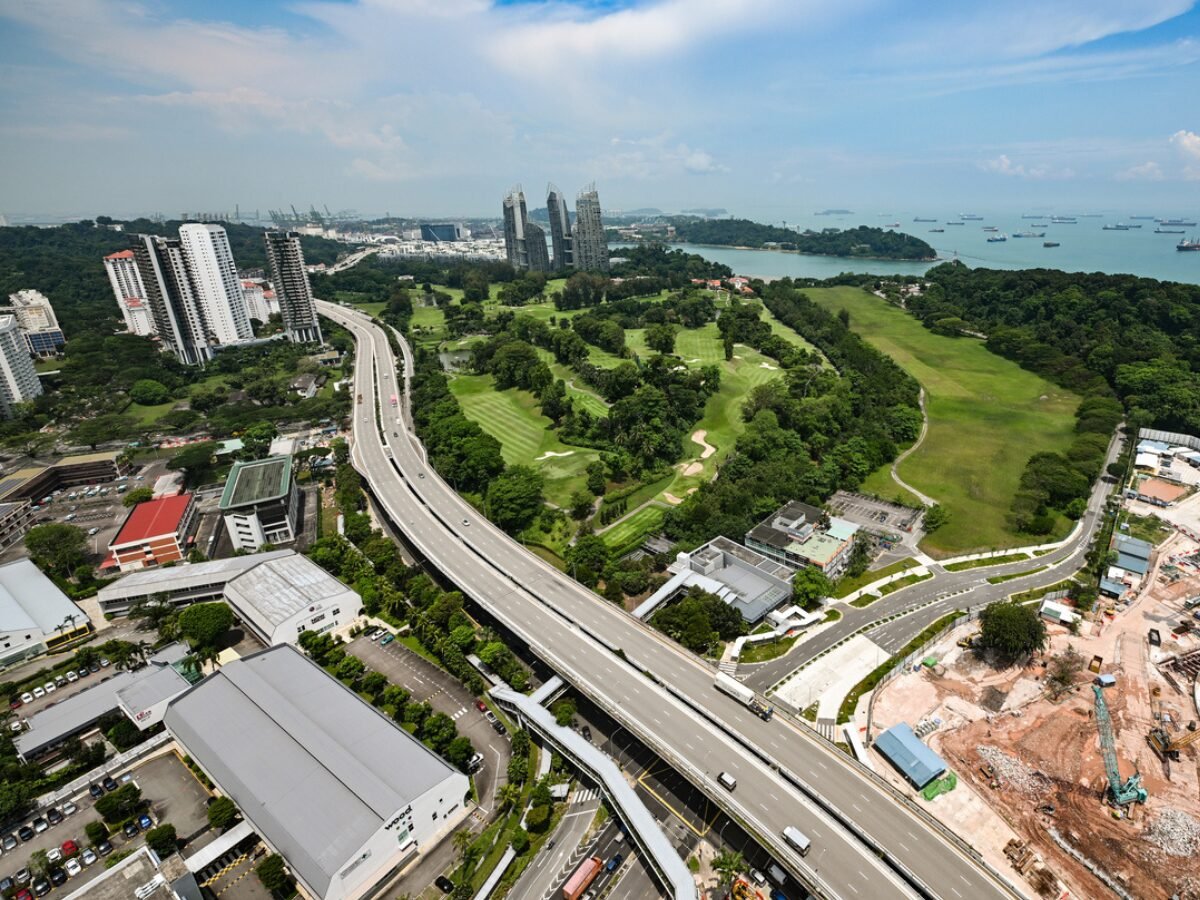
The Greater Southern Waterfront (GSW) is a major urban transformation project along Singapore’s southern coastline, stretching from Pasir Panjang to Marina East and covering about 2,000 hectares. It aims to create a vibrant, inclusive community with a mix of public and private housing, green spaces, and heritage sites.
Key areas include the Pasir Panjang Power District, Keppel Club site, and Mount Faber, all set for phased development. Since 2019, progress has included public engagement initiatives, planning for improved connectivity, and preparations for new residential precincts. The Keppel Club site alone (48 hectares) will deliver over 9,000 homes.

 -1
-1
 2
2
 2
2
 -1
-1
 -1
-1
 -1
-1
 -1
-1
 -1
-1
 -1
-1
 -1
-1
 2
2
2
2
What’s new in the DMP2025?
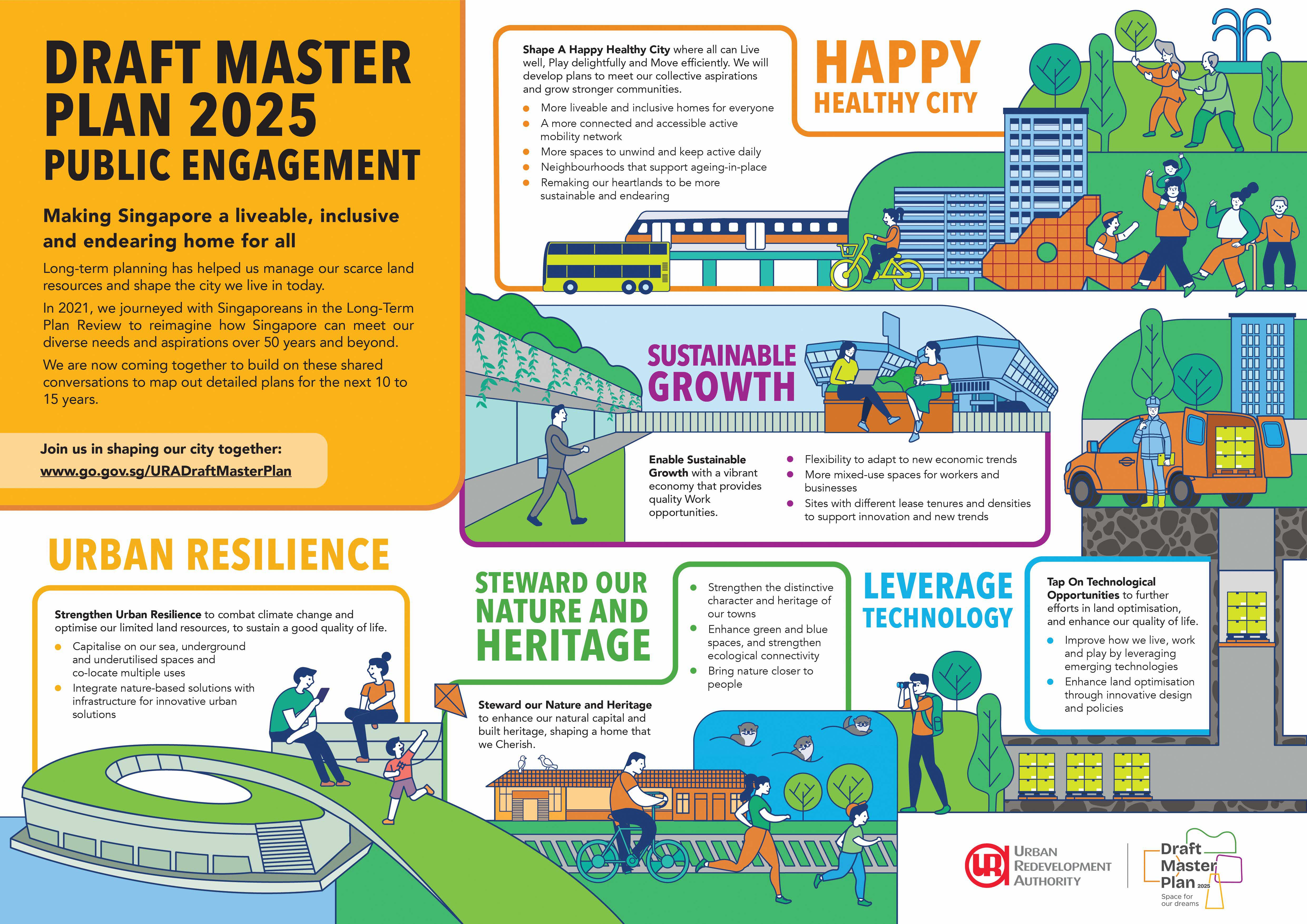
While earlier Master Plans were often focused on spatial efficiency, housing, and infrastructure, the Draft Master Plan 2025 introduces a noticeable shift in philosophy: a stronger focus on quality of life, climate resilience, and socio-cultural cohesion.
Here’s a breakdown of the new housing areas in Singapore and what they could mean for you:
| Housing area | Housing mix | Estimated number of new homes |
| Mount Pleasant | Public | 5,000 |
| Pearl’s Hill | Public and private | 6,000 |
| Former Keppel Golf Course site | 9,000 | |
| Bukit Timah Turf City | 15,000 – 20,000 | |
| Former Singapore Racecourse site at Kranji | 14,000 | |
| Dover-Medway | 6,000 (First phase) | |
| Mediapolis | Private | 5,000 |
| Newton | 5,000 | |
| Paterson | 1,000 | |
| Marina South | To be confirmed | 10,000 |
| Paya Lebar Air Base-Defu | To be confirmed | |
| Sembawang Shipyard | To be confirmed |
But the plan is more than just about where the new buildings go, but how they make life better; for both today’s and tomorrow’s residents. Hence, we have broken down the essential pillars of DMP 2025 to help everyone understand what’s coming our way in the future. Take a look:
1. Smarter and more inclusive housing
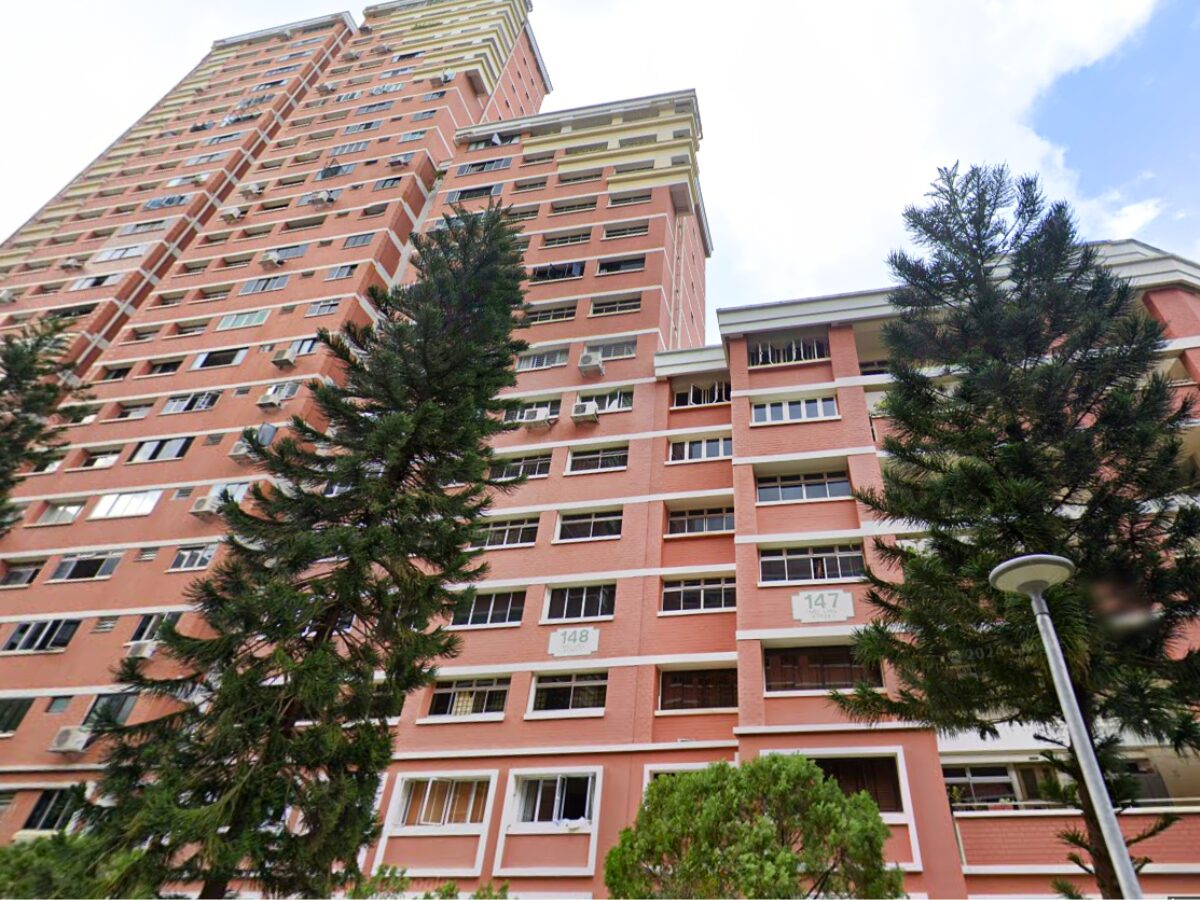
The biggest headline is the push to build more homes in central and fringe areas like Marina South, Mount Pleasant, and Kranji. This is the first time the URA has explicitly targeted such centrally located, undeveloped land parcels for mass housing.
- Marina South: Envisioned as a sustainable seafront town with around 10,000 new homes, the first BTO project is expected to be launched in 2026. It will feature car-lite design, integrated transport nodes, and waterfront public spaces.
- Mount Pleasant: Redevelopment of the Old Police Academy site will introduce a new public housing precinct nestled within greenery, sensitive to the heritage buildings on site.
- Queenstown: Even mature estates are being retrofitted for inclusivity, with public rental flats and two-room flexi units to help single seniors and lower-income groups remain in well-connected neighbourhoods.
You will also notice more assisted living options. These include more Community Care Apartments (CCA) and even private assisted living homes, such as the Parry Avenue project. These are designed for seniors to age comfortably in a supportive setting.
2. Climate-conscious urban planning
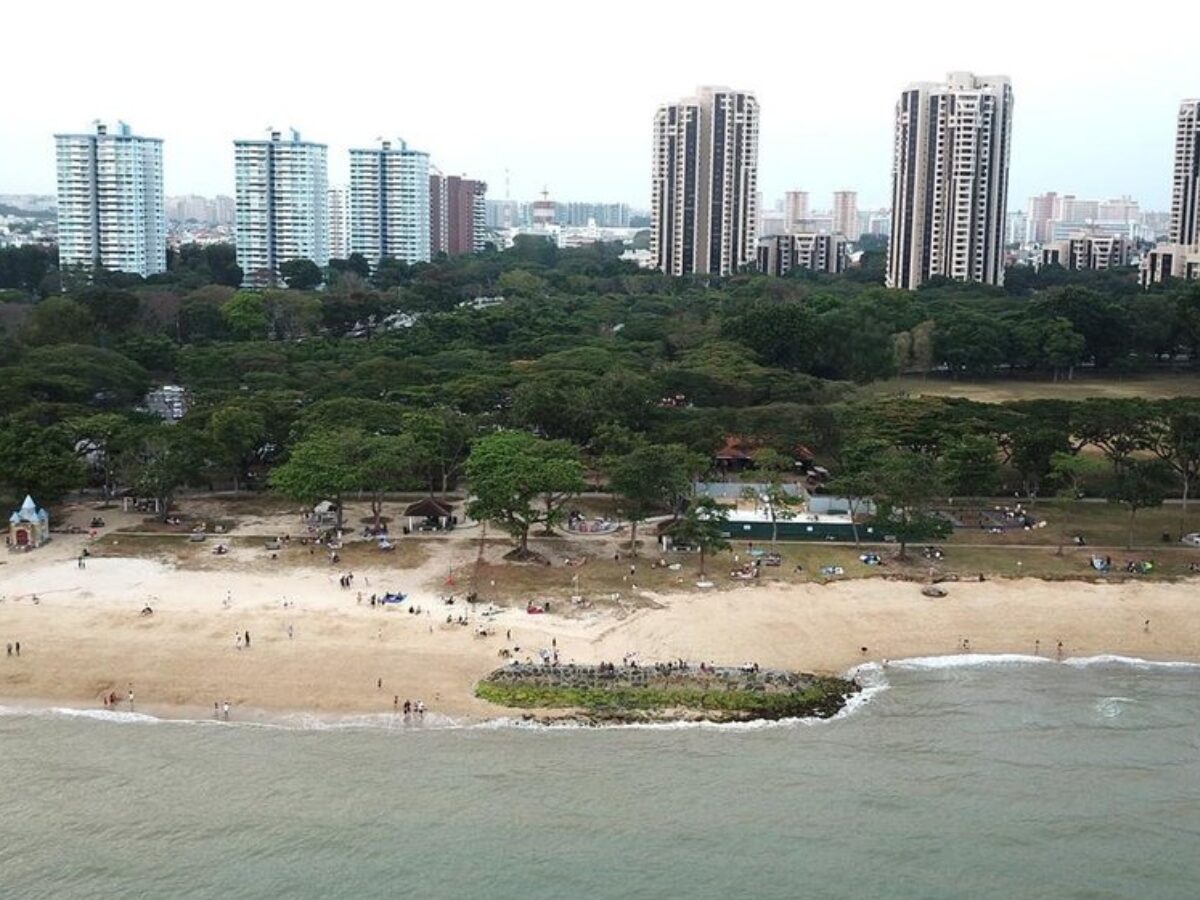
DMP2025 signals Singapore’s strongest commitment yet to urban planning in the age of climate risk. These are some of the initiatives the URA plans to undertake in the following years to mitigate climate risk:
- Long Island Reclamation Project: A new 800-hectare zone off East Coast Park that will serve as both a sea-level defence (with a 7-metre high barrier) and a future housing and recreation district. This scale of forward planning has never been seen before in Singapore’s coastal infrastructure strategy.
- Nature-based coastal protection: Instead of grey concrete walls, new “living seawalls” and park-lined coastlines will be built to double as flood barriers and leisure spaces — especially along the East Coast and Southern waterfront.
- Mandatory flood risk buffers and ventilation corridors: URA is integrating climate-resilient urban design guidelines, such as better air flow and tree coverage requirements, across new developments.
You’ll see more underground development too. Aside from MRT lines and existing deep tunnels, new deep caverns at Gali Batu could store construction materials. Research in this area will continue, helping Singapore use its land better.
3. Vertical integration of real estate
While the 2019 plan promoted mixed-use zoning (e.g. offices + retail), DMP2025 takes it further with “vertical zoning” which envisions entire buildings stacked with different urban functions.
For example, a single high-rise might contain:
- Retail and food outlets on the ground floor
- Co-working or light industrial labs on the middle floors
- Rental apartments or dormitories for workers on the upper floors
This allows job hubs to be embedded within residential nodes, cutting down commuting and boosting street-level vibrancy. Areas like Sungei Kadut and Jurong Innovation District are expected to pilot this form of high-intensity mixed use.
4. Decentralisation 2.0
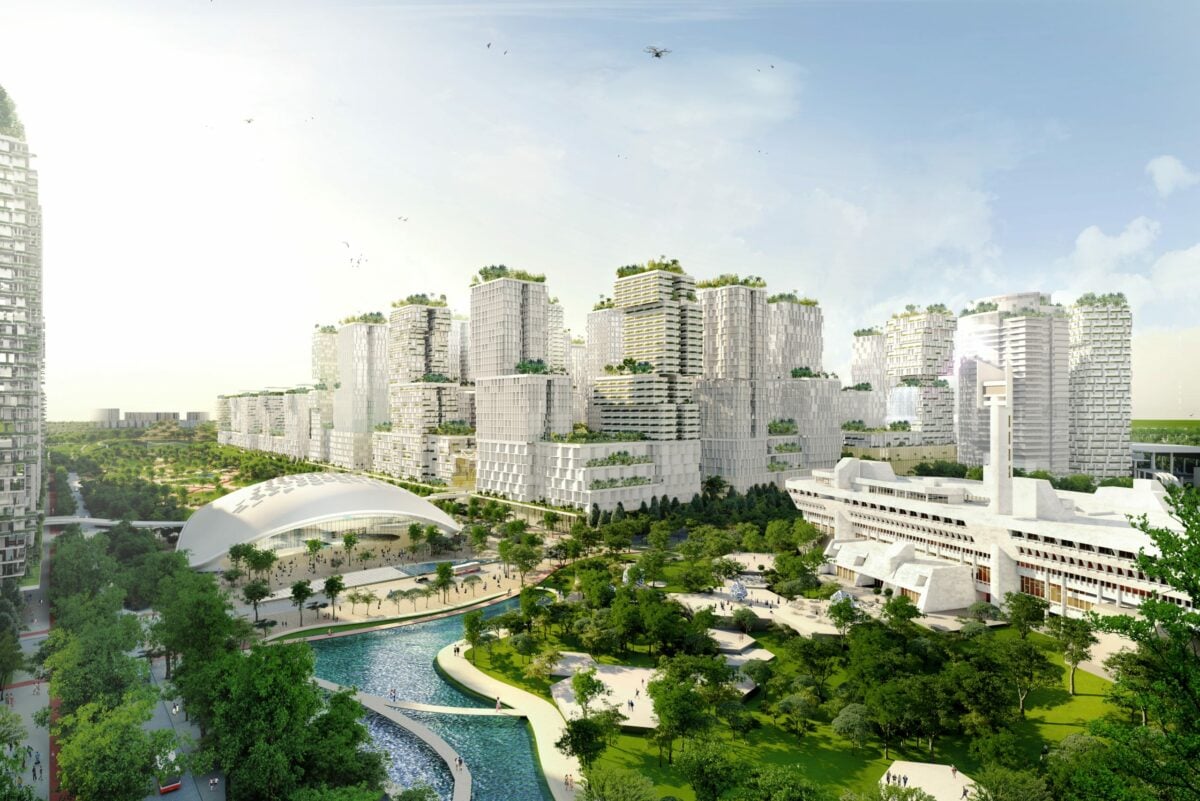
Decentralisation has been a theme since the 1990s, and the DMP2025 makes it more deliberate. Instead of just creating satellite hubs, the goal is to equalise access to jobs island-wide, by creating more business hubs across the nation.
- Jurong Lake District: Positioned as Singapore’s “Second CBD”, set to support over 100,000 jobs with office towers, residential enclaves, and a future integrated transport hub.
- Changi City: Linked to Terminal 5, which will serve 50 million passengers annually. The vision: a global air-logistics and innovation hub for aviation-adjacent businesses.
- Johor-Singapore SEZ (Special Economic Zone): While technically cross-border, it’s expected to complement northern Singapore towns like Woodlands and Sembawang with new economic and commuting opportunities.
We will also see continuous efforts to boost the Northern, Eastern, and Western Gateways. In the north, Woodlands will strengthen links to Johor with the upcoming RTS Link. The west will benefit from Tuas Port and the PSA Supply Chain Hub. The east will see growth from Changi Airport Terminal 5, all set to be ready by the mid-2030s.
5. Heritage and nature conservation as core urban infrastructure
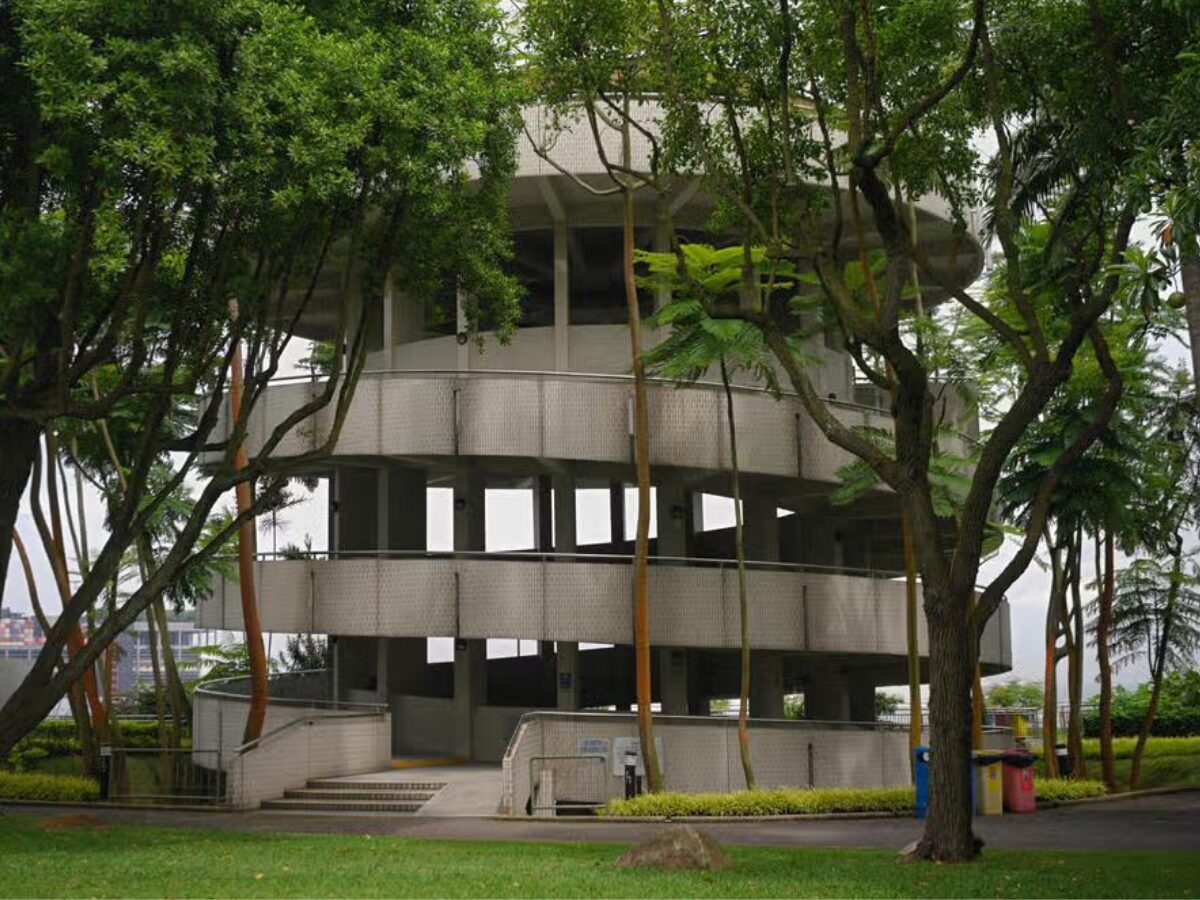
Another departure from earlier plans is how heritage buildings and spots will no longer be treated as just as isolated conservation projects, but as active contributors to urban life. Conservation is now expected to yield both social and economic returns.
Key sites earmarked for adaptive reuse include:
- Dakota Crescent: Preserved for its social heritage and unique low-rise housing model.
- Jurong Hill Tower and Bukit Timah Turf Club: To be repurposed as social and cultural landmarks, potentially hosting community, F&B, and creative industry spaces.
- NatSteel Steel Pavilion and former Pasir Panjang English School
The emphasis is not only on preservation, but functional reuse. URA is looking at how these buildings can become part of everyday life again: as co-working hubs, art spaces, cafés, or neighbourhood anchors.
URA is also rolling out a new heritage framework, developed during the LTPR 2022. It aims to balance heritage with progress in housing, economy, society, and defence. More old buildings will be reused instead of torn down. Since 2021, 130 hectares of parks and 390km of Park Connectors have been added. By 2030, the goal is 25 more parks and 50km of connectors. The Kranji Nature Corridor will also be improved to support biodiversity.
Places like Historic East, Kallang River, and the Inner Ring will continue to evolve with identity in mind. You can also look forward to new projects in Siglap, Moonstone Lane Estate, and Newton. A pedestrian mall in Katong and new parks along Kallang River are also on the way.
6. Social integration as design principle
Finally, DMP2025 reflects a maturing of Singapore’s social policy into urban design. Rather than just building affordable housing, the plan promotes neighbourhood-level inclusion. The DMP2025 aims to achieve this through:
- Integrating rental housing and two-room flexi units even in high-demand towns like Queenstown
- Designing common spaces (e.g., sky gardens, void decks, hawker centres) to facilitate intergenerational interaction
- Prioritising walkability and access for seniors, families with children, and people with disabilities
URA gathered feedback from over 66,000 people to improve recreational planning. Because of that, you’ll have easier access to parks, sports facilities, shops, and community spaces. New Sport-in-Precinct (SIP) facilities will be added in Choa Chu Kang, Keat Hong, Ulu Pandan, Whampoa, Tampines North, and Pasir Ris East. Community hubs are also coming to Woodlands, Yio Chu Kang, and Sengkang. Even underutilised areas like MRT viaducts and HDB rooftops will be used better.
By the 2030s, 8 out of 10 homes will be within 10 minutes of a train station. Cycling paths will grow to 1,300km across the island. In addition, a new pedestrian bridge will connect Marina Centre to Bay East Garden by 2029.
Key new housing districts and what they’ll offer
Curious about which neighbourhoods are set for a transformation under the URA Master Plan 2025? Here’s a district-by-district breakdown of Singapore’s biggest upcoming residential developments including Newton, Paterson, Dover-Medway, Mediapolis, the former Singapore Racecourse, Sembawang Shipyard, and more.
Each of these estates will introduce fresh amenities, green spaces, and smarter connectivity, shaping the way future generations live, work, and play in the city.
1. Newton: A green urban village at your doorstep
Over at Newton, you’ll soon see a mixed-use urban village with around 5,000 private homes rolled out gradually. Spread across Newton Circus, Scotts Road, and Monk’s Hill, these homes will sit within a lively, well-connected space.
One highlight is the new Village Square, which will be built near Newton MRT station and the Newton Food Centre. This area will serve as the focal point for both residents and visitors. Even better, Monk’s Hill Road will be turned into a green corridor, linking Newton MRT to Emerald Hill – perfect for your evening walks or cycle trips.
2. Paterson: City living by Orchard MRT
If you’re hoping to live near the city’s retail heart, Paterson might be just what you’re looking for. This new mixed-use district – right on top of Orchard MRT – will bring in about 1,000 private homes, alongside retail, office and dining spaces.
The site that once housed the Institute of Education (and later, Raffles Junior College) will be redeveloped. The area will also connect to the Inner Ring identity corridor through new cycling paths, giving you smooth access to Tiong Bahru, Balestier, and beyond.
3. Dover-Medway: A blend of learning and living
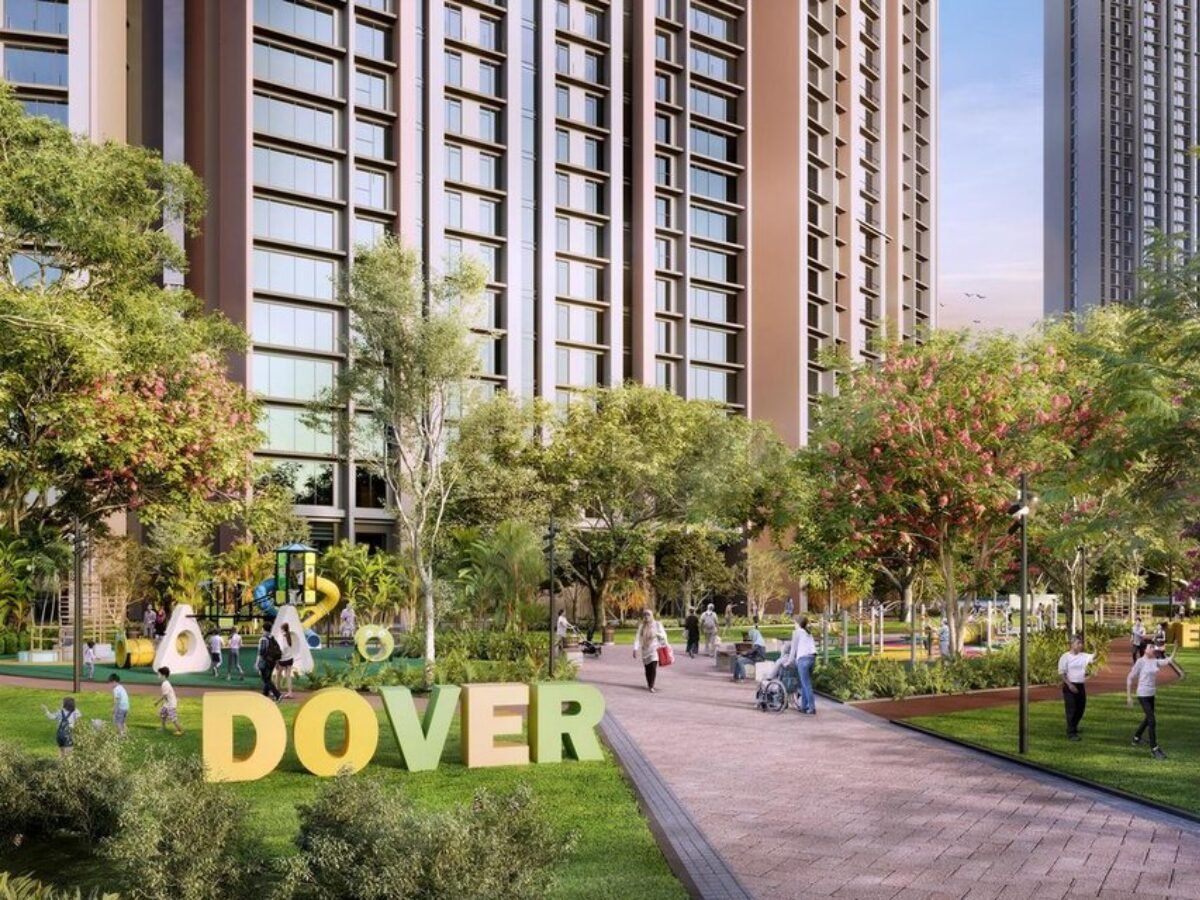
Situated near one-north and Kent Ridge MRT, Dover-Medway will offer about 6,000 public and private homes in its first phase. If you work in tech, education or research, this location brings you right next to where innovation is happening.
Existing schools like SIT and UWC SEA will eventually shift out (to Punggol and Tengah, respectively), freeing up space for new homes and green areas. But not to worry – ACS (Independent) on Dover Road will remain. The new homes will come with recreational zones, giving your family plenty of room to grow and relax.
4. Mediapolis: Live close to work in One-North
Right next door, the Mediapolis zone will also add up to 5,000 private homes. This area is ideal if you want to live close to media, tech, or science workplaces.
You’ll enjoy proximity to one-north Park, the charming Wessex estate, and the scenic Rail Corridor. With so many green spaces nearby, your home can be a peaceful retreat after a day’s work.
5. Former Singapore Racecourse: A nature-themed estate
In the north, the former Singapore Racecourse will become a major housing area, adding around 14,000 public and private homes. This new estate will embrace a riverine concept, blending nature with city living.
You’ll be close to places like Mandai Mangrove, Sungei Pang Sua, and the Rail Corridor, making this a dream spot for nature lovers. Whether it’s a quiet walk by the water or a family day out in green spaces, the area is designed to support healthy, active lifestyles.
6. Sembawang Shipyard: Seaside living with heritage charm
After the Sembawang Shipyard closes in 2028, the land will be developed into a waterfront mixed-use district. While the number of homes hasn’t been finalised yet, you can expect housing to come with views of the sea and public waterfront spaces.
Some of the shipyard’s old buildings will be repurposed into sports, culture or community hubs. The area could offer a rare balance of coastal charm, history and modern convenience.
7. PLAB and Defu: Building a town from scratch
When the Paya Lebar Air Base (PLAB) relocates in the 2030s, it will free up about 800 hectares of land. A whole new town will be built here, starting with Defu.
You’ll find green spaces, wetlands, parks and rivers woven into the area – all supported by a strong network of rail lines and cycling paths. Old airport features, like parts of the runway, will be preserved and repurposed, adding a unique character to the town. Height limits in nearby neighbourhoods may also be lifted, allowing for taller buildings and more homes.
DMP2025: What this means for residents
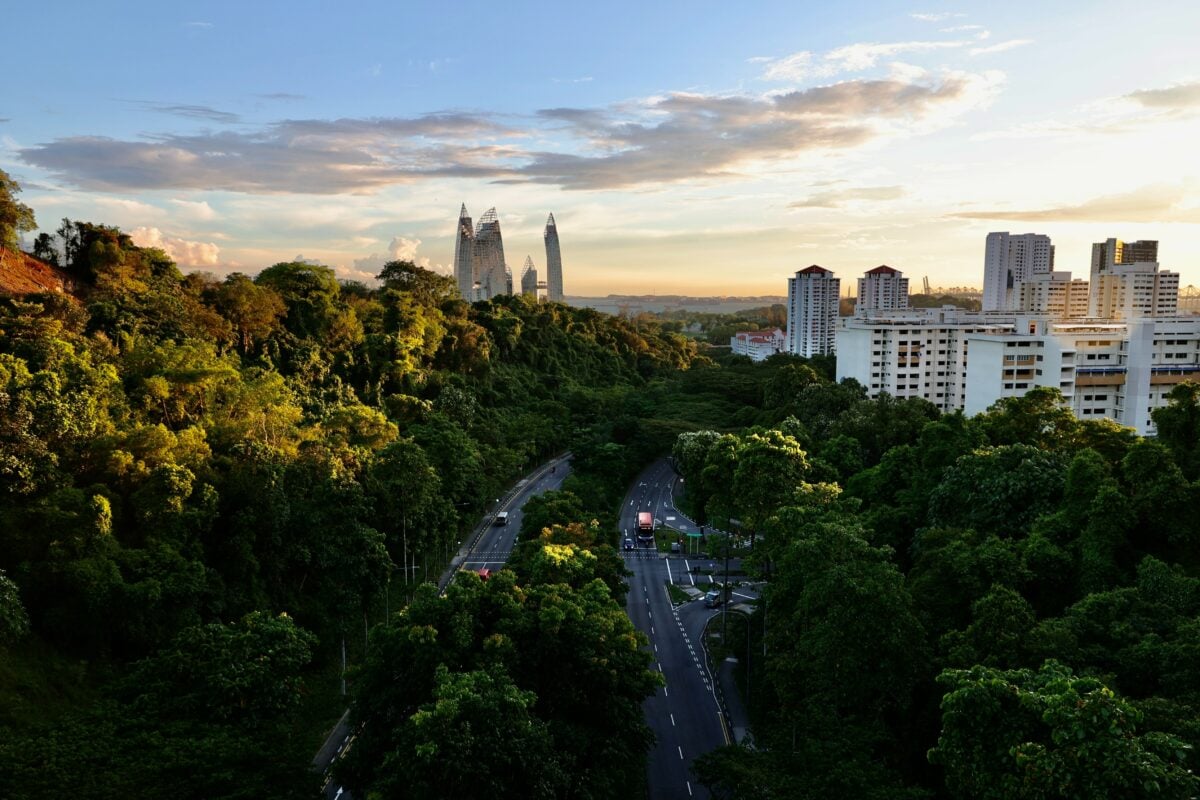
DMP2025 offers a forward-looking blueprint for a more inclusive, resilient, and liveable city. It promises more housing options, shorter commutes, richer green infrastructure, and a stronger emphasis on heritage. We will have to wait and see how the plan affects housing affordability in central areas, conservation trade-offs, and execution amid global economic uncertainty.
Still, the message is clear! The DMP2025 at its core is about thoughtful, human-centric growth that embraces the city’s past while preparing for its future. And just like you, we couldn’t be more excited for June 25th, when the plan will be unveiled for the entire nation!
About 99.co

We are a property search engine with the overarching goal of building a more transparent and efficient property market. We are working towards that future by empowering people with the tools and information needed to find a place to live in the best way possible.

Looking to sell your property?
Whether your HDB apartment is reaching the end of its Minimum Occupation Period (MOP) or your condo has crossed its Seller Stamp Duty (SSD) window, it is always good to know how much you can potentially gain if you were to list and sell your property. Not only that, you’ll also need to know whether your gains would allow you to right-size to the dream home in the neighbourhood you and your family have been eyeing.
One easy way is to send us a request for a credible and trusted property consultant to reach out to you.
Alternatively, you can jump onto 99.co’s Property Value Tool to get an estimate for free.
If you’re looking for your dream home, be it as a first-time or seasoned homebuyer or seller – say, to upgrade or right-size – you will find it on Singapore’s fastest-growing property portal 99.co.
Meanwhile, if you have an interesting property-related story to share with us, drop us a message here — and we’ll review it and get back to you.
Join our social media communities!
Facebook | Instagram | TikTok | Telegram | YouTube | Twitter



Leave a comment