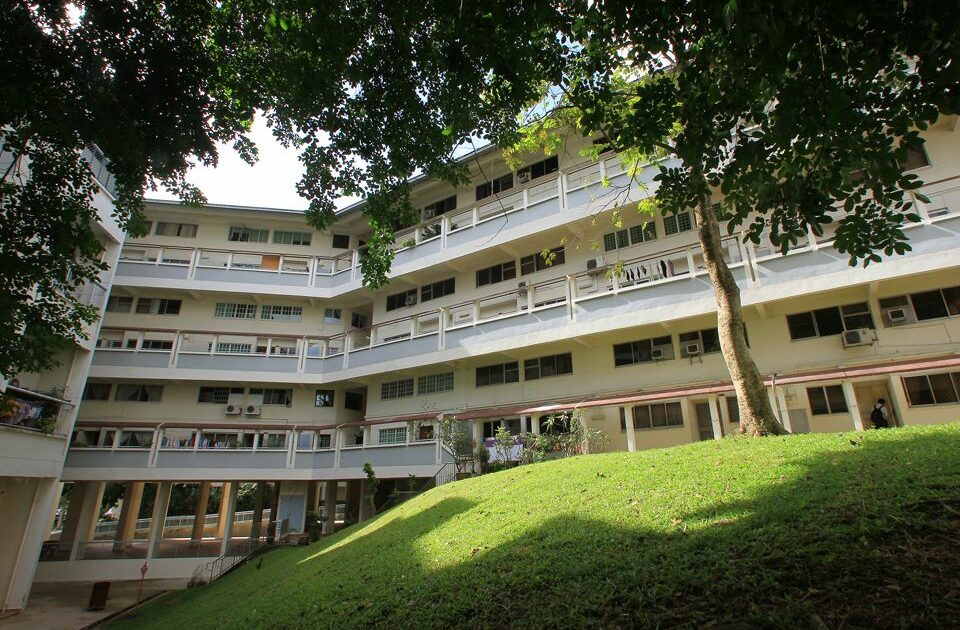
Ever since the sale of Shunfu Ville, Singaporeans everywhere have started to fantasize about the “en-bloc property lottery” – where a developer decides to pay their retirement via a huge offer. But the reality is, not all en-bloc property situations are a road to instant wealth. Not least because, by the time there’s an offer for the building, it already looks more like a mistreated museum exhibit than a condo. Most people overestimate what they’ll get from an en-bloc property, so here’s a quick rundown:
The Shunfu Ville en-bloc
In May 2016, Shunfu Ville was acquired by Qingjian Realty for $638 million. This comes to about $1.7 million for each resident, making it one one of the biggest en-bloc property deals since 2007. The 358 unit development is about 30 years old, and it’s estimated that the developer could have as many as 1,000 new units on the available space.
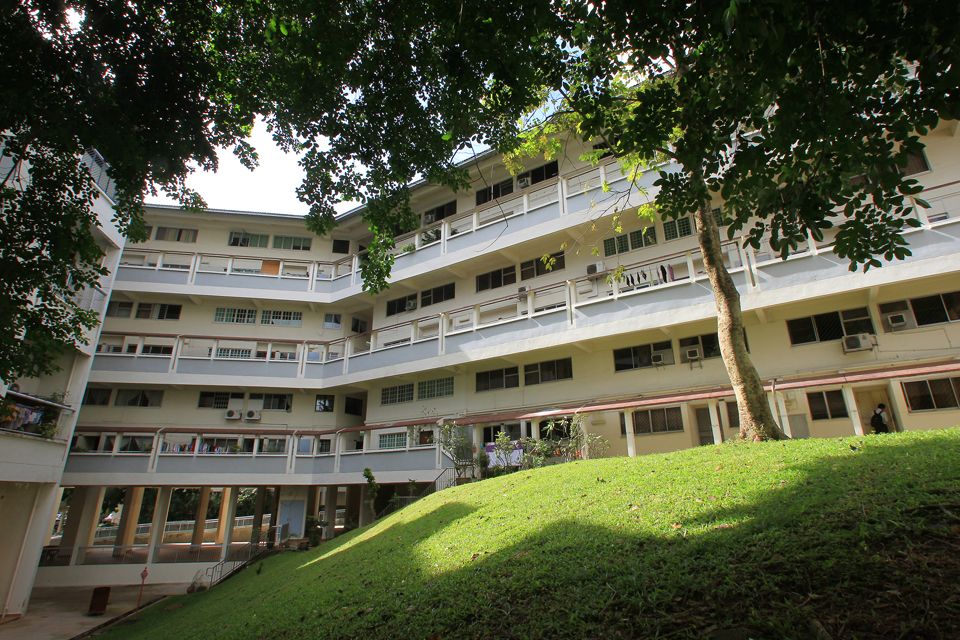
But Shunfu Ville is not typical. Many recent en-bloc attempts, such as Amber Park, Spring Grove, and Riviera Point, ended up flunking. In most cases, finding an en-bloc property are rare when the market is in a downturn.
So how does it happen, and what brings the dollars? Well it’s:
-
The price of the land versus the price of the en-bloc property
Land tends to age well, whereas property doesn’t. Give it 50 years, and even the best condo will look like it belongs in that Mad Max movie. It doesn’t help that, once the 99 year lease starts to run out, no one wants to handle the expense of replacing the cracked and broken bits.
Land, however, is like wine or cheese. The good plots only get better with age. Eateries, malls, cinemas, parks, etc. get built up on the land, or around it. This results in a situation where the land value is climbing, but the value of the actual property on it, is declining. This causes dollar signs to appear in developers’ eyes, and an en-bloc offer is made.
Now it’s not likely that you know the value of the actual land plot you’re living on, but you can check with your eyes. If you can see that the surrounding area is thriving, but the property on it is decrepit or doesn’t seem to fully benefit from it, that’s solid en-bloc property potential and value.
A good example, which we mentioned in a previous article, is Peace Mansions. The building is old and more worn out than a Primary school teacher during PSLE, but the amenities are incredible.
It’s near Orchard Road, has access to six MRT stations, and is a short walk away from Singapore Management University. So despite looking like it’s been around since 1942 and managed to get hit by literally every bomb the Japanese dropped, the en-bloc offer is a cool $680 million.
(And the residents still won’t sell.)
-
Current market conditions
As mentioned before, en-blocs tend not to happen during a downturn. It’s especially bad in 2015 and 2016, and not just because of the prices.
Due to the Additional Buyers Stamp Duty (ABSD) and Qualifying Certificate (QC), developers now have a time limit to build and sell all the units. Failing that, they have a to pay a percentage of the land value as an additional tax.
This makes it improbable that developers will want to buy a large space. This is what’s most surprising about the Shunfu Villa deal: it takes a supremely confident developer to buy enough land for 1,000 units, and expect to sell it all within the time limit (five years for ABSD, seven years for QC.)
In other circumstances, developers will focus on how soon they seen a return on investment. Property developers will generally use some form of leveraging (borrowing) to complete a development; this means issues such as cash flow and interest repayments are kind of a big deal. Most developers would rather wait for a hot property market before aggressively buying out old buildings, rather than risk buying them out and having to just sit on them for years.
This can also mean that, for the few en-bloc property offers that come during a downturn, the residents may be offered less than they would at any other time.
-
New zoning laws
The Urban Redevelopment Authority (URA) can pass zoning laws, which determine what a particular land plot can be used for. This can raise or lower land values. In a previous article for example, we explained how Geylang became a property hotspot, as zoning restrictions now prevent the construction of more residential units in some of its lorongs.
When zoning laws change, it can spur developers to make en-bloc property offers. It will also factor into the price they offer. For example, say a current land plot is being rezoned, and will be used for commercial purposes instead. An investment firm or developer may realise that a 10 storey shopping mall can replace a three storey tenement, and utilize more of the land value.
Also relevant are height restrictions. If the current property is 10 storeys, but new restrictions require that it be only five storeys, that may cause developers to lower their en-bloc offer. Less vertical space could mean fewer units to build and sell.
You can check URA’s overall plans on the Singapore Master Plan. That might give you a clue on how valuable a property is to the developers.
-
Surrounding property values
This one is somewhat related to point 1. Sometimes, when a property gets old and run down, the disparity is reflected in its transaction prices compared to a nearby unit. If a condo is going for $700,000, while units right across the road are going for $800,000 it’s clear something is off. It may be due to the condo being older than its neighbours, but still being in a high value area.
(You can search for deals like that for free on 99.co. Browse around and compare prices from all over Singapore.)
In these cases, the price discrepancy will reflect on two things. First, it gives you a hint that the building might be targeted for en-bloc sale. It won’t be long before a major developer notices the price discrepancy, and sniffs opportunity. I think it’s an extra organ they have in their nose.
Second, the discrepancy clues you in to how much you’ll get, during the en-bloc. Most of the time, developers will use surrounding units to give them a guide price, perhaps with a little extra thrown in for your troubles.
About Ryan Ong


Looking to sell your property?
Whether your HDB apartment is reaching the end of its Minimum Occupation Period (MOP) or your condo has crossed its Seller Stamp Duty (SSD) window, it is always good to know how much you can potentially gain if you were to list and sell your property. Not only that, you’ll also need to know whether your gains would allow you to right-size to the dream home in the neighbourhood you and your family have been eyeing.
One easy way is to send us a request for a credible and trusted property consultant to reach out to you.
Alternatively, you can jump onto 99.co’s Property Value Tool to get an estimate for free.
If you’re looking for your dream home, be it as a first-time or seasoned homebuyer or seller – say, to upgrade or right-size – you will find it on Singapore’s fastest-growing property portal 99.co.
Meanwhile, if you have an interesting property-related story to share with us, drop us a message here — and we’ll review it and get back to you.
Join our social media communities!
Facebook | Instagram | TikTok | Telegram | YouTube | Twitter



Leave a comment