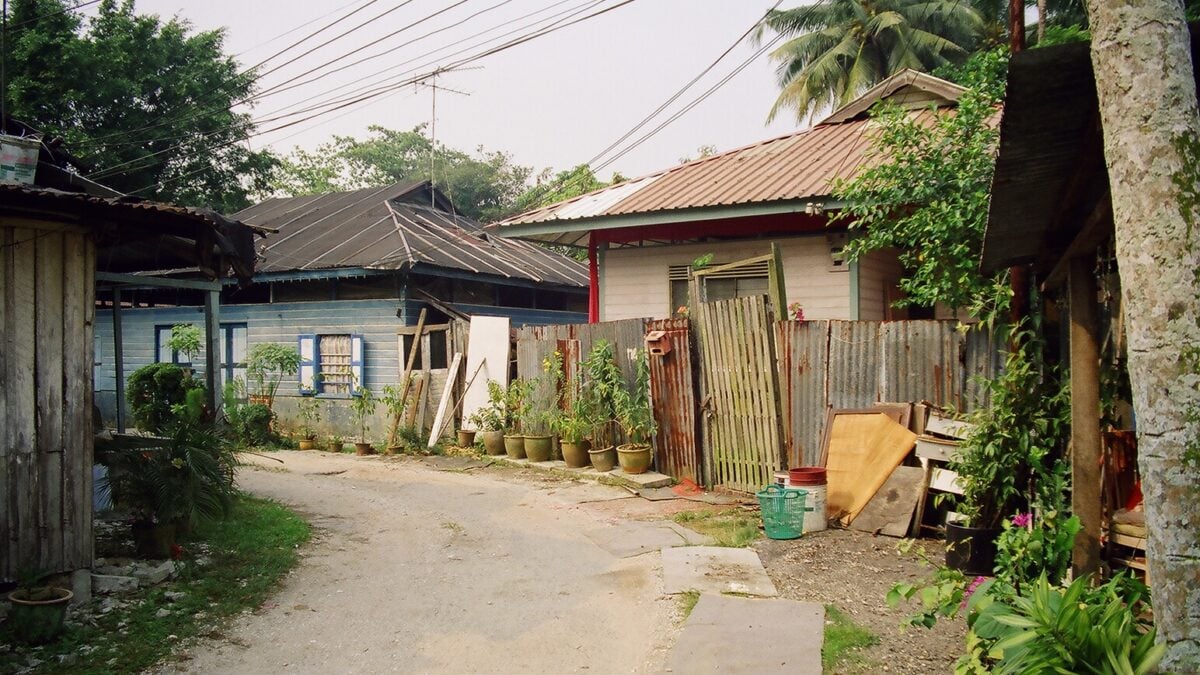
Singapore is often associated with modern skyscrapers, bustling business districts, and cutting-edge infrastructure. Yet, hidden amidst the urban sprawl lies a rare vestige of the past–Lorong Buangkok, the last surviving kampong on the mainland.
A relic of a bygone era, this rural village stands as a poignant reminder of the island nation’s humble origins and the communal spirit that once defined everyday life. Let’s take a walk down memory lane today, and learn a little more about the kampong’s origins and its uncertain future.
Table of Contents
A vanishing landscape
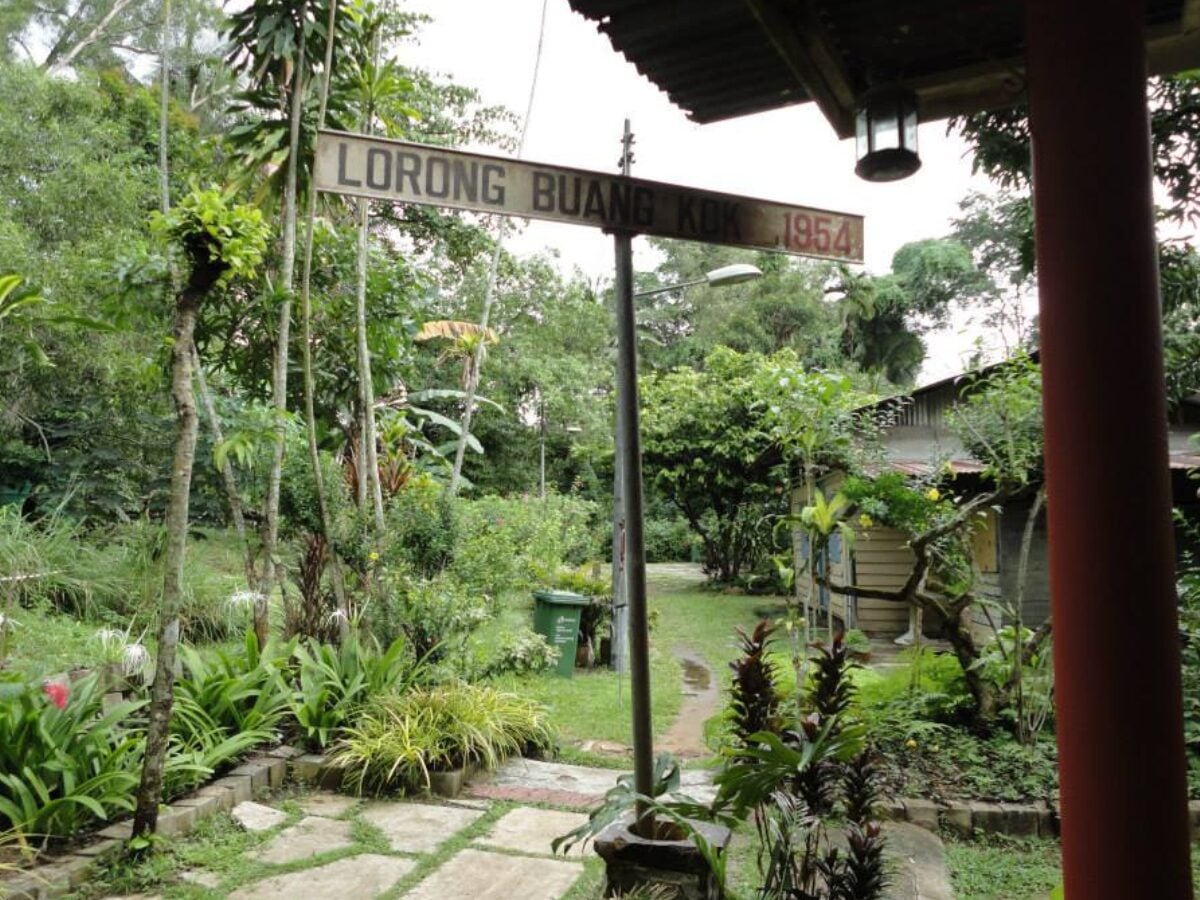
Up until the early 1970s, kampongs were a common sight across Singapore. Researchers from the National University of Singapore estimate that there were as many as 220 scattered throughout the island. However, the country’s rapid urbanisation in the 1980s led to the mass clearance of these villages.
Overcrowded shophouses and kampong homes were replaced with high-rise flats, highways, and modern developments, reshaping the landscape of Singapore. Government resettlement programmes relocated kampong residents into public HDB housing, which now accommodate over 80% of Singapore’s population.
With the demise of these traditional villages, the famed “kampong spirit“, also began to fade.
The resilience of Lorong Buangkok
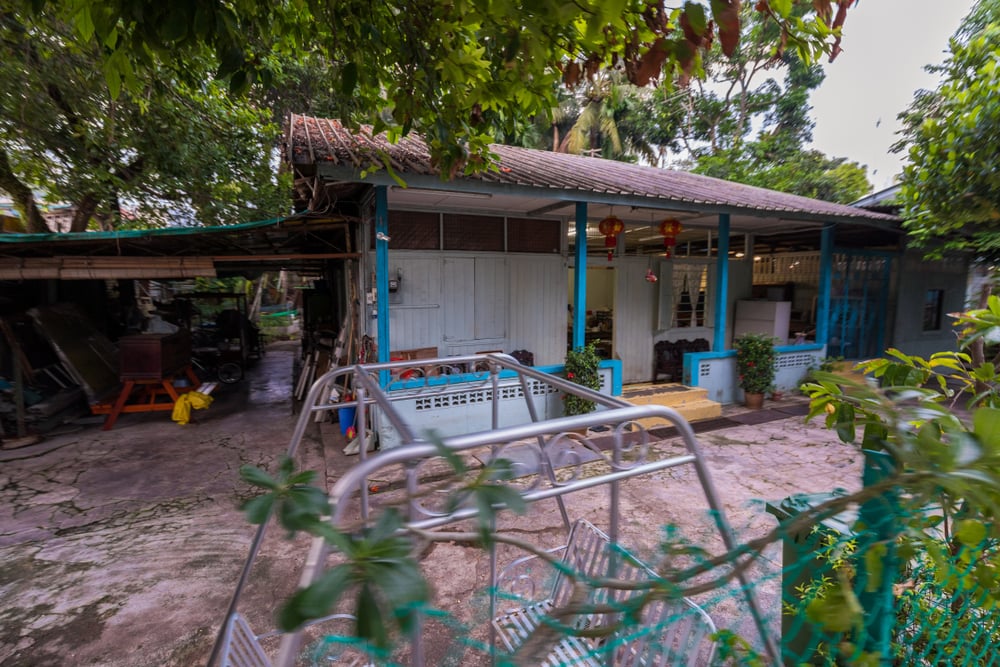
Lorong Buangkok’s survival is an anomaly in Singapore’s relentless march toward urbanisation. The kampong, established in 1956, has been spared from redevelopment largely due to its location in Hougang. Additionally, its relatively small footprint compared to larger kampongs made it less of a priority for redevelopment.
Now that Hougang has also been urbanised, the village finds itself surrounded by private housing estates and modern flats, making it a rare green oasis in the heart of one of the world’s most densely populated nations.
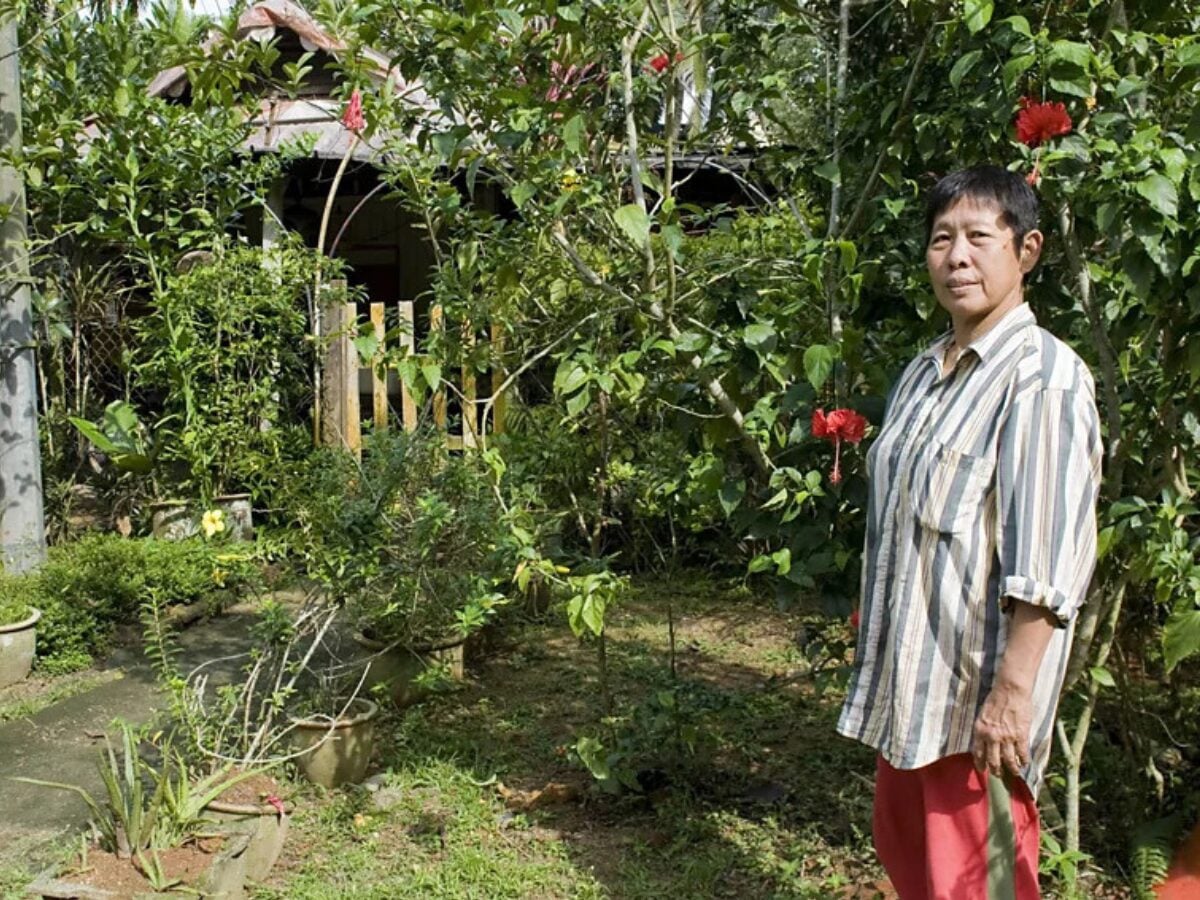
At the heart of Lorong Buangkok’s preservation is its landlady, Sng Mui Hong. At 70 years old, she has lived in the kampong since childhood and remains committed to keeping it intact. Her father, a traditional Chinese medicine seller, purchased the land in 1956 and leased plots to workers from nearby hospitals and rubber plantations.
Many of their descendants still reside in the kampong today. Despite multiple offers from developers, Sng has upheld a promise to her late father: Lorong Buangkok is not for sale! She continues to charge the 25 remaining households the same affordable rent rates, a stark contrast to the skyrocketing property prices in neighbouring estates.
Redevelopment laws and the kampong’s survival
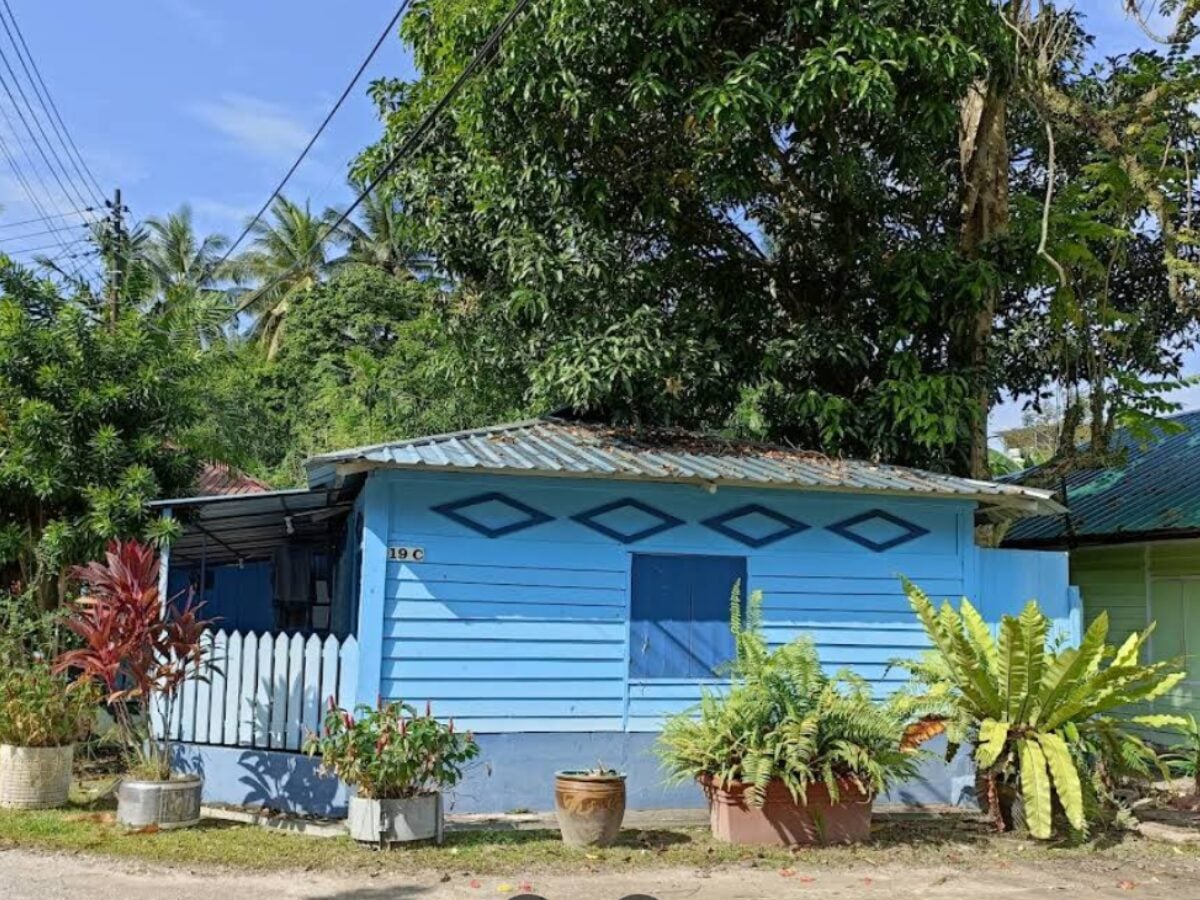
Lorong Buangkok sits on prime land in Singapore’s rapidly expanding urban landscape. As property values continue to soar, the kampong’s land is estimated to be worth millions.
Lorong Buangkok is a freehold property. Unlike leasehold properties with 99-year or 999-year tenures, freehold land cannot be reclaimed by the government upon lease expiry. However, Singapore’s urban development strategies and legal framework still allow for the possibility of acquisition if the land is deemed necessary for public infrastructure or residential expansion.
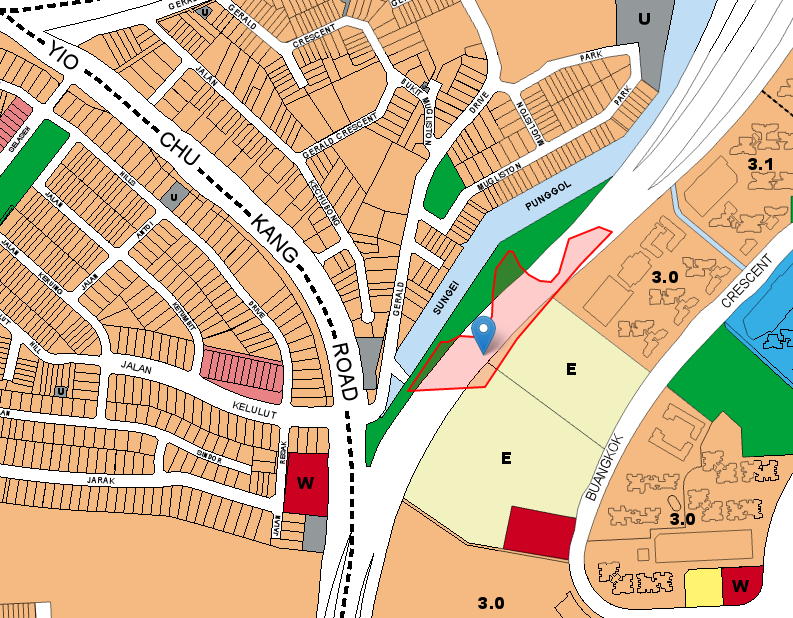
The government classifies the area as residential under its Urban Redevelopment Authority (URA) Master Plan. If acquired, it could be redeveloped into public housing or other urban projects. Singapore’s Land Acquisition Act allows the government to compulsorily acquire private land for public purposes, often at prices below market value.
This law was instrumental in Singapore’s rapid transformation from the 1960s onwards. However, public sentiment and heritage considerations have increasingly influenced redevelopment decisions, with authorities now taking a more measured approach towards conserving historically significant sites.
The uncertain future of Lorong Buangkok
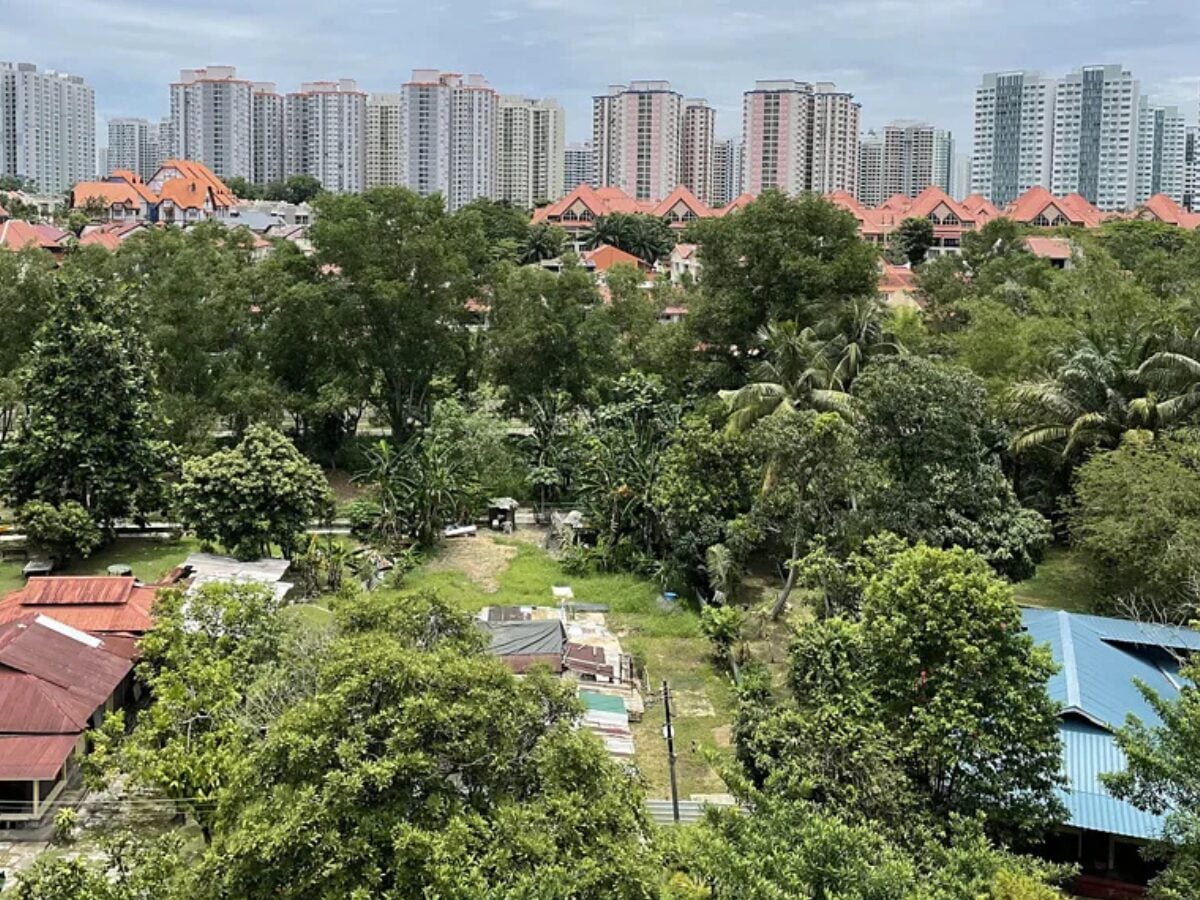
As Singaporeans seek to reconnect with their heritage, Lorong Buangkok has gained increasing attention. Guided tours of the kampong have surged in popularity, with locals and tourists alike eager to experience its tranquillity.
Visitors to Lorong Buangkok are often struck by its stark contrast to the city outside. Simple wooden houses with zinc roofs stand amidst lush greenery, unpaved paths meander between homes, and the sounds of nature replace the usual urban cacophony. It is a living time capsule, offering a glimpse into Singapore’s past before its rapid transformation into a global metropolis.
If kampong living isn't for you, these nearby properties might be!

 1
1
 1
1
 2
2
2
2
 1
1
1
1
 4
2
4
2
 4
5
4
5
 2
1
2
1
 2
3
2
3
 3
2
3
2
 4
4
4
4
 3
2
3
2
 -1
-1
 -1
-1
 -1
-1
 -1
1
-1
1
 -1
1
-1
1
 -1
-1
 -1
-1
 3
2
3
2
 3
2
3
2
 3
2
3
2
 -1
-1
 -1
1
-1
1
 -1
-1
 -1
-1
 -1
-1
 -1
-1
 -1
1
-1
1
 -1
-1
 -1
-1
 -1
-1
 -1
-1
 -1
-1
 -1
-1
 -1
-1
 -1
-1
 -1
-1
 3
2
3
2
 -1
-1
 -1
-1
 -1
-1
 -1
-1
 -1
-1
 -1
-1
 -1
-1
 -1
-1
 -1
-1
Despite its cultural and historical significance, the future of Lorong Buangkok remains uncertain. In 2014, plans were proposed to replace the kampong with a highway, two schools, and a public park, but no action was taken due to public outcry.
While the government has stated there are no immediate plans for redevelopment, the threat of demolition still looms. Many Singaporeans have voiced strong opposition to these plans, with some advocating for the kampong’s preservation as a UNESCO World Heritage site. Government officials have since acknowledged the importance of retaining elements of kampong life and are exploring ways to incorporate them into future urban planning.
Lorong Buangkok’s continued existence highlights the delicate balance between progress and heritage in a rapidly modernising country. Whether it remains standing for years to come or ultimately succumbs to development, its story serves as a poignant chapter in Singapore’s evolving narrative.
About 99.co

We are a property search engine with the overarching goal of building a more transparent and efficient property market. We are working towards that future by empowering people with the tools and information needed to find a place to live in the best way possible.

Looking to sell your property?
Whether your HDB apartment is reaching the end of its Minimum Occupation Period (MOP) or your condo has crossed its Seller Stamp Duty (SSD) window, it is always good to know how much you can potentially gain if you were to list and sell your property. Not only that, you’ll also need to know whether your gains would allow you to right-size to the dream home in the neighbourhood you and your family have been eyeing.
One easy way is to send us a request for a credible and trusted property consultant to reach out to you.
Alternatively, you can jump onto 99.co’s Property Value Tool to get an estimate for free.
If you’re looking for your dream home, be it as a first-time or seasoned homebuyer or seller – say, to upgrade or right-size – you will find it on Singapore’s fastest-growing property portal 99.co.
Meanwhile, if you have an interesting property-related story to share with us, drop us a message here — and we’ll review it and get back to you.
Join our social media communities!
Facebook | Instagram | TikTok | Telegram | YouTube | Twitter

Leave a comment