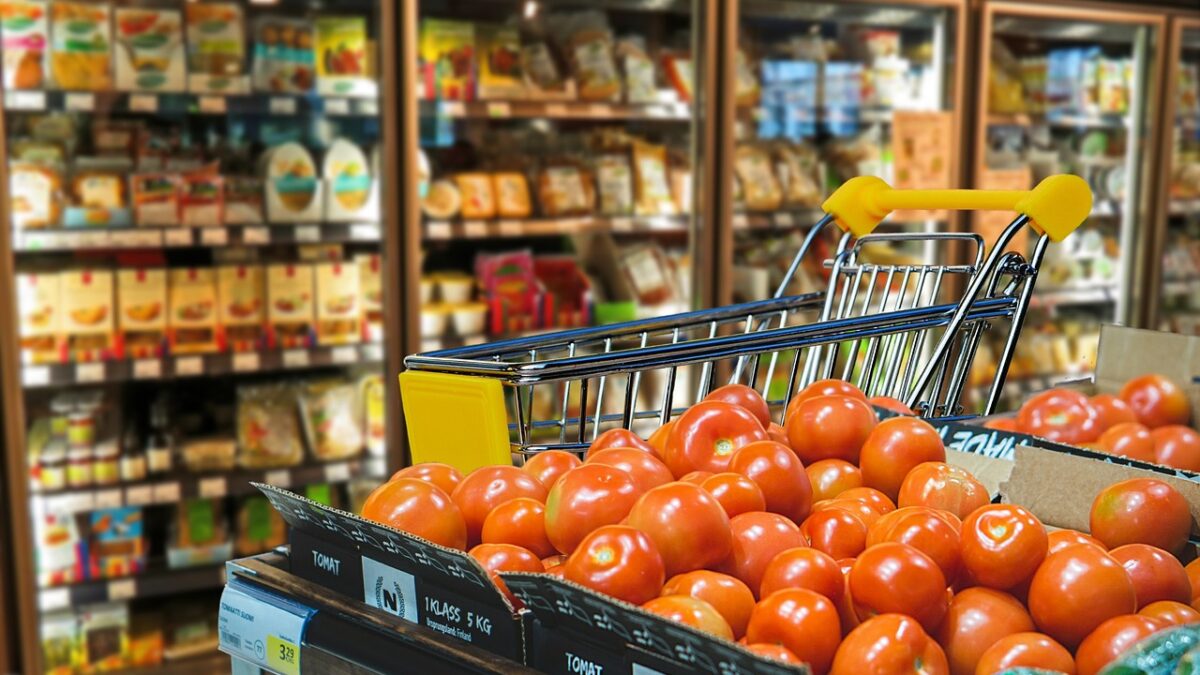
I’ve been told by some older people that in the past, Singaporeans had an innate ability on picking their groceries and cooking meals from scratch. Then again, the same people told me they trained 27-hours a day during their NS, and had to manually strangle a water buffalo to death for lunch in their day.
So this may be a bit subjective, but are some grocery opinions from hardcore shoppers (home cooks, house wives and husbands, etc.):
Method #1: Order your groceries online
Pros: Convenient, easy to compare prices, stops you being sidetracked into buying nonsense
Cons: You’re not picking the goods yourself, impersonal relationship outside of loyalty rewards
Best locations: Works the same almost everywhere in Singapore
The most common options here are OpenTaste, PandaMart, GrabMart or delivery services from supermarkets like Cold Storage or FairPrice.
Online grocery shopping is for those who think of it as a chore – if you actually love walking down the aisles looking at products, or having long conversations with shopkeepers, this is not for you.
(We’ve tried having a long friendly conversation with the check-out person at a supermarket; but it mostly just resulted in swear words in several different dialects, from the queue behind.)
One often overlooked bonus is that there’s less impulse buying. It’s easy to discipline yourself, and just buy what’s exactly on the list. In a physical supermarket, there’s a better chance you’ll be distracted.
And for those of us who are more uh… chair-bound, it lets us compare prices with a mouse instead of physically walking around the shelves.
Method #2: Wet markets
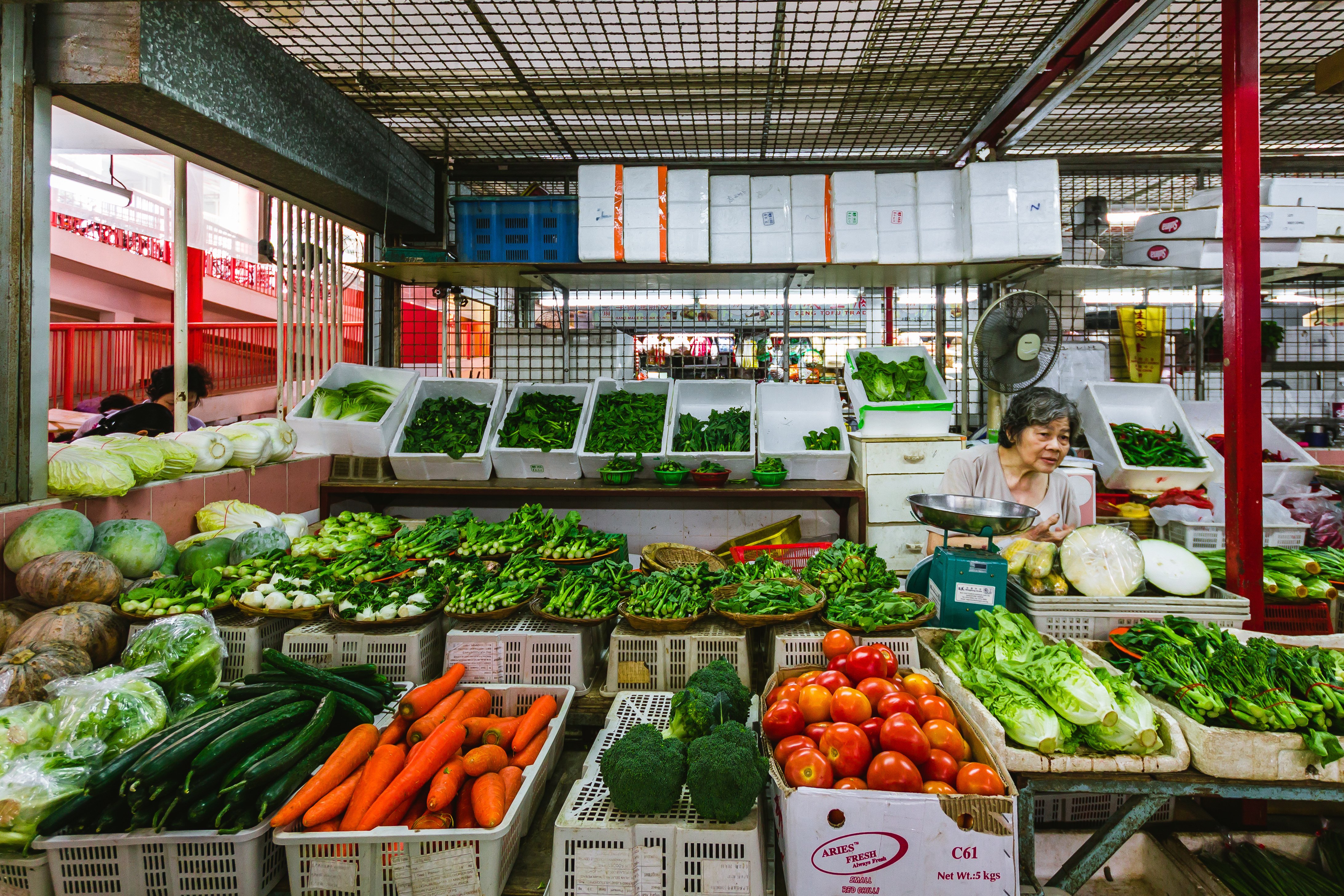
Pros: Can get the best and freshest produce, a bit more personalised than online shopping, can find ingredients / items that you won’t find anywhere else
Cons: All the inspection is done by you, you need to get up early, it can be hard to carry the groceries (a lot of it drips)
Best locations:
- Tekka Centre
- Geylang Serai Wet Market
- Senoko Fishery
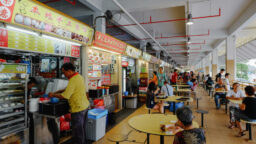
If your TV is permanently glued on Asia Food Channel, and you can tell the difference between sou vide and soft-boiled eggs, this is probably how you want to get your groceries. Wet markets are hardcore – some places like Senoko fishery open between 2am to 6am, so be prepared to have your sleep schedule disrupted.
This is where serious food businesses go to get their supplies: the ingredients you find in wet markets were often swimming or running just hours before; and the vegetables were still in the ground that morning. The prices are also incredibly low for the freshness of the ingredients; Tekka market, for instance, is known to have stores that charge a third less than regular supermarkets (and there are 284 stores in that one market).
Be warned though: they’re called wet markets for a reason. Whatever you buy is probably dripping, and sometimes still bleeding. We advise bringing extra plastic bags. Also, your Grab / GoJek driver might quietly wind down the windoes, when you step into their car with a few dead Ang Go Li (snappers) in tow.
Also, while we’re told that sellers build long term relationships with buyers, we’ve found this is more true for businesses that buy in large quantities; such as if you run a restaurant or something. The sellers seem less invested in small time buyers like home cooks.
Method #3: Neighbourhood provision shops
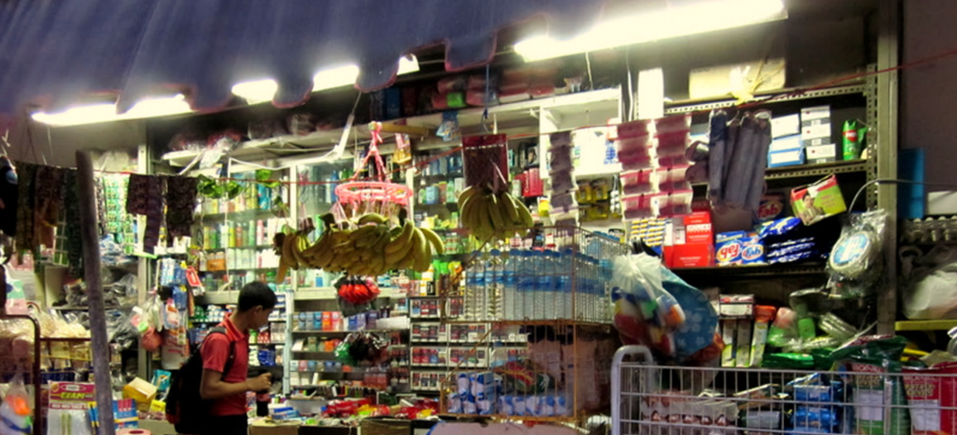
Pros: Personalised service, cheaper than supermarkets, you’re preserving a part of our history
Cons: Range of products is more limited, pretty hard to find these days
Best locations:
- Tee Seng Provision Store (31 Rosyth Road)
- Pin Pin Piau Kay & Co (71 Seng Poh Rd, #01-33)
- Any one of them still under your void deck
Provision stores are a nostalgic part of our Singapore that’s dying out; like Dragon’s Head playgrounds, Caroms in void decks, or our ability to write a good National Day song.
Between the 1970’s to 1980’s, provision stores were the most common way to get groceries. At their peak, Singapore had over 2,000 provision stores serving HDB estates throughout the country. Today, they number about 150. The National Heritage Board has done up a piece about their history.
Tee Seng Provision Store is probably Singapore’s most famous, following a documentary made about it; it’s the last provision store that’s also the owner’s home . Pin Pin Piau Kay & Co. is in Tiong Bahru, and they carry groceries that would make the most hipster millennial happy. They have quinoa; quinoa!
Provision stores have the most personalised service among grocers. Tell them what you want, they’ll probably ring it in for you if you’re a regular. Beyond goods, provision stores provide conversation and companionship. Most store owners are happy to chat, and some will even run out to your car with groceries. For provisions stores in void decks, some of them even bring up the goods for older residents.
The downside is, the range of products is small; most of them cater to specific regulars. It’s also gotten rare to find one near you.
Method #4: Supermarkets
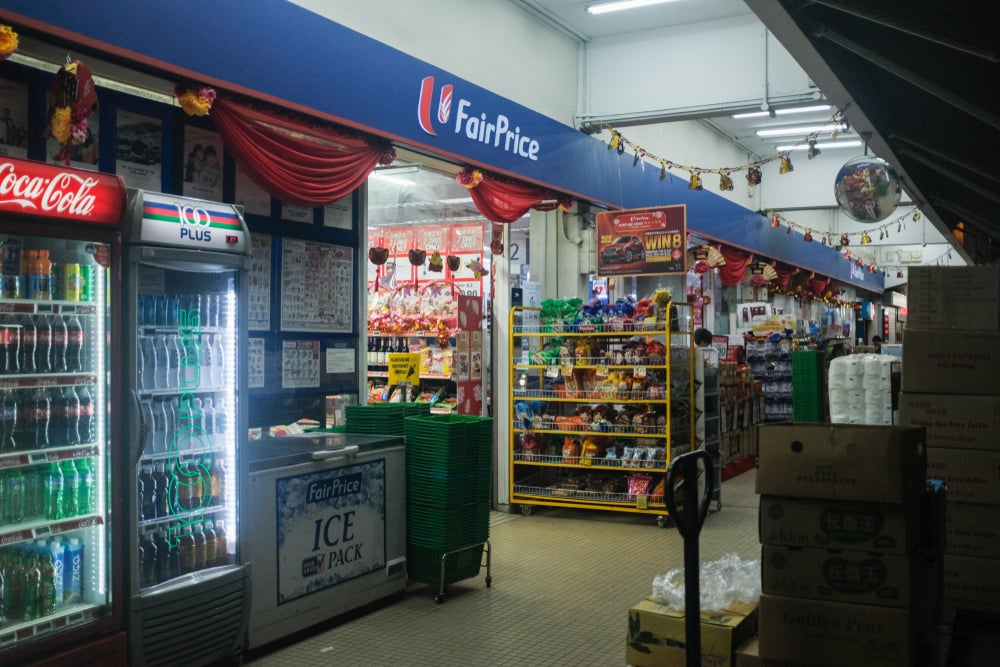
Pros: Huge range of goods, can be found almost anywhere in Singapore, a lot of bulk deals and credit card rewards
Cons: Impersonal, carefully calibrated to make you buy things you don’t need, “atas” brands charge more for no reason
Best locations: Check out the convenient article that shows you the best locations near supermarkets
You know these by now: NTUC, Sheng Siong, Cold Storage, and Giant are the main household names. They’re the default method of getting groceries these days, and they provide some retail shopping to boot. Most supermarkets also have delis, bakeries, or sushi counters – so you can grab a bite there as well.
Sheng Siong and NTUC usually have the most competitive prices, whereas Cold Storage tends to be on the more “premium” end. There’s a huge number of promotions and credit card tie-ins for supermarkets, which helps too.
The downside, of course, is that the service is utterly impersonal. If you’re mad about your packet of chicken being all breast or all wings, expect your rant to meet the blank stare of a shift worker. Also, the layout is tweaked to make you buy more – that’s why you’re made to wander the maze of aisles.
So what’s the overall best way?
#3 if you’re lucky enough to have a provision store nearby, they’ll usually cater to what you need. Provision store owners value the relationship most, out of all the other options on this list. Otherwise, #1 is overall the most convenient, just because there’s no need to cart groceries around.
What’s your preferred method of getting groceries? Let us know in the comments section below.
About Ryan Ong


Looking to sell your property?
Whether your HDB apartment is reaching the end of its Minimum Occupation Period (MOP) or your condo has crossed its Seller Stamp Duty (SSD) window, it is always good to know how much you can potentially gain if you were to list and sell your property. Not only that, you’ll also need to know whether your gains would allow you to right-size to the dream home in the neighbourhood you and your family have been eyeing.
One easy way is to send us a request for a credible and trusted property consultant to reach out to you.
Alternatively, you can jump onto 99.co’s Property Value Tool to get an estimate for free.
If you’re looking for your dream home, be it as a first-time or seasoned homebuyer or seller – say, to upgrade or right-size – you will find it on Singapore’s fastest-growing property portal 99.co.
Meanwhile, if you have an interesting property-related story to share with us, drop us a message here — and we’ll review it and get back to you.
Join our social media communities!
Facebook | Instagram | TikTok | Telegram | YouTube | Twitter




Leave a comment