
Moving to Singapore as an expatriate and navigating the property rental market can be a complex process. From understanding different property types to securing the necessary documents, this guide will walk you through the essentials of renting a property in Singapore as a foreigner.
Table of contents

Available types of property for rent in Singapore
Unlike buying properties in Singapore as foreigners, which comes with certain rules and limitations, renting one gives you more diverse options at hand. Singapore offers various rental property types suitable for different budgets and lifestyle preferences. Let’s explore the main options available for expatriates looking to find their new home in Singapore!
HDB flats
HDB (Housing Development Board) flats are government-subsidised housing primarily designed for local citizens. However, certain HDB flats are available for rent on the open market for foreigners.
These flats are generally more affordable compared to private housing and offer a more community-focused living experience. Typically located in heartland areas such as Pasir Ris and Sembawang, HDB flats provide easy access to public amenities, such as hawker centres, supermarkets, and public transport.
If you plan to rent HDB as a foreigner, keep these things in mind:
- The minimum rental period for HDB flats or rooms is six months.
- The maximum rental period for non-Malaysian foreigners is two years.
- The maximum rental period for Malaysian citizens who live in Singapore as foreigners is three years.
- The government intends to maintain an appropriate ethnic mix in HDB estates. Therefore, non-Malaysian foreigners are subjected to the non-citizen quota for renting out flats.

 -1
-1
 -1
-1
 3
3
 2
2
 -1
-1
 3
2
3
2
 -1
-1
 -1
-1
 -1
-1
 2
2
2
2
 -1
1
-1
1
 -1
-1
 -1
-1
 2
2
2
2
 3
2
3
2
 3
2
3
2
 -1
-1
 -1
1
-1
1
 3
2
3
2
 -1
-1
 3
2
3
2
 -1
-1
 3
2
3
2
 -1
-1
 3
2
3
2
 2
2
2
2
 -1
-1
 -1
1
-1
1
 -1
-1
 -1
-1
 -1
-1
 2
2
2
2
 2
1
2
1
 -1
-1
 -1
-1
 2
2
2
2
 3
2
3
2
Condominiums
Private condominiums are popular among expatriates for their modern amenities, such as swimming pools, gyms, and playgrounds. Unlike renting HDB flats, no non-citizen quota restrictions are implemented when you intend to rent a condo in Singapore. Typically, the minimum lease length that the landlord prefers will be one or two years, at least.
Located across various parts of Singapore, condos range from budget-friendly units to luxury apartments in prime areas. For instance, Marina One Residences and Reflections At Keppel Bay are high-end private condos located in the Central Area, suitable for those who seek convenience primarily.
 0
1
0
1
 1
1
1
1
 1
1
1
1
 3
3
3
3
 2
2
2
2
 5
5
5
5
 1
1
1
1
 2
2
2
2
 1
1
1
1
 -1
-1
 4
5
4
5
 0
1
0
1
 1
1
1
1
 2
2
2
2
 3
3
3
3
 4
3
4
3
 3
3
3
3
 3
3
3
3
 1
1
1
1
 -1
-1
 4
3
4
3
 3
3
3
3
 1
1
1
1
 3
2
3
2
 1
2
1
2
 -1
1
-1
1
 5
4
5
4
 1
1
1
1
 2
2
2
2
 -1
-1
 3
3
3
3
 3
3
3
3
 2
2
2
2
 -1
-1
 2
2
2
2
 -1
1
-1
1
Landed houses
Landed houses in Singapore, such as bungalows, semi-detached houses, and terrace houses, offer expansive living spaces with greater privacy. These are ideal for larger families or those seeking a more exclusive lifestyle. While they come at a premium price, renting landed properties provides the luxury of private gardens and spacious interiors, often located in serene residential neighbourhoods.
The most prestigious districts for landed homes in Singapore are usually District 9, 10, 11, and 21. This is due to their centralised locations and proximity to established schools, such as Nanyang Primary, Raffles Girls Primary School, Singapore Chinese Girls School, and Henry Park Primary School. Other popular areas include District 15 and 16 in the East Coast.
 5
3
5
3
 6
4
6
4
 -1
-1
 5
7
5
7
 7
5
7
5
 -1
1
-1
1
 3
5
3
5
 5
6
5
6
 3
3
3
3
 5
4
5
4
 6
6
6
6
 5
4
5
4
 -1
-1
 -1
1
-1
1
 4
6
4
6
 4
3
4
3
 5
5
5
5
 5
4
5
4
 2
1
2
1
 -1
1
-1
1
 5
5
5
5
 6
6
6
6
 10
9
10
9
 4
5
4
5
 5
5
5
5
 7
7
7
7
 5
3
5
3
 2
2
2
2
 -1
-1
 3
3
3
3
 -1
1
-1
1
 -1
-1
 -1
-1
 -1
-1
 -1
-1
 -1
1
-1
1
Finding your rental home in Singapore: How to search for property online

When looking for a rental home in Singapore, there are several resources available. The easiest way is to kick-start your search by visiting property portals like 99.co. 99.co rental listings cover various property types, such as HDB for rent, condo for rent, and room for rent, ensuring that you can find the most suitable option.
99.co property platform is designed to streamline your rental home search with advanced filters. Search features on 99.co include:
- Filter by preferences: Utilise search filters to narrow down your options by location, price range, floor area, and number of bedrooms.
- Remote viewing: Access a wide variety of listings available for remote viewing, ensuring you can explore properties conveniently from anywhere.
- Proximity searches: Find properties for rent near essential amenities like MRT stations and schools, ideal for families and commuters.
99.co can also link you to real estate agents. Hiring a real estate agent can be beneficial, especially for foreigners unfamiliar with local laws and customs. Agents can assist in property searches, negotiations, and, the hardest of them all, handling paperwork.

On top of that, many expat communities in Singapore maintain online forums. Exploring these forums can be helpful if you intend to find the most expat-friendly neighbourhoods. Popular areas for expats include Tiong Bahru – nicknamed Singapore’s Brooklyn due to its artsy side – and Holland Village, a well-connected district known for its vibrant and “hipster” environment.
Additional reading: The definitive expats summary to neighbourhoods in Singapore
What to prepare before renting a property as a foreigner
To ensure a smooth rental process, foreigners must prepare several key documents and consider various factors before moving to Singapore. Worry not, 99.co has it all wrapped in this article to ease your renting journey.
Financial planning
Before starting your property search, it’s essential to have a clear understanding of your budget. Rental prices vary greatly depending on the property type and location. For example, a rental HDB unit at Rivervale Shores in Sengkang will cost significantly less than a luxury condo with full facilities in the Downton Core like Marina Bay Residences.
In this financial planning, remember to put the amenities and accessibility of the property into consideration. While properties near MRT stations will make commuting easy, they will also have higher rental rates. This also applies to properties near popular schools, which are highly sought-after among Singaporeans due to the Primary 1 balloting system.
Additional reading: Why living within 1km of a primary school is such a big deal in Singapore
When renting property in Singapore, consider not only the monthly rent but also other costs, such as:
- Utilities (electricity, water, internet)
- Maintenance fees (usually applicable for condominiums)
- Agent fees (typically half a month’s rent for a one-year lease)
Lifestyle requirements
Do also consider your lifestyle requirements before renting a property in Singapore. For example, if you want to keep pets in your rental flat, it needs to be highlighted to the representing agent beforehand or written in the Letter of Intent (LOI).
Another example, when you are renting a room in a shared apartment, it’s important to familiarise yourself with any restrictions regarding the use of common areas. In many shared living arrangements, tenants may face rules such as limited access to the kitchen or a set number of times laundry can be done each week.
These specific terms and conditions are usually outlined in the Tenancy Agreement (TA), so it’s important to review it carefully for all relevant details.
Essential documents for rental process
Important Note: Do apply for a valid Singapore phone number with a local telecommunication company, such as Singtel, StarHub, M1, MyRepublic, or Circles.Life. This will help you stay in contact with the agent/landlord when arranging viewings. The phone number is also required for setting up a Singapore bank account after you receive your Tenancy Agreement as a proof of address.
The typical documents required for foreigners to rent a property in Singapore include:
- Employment or Student Pass
- Work Permits
- Dependent Passes
- S Pass
- Long-Term Social Visit Passes
- Passport
Remember that all documents you present should have at least a validity period of 6 months to the application date. In some cases, you might not have a physical copy of your pass when placing a deposit on the property you wish to rent. However, as long as you possess a valid In-Principle Approval (IPA) from the Immigration and Checkpoints Authority (ICA), you can proceed with placing the deposit. Just ensure that you provide the physical copy of your work or student pass to your agent or landlord when collecting the keys.
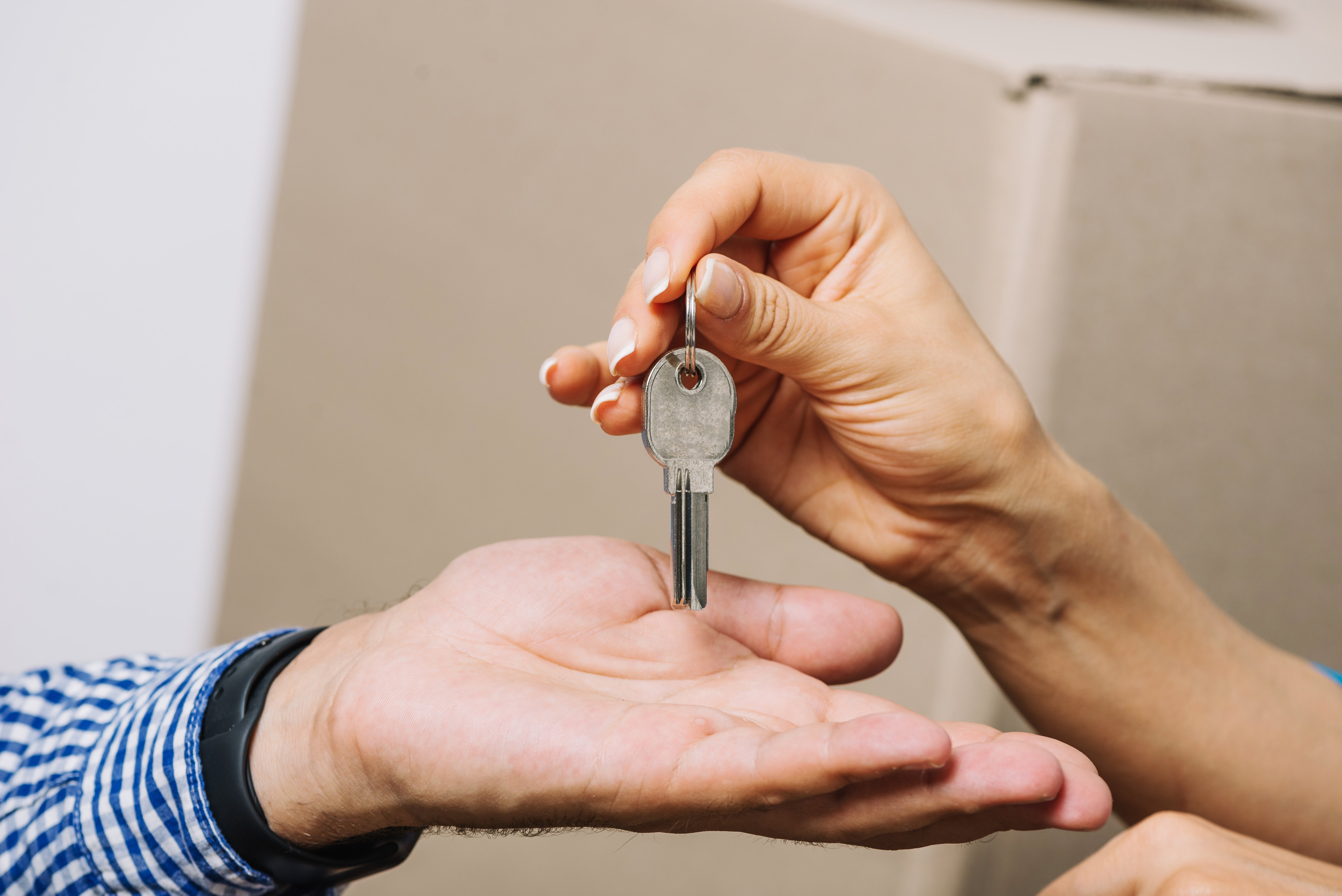
5 steps to rent a property in Singapore as a foreigner
Here are the essential steps for a foreigner to rent a property in Singapore:
1. Search for properties
Use online portals like 99.co, engage a real estate agent, or explore expat networks to identify available properties within your budget and preferred location. If you have found one, schedule a viewing to ensure the property meets your requirements. Pay attention to the condition of the property, and clarify any concerns with the landlord or agent.
 -1
0
1
1
1
1
1
3
3
2
2
-1
0
1
1
1
1
1
3
3
2
2
 2
1
5
5
2
1
5
5
 -1
-1
 3
2
1
1
3
2
1
1
 -1
2
2
-1
2
2
 3
2
1
1
-1
3
2
1
1
-1
 3
2
3
2
 -1
-1
 -1
-1
 -1
4
5
0
1
1
1
2
2
5
3
6
4
-1
4
5
0
1
1
1
2
2
5
3
6
4
 2
2
2
2
 3
3
3
3
 -1
1
3
3
4
3
3
3
-1
1
3
3
4
3
3
3
 2
1
2
1
 -1
3
3
-1
3
3
 2
2
2
2
2. Prepare the necessary
Make sure you have all the required documents and the additional budget for Security Deposit, one-month Good Faith Deposit, and Stamp Duty. Note that in Singapore, in addition to the monthly rent and deposit, a tenant is required to pay a Stamp Duty tax upon signing the Tenancy Agreement.
Additional reading: What you need to know about stamp duty for rental units in Singapore
3. Submit a Letter of Intent (LOI)
The LOI is a document that expresses your intent to rent a property and outlines terms such as rental period, rent amount, and any special requests. Typically, it is the real estate agent that prepares the LOI. However, you should know what is in your LOI.
These are the things that should be stated in the LOI when renting a property as a foreigner in Singapore:
- Term of Lease: Length of rental.
- Special Request: States all your requirements and requests in the LOI.
- Good Faith Deposit: A booking deposit that will become part of the security deposit or advance rental upon signing of the Tenancy Agreement.
- Security Deposit: 1 month’s rent for a 1-year lease, and 2 months’ rent for a 2-year lease.
- Diplomatic or Repatriate Clause: Conditions for early termination of lease and reimbursement of the real estate agent’s commission. State that you are allowed to terminate the lease prematurely if you lose your job in Singapore or are transferred to another country.
- Minor Repair and Maintenance Clause: States how much you are liable to pay, for damage caused by wear and tear, insert a 30-day problem-free period clause.
- Rent Payment Clause: Includes the monthly rental amount and what happens with late payments.
4. Sign the Tenancy Agreement (TA)
After the LOI is accepted, both parties will sign the Tenancy Agreement (TA). Ensure that all terms, such as lease duration, maintenance responsibilities, and payment schedules, are clearly stated. Upon signing the TA, you will need to pay the deposit and any outstanding fees (such as agent fees).
5. Do a final inspection of the property
Before settling in, do a final inspection of the property and its furniture. With the 30-day problem-free clause, you will not be liable for any repair/replacement of the defects within the first 30 days. You are encouraged to keep documentation of the property’s condition to avoid disputes when the lease ends.
And ta-da, it’s time to move in!
Ready for your new life in Singapore? Let us know what kind of home you would like to rent in the comments section below.
If you found this article helpful, 99.co recommends “Why foreign investors buy properties in Singapore” and “5 common mistakes foreigners make when buying Singapore property“
About Ananda Bayu

Ananda has been wrangling Singapore's complex real estate trends into readable bites since 2020. She writes like she's explaining it to a friend over kopi — because who has time for jargon? When off the clock, she’s probably doom-scrolling through cat memes on X, convincing herself it's the highest tier of "creative inspiration".

Looking to sell your property?
Whether your HDB apartment is reaching the end of its Minimum Occupation Period (MOP) or your condo has crossed its Seller Stamp Duty (SSD) window, it is always good to know how much you can potentially gain if you were to list and sell your property. Not only that, you’ll also need to know whether your gains would allow you to right-size to the dream home in the neighbourhood you and your family have been eyeing.
One easy way is to send us a request for a credible and trusted property consultant to reach out to you.
Alternatively, you can jump onto 99.co’s Property Value Tool to get an estimate for free.
If you’re looking for your dream home, be it as a first-time or seasoned homebuyer or seller – say, to upgrade or right-size – you will find it on Singapore’s fastest-growing property portal 99.co.
Meanwhile, if you have an interesting property-related story to share with us, drop us a message here — and we’ll review it and get back to you.
Join our social media communities!
Facebook | Instagram | TikTok | Telegram | YouTube | Twitter



Leave a comment