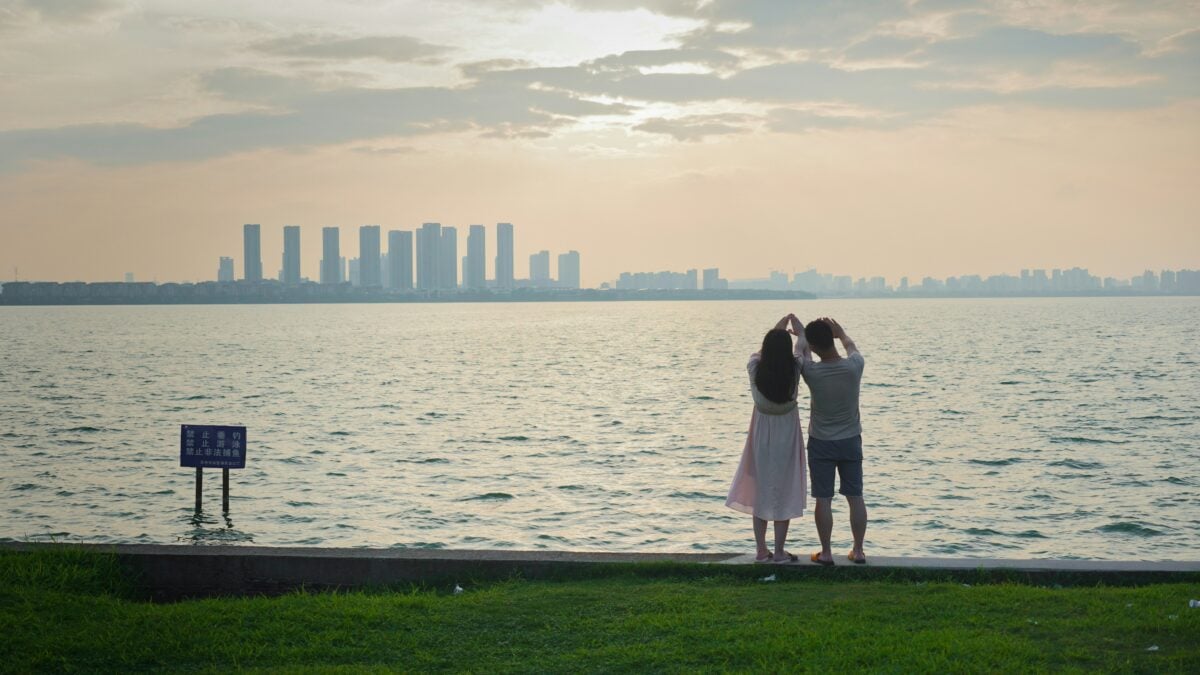
In many parts of the world, love stories unfold over candlelit dinners and spontaneous adventures. In Singapore, they unfold over Build-To-Order (BTO) flats.
Yes, in the Little Red Dot, applying for a flat together has become an unofficial national milestone for couples; often more defining than getting engaged. The phrase “BTO already or not?” has become a casual way to assess how serious a relationship is.
Table of Contents
- When love meets policy
- Youth and their housing aspirations
- The emotional undercurrent: Housing and identity
- Singles: Still waiting at the gate
- A glimpse of the future
When love meets policy
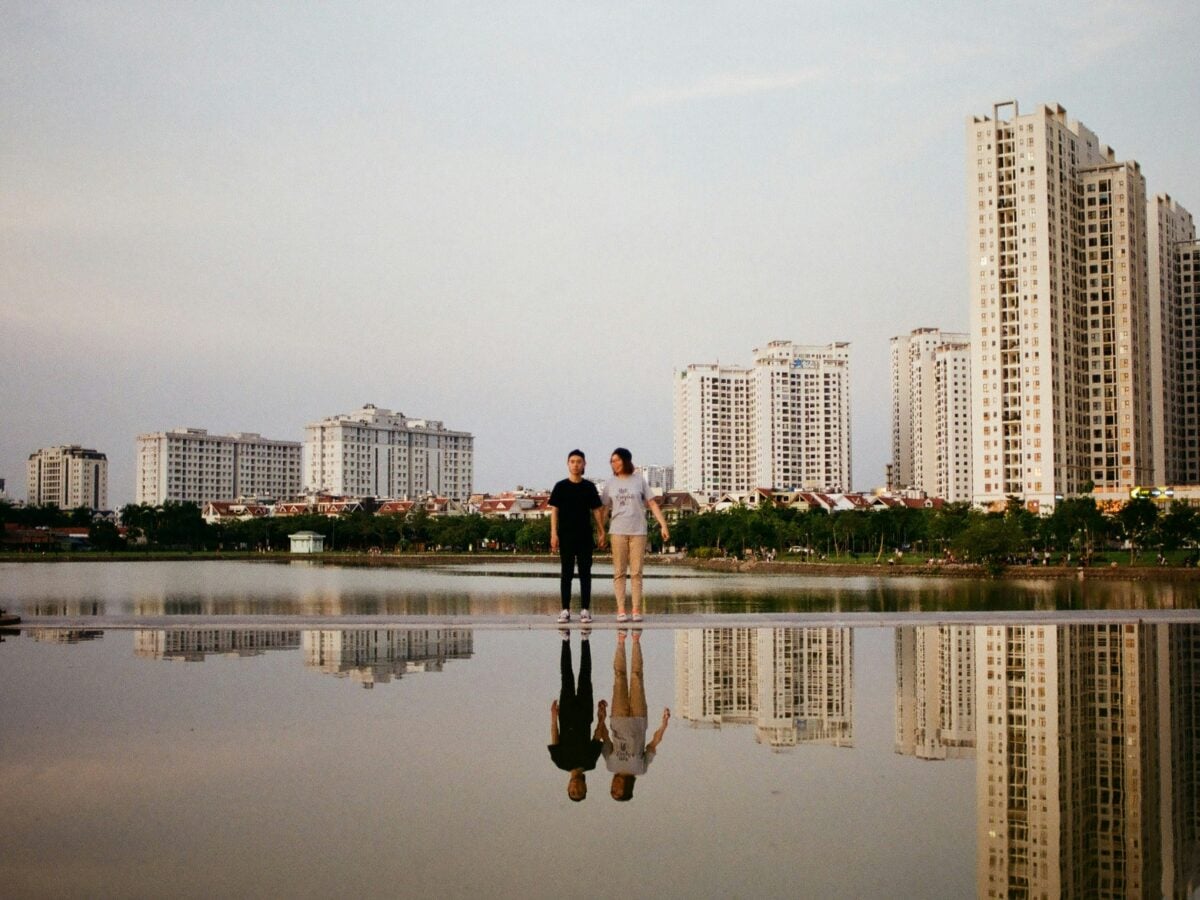
Singapore’s housing model is unique, with over 80% of its citizens living in government-subsidised HDB flats. It’s a system built with a social agenda; promoting homeownership, fostering family units, and even subtly nudging the population toward marriage.
For young couples, the BTO process starts as early as their early 20s. But here’s the catch: to qualify for a BTO, you need to be either legally married or show strong intent to marry. That “intent” is often demonstrated by applying for a flat years before a wedding is even in sight.
This flips the typical order of things. In many countries, you date, fall in love, get engaged, then think about living together. In Singapore, you might BTO first, then plan the rest around it.
But it’s not just about romance. This early planning is driven by inevitable pragmatic factors. Waiting times for BTO flats can range from 3 to 5 years. Apply too late, and you might not get your keys until your late 20s or early 30s. Throw in renovation time, and suddenly, your starter home might not be ready until your mid-30s.
Read more: Our guide to applying to a BTO might be of help here!
Youth and their housing aspirations
Recent surveys reveal that a significant majority of young Singaporeans prioritize homeownership. The 2024 ‘My Dream Home’ survey by ERA Singapore indicated that 85% of Gen Z respondents (aged 21–27) consider owning a home as “important” or “very important.”
Among these, 35% plan to purchase property within the next three to five years, with 59% looking towards BTO flats as their first homes.
However, affordability remains a central concern. The same survey highlighted that 57% of participants across all age groups view affordability as the key to home satisfaction. This sentiment is echoed in the rising anxiety among youths about their future housing prospects and those of their children.
A similar survey from 2 years ago, shows that 90% of the younger cohort aged 18–24 (84%), and even more so among those from higher-income households (S$15,000 and above), sees private property as part of their future. The desire isn’t just rooted in status anymore. It’s increasingly about providing stability and legacy for the next generation.
Singapore’s youth worry their children won’t be able to afford homes in the country. The anxiety is driven by real concerns: soaring resale flat prices, shrinking unit sizes, and an income-to-price ratio that many feel is becoming untenable.
Housing and renovation costs top cost-of-living concerns among the younger generation. While some believe they will be better off than their parents in housing terms, there’s growing recognition that affordability gaps could widen, particularly for future generations.
The emotional undercurrent: Housing and identity

“If you don’t BTO early enough, you’re behind. But if you do it too early, are you sure this is your forever person?”
– A modern dilemma, made in Singapore.
Perhaps the most nuanced effect of current BTO policies is psychological. Singaporeans might agree to BTO with someone before even getting engaged. It’s a marriage proposal in Excel sheet form.
In that context, housing has become symbolic of adulthood, stability, and commitment.
Many couples in their early 20s submit BTO applications even before getting engaged, as the long lead time (often four to five years) makes early action feel necessary. But these are high-stakes bets. Should the relationship end before key milestones like marriage registration or key collection, couples face both heartbreak and potential financial loss.
Depending on the stage of the BTO process, they may have to forfeit option fees or subsidies. Even worse, find themselves navigating shared ownership or resale logistics post-breakup.
Conversely, couples who wait until marriage to apply often face long waiting times for a home, pushing them into extended periods of living apart, staying with parents, or renting. For many, this delay in housing access can create friction in relationships and defer other life plans like starting a family.
This delicate interplay between housing timelines and personal milestones places immense pressure on young couples, transforming what should be a rite of passage into a source of tension and risk.
Singles: Still waiting at the gate
Let’s not forget singles here! Currently, Singaporeans must wait until age 35 to apply for a BTO flat or buy a resale flat as singles—a rule that many believe should be reconsidered.
Societal norms in Singapore, and around the world, have evolved. People are marrying later (or choosing not to marry), and the 35-year threshold now feels outdated to many. For singles earning average incomes, private property remains out of reach, while public housing is legally inaccessible for much of their adult lives.
In response to affordability concerns, the government announced the Enhanced CPF Housing Grant (EHG) in August 2024. Eligible singles can now receive up to S$60,000, an increase from the previous cap of S$40,000. This grant is tiered based on income, providing more substantial support to lower-income individuals.
During a dialogue session at the National University of Singapore (NUS) on March 26, 2025, National Development Minister Desmond Lee outlined several key policy updates aimed at improving housing accessibility and affordability for the younger generation.
Recognising the evolving needs of young Singaporeans, the government announced more flexible income assessment criteria for young couples, allowing them greater ease in qualifying for HDB flats.
The minister also highlighted an ongoing review of housing policies for singles, signalling a potential shift in eligibility rules and access to public housing. These measures collectively aim to ease homeownership challenges, ensuring that more Singaporeans; whether young couples or single, can secure stable and affordable housing for the future.
From the August 2024 BTO exercise onwards, eligible singles aged 35 and above can now apply for 2-room Flexi flats in both mature and non-mature estates. This policy change significantly expands housing options for singles, offering greater flexibility and access to well-connected locations across the island.

 3
3
 2
2
 2
1
2
1
 3
2
3
2
 4
2
4
2
 4
2
4
2
 4
3
4
3
 3
2
3
2
 3
2
3
2
 3
2
3
2
 4
3
4
3
A glimpse of the future
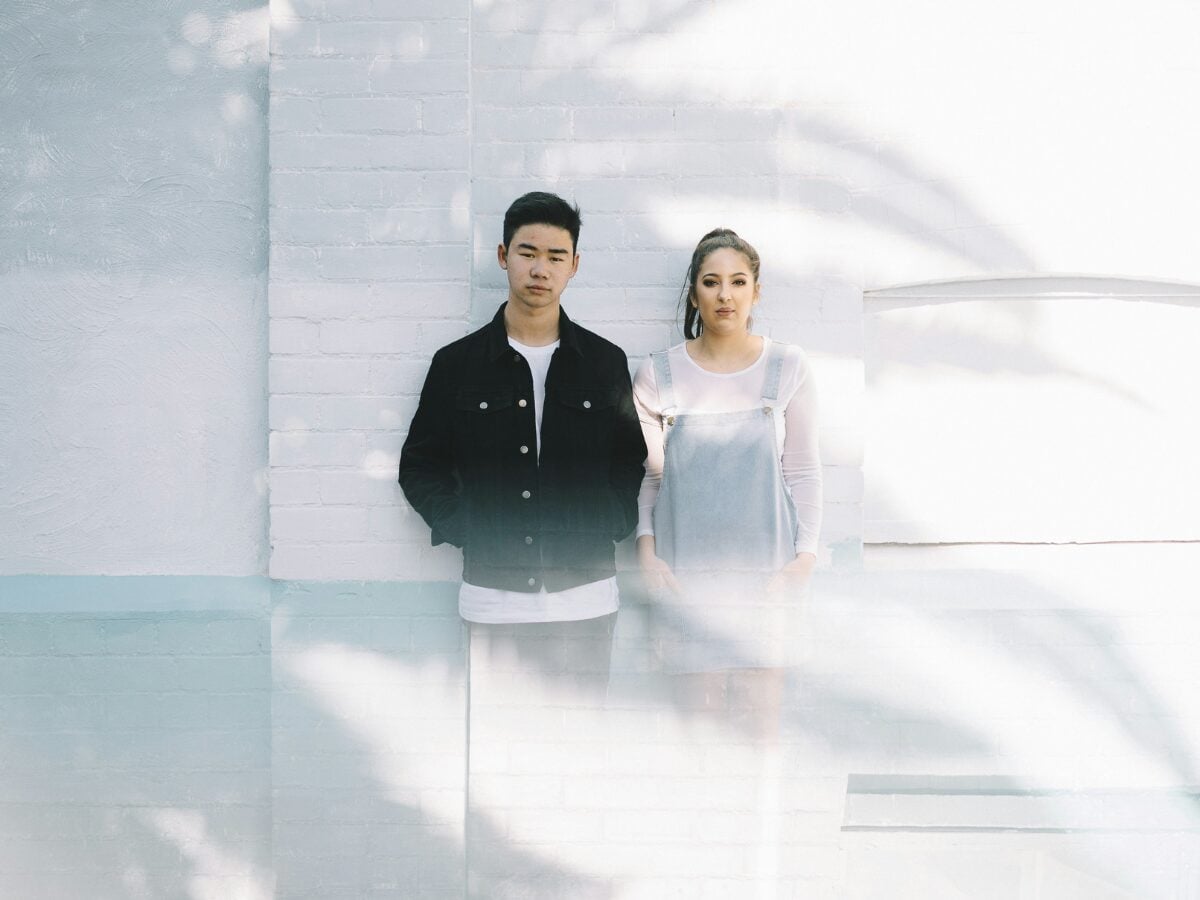
To be fair, Singapore’s housing model is one of the most successful globally. It prioritises the needs of the people, aims to be affordable and efficient, and has lifted generations into homeownership. But like all systems, it creates its own rhythms and pressures.
TL;DR: Housing in Singapore doesn’t just reflect relationships; it shapes them.
In a way, our concrete blocks and pastel corridors hold more than families and furniture. They hold stories of compromise, of careful planning, of dreams dreamed two-by-two.
The key challenge for policymakers—and our society—is to balance aspiration with accessibility. Youths today aren’t asking for luxury; they’re asking for reasonable access to homes that reflect their contributions, needs, and life paths.
That means:
- Re-evaluating age limits for singles.
- Offering more varied housing typologies for different income and family structures.
- Continuing to scale supply without inflating demand-driven pricing.
- And, perhaps most importantly, opening up national conversations that reflect the new realities of Singaporean adulthood—where marriage, career, and housing no longer follow a fixed sequence.
As Gen Z and Millennials step into their prime years, their expectations are different—not just materially, but philosophically. They want homes that enable mobility, relationships, and legacy.
The next chapter in Singapore’s housing story must be one that listens deeply, adapts swiftly, and acts boldly. So that the next time someone asks if a 30-something has BTO’d, it’s obvious that they’re just asking about property, and not necessarily about a partner!
About 99.co

We are a property search engine with the overarching goal of building a more transparent and efficient property market. We are working towards that future by empowering people with the tools and information needed to find a place to live in the best way possible.

Looking to sell your property?
Whether your HDB apartment is reaching the end of its Minimum Occupation Period (MOP) or your condo has crossed its Seller Stamp Duty (SSD) window, it is always good to know how much you can potentially gain if you were to list and sell your property. Not only that, you’ll also need to know whether your gains would allow you to right-size to the dream home in the neighbourhood you and your family have been eyeing.
One easy way is to send us a request for a credible and trusted property consultant to reach out to you.
Alternatively, you can jump onto 99.co’s Property Value Tool to get an estimate for free.
If you’re looking for your dream home, be it as a first-time or seasoned homebuyer or seller – say, to upgrade or right-size – you will find it on Singapore’s fastest-growing property portal 99.co.
Meanwhile, if you have an interesting property-related story to share with us, drop us a message here — and we’ll review it and get back to you.
Join our social media communities!
Facebook | Instagram | TikTok | Telegram | YouTube | Twitter




Leave a comment