In 2019, Singaporeans were the 10th highest spending travellers in Japan, spending 1 billion SGD in the country.
When I see posts on Singaporean news channels about Japan, a common cursory scroll of comments regard the Japanese as “the gold standard for civic-mindedness” and the country with “good hygiene levels”.
It is obvious – Singaporeans love Japan.
But what about taking the next step and moving to Japan?

I am a Singaporean, and I am currently living and working in Japan. I have been here for 6 years, coming here first as a Coordinator of International Relations in the JET Programme, then moving on to working for private companies in Osaka, then Tokyo. The reality of moving and living in Japan is a lot different from just sushi, sakura, and sake.
Finding a place to live… and buying Japanese property as a Singaporean?
Moving from home and paying for rent is something that most Singaporeans avoid. In fact, most Singaporeans live at home until their 20s or later, when they get married.
Finding a place to live is essential for moving to a new country. Having been here for 6 years, I have spent close to $50,000 in total on rent – money that I could have invested. You might ask: Since the interest rates in Japan are low, why not invest and buy a house in Japan?
Unless you are planning to live here for the long term (over 10 years or the length of your mortgage), it would not be wise to purchase properties as investments in Japan.
Buyers prefer new properties, and houses usually depreciate over time in Japan. Japan has one of the fastest ageing populations in the world and the numbers are shrinking every year. Complete that with ever-changing housing codes, and the country’s proneness to natural disasters, property, and land values have been on the decline.
Considering the money that will also go into maintenance of the house, if you decide to sell the property because you are leaving or for any other reasons, you will most likely be selling your property at a loss.
Attaining F.I.R.E (Financial Independence, Retire Early) in Japan?

The average Singaporean fresh grad earns $3,500 a month.
The average Japanese fresh grad earns $2,668 a month.
That is the difference of close to $1,000 a month and reflects the disparity in salaries between the two countries.
Companies in Japan adopt the system of seniority-based wages, so the salaries are determined not by your experience or results, but by how long you have been in the company.
Unless you have been in the one company for a long time, you will not be seeing significant increases in your salaries, even if you change jobs. In fact, the system discourages people from changing jobs.
With my proficiency in Japanese and English, I have been blessed with opportunities that helped me grow professionally. However, I also have friends who, while having competitive skills, have barely seen an increase in their salary for years.
With globalisation, Japanese companies face the problem of losing crucial talent to more global companies who can offer more competitive opportunities and compensation. But changes in big organisations are hard to implement, and senior management benefiting from the seniority-based system, it is going to be a long time before any changes can be seen. Barring striking it big in the lottery, the path to financial independence for us living in Japan is going to be far longer than for our peers in Singapore.
Social norms in Japan: Manners and customs
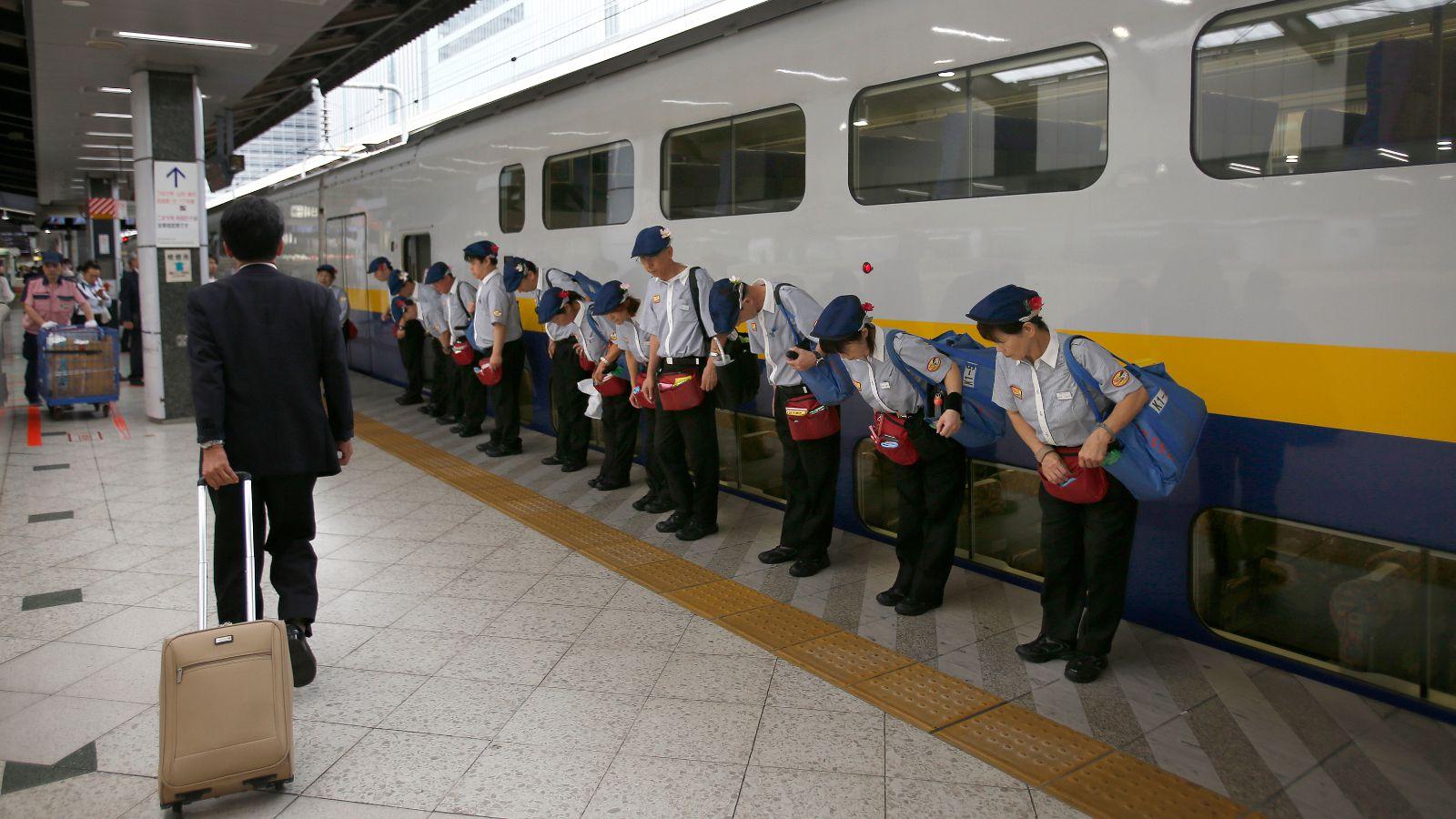
Speaking Japanese is not a prerequisite for working in Japan (see: JET Programme), but is useful for navigating life. But even if you speak Japanese, you are only halfway there.
There are so many nuances in living life in Japan that it takes a while to figure out how to deal with the simplest of things.
One of the biggest differences between Singapore and Japan is waste management. If you have been to Japan, you would have noticed the garbage sorting system.
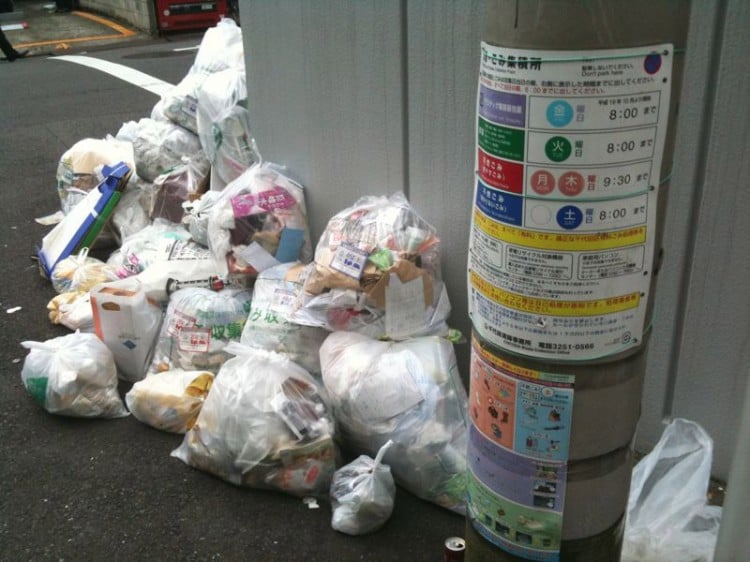
This is true for household garbage, and you will usually be required to sort out your garbage in at least 3 -4 categories depending on how strict your apartment management or your city is.
In my current apartment, I sort out combustibles, glass bottles, plastic bottles, and cans when taking out my trash. And this is only for daily household garbage. For larger garbage and electronics, the process is even longer and can cost up to $70 to get rid of an item. I recently thought about getting rid of my 6-year-old Hisense television, but found out that doing so will cost me at least $60. I don’t remember how much I bought it for, but it must have been close to that amount.
The TV is still sitting at my table.
“Then why are you still in Japan?” is a question that I often get.
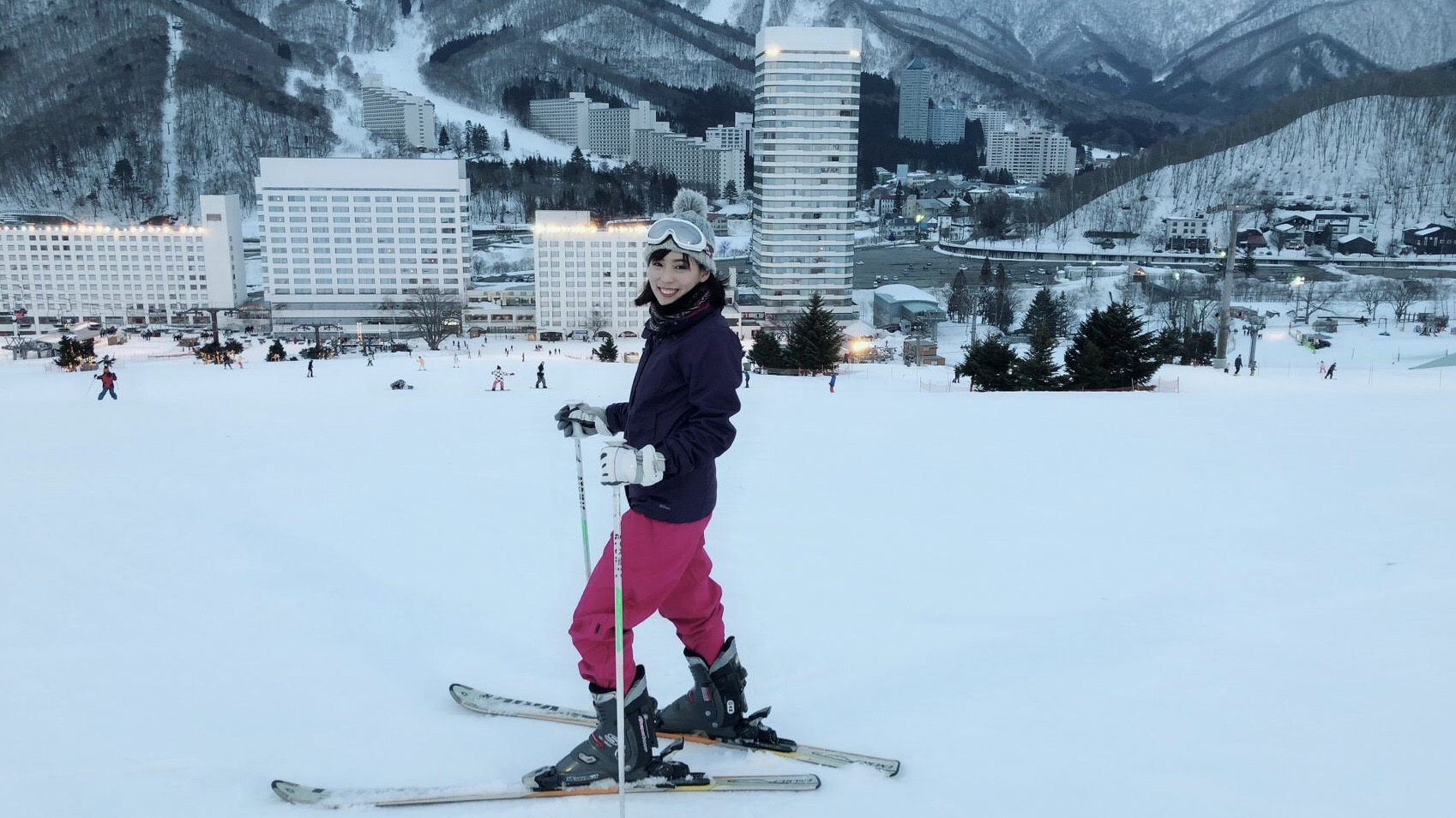
An easy answer is the proximity to nature. I come from a lower middle income family, and while my parents made sure that we got to travel at least once every year, I never got to experience “recreational hobbies” like skiing or hiking.
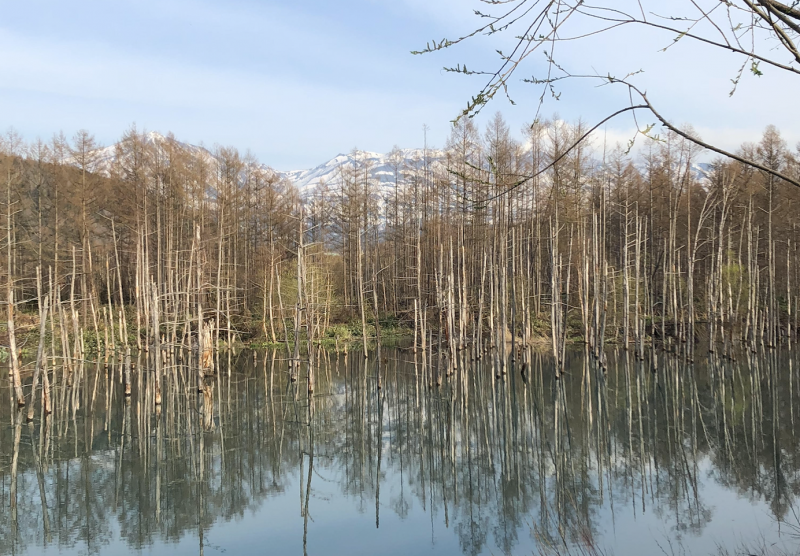
Now, being a day trip away from hiking trails or the nearest ski resort, I now ski and hike at least once every year.
I am not the best driver, so Japan’s comprehensive public transport system can take me to some of the most rural of mountains that I would not have been able to visit anywhere else.
There is a ski resort that is located just right outside the Shinkansen station (it’s called Gala Yuzawa).These are experiences that may not be valuable monetarily, but have made my life so much more fulfilling.
I might not have a net worth as much as my peers, but I can say that I have travelled to the prettiest and smallest of towns in Japan, and have made friends not only from Japan, but from all over the world.
Another reason is the community of friends and people that I’ve met during the 6 years.
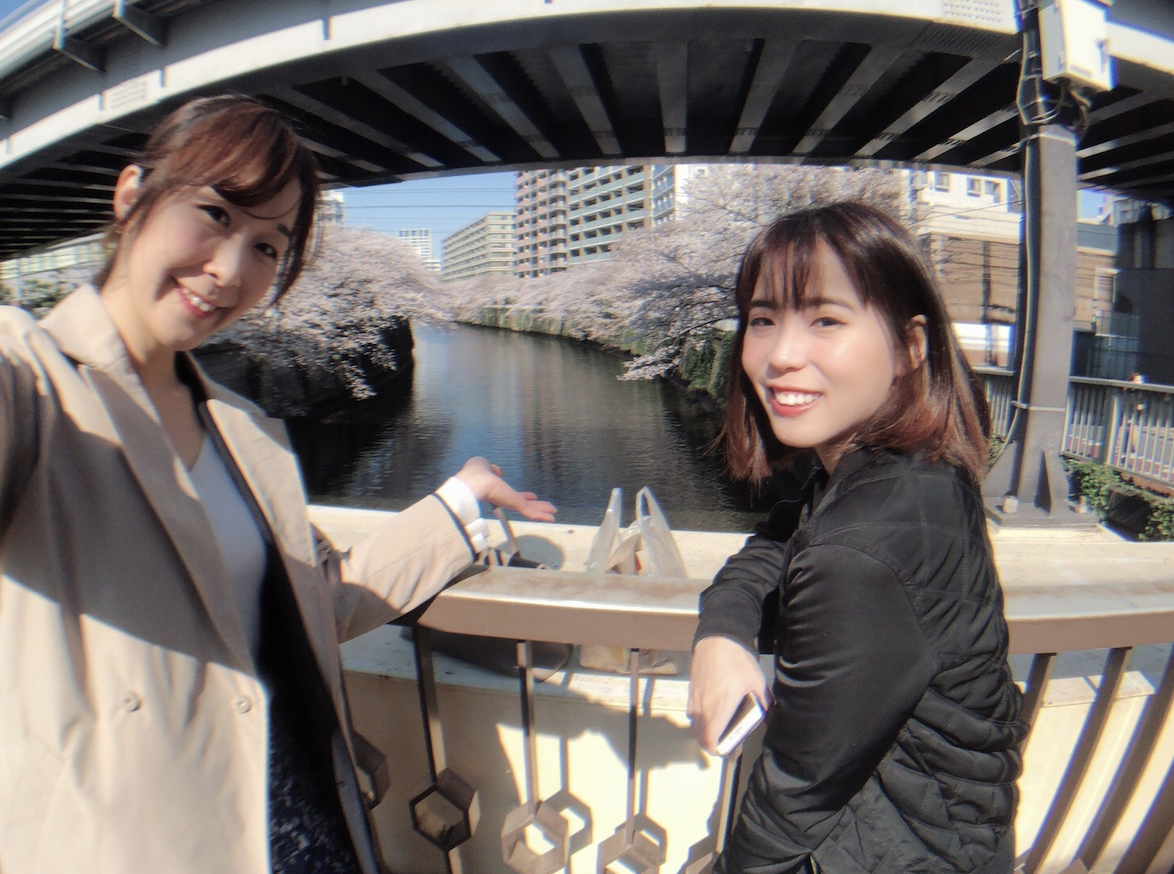
I am privileged to have been able to meet people of diverse nationalities, cultures, and backgrounds, and this has opened my eyes to the realities of different people in the world.
Ironically, it is through being friends with so many people that I have realised objectively how special Singapore is, but also how unremarkable Singapore is to the world.
By being away from Singapore, I can see our strengths and our flaws. And it is through this realisation that I am being challenged to grow every day.
Was all of that worth not being able to attain FIRE?
Being away from home is hard. When you come home from a tiring work day and you need someone to talk to, or when you have to carry a huge washing machine into your new place and it weighs just about as much as you – you cannot rely on anyone but yourself. But being out of my comfort zone, I believe I have learned a lot about myself and challenged myself to grow into a better person.
I might not own a house, and I might take a longer time to attain FIRE, but I have a wealth of experience and a life that I would not change for the world.
PS: If you enjoyed this piece of content, then you’ll love the 99.co team.
About 99.co

We are a property search engine with the overarching goal of building a more transparent and efficient property market. We are working towards that future by empowering people with the tools and information needed to find a place to live in the best way possible.

Looking to sell your property?
Whether your HDB apartment is reaching the end of its Minimum Occupation Period (MOP) or your condo has crossed its Seller Stamp Duty (SSD) window, it is always good to know how much you can potentially gain if you were to list and sell your property. Not only that, you’ll also need to know whether your gains would allow you to right-size to the dream home in the neighbourhood you and your family have been eyeing.
One easy way is to send us a request for a credible and trusted property consultant to reach out to you.
Alternatively, you can jump onto 99.co’s Property Value Tool to get an estimate for free.
If you’re looking for your dream home, be it as a first-time or seasoned homebuyer or seller – say, to upgrade or right-size – you will find it on Singapore’s fastest-growing property portal 99.co.
Meanwhile, if you have an interesting property-related story to share with us, drop us a message here — and we’ll review it and get back to you.
Join our social media communities!
Facebook | Instagram | TikTok | Telegram | YouTube | Twitter





Thanks for sharing your experiences in Japan! Although I’m not a Singaporean but a PR, have been staying long enough in SG about 12 years now (even served the NS but remained a PR).
I would trade FIRE for the freedom and nature in Japan anytime! Freedom to go many nice places for sightings and most importantly, is to take a deep breathe and enjoy different seasons. Whereas the “little red dot” is just too boring` it is too city life and with four seasons of summer! How depressing is that @_@”… My life in SG is just pay bills, work, eat, sleep and repeat.
There are certain things we have to let go to enjoy many other things in life~ Cheers to you for having such determination moving to a new place! That takes a lot of courage to do so too 🙂
Meanwhile stay safe and take care! ^^
As for the TV disposing, have you thought about dissembling it to make it easier with smaller parts to dispose? (Just a random thought hahaha:)
I enjoyed reading this article , I have over the years been visiting Jpn and like many fellow SGP love the nature and beautiful surroundings , I like the road trips and visit to many Onsen towns from north to south of the island .10- 7 years back, I discovered and visit Karuizawa many times, too many perhaps until I decide to purchase a plot of land this year , It wasn’t a straight forward process but I wanted to experience 4 seasons every minute before I leave this world and since my work allows me to be remote most times, I took the plunge. One thing strikes me in Japan is how easy to move around and almost ESP like. Thank you for this easy read, takes me back .