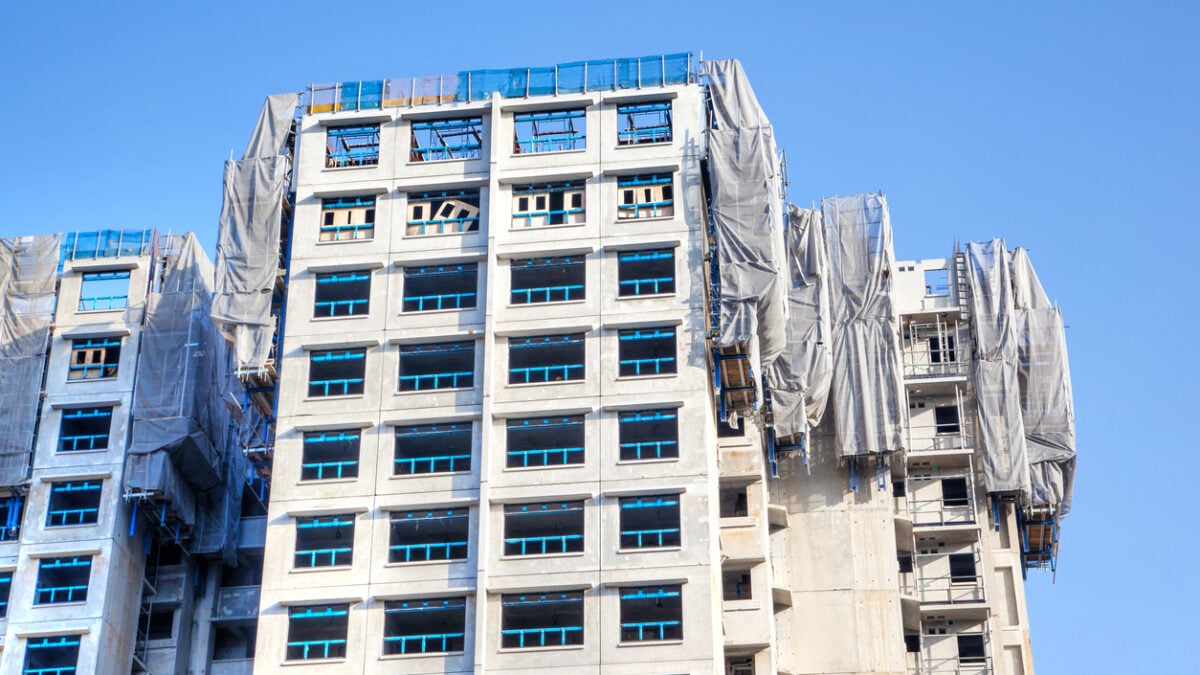
With the new Build-To-Order (BTO) classification, flats now fall under the Standard, Plus, and Prime categories. The difference between Standard and the other two is clear-cut. But when it comes to Plus and Prime, the distinction isn’t as obvious. Both Plus and Prime flats come with similar restrictions — a 10-year Minimum Occupation Period (MOP), an income ceiling for resale buyers, and the inability to rent out the whole flat. The main difference? Price and Subsidy Recovery (SR). That brings us to the real question: Are Plus and Prime BTOs worth the extra money?
Table of contents
How much more do Plus and Prime flats actually cost?
Higher prices for better locations
Subsidy Recovery (SR) for Plus and Prime flats
How Plus and Prime flats affect the market
If you’re an aspiring upgrader, Prime and Plus projects might not be for you…
Who should consider Plus and Prime flats?
Wrapping up
How much more do Plus and Prime flats actually cost?
Before deciding if they’re worth it, let’s break down the pricing difference.
Based on the February 2025 BTO launch:
- A 4-room Standard flat at Woodlands North Verge starts from S$365,000 (excluding grants).
- A 4-room Plus flat at Stirling Horizon starts from S$554,000 (excluding grants).
- A 4-room Prime flat at Tanjong Rhu Parc Front starts from S$548,000 (excluding grants).
The price gap between Standard and Prime is S$183,000. Meanwhile, for some reason, the Prime flats in the February 2025 BTO exercise are priced slightly lower than Plus flats. However, note that Prime flats, including Tanjong Rhu Parc Front, come with a higher Subsidy Recovery (SR) – we’ll discuss this later in the article.
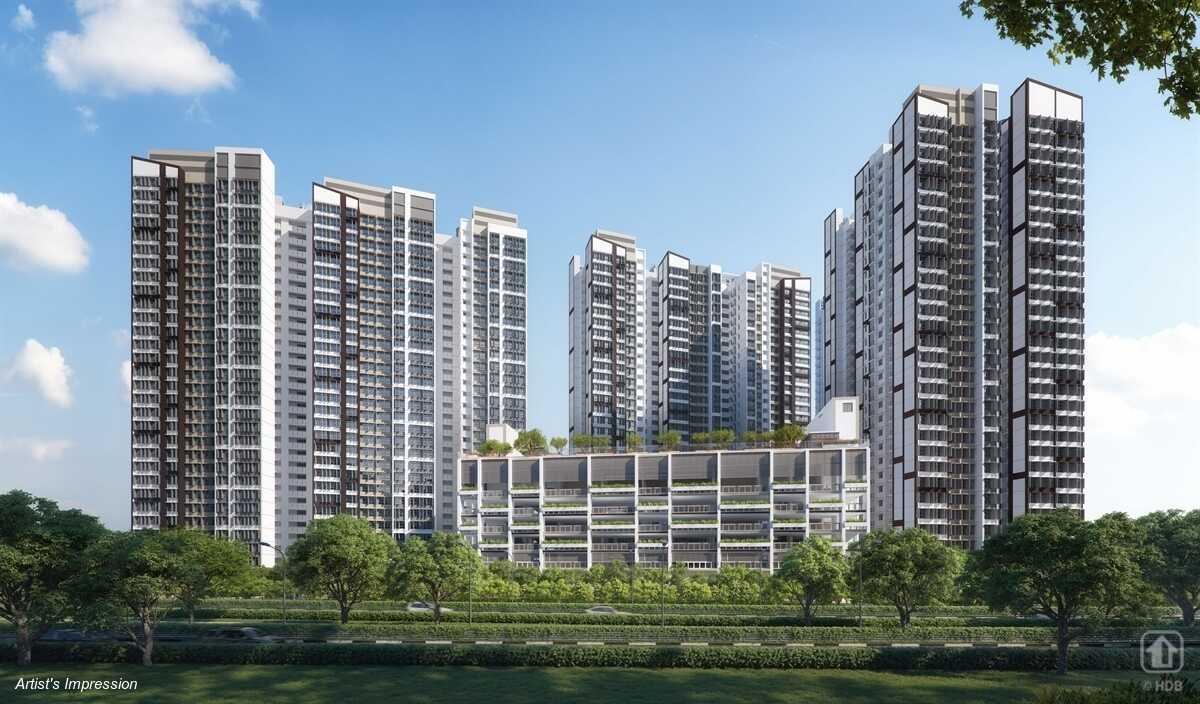
Higher prices for better locations
The higher price tags come down to location. But “Prime” doesn’t always mean “close to the city centre.” So far, Plus flats seem to be in fringe neighbourhoods with strong connectivity, while Prime flats are in central areas. That’s the assumption many have made, including analysts and realtors. But this isn’t an official rule.
For now, Prime flats are indeed closer to town or in mature estates. In the future, though, we might see Prime flats popping up in non-central areas too. If that happens, it would reflect a lot of confidence in decentralisation. How do we justify the Plus and Prime qualities in an area like Punggol or Tengah? It will be an interesting topic to explore in the distant future.
Our guess, Plus and Prime flats are more about exclusivity rather than just central location.
Subsidy Recovery (SR) for Plus and Prime flats
Flats in more desirable locations — especially those near MRT stations or town centres — have higher SR rates. This is the amount you’ll have to return to HDB when you resell, based on a percentage of the higher of your resale price or valuation.
This clawback clause was introduced to mitigate the “lottery effect” which occurs when buyers of flats in prime locations sell them at a significant profit because of the substantial market subsidies they received when first purchasing the flats.
In other words, no more lottery wins for you.
So far, Prime flats have an SR of 9%, while the new Plus flats offered in the February BTO (Stirling Horizon) have an SR of 8%.
Example:
- If you sell a Prime flat for S$1,000,000, you’ll return S$90,000 (9%) to HDB.
- If you sell a Plus flat for the same price, you’ll return S$80,000 (8%).
This means that if the SR for Plus flats isn’t significantly lower, some buyers might just go for a Prime flat instead. After all, the price difference isn’t that big.
How Plus and Prime flats affect the market
It’s still too early to say how these flats will impact the resale market in the long run. But in the short term, they could push resale prices higher in the neighbouring areas. Take the recent sale of a four-room flat on Kampong Arang Road for S$908,000, nearly hitting the million-dollar mark. While Kallang has its fair share of million-dollar flats, these transactions usually happen in the town’s more central areas.
This resale flat, however, sits in Tanjong Rhu, where the latest February 2025 BTO exercise introduced the Prime project, Tanjong Rhu Parc Front. Other nearby projects, Tanjong Rhu Riverfront I & II, were also launched under the Prime Location Public Housing (PLH) model in 2024.
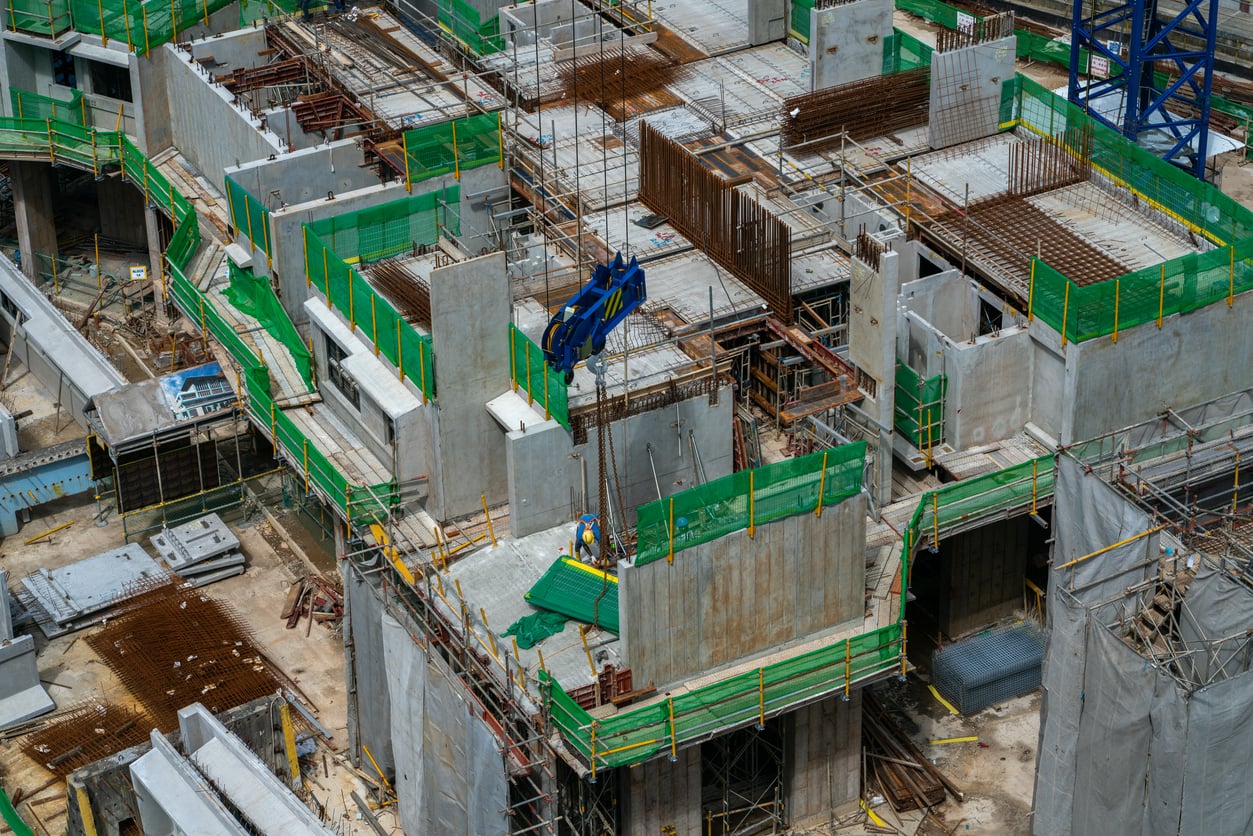
The four-room flats at Tanjong Rhu Parc Front start from S$548,000 (excluding grants), which sounds like a very great deal — until you factor in the waiting time. Construction is expected to take 48 months. Add the 10-year MOP, and you’re looking at 14 years before you can sell. That’s a long time to wait. But then again, imagine the price it could fetch in 14 years.
If you’re an aspiring upgrader, Prime and Plus projects might not be for you…
There used to be a belief that resale flats were the best option for upgraders. These days, more buyers are leaning towards BTOs because of the strong resale premiums. But if you’re an aspiring upgrader, Plus and Prime flats might not be the best choice. Why? The 10-year MOP is simply too long.
That’s why buyers of these flats are likely to be genuine homeowners rather than those looking to upgrade quickly. On the flip side, this means those going for Standard BTOs might face less competition, making balloting a little easier.
If you pick a Standard BTO, you’ll have to wait around nine years — four for construction and five for MOP — before selling. While resale flats can be sold sooner, BTOs have an edge: fresh flats that just hit their five-year mark tend to command a premium.
For perspective, in January 2025, market watchers found that five-year-old three-room flats in Ang Mo Kio were selling for around 25% more than similar 10-year-old flats in the same area. This trend suggests that, despite the wait, BTOs can be more profitable for those planning to upgrade later.
Who should consider Plus and Prime flats?
To sum it up, Plus and Prime flats are best for:
- Homeowners who plan to stay long-term. If you’re not looking to sell anytime soon, the restrictions won’t bother you.
- Buyers who prioritise location. If you want to live in a central or well-connected area, these flats provide an affordable entry point compared to resale prices.
- Those who don’t mind the resale restrictions. If you’re not planning to rent out the whole unit or upgrade quickly, the rules won’t be a deal-breaker.
On the other hand, you might want to reconsider if:
- You plan to upgrade in the near future. The 10-year MOP makes it harder to move up the property ladder quickly.
- You’re looking for investment potential. While these flats will appreciate, the SR clawback limits windfall profits.
- You prefer flexibility. Standard BTOs or resale flats give you more options if your plans change.
Wrapping up
Plus and Prime BTOs come at a higher cost, but they offer better locations and strong long-term value. That said, they’re not for everyone. The resale restrictions and longer waiting times make them more suited for those looking to stay put rather than upgrade in the near future.
If you’re after centrality and don’t mind holding onto your flat for the long haul, Plus or Prime might be worth it. But if you want to sell and upgrade sooner, a Standard BTO or resale flat could be the better move. Ultimately, it all comes down to your long-term plans and financial goals.
Need more information on the latest launch? Visit our BTO page to get the overview of February 2025 BTO sales launch.
About Ananda Bayu

Ananda has been wrangling Singapore's complex real estate trends into readable bites since 2020. She writes like she's explaining it to a friend over kopi — because who has time for jargon? When off the clock, she’s probably doom-scrolling through cat memes on X, convincing herself it's the highest tier of "creative inspiration".

Looking to sell your property?
Whether your HDB apartment is reaching the end of its Minimum Occupation Period (MOP) or your condo has crossed its Seller Stamp Duty (SSD) window, it is always good to know how much you can potentially gain if you were to list and sell your property. Not only that, you’ll also need to know whether your gains would allow you to right-size to the dream home in the neighbourhood you and your family have been eyeing.
One easy way is to send us a request for a credible and trusted property consultant to reach out to you.
Alternatively, you can jump onto 99.co’s Property Value Tool to get an estimate for free.
If you’re looking for your dream home, be it as a first-time or seasoned homebuyer or seller – say, to upgrade or right-size – you will find it on Singapore’s fastest-growing property portal 99.co.
Meanwhile, if you have an interesting property-related story to share with us, drop us a message here — and we’ll review it and get back to you.
Join our social media communities!
Facebook | Instagram | TikTok | Telegram | YouTube | Twitter


Leave a comment