Table of contents:
- Ownership and land tenure
- Types and variety
- Cost and financing
- Space and privacy
- Facilities and amenities
- Lifestyle and community
- Security and maintenance
- Location and accessibility
- Investment potential
- Regulations and restrictions
- Resale market and liquidity
- Environmental and sustainability factors
- Flexibility and customisation
- Conclusion
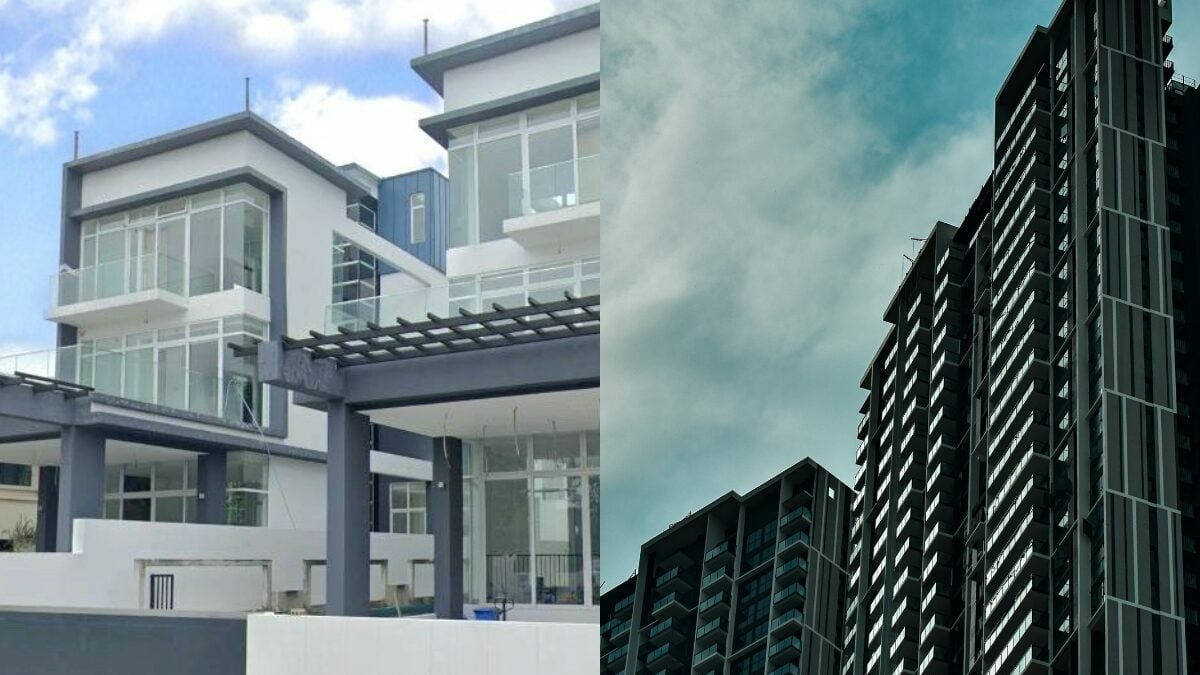
The Singapore property market offers a variety of residential options, each catering to different needs and preferences. Among these, landed houses and condominiums are popular choices. Whether you’re a first-time homebuyer, an investor, or someone looking to upgrade, understanding the differences between these property types is crucial.
This article provides a detailed comparison to help you make an informed decision.
Ownership and land tenure

Landed houses in Singapore are typically classified as freehold or leasehold. Freehold properties provide indefinite ownership, while leasehold properties have a tenure of 99 or 999 years. Owners of landed houses have full ownership of both the land and the structure, giving them significant control and flexibility over the property.
Condominiums are typically leasehold (99 or 999 years), with some freehold options available. Leasehold properties are more widespread because of limited land availability. Condominium owners have the title to their units, while the common areas are jointly owned by all residents.
Types and variety
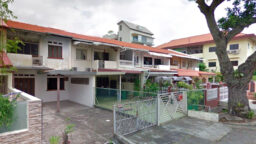
Different landed houses include terraced houses, semi-detached houses, detached houses (bungalows), and Good Class Bungalows (GCBs). Each type offers different amounts of space and privacy and allows for customisation and architectural variety, enabling owners to tailor their homes to personal preferences.
Read this: Good Class Bungalow (GCB): What’s the big deal about Good Class Bungalows in Singapore?
Condominium options vary widely, from affordable units to mid-range and luxurious properties. The condo building offers a range of unit sizes, from studios to five-bedroom apartments, including penthouses, to suit various needs and budgets.
Cost and financing

Landed houses usually have higher prices than condominiums because of the land factor, especially for freehold properties and good-class bungalows. Owners encounter increased property taxes and maintenance expenses, and getting financing usually entails larger down payments and loans.
Read this: Price gaps between property types: Why are they different?
Condominiums typically provide more cost-effective options compared to landed properties, which increase their accessibility to a wider range of potential buyers. The monthly maintenance fees are allocated for the maintenance of communal facilities and public areas, and financing is more convenient because of lower initial payments and more manageable loan amounts.
Space and privacy
Landed homes provide more living space and private outdoor areas. These properties often feature swimming pools, offering more privacy thanks to their larger lots and absence of shared walls.
Read this: So you want to install a CCTV in your home in Singapore…
Condo units are smaller and offer less privacy because of shared walls and common spaces like hallways and lobbies.
Facilities and amenities
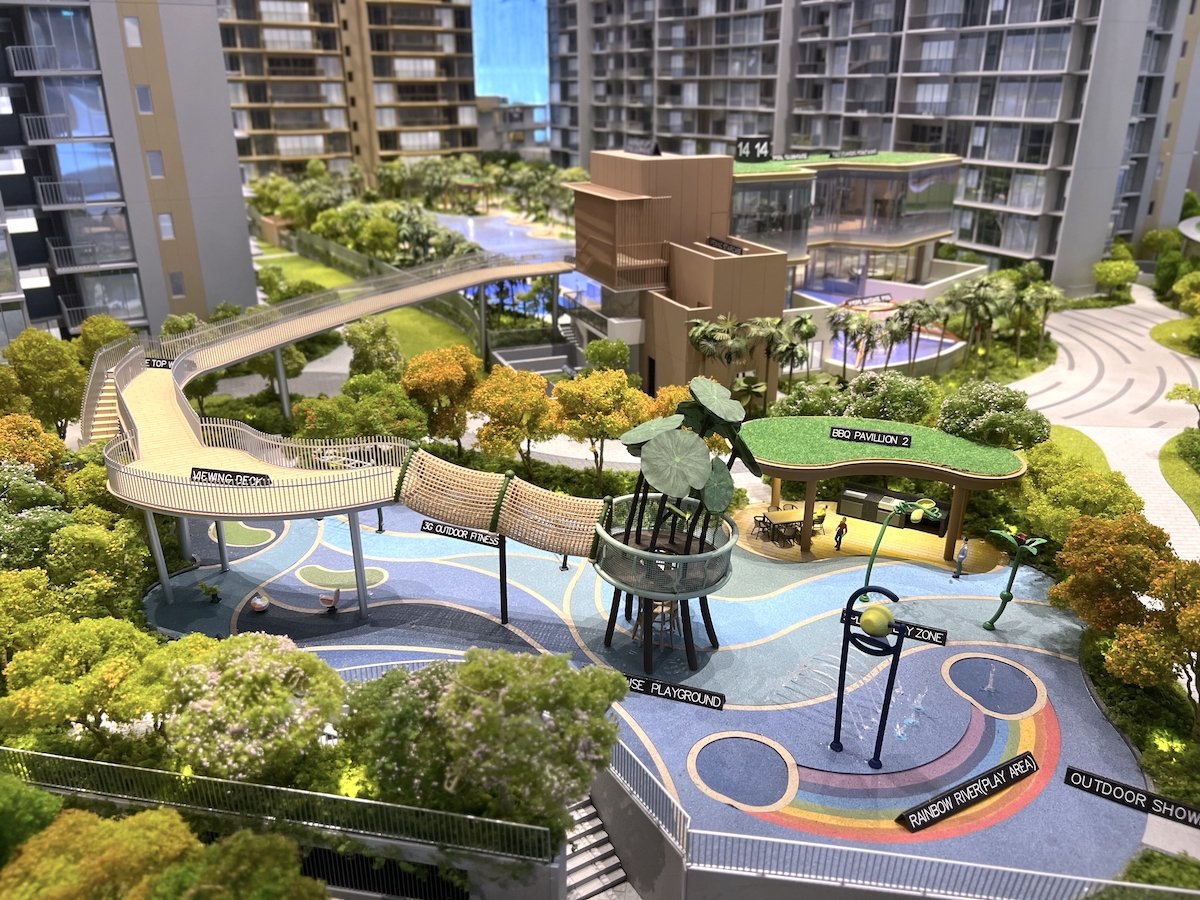
Landed houses typically lack built-in amenities like gyms or pools unless the owner has them installed privately, often at an additional cost.
Condominiums provide shared amenities like swimming pools, gyms, playgrounds, barbecue areas, and clubhouses. Regular maintenance of these facilities is done by management to keep them in good condition.
Lifestyle and community
People who value privacy and a close-knit family atmosphere often choose detached homes, where socialising is primarily with their immediate neighbours. This only applies if the house isn’t part of a landed estate that holds community events.
Condominiums foster a sense of community by hosting organised events and activities, promoting social interaction among residents. These spaces are perfect for people who want to live in a community with shared resources.
Security and maintenance

Homeowners, who own property with land, handle security measures such as CCTV and alarms. They also need to maintain and repair the property.
Read this: 5 things that home buyers get wrong about property amenities
Condominiums provide a safe living environment with gated communities and around-the-clock security services. The management team takes care of shared spaces and amenities, with costs covered by maintenance fees.
Location and accessibility
Landed houses are commonly in suburban or designated areas known for such properties, which may involve longer travel times to urban centres and amenities.
Read this: Do new MRT stations affect property transaction prices?
Condominiums in Singapore, including prime urban areas, provide convenient access to city amenities and public transportation, facilitating easier commuting.
Investment potential

Landed houses have a high potential for capital appreciation, particularly for freehold properties. The limited availability of land in Singapore contributes to their value.
Read this: 6 things to consider before considering property investment in Singapore
Condominiums offer appreciation potential based on location, market trends, and property condition, along with rental yields because of desirable locations and amenities.
Out of the two choices, condos are more in demand and desired. We’ll touch more on this below.
Regulations and restrictions
The regulations governing modifications and renovations are less stringent for owners of landed properties, and there are specific guidelines for GCBs and certain landed estates.
Condominiums have specific rules regarding renovations within the units to maintain uniformity. Residents are required to follow the guidelines set by the management committee.
Resale market and liquidity

The resale market for landed houses is smaller than that for condominiums, which can lead to longer selling times. However, specific types of landed houses, such as GCBs, have high demand and keep their value well.
Condominiums typically have a larger and more active resale market, which can offer higher liquidity and quicker transactions compared to other types of real estate properties.
Look at the graph below to see a better distinction between condos and landed houses:
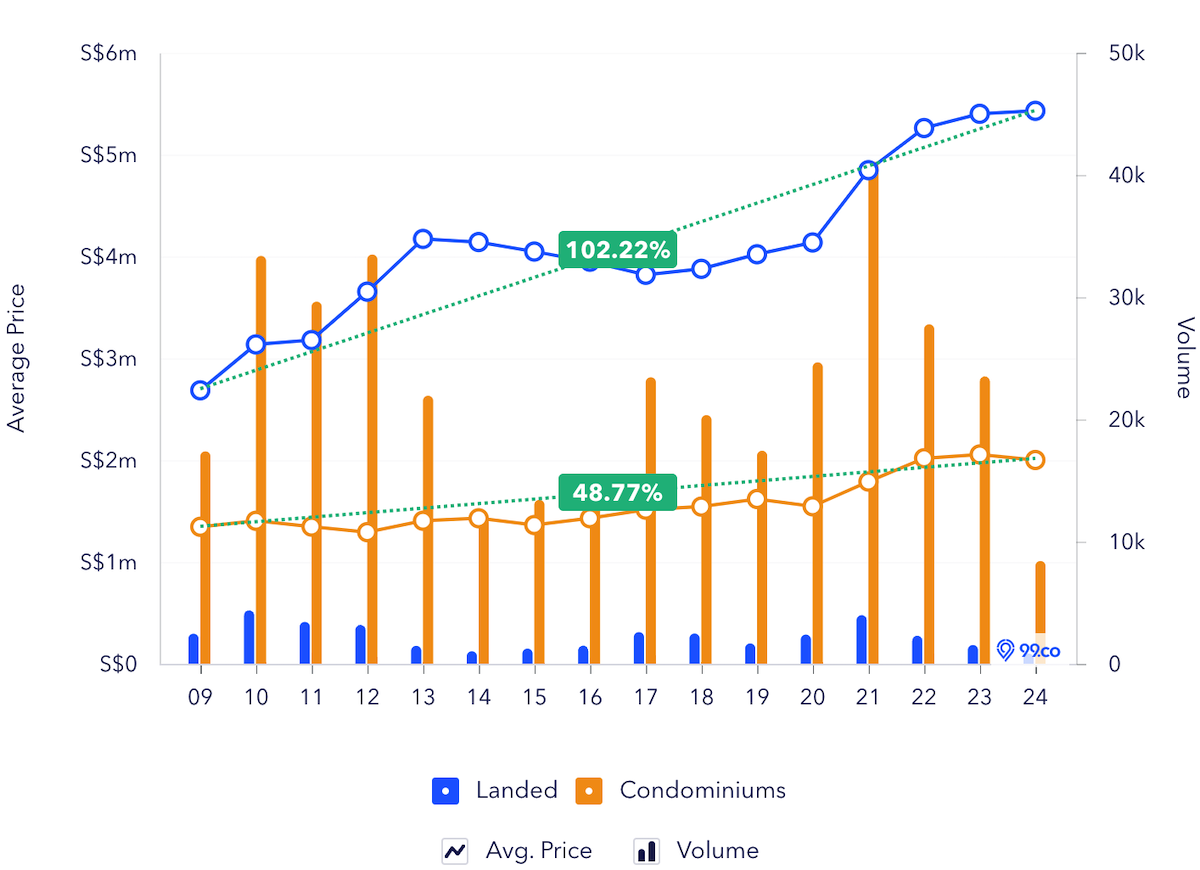
The average price of landed houses has increased significantly by 102.22%, reaching around S$5.5 million. In contrast, the average price of condominiums has grown by 48.77%, now averaging approximately S$1.6 million. Despite the higher price growth of landed houses, the transaction volume for condominiums has consistently been much higher, reflecting their broader market accessibility and popularity among buyers.
This suggests that while landed houses have seen more substantial price appreciation, condominiums remain the more common choice because of their relative affordability and availability.
Environmental and sustainability factors
Landed houses provide space for sustainable practices like the installation of solar panels, rainwater harvesting, and maintaining green gardens. However, the larger space often leads to higher energy consumption.
Newer condominium developments frequently feature green mark certifications and eco-friendly designs. Shared resources and amenities contribute to improved overall sustainability.
Flexibility and customisation

Landed houses provide flexibility for customisation, renovations, and extensions, allowing property owners to tailor the property to their specific preferences.
Read this: What happens if your housing loan deductions reach your CPF Basic Retirement Sum (BRS)?
Condominiums typically offer limited options for customisation within the units because of shared ownership, which helps to maintain a uniform design for consistency.
Conclusion
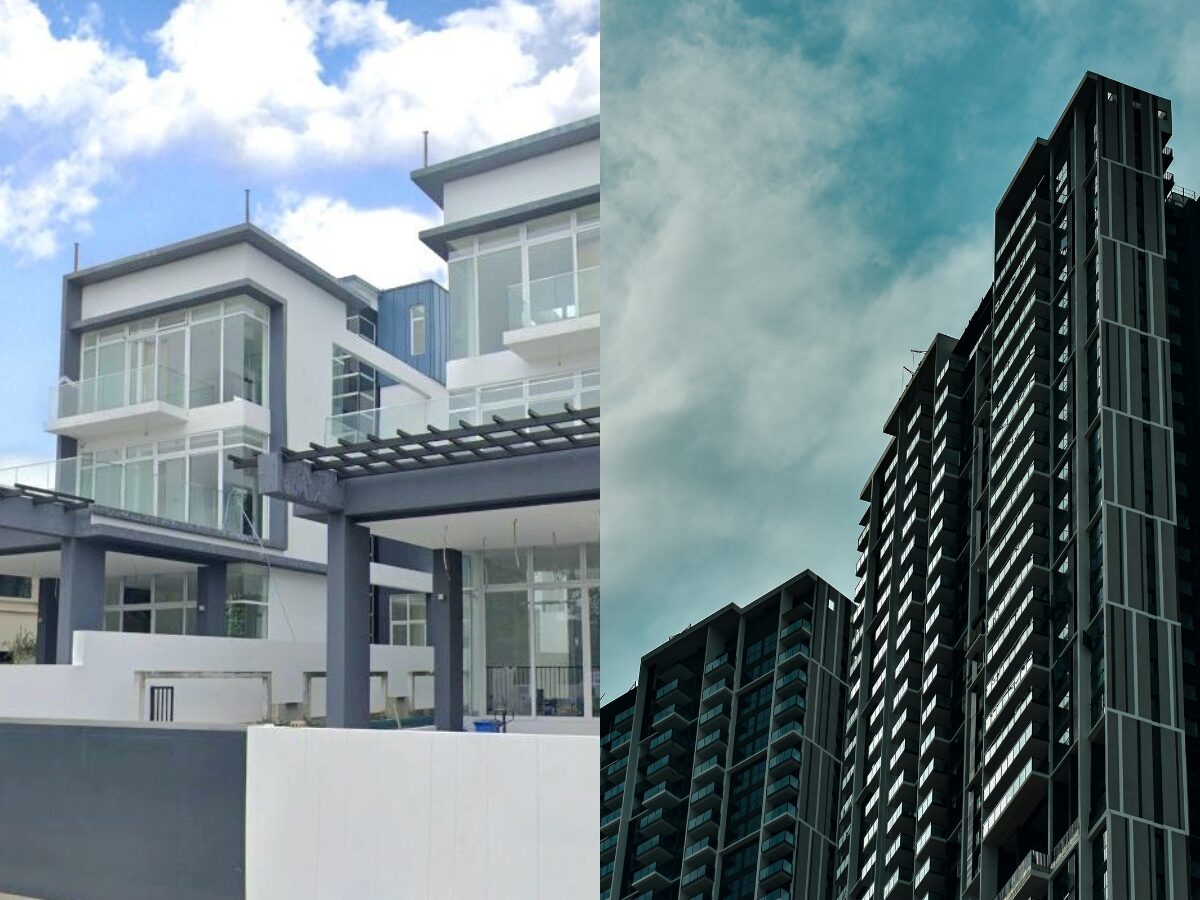
The choice between a landed house and a condominium in Singapore depends on various factors, such as individual preferences, lifestyle needs, and investment goals. Landed houses typically offer more space, privacy, and customisation opportunities, but they come with higher costs and require more maintenance.
Condominiums offer access to a range of facilities, simplified maintenance, and improved security, making them suitable for individuals seeking a communal living environment. Prospective buyers and investors should thoroughly evaluate these aspects as they may benefit from seeking advice from a real estate professional to facilitate a well-informed decision in line with long-term goals.
Properties for you

 5
5
 4
4
 4
9
4
9
 4
5
4
5
 4
8
4
8
 6
5
6
5
 5
6
5
6
 5
3
5
3
 2
5
2
5
 5
6
5
6
 3
3
3
3
 6
7
6
7
 4
4
4
4
 5
5
5
5
 4
6
4
6
 6
8
6
8
 4
4
4
4
 5
5
5
5
 4
4
4
4
 4
5
4
5
 3
3
3
3
 5
4
5
4
 4
3
4
3
 7
9
7
9
 5
6
5
6
 7
7
7
7
 5
6
5
6
 5
6
5
6
 6
5
6
5
 5
5
5
5
 6
6
6
6
 5
3
5
3
 5
3
5
3
 4
3
4
3
 6
7
6
7
 4
5
4
5
 6
4
6
4
 6
6
6
6
 3
2
3
2
 5
3
5
3
 -1
1
-1
1
 -1
1
-1
1
 -1
1
-1
1
 4
5
4
5
 7
5
7
5
 1
1
1
1
 -1
1
-1
1
 4
3
4
3
 -1
-1
 3
5
3
5
 8
6
8
6
 -1
1
-1
1
 5
2
5
2
 3
3
3
3
 5
4
5
4
 6
5
6
5
 -1
1
-1
1
 -1
1
-1
1
 -1
-1
 4
3
4
3
 4
6
4
6
 4
4
4
4
 -1
-1
 -1
-1
 -1
1
-1
1
 4
6
4
6
 -1
-1
 5
5
5
5
 4
3
4
3
 5
4
5
4
 5
5
5
5
 4
3
4
3
 2
2
2
2
 1
1
1
1
 3
3
3
3
 2
2
2
2
 4
4
4
4
 4
2
4
2
 4
3
4
3
 3
2
3
2
 4
3
4
3
 3
2
3
2
 4
4
4
4
 2
1
2
1
 2
1
2
1
 3
3
3
3
 2
3
2
3
 2
1
2
1
 1
1
1
1
 2
2
2
2
 3
2
3
2
 1
1
1
1
 2
1
2
1
 5
4
5
4
 1
1
1
1
 1
1
1
1
 1
2
1
2
 1
1
1
1
 3
3
3
3
 2
2
2
2
 3
2
3
2
 5
5
5
5
 4
3
4
3
 2
2
2
2
 3
5
3
5
 1
1
1
1
 3
2
3
2
 -1
1
-1
1
 -1
-1
 3
3
3
3
 4
3
4
3
 2
2
2
2
 2
1
2
1
 2
1
2
1
 4
2
4
2
 4
4
4
4
 2
2
2
2
 3
2
3
2
 4
3
4
3
 2
2
2
2
 2
2
2
2
 2
1
2
1
 3
3
3
3
 -1
-1
 -1
-1
 -1
1
-1
1
 2
2
2
2
 2
3
2
3
 2
2
2
2
 -1
-1
 3
2
3
2
 -1
-1
 3
2
3
2
 3
2
3
2
 2
2
2
2
 -1
-1
 -1
-1
 -1
1
-1
1
 -1
1
-1
1
 3
3
3
3
 1
1
1
1
Disclaimer: This information is intended solely for general informational purposes. 99.co makes no claims or guarantees regarding the accuracy, completeness, or suitability of the information, including, but not limited to, any assertion or assurance regarding its appropriateness for any specific purpose, to the maximum extent allowed by law. Despite all efforts to ensure that the information presented in this article is current, reliable, and comprehensive at the time of publication, it should not be used as the sole basis for making financial, investment, real estate, or legal decisions. Furthermore, this information is not a replacement for professional advice tailored to your unique personal circumstances, and we disclaim any responsibility for decisions made using this information.

About Azhann Rosmin

Azhann Rosmin is a writer who has 6 years of professional forte. He specialises in writing about real estate and lifestyle topics. His coverage mostly focuses on HDBs, condos, BTOs, and landed houses while also favouring topics of food, nightlife, and technology. He has worked in multiple writing positions that include cryptocurrency, fintech, e-commerce, fashion, and cosmetics. Azhann graduated with a bachelor's degree in Applied Linguistics and also writes poetry.

Looking to sell your property?
Whether your HDB apartment is reaching the end of its Minimum Occupation Period (MOP) or your condo has crossed its Seller Stamp Duty (SSD) window, it is always good to know how much you can potentially gain if you were to list and sell your property. Not only that, you’ll also need to know whether your gains would allow you to right-size to the dream home in the neighbourhood you and your family have been eyeing.
One easy way is to send us a request for a credible and trusted property consultant to reach out to you.
Alternatively, you can jump onto 99.co’s Property Value Tool to get an estimate for free.
If you’re looking for your dream home, be it as a first-time or seasoned homebuyer or seller – say, to upgrade or right-size – you will find it on Singapore’s fastest-growing property portal 99.co.
Meanwhile, if you have an interesting property-related story to share with us, drop us a message here — and we’ll review it and get back to you.
Join our social media communities!
Facebook | Instagram | TikTok | Telegram | YouTube | Twitter




Leave a comment